H5 Casual Game Lobby System Deployment Notes: Open-Source Build & Customization Walkthrough
H5 Casual Game Lobby System Deployment Notes: Open-Source Build & Customization Walkthrough
Disclaimer: This article is for technical education and demonstration only. It is not professional or financial advice. Any real-world deployment must comply with applicable laws and regulations.
A friend who runs a local board game cafe asked me to deploy an H5 casual game lobby system for him. His goal was simple: something that opens directly inside WeChat, lets a small group of friends team up and play together, and uses club points that can be redeemed for small rewards. He wanted a lightweight setup, nothing over-engineered. The source code I had on hand came from an online marketplace, advertised as “no license, no encryption, fully customizable.” Price was reasonable too. After spending a few days testing it on a real server, I wrote up the deployment process and the pitfalls I ran into. Sharing it here for anyone who wants to tinker with a similar project.
Feature Testing: What I Actually Ran Through
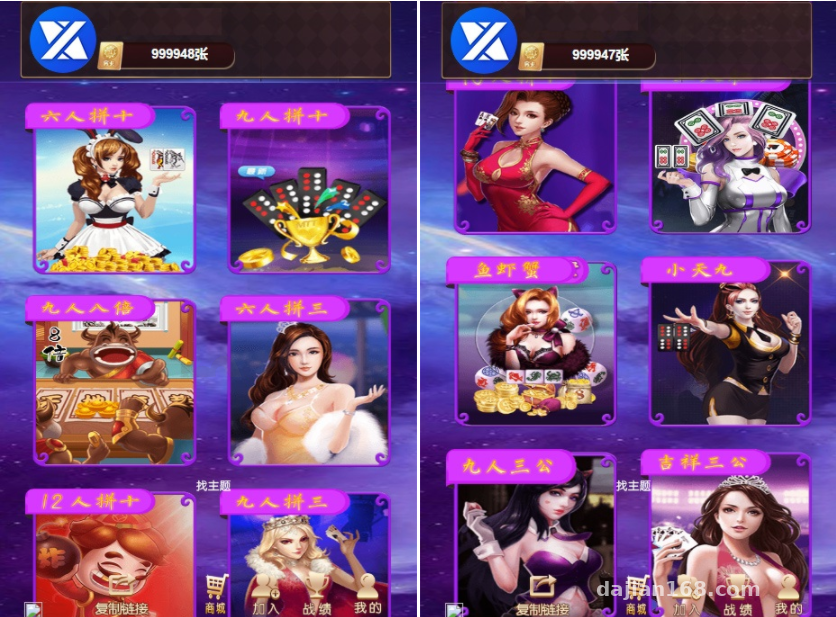
The system advertises several core features, and I went through them one by one:
Multi-Device H5 Compatibility
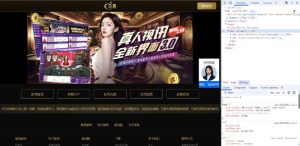
The biggest advantage of H5 is no app installation needed. It runs in Chrome, Safari, WeChat’s built-in browser, and QQ Browser without any issues. I tested across all three, and local load time stayed under 3 seconds on each. The UI is responsive, adapting automatically between mobile and desktop layouts, so there’s no need to maintain two separate codebases.
Club Points System
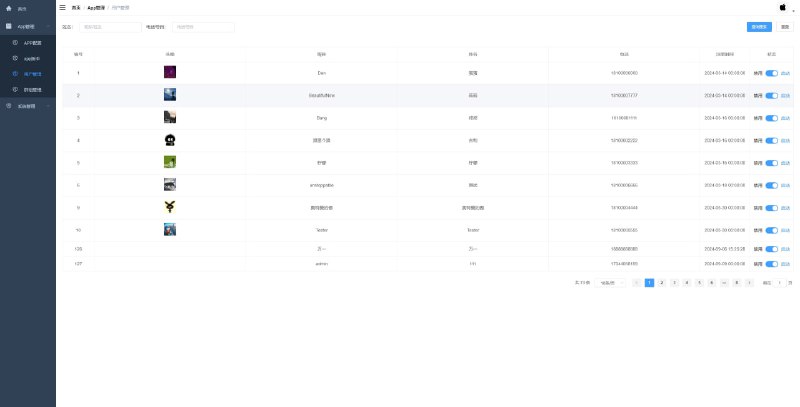
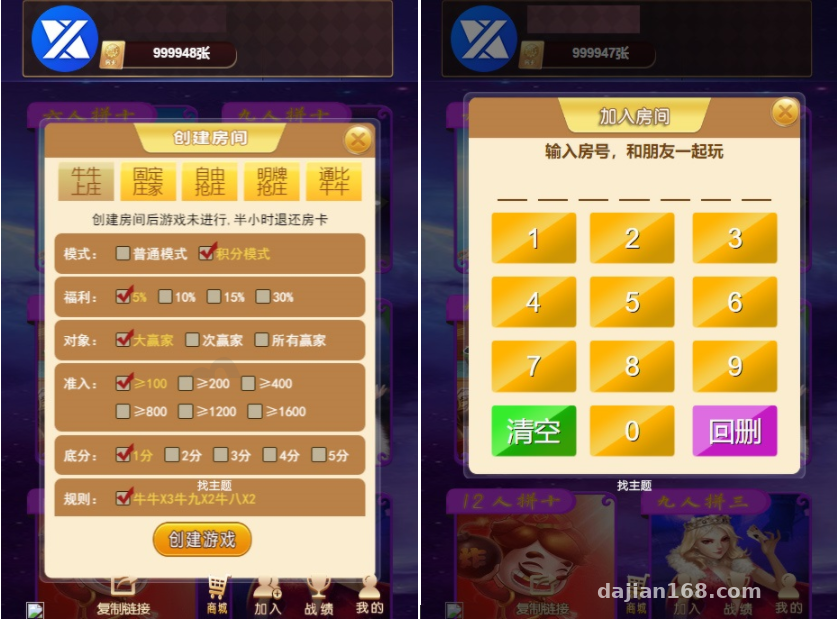
The source code emphasizes a “club points pool” feature, which I understand as a team-based points management module. Each club has its own independent points account. Members can transfer points between each other for internal redemptions, and administrators can manually adjust balances from the backend. The admin interface is fairly intuitive, point transactions are logged, and auditing isn’t a headache.
Frontend and Admin Console
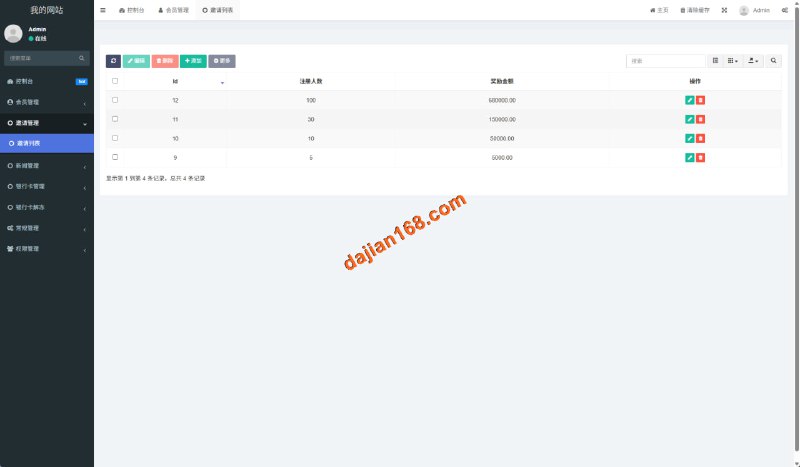
This is one of the main selling points of the source code. The frontend is the player interface, while the backend serves as the control panel. The control panel handles these tasks:
- Game room parameter configuration (player count, duration, rule toggles)
- Club member management
- Points pool monitoring
- Announcement publishing
- Platform-wide data statistics
Role permissions are split out fairly well. Regular admin, super admin, and auditor are separate roles, which prevents any single person from having full control.
Code Structure and Customization
The author claims to have cleaned up a lot of redundant code, and looking at it, the codebase is noticeably leaner than I expected. The core directory follows an MVC structure. The frontend uses Vue with Webpack bundling, the backend runs PHP on the ThinkPHP framework, and MySQL handles data persistence. The logic code isn’t obfuscated, naming conventions are decent, and the customization barrier isn’t high. Any developer comfortable with PHP should pick it up quickly.
Deployment Essentials: Environment and Pitfalls I’ve Already Hit For You
Here’s the environment requirements list:
- PHP 7.2 to 7.4 (7.4 has the best compatibility; I used 7.4.3)
- MySQL 5.7 or higher
- Nginx 1.18+ or Apache 2.4
- SSL certificate (mandatory for H5 running inside WeChat)
- Domain must be ICP-registered (required for domestic servers in China)
A few pitfalls worth flagging:
1. Database Import: The SQL file in the source package is encoded in GBK, but phpMyAdmin defaults to UTF-8 on import, which causes character corruption. Either convert the encoding in a text editor before importing, or adjust phpMyAdmin’s charset configuration.
2. Payment Integration: The source code includes a placeholder for a payment interface, but it’s empty and needs to be wired up. I integrated WeChat H5 Payment, which requires a merchant ID and API key. The callback URL must be HTTPS, otherwise signature verification will fail.
3. Static Assets: Frontend assets are bundled with Webpack. If you want to change the UI, you have two options: modify the source code and rebuild, or edit the CSS and JS files directly in the dist directory (not recommended, since the next rebuild will overwrite your changes).
4. Admin Login: The default admin path is /admin. Change it immediately after deployment. And don’t keep the default credentials (default is admin/admin888).
Important note: This source code is in an “unencrypted, unlicensed” state, meaning anyone who gets a copy can use and modify it freely. The trade-off is no official technical support, every issue is on you or the developer community. Run thorough local testing before going to production.
Who This Is For
Based on my own assessment, this system fits these use cases:
- Small teams looking to build a lightweight H5 entertainment platform
- Organizations that need internal club points management, such as membership programs or team-building activities
- PHP developers learning or practicing customization, the structure is clean enough for that
- Technical demos or prototype validation projects, easy to modify into a working demo quickly
Less suitable for:
- High-concurrency commercial operations, the architecture is on the lighter side
- Users without a technical background who don’t want to hire help, deployment has a learning curve
- Scenarios with strict security requirements, given the open-source nature of the code
Frequently Asked Questions
Q: Can this source code run directly on a domestic server in China?
A: Yes, but watch two things: the domain must be ICP-registered, and the content must comply with local regulations. If your use case involves real-money transactions or points conversion to cash value, you’ll need to evaluate the regulatory requirements yourself. We recommend using it only for internal entertainment or technical demonstration purposes. Please comply with all applicable laws and regulations. Prohibited uses include anything illegal or unauthorized.
Q: How difficult is the customization? What tech stack do I need?
A: The author says “customize freely,” but in practice, difficulty depends on what you want to change. Editing text or adjusting styles only needs HTML and CSS basics. Modifying game logic requires PHP and JavaScript knowledge. Adding a new payment integration means understanding API workflows. I’d call it medium difficulty overall, not beginner-friendly.
Q: Can the club points system integrate with enterprise tools like WeChat Work or DingTalk?
A: The source code doesn’t include this integration out of the box, but it can be added through customization. You’d need to call the WeChat Work or DingTalk open APIs, sync club members over, and push points change notifications to the corresponding group chat. I haven’t actually done this integration myself, but it’s theoretically feasible. Estimated workload is one to two weeks.
Q: How is the mobile experience? Do I need a separate mini-program?
A: H5 on mobile is good enough on its own, no separate mini-program required. If you want a mini-program version, you can wrap the H5 with uni-app, which isn’t much extra work, though the review process will depend on your specific features.
Q: How much concurrent traffic can the deployed system handle?
A: I didn’t run a formal stress test, but based on the code structure and database design, a single server should handle 100 to 200 concurrent users without major issues. Beyond that, you’ll need to optimize the database, add caching, and set up load balancing, which is on you to implement.
One last reminder: even though the source code claims “no backdoors, use with confidence,” I’d still recommend auditing the code yourself before deploying to production, especially around payment handling, user authentication, and SQL query construction. Drop your questions in the comments, I’ll reply when I see them.
Disclaimer: This article is for technical education and demonstration only. It is not professional or financial advice. Any real-world deployment must comply with applicable laws and regulations.
#H5 game #customization tutorial #club system #PHP source code #deployment notes
-
 Alipay QR Code Scan
-
 WeChat Scan Pay