Building a Lucky 28 Probability Simulation System: Ant-Style UI Customization and Standalone Agent Deployment Notes
Building a Lucky 28 Probability Simulation System: Ant-Style UI Customization and Standalone Agent Deployment Notes
Disclaimer: This article is for technical education and demonstration only. It is not professional or financial advice. Any real-world deployment must comply with applicable laws and regulations.
I recently helped a client deploy a Lucky 28 probability simulation demo system, featuring a new Ant financial-style UI and a standalone agent system. The source code was a second-hand customized version. After two days of tinkering and plenty of pitfalls, I’m writing down the key points in this note for future reference.
Quick verdict: the codebase structure is fairly clean overall — the classic PHP + MySQL combo, with a blue-and-white Ant-style front end that looks considerably more polished than typical templates. But since it’s a modified version, there are plenty of temporary changes left behind by previous developers, so a round of code cleanup is needed before deployment.

Feature Testing: What This System Can Do
After installation, I clicked through all the main modules. The core is the random-number probability simulation module, where users can watch the simulated generation process of each round’s published result data — purely a demo feature. The backend lets you configure simulation parameters and expected values for each round number. During testing I tried several sets of probability weights, and the data replay logic worked without issues.
The Backend Control Side
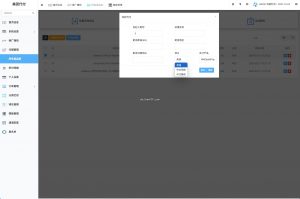
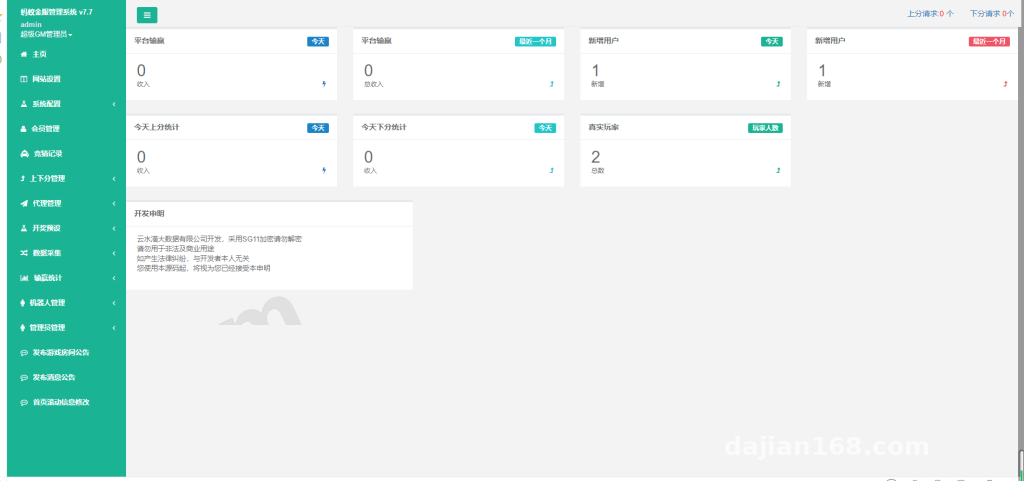
The admin panel is fairly complete: round management, simulation parameter configuration, user management, and log auditing are all there. The agent system has its own separate entry point, supporting multi-level agent grouping, performance statistics, and revenue-share ratio settings. This module was added separately during the customization, and its table structure is much cleaner than the main system’s — it looks like it was refactored later on.
Details of the UI Customization
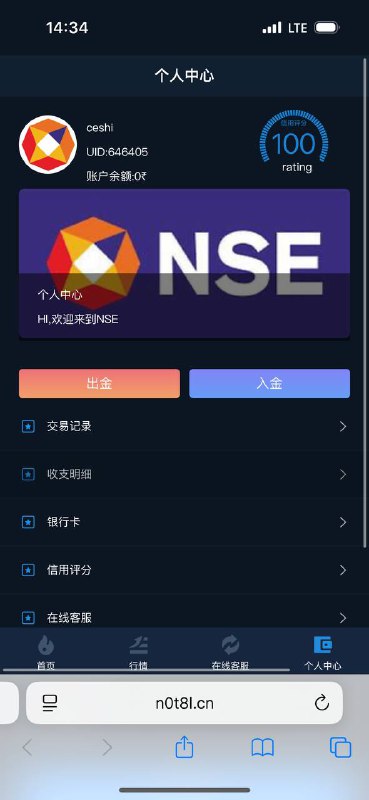
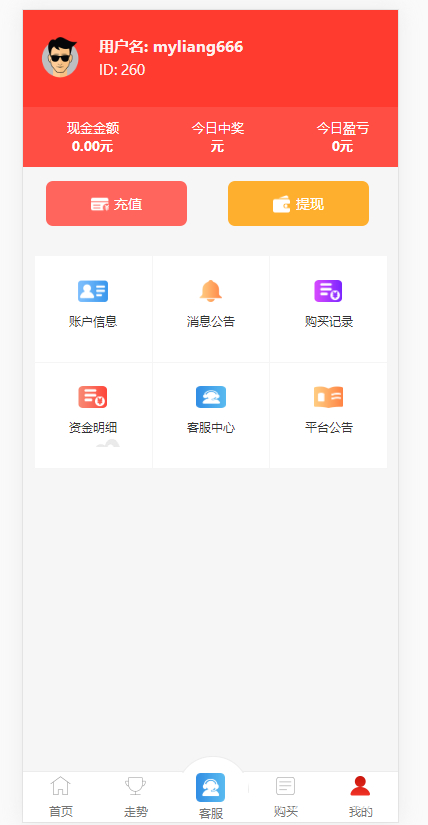
The front-end template uses a responsive layout, and the mobile experience is decent. However, I found a few CSS files with hard-coded absolute paths — after switching domains, styles break, so you need to do a global replacement of resource paths. Also, the font icon library is referenced locally; loading speed is fine, but I’d suggest switching to a CDN to save maintenance hassle later.

Deployment Essentials: My Complete Workflow
My environment was LNMP with PHP 7.4 and MySQL 5.7. Don’t go with PHP 8 — the code has several legacy patterns that throw errors outright on 8.0, and fixing them isn’t worth the effort.
Step Breakdown
1. Before importing the database, check the SQL file encoding. Some tables in this dump are utf8mb4 while others are utf8 — if they’re inconsistent, Chinese text will turn into garbled characters. I standardized everything to utf8mb4_general_ci.
2. The config file is config.php in the root directory. Database connections and rewrite rules all need to match. The Nginx rewrite rules are included in the source package — just copy them over.
3. Scheduled tasks are the critical part. The simulated result publishing depends on a cron script. I initially forgot to add the crontab entry, and the round numbers on the page stayed frozen. Once I set it to run every minute, everything worked.
4. For the payment interface, the source code reserves a generic interface configuration reel simulation. In the demo environment I simply disabled the top-up entry and kept only the simulated credit feature, which makes testing safer.
Pitfalls I Hit
The biggest pitfall was redundant code left over from the customization: one deprecated interface file was still being included, causing the log files to balloon — 8 GB written in two days. After a global search of the include relationships, removing it solved the problem. My advice: when you get a customized codebase, run a directory scan first and delete all unused backup files and test scripts.
Who This Is For
This codebase suits three types of people: developers who want to study the architecture of random-number simulation systems — the probability algorithm module is worth reading; site owners who need demo projects for clients — the UI is in good shape and can be delivered after minor tweaks; and technical folks researching multi-level agent system design — the standalone agent module’s table structure and accounting logic are decently written.
One reminder: always run a code audit on customized source code before going live, especially payment and permission-related files — previous modifications aren’t necessarily reliable. In demo environments, remember to disable all real-funds entry points.
FAQ
Q: Are the server requirements high?
A: Not really. A 2-core, 4 GB cloud instance runs it smoothly and can handle a few hundred daily active demo users. The main thing to watch is disk space — remember to rotate logs regularly.
Q: Can it be made multilingual?
A: Yes. The front-end copy is centralized in the lang directory. I added an English pack with roughly two hundred-plus entries — not much work. The admin panel copy is scattered across templates, so that part takes more effort.
Q: How does the standalone agent system connect to the main system?
A: They share the same database, while the agent side has its own entry file and permission system. During deployment, bind a separate subdomain to the agent panel for cleaner permission isolation.
Q: Where do I adjust the parameters for the simulated result publishing data?
A: On the simulation parameter configuration page in the backend. You can set random-number weights and expected ranges per round number, and changes take effect immediately — no service restart needed.
Disclaimer: This article is a technical record of source code deployment only. The system is intended solely for probability simulation demonstration purposes. Please comply with applicable laws and regulations when using it, and never use it for any unlawful purposes.
Disclaimer: This article is for technical education and demonstration only. It is not professional or financial advice. Any real-world deployment must comply with applicable laws and regulations.
#Source Code Setup #Probability Simulation #Customized Deployment #Agent System #Site Building Notes
-
 Alipay QR Code Scan
-
 WeChat Scan Pay