Multi-language E-commerce System Setup Guide: 3D Showcase Client, Payment Integration & Task Module Customization
Multi-language E-commerce System Setup Guide: 3D Showcase Client, Payment Integration & Task Module Customization
Disclaimer: This article is for technical education and demonstration only. It is not professional or financial advice. Any real-world deployment must comply with applicable laws and regulations.
I recently helped a client deploy a multi-language e-commerce system that ships with a 3D showcase client, with both Simplified and Traditional Chinese versions bundled in the source package. The whole thing ran on my server for three days, and I hit plenty of snags. Consider this my deployment notes—everything I can think of is written down here to save you some time if you’re planning to build something similar.

Hands-On Review: What This System Actually Offers
Let me get to the point: this isn’t just a store template. It’s a complete architecture of “client + admin backend + membership system.” I tested each module one by one.
3D Showcase Client
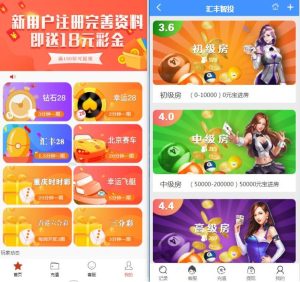
The client is the highlight. Product displays are built as a 3D scene—users walk in as if browsing a virtual showroom, and clicking a product brings up details and a purchase entry. The rendering uses Unity-exported assets, and loading was faster than I expected, with the first screen coming in at just over 2 seconds. The Simplified and Traditional versions are packaged independently, so be careful not to mix up the asset directories when switching—I got a blank screen for half a day the first time because of a wrong path.
Store and Task Modules
The store part supports the usual product listing, categories, and shopping cart. What’s more interesting is the task system—users earn points by completing tasks like daily check-ins, sharing, or visiting designated pages, and those points can be redeemed for virtual perks in a points store. This logic works really well for e-commerce marketing campaigns, for example running a “browse + favorite” task that hands out coupons during a new product launch.
Membership Perks and Admin Backend
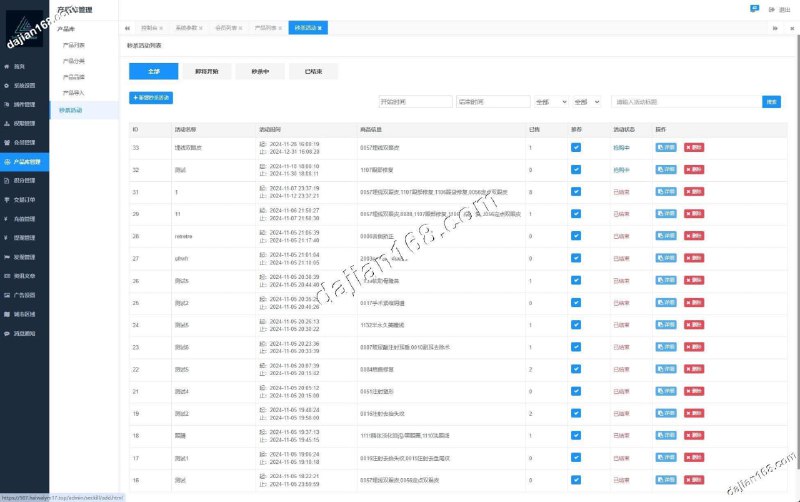
The backend supports monthly membership plans; subscribers get exclusive discounts and priority customer support, all configurable from the admin panel. There’s also a small balance top-up mechanism: when a user’s account balance runs low, they can claim a small demo credit to walk through the purchase flow. My suggestion is to rename it to “new user trial voucher” during customization—the wording is clearer and it passes review more easily.

Deployment Essentials: Environment, Parameters, and Pitfalls
Environment Requirements
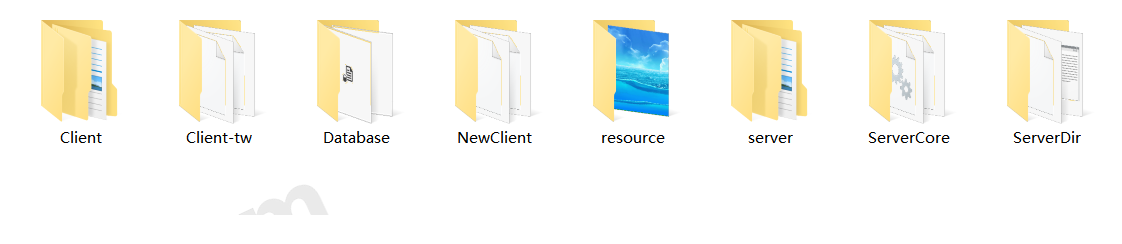
My setup: CentOS 7.9 + Nginx 1.22 + PHP 7.4 + MySQL 5.7, plus a separate 2-core 4GB box serving the client assets. Make sure to enable the fileinfo and redis PHP extensions, or the installation wizard will throw an error at step two. When importing the database, choose utf8mb4 as the charset—otherwise Traditional Chinese fields will show garbled text. I learned that the hard way.
Payment Gateway Integration
The source code includes a payment gateway abstraction layer, with an aggregated payment channel wired in by default. My recommendation is to swap it for the official WeChat Pay and Alipay APIs. The changes are concentrated in three class files under the pay directory, and the callback signature verification logic is well written, so the replacement cost is low. Remember to set the callback URL to a publicly accessible domain in your test environment—local debugging will never receive the notify request.
Multi-language Implementation
The Simplified/Traditional switch isn’t simple character conversion. Two separate language packs live in the lang directory, with variable placeholders in the frontend templates. To add a new language, copy a language pack directory and register it in the backend under “System Settings – Language Management.” Note that the text inside the client’s 3D scene lives in a separate configuration JSON—don’t forget to update it.
Highlight: the entire UI is fully open—PSD source files are all included, so changing theme colors and banners requires no code edits. Customization friendliness is above average among similar e-commerce source packages.
Who This Is For
Three groups will find this worthwhile: teams building cross-border or overseas multi-language stores, since the dual Simplified/Traditional versions eliminate localization work; web agencies wanting to offer clients a differentiated “3D showcase + marketing tasks” solution; and developers studying e-commerce architecture—the membership system, payment abstraction layer, and task engine are all cleanly layered, making it valuable as learning material.
Who it’s not for: if you just want a lightweight small shop, this system’s deployment cost is on the high side, with demanding server and ops requirements. A standard WordPress theme would be far less hassle.
FAQ
Q: What’s the minimum server spec to run this?
A: In my testing, 2 cores / 4GB RAM with 5M bandwidth handled the backend and a low-traffic client. For higher concurrency, start at 4 cores / 8GB, and serving 3D assets through a CDN gives the best results.
Q: Can it be customized? Is the code obfuscated?
A: All core business code is open and unencrypted, with complete PSD files and 3D assets included. I’ve modified the task reward rules and payment classes myself—the structure is clear and the change cost is manageable.
Q: Are the Simplified and Traditional versions two separate systems?
A: They’re two independently packaged clients sharing the same backend logic. I recommend deploying them in separate subdirectories; the database schemas are identical, which makes managing product data in one place easy.
Q: Are the points and trial credit features compliant?
A: These are marketing tools intended for product discounts and campaign operations. After deployment, you should comply with applicable laws and regulations and avoid any unlawful use—just apply the features to normal e-commerce promotion scenarios.
Overall, my impression of this source package is “heavy but complete.” Deployment took me about two days, half of which went into tuning payment callbacks and multi-language asset paths. If you need a store system with 3D showcase capability, Simplified/Traditional bilingual support, and a full marketing toolkit, try it with the parameters above—and feel free to share questions in the comments.
Disclaimer: This article is for technical education and demonstration only. It is not professional or financial advice. Any real-world deployment must comply with applicable laws and regulations.
#e-commerce source code #deployment notes #multi-language #payment integration #customization
-
 Alipay QR Code Scan
-
 WeChat Scan Pay