Distributed Node Hosting Simulation Platform Setup: Multi-Language FastAdmin Framework Deployment Guide
Distributed Node Hosting Simulation Platform Setup: Multi-Language FastAdmin Framework Deployment Guide
Disclaimer: This guide is provided for technical education and demonstration purposes only. It is not investment advice, financial advice, or an offer to operate a real investment platform. Any live deployment involving user funds, virtual currency, or financial services requires legal review, proper licensing, and full compliance with local laws and regulations. No returns, profits, or operational success are guaranteed. All reward numbers, payment flows, and referral tiers described here are simulated examples for learning purposes.
Three weeks ago, I helped an overseas technology team deploy a distributed node hosting simulation platform. They wanted the frontend and backend fully in English, with a multi-language switching interface reserved on the frontend for future localization. From receiving the source code to getting a test environment online, the entire project took about ten days on and off. I hit a few configuration and scheduling pitfalls along the way, and this article documents the full process so other developers can avoid the same traps.
1. System Feature Overview
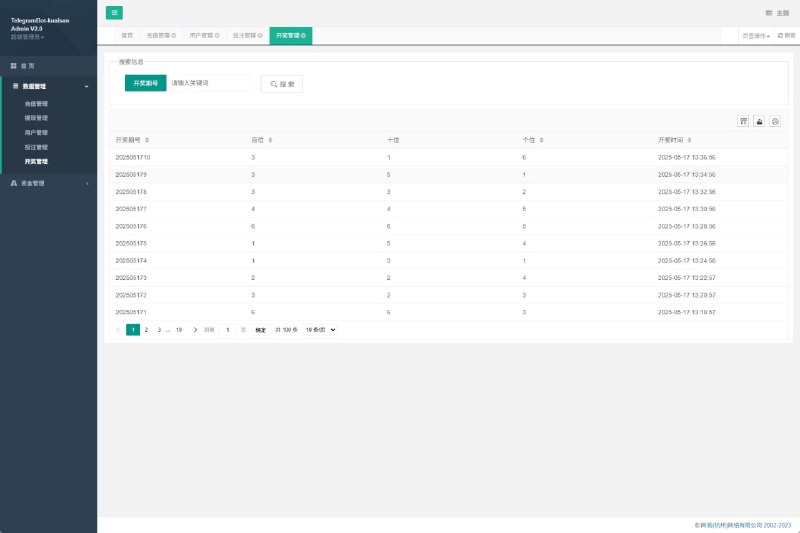
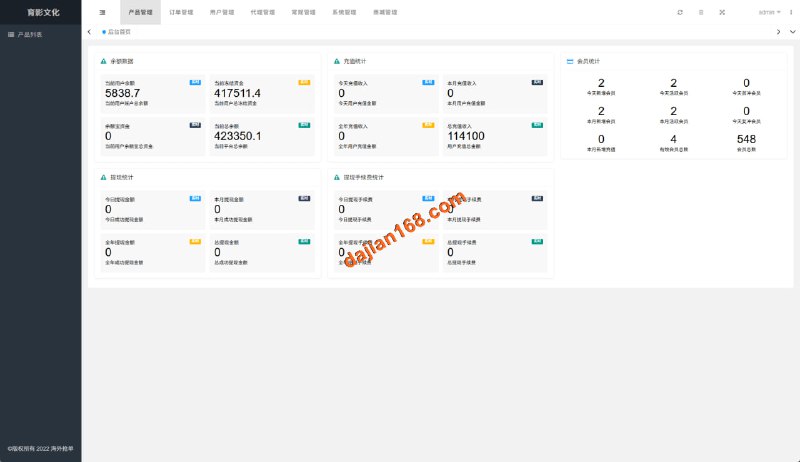
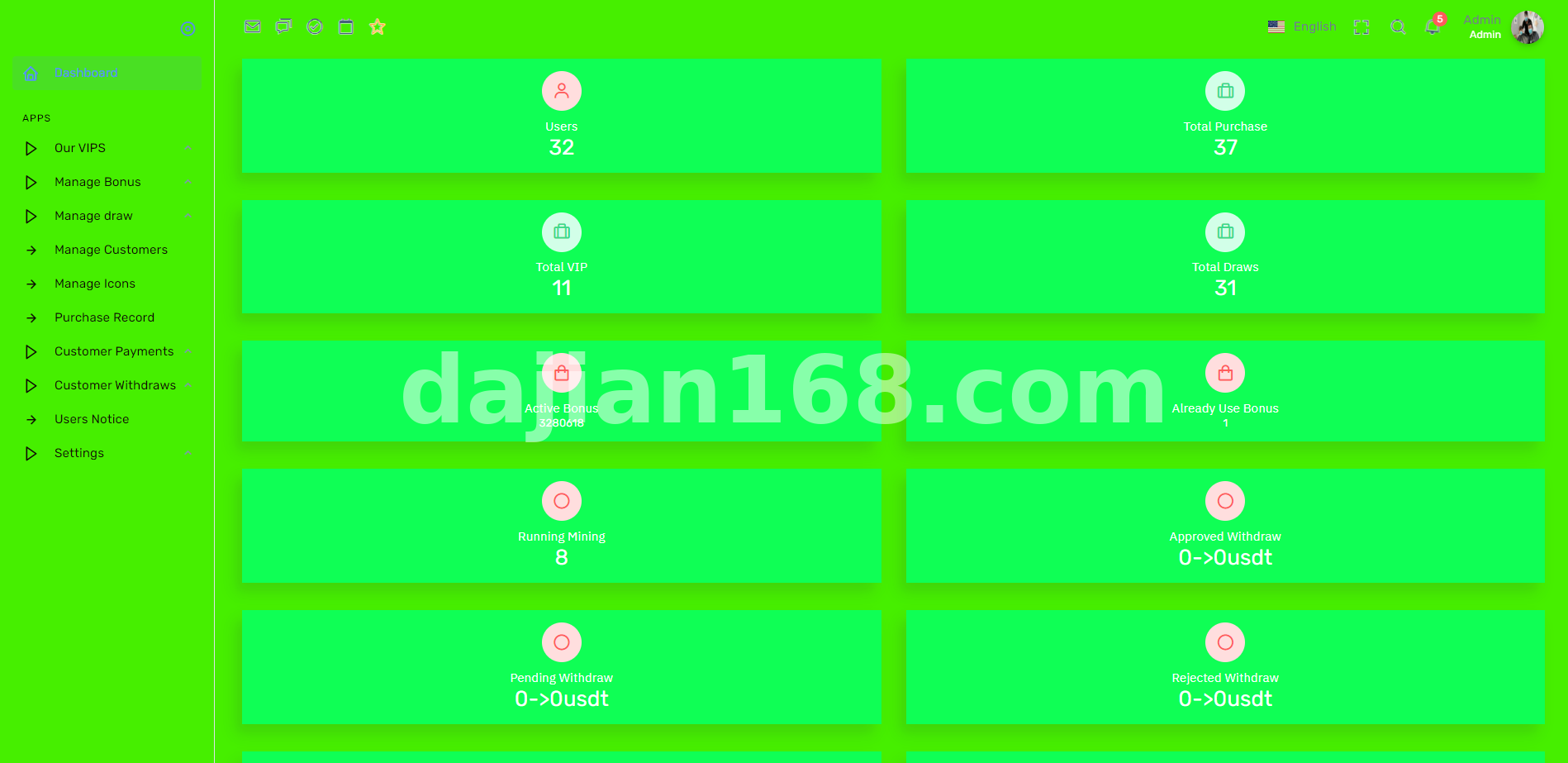
This platform is essentially a FastAdmin/ThinkPHP backend paired with a separated frontend, designed as a teaching/demo environment for node hosting, simulated reward distribution, and multi-language admin tooling. The main functional modules include:
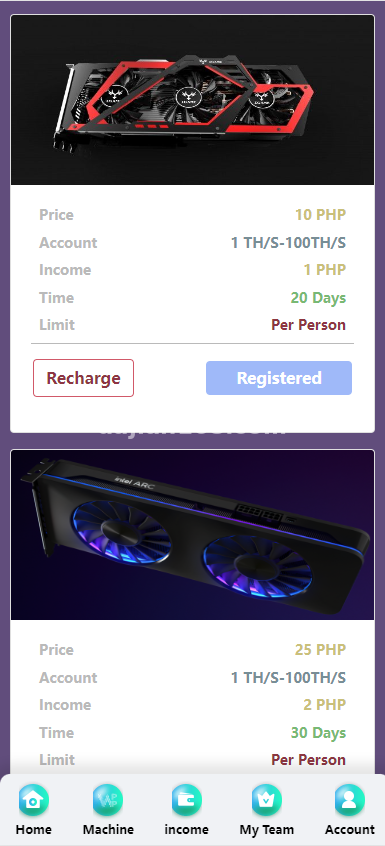
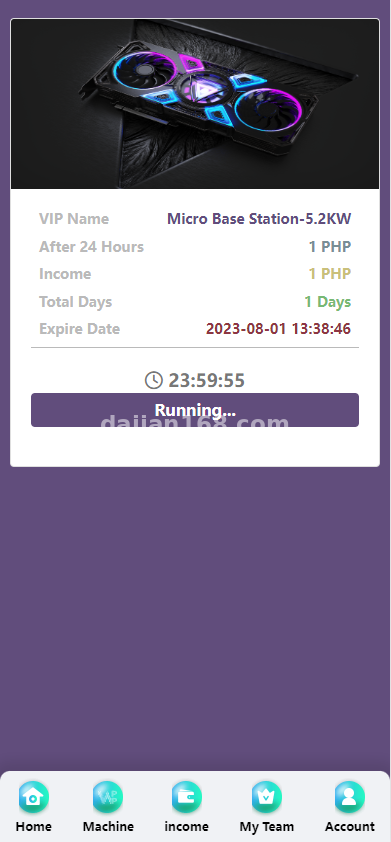
- Node Tier Subscription: Users can choose different node tiers to subscribe to. Each tier corresponds to different simulated resource values, daily reward point settings, and subscription cycles.
- Mock Liquidity Pool Demo: Idle demo balances can be placed into a simulated liquidity pool module. Reward points are calculated on a demo basis, and users can move demo funds in and out for testing purposes.
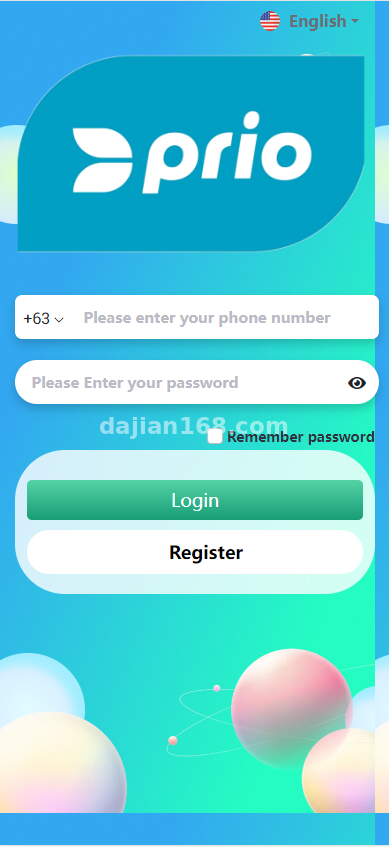
- Multi-Language Frontend and Backend: The system defaults to English, but both frontend and backend have reserved language pack interfaces. Switching languages only requires replacing JSON files.
- Virtual Currency Demo Integration: The demo includes USDT-TRC20 deposit and withdrawal examples on a testnet basis, showing how a separated frontend can integrate with an on-chain monitoring callback.
- Referral Tier Demo: A multi-level referral demo model. When a downline subscribes to a node tier, the upline can obtain direct and indirect referral credits in the simulation.
- Reward Visualization: The user dashboard has simulated reward charts, showing node activity and cumulative reward points by day, week, and month.
2. Pre-Deployment Preparation
Before deploying this demo platform, it is recommended to have the following items in place:
- Server Configuration: Recommended 4-core 8GB minimum. Because simulated reward point calculation and node activity statistics require scheduled tasks to run, CPU usage is higher than typical display websites.
- Environment Requirements: PHP 7.4+, MySQL 5.7+, Nginx 1.18+. Redis needs to be installed for caching simulated reward point data and session state.
- Domain and SSL: For a public-facing demo, use a standard .COM or .IO domain. HTTPS must be configured because authentication and payment-related data flows are involved in the demo.
- USDT Testnet Demo: Prepare TRC20 testnet addresses in advance. The system has a built-in wallet address management module, and all on-chain transactions should be limited to testnet or sandbox environments.
- Email Service: Registration verification and system notification emails require an email push provider. SendGrid or Mailgun are common choices for demo setups.
- Scheduled Tasks: Crontab should be configured to run the simulated reward point calculation script every minute. This is the core background logic of the demo.
3. Common Issues and Troubleshooting Records
3.1 Simulated Reward Points Showing Negative Values
During initial testing, users reported that simulated reward points were showing negative values. Investigation revealed a timezone configuration issue. The server used UTC time, but test users were distributed across Southeast Asia and North America. Reward calculation settled by server time, causing cross-day data confusion. After unifying PHP timezone to Asia/Shanghai and standardizing database time field formats, the issue was resolved.
3.2 White Screen After Language Switch
After clicking the language switch button, the frontend went completely white. Checking the browser console showed that the language JSON file was loading 404. It turned out the language files were stored at path /lang/en.json, but Nginx was not configured to allow static file access to that directory. Adding a location block in the Nginx configuration to allow access to files under the /lang/ directory resolved the issue.
3.3 Demo USDT Deposits Not Appearing
During testnet testing, demo USDT was sent to the platform address, but the user demo balance did not increase. Investigation found that the blockchain monitoring script was not running. The system relies on a Node.js script to monitor on-chain transactions. After confirmation, it calls back to the PHP interface. Hosting this script with PM2 and setting it to auto-start on boot prevented similar issues from recurring.
3.4 Scheduled Tasks Causing Server CPU to Max Out
The simulated reward point calculation script runs every minute. After test user volume increased, server CPU spiked to 100%. The optimization solution was to change the calculation logic to incremental mode: only calculate newly added subscription records since the last run, instead of doing a full recalculation every time. After the change, CPU usage dropped below 15%.
4. Customization and Extension Options
If the base demo features still do not meet your learning requirements, you can extend the platform in these directions:
- Connect to Real Node Monitoring APIs: Currently, simulated activity values are fixed demo settings. You can connect to real node uptime or workload APIs and map those metrics into the simulation for educational testing.
- Add Staking Demo: On top of node tier subscriptions, add a feature where users stake demo tokens to obtain additional simulated reward points.
- APP Packaging: The frontend is written with UniApp. Packaging it into Android and iOS demo installers with HBuilderX takes about half a day.
- Add NFT Node Certificates: Turn node tiers into NFT certificates for demo purposes. After subscription, users receive on-chain NFT certificates that can be transferred or traded in a testnet environment.
- Connect to DeFi Protocol Examples: Simulated user reward points can be integrated with DeFi protocol examples like Compound or Aave on testnet to demonstrate automated interest calculation.
5. FAQ Frequently Asked Questions
Q1: Is this platform a real investment product?
A: No. This is a technical demonstration and education platform built on FastAdmin/ThinkPHP. All node tiers, reward points, and referral tiers are simulated. There are no real returns, no guaranteed income, and no actual financial contract between users and the platform operator.
Q2: Which virtual currencies are used in the demo?
A: The demo defaults to USDT-TRC20 on a testnet or sandbox basis. If you want to demonstrate BTC, ETH, or other tokens, you need to add corresponding testnet monitoring addresses and contract addresses in the backend “Payment Configuration.” Each token requires a separate monitoring script, and the development work is typically 1-2 days per token.
Q3: Can the simulated reward point values be customized?
A: Yes. In the backend “Node Tier Management,” you can modify the daily simulated reward points, running cycle, and other parameters for each tier. After modification, new test subscribers follow the new rules, while existing subscribers can continue under the previous rules or be reset manually. It is recommended not to change parameters for tiers that already have active test users, because that can cause confusion during QA.
Q4: Can the system handle large user volumes?
A: In demo testing, a 4-core 8GB server handled 5,000 registered test users and 200 concurrent online users with normal response speed. If the simulation exceeds 10,000 users, it is recommended to separate database read and write operations, deploy Redis separately, and use CDN for image acceleration. The simulated reward point calculation script can be changed to a queue mode, using RabbitMQ or Redis List for peak shaving.
Q5: What legal steps are required before launching a live platform?
A: Any live platform involving user funds, virtual currency, or financial services must obtain appropriate licenses from local financial and regulatory authorities. You must add clear risk disclosures, terms of service, and privacy policies. This guide does not replace legal advice, and you should consult qualified legal counsel before operating any production system.
Disclaimer: This guide is provided for technical education and demonstration purposes only. It is not investment advice, financial advice, or an offer to operate a real investment platform. Any live deployment involving user funds, virtual currency, or financial services requires legal review, proper licensing, and full compliance with local laws and regulations. No returns, profits, or operational success are guaranteed. All reward numbers, payment flows, and referral tiers described here are simulated examples for learning purposes.
#Distributed Node Simulation #FastAdmin Deployment #Node Hosting Demo #Multi-Language Admin Platform #ThinkPHP Backend
-
 Alipay QR Code Scan
-
 WeChat Scan Pay