850 Arcade Dual-Platform System Setup Guide: Board Game Demo Platform Deployment Notes and Pitfalls
850 Arcade Dual-Platform System Setup Guide: Board Game Demo Platform Deployment Notes and Pitfalls
Disclaimer: This article is for technical education and demonstration only. It is not professional or financial advice. Any real-world deployment must comply with applicable laws and regulations.
I recently helped a client deploy an 850 Dubai arcade-style dual-platform system. The client’s positioning was a board game simulation and arcade demo platform, built as a fully compliant technical demo. After getting the full source code, I spent three days getting it running, and hit quite a few pitfalls along the way. This post lays out the whole process honestly, so anyone else setting this up can save some time.

Feature Testing: What Both Platforms Include
The source code claims to cover both platforms, and after digging in, that’s accurate. The admin backend is a standard B/S architecture accessed directly through a browser; the user side is an H5 wrapper that runs right in a mobile browser with no separate app install needed.
Admin Backend Experience
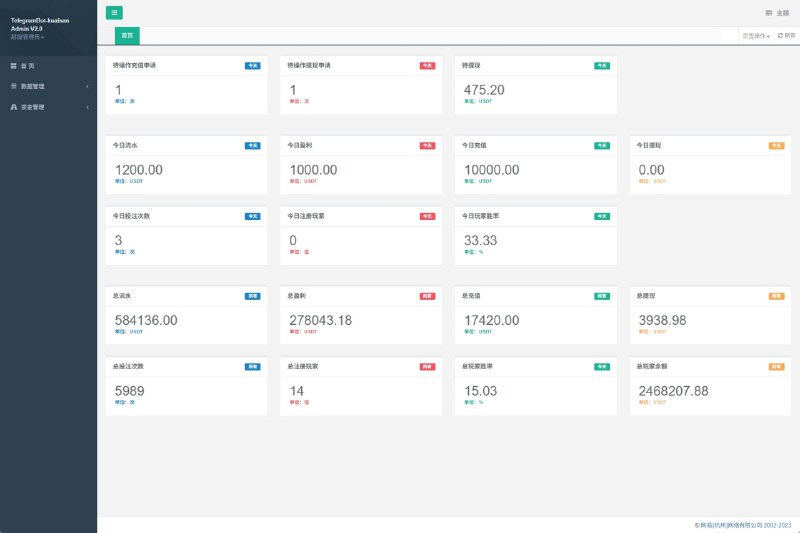
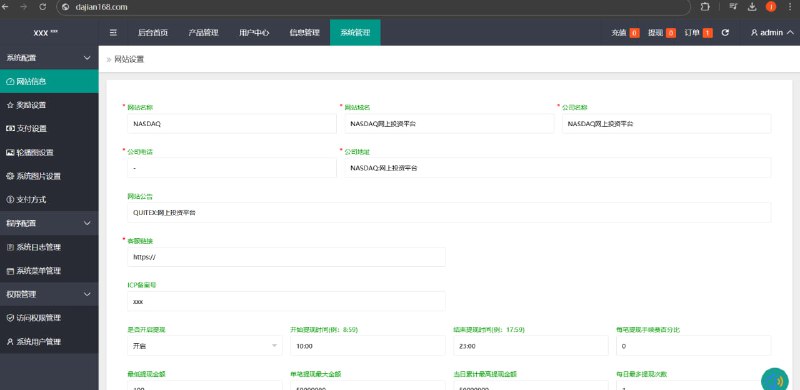
The backend is fairly complete: user management, coin transaction logs, game room configuration, announcement push, and more. A few things I focused on:
First, room parameter configuration — each board game room’s base score, player cap, and session duration can be set individually, and changes take effect immediately without restarting the service. Second, transaction reports — Excel export works fine, but with large datasets (hundreds of thousands of rows) queries get slow. I recommend adding a time-based index to the transaction table; after I added one, query time dropped from over ten seconds to under one second.
H5 User Side Experience
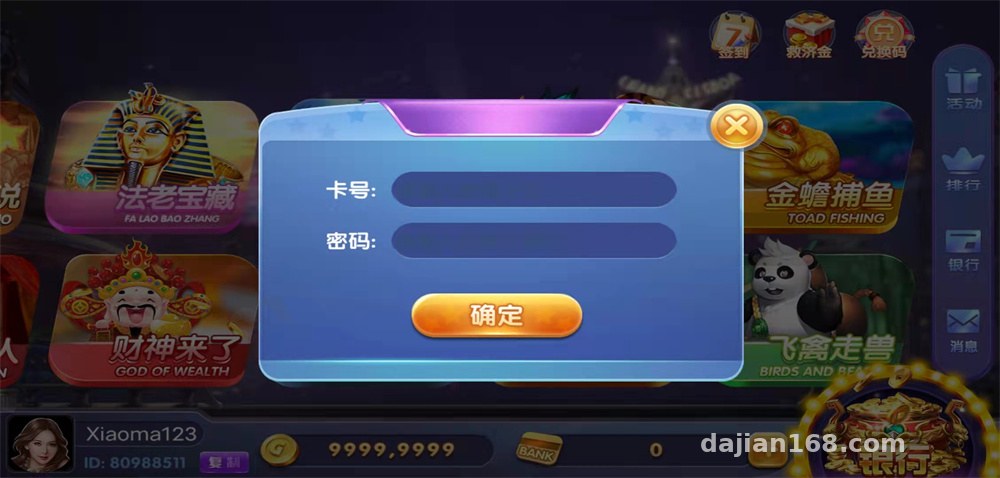
The H5 side loads reasonably fast — homepage assets are compressed, first screen comes in around 1.5 seconds. The games are probability simulation and random-number demo modes, purely technical demo in nature, with clear simulation notices on the interface. That part is handled quite properly.

Deployment Essentials: Environment and Parameters
The program isn’t too picky about environment, but there are a few hard requirements:
Server specs: Start with at least 2 cores and 4GB RAM, 5M+ bandwidth. I initially tested on 1 core / 2GB and it lagged with just three rooms open; switching to 4GB made everything smooth.
Runtime environment: PHP 7.4 + MySQL 5.7 + Redis, with Nginx as reverse proxy. Note that PHP needs the swoole extension — the game’s persistent connections depend on it. Without it, the WebSocket handshake fails outright, and I burned two hours on that.
Payment interface: The system reserves a standard aggregated payment interface reel simulation; when integrating, you just change the callback URL and keys in the config. For a demo environment, I suggest disabling the payment module entirely and using the backend’s simulated top-up feature to test the flow, avoiding unnecessary risk.
Multi-language: Built-in Chinese/English switching, with language packs in the lang directory. To add Arabic, just supply the corresponding JSON file — the field structure is already in place.

Highlight: All room configuration in this source code is handled visually through the backend, no code touching required. Client operations staff can adjust parameters and add rooms after half an hour of training; secondary development effort mainly goes into front-end UI polish.
Secondary Development and Security Hardening
After years of doing deployments, my habit is to do three things first with any source code: change the default backend path, change the database table prefix, and do a global search for backdoor keywords. This codebase is reasonably clean — proper MVC layering, no encrypted dongles or license locks found. I’d give it an 8/10 for secondary-development friendliness.
The front end is written in uni-app; to reskin, just change the theme colors and banner images — not much work. If you want to add new board game modes, the server-side game logic lives in a separate module directory. There’s no API documentation, but the code comments are fairly complete, so reading the code gets you most of the way there.
Security recommendations: set a Redis password, block external network access to the database, and add an IP whitelist to the backend. With those three done, most common scanning attacks are blocked.
Who This Suits
This suits teams building board game simulation or arcade technical demo platforms, or anyone wanting to study dual-platform architecture and persistent-connection game servers as a learning exercise. If you’re a complete beginner hoping for a one-click site launch, you’ll still need someone who knows PHP to help — the swoole hurdle is hard to clear alone.
FAQ
Q: Can it run without the swoole environment?
A: No. The game side’s persistent connections depend heavily on swoole. If you can’t install it, switch to the matching PHP version in BaoTa’s extension store and install it from there.
Q: What are the two platforms exactly?
A: Admin backend (web) + user H5 side. There’s no native app package; you can wrap the H5 yourself if needed.
Q: Will it lag with large data volumes?
A: Partition the transaction and user tables or add indexes in advance. In my testing, queries on 500,000 rows returned instantly after indexing.
Q: Can I integrate my own payment channel?
A: The interface reel simulation is standard — just modify the signing method and callback per the docs. For demo environments, keep payments disabled and test with simulated top-ups.
One final reminder: this program is for technical learning and lawful demonstration only. When deploying and using it, comply with all applicable laws and regulations, and never use it for any unlawful purpose.
Disclaimer: This article is for technical education and demonstration only. It is not professional or financial advice. Any real-world deployment must comply with applicable laws and regulations.
#Source Code Setup #Deployment Notes #Dual-Platform System #Board Game Simulation #Secondary Development
-
 Alipay QR Code Scan
-
 WeChat Scan Pay