PHP Board Game Demo Platform Source Code Setup: Points System and Mersenne Twister Random Number Algorithm Explained
PHP Board Game Demo Platform Source Code Setup: Points System and Mersenne Twister Random Number Algorithm Explained
Disclaimer: This article is for technical education and demonstration only. It is not professional or financial advice. Any real-world deployment must comply with applicable laws and regulations.
Last month I took on a project where the client wanted a casual board game demo platform for offline engagement demos, specifically asking for an integrated source code package with “one admin panel managing every module.” I picked a PHP-based multi-module system, stress-tested it locally for a week, and delivered it yesterday. This build log covers feature testing, deployment pitfalls, and secondary development ideas — a reference for webmasters considering a similar setup.
1. Hands-On Testing: What the Admin Panel Actually Manages
The system follows a typical “platform + plugin” architecture. The frontend is packaged with uni-app, the backend runs on the ThinkPHP framework, and every module is an independent unit that can be toggled on or off from the admin panel with one click. Here’s what I found after breaking down the core modules:
Gameplay Module List
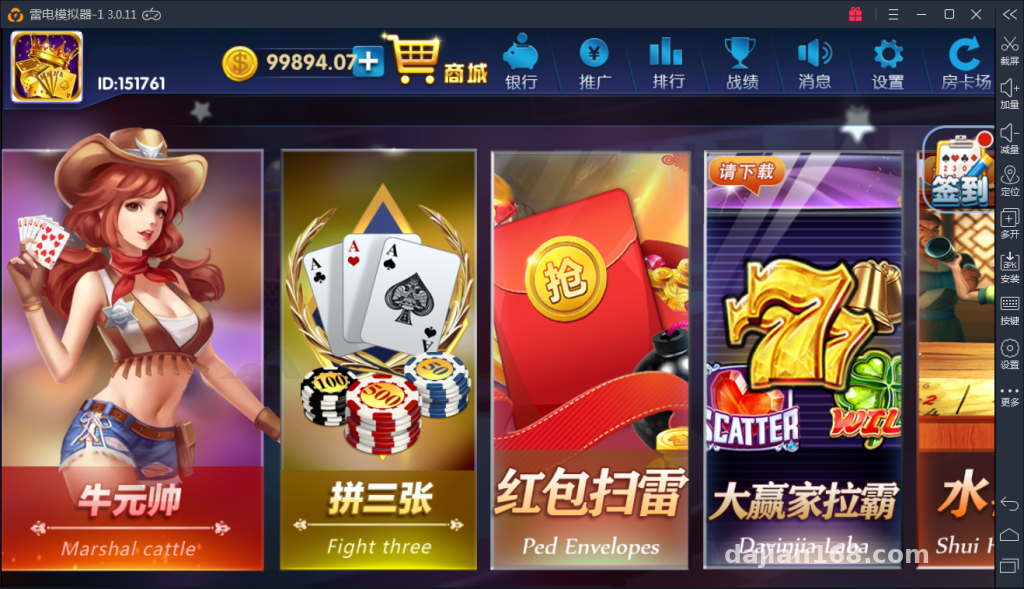
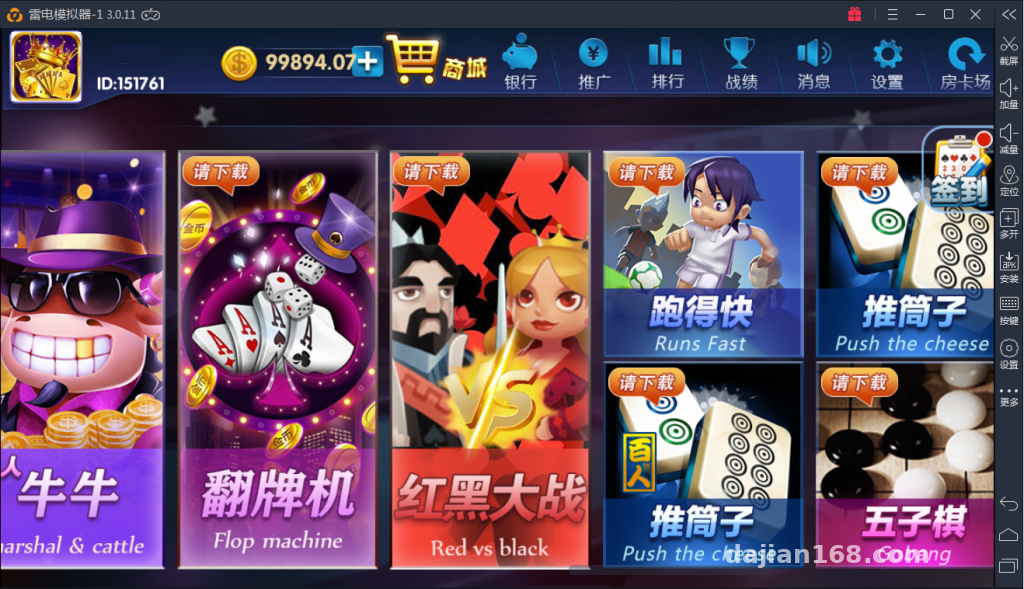
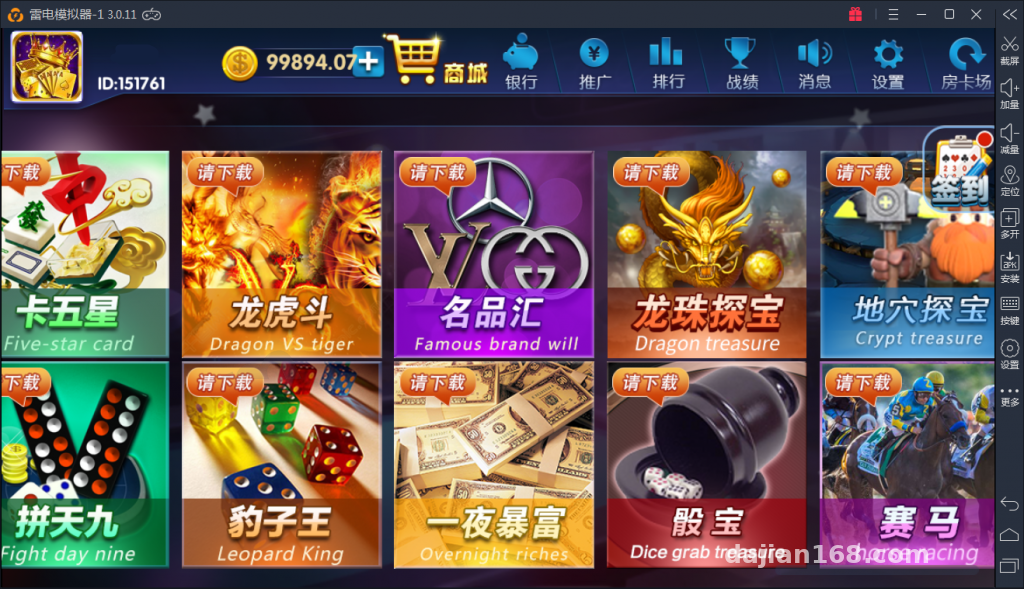
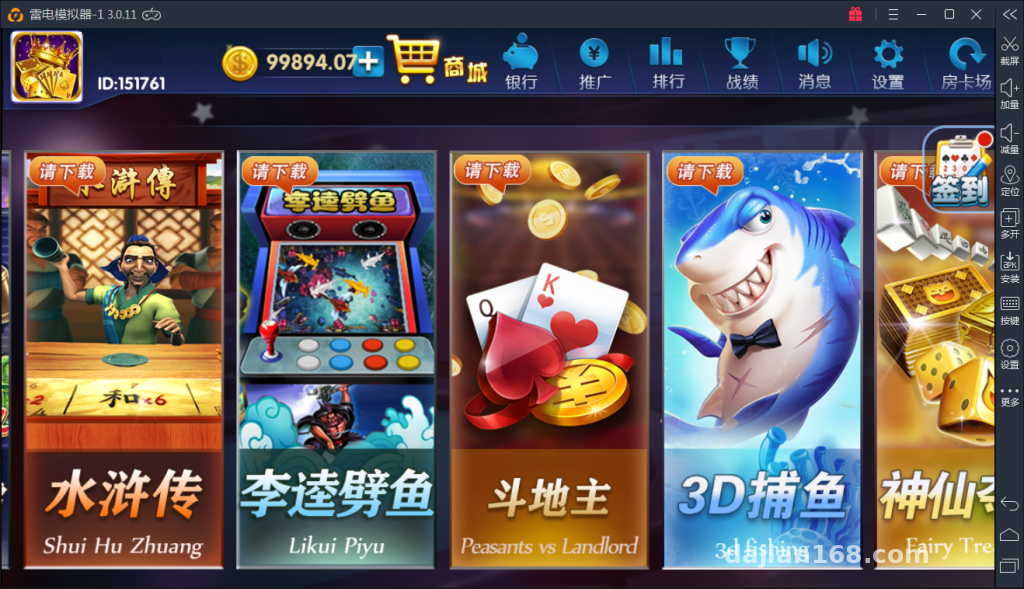
The board game category includes Gomoku and a Rummy-style card matching game; the casual category includes memory flip cards, bubble elimination, and a dungeon treasure-hunt themed level game; the probability simulation category includes dice roll simulation, odd/even number guessing, red/black card flips, and a lucky wheel — all built on the Mersenne Twister random number algorithm, with configurable probability weights in the admin panel. There are also a horse-racing themed runner and a dragon ball treasure-hunt style elimination game — roughly twenty modules in total, enough to support a mid-sized demo site.
Dual Currency: Points and Room Passes
This is the smartest design decision in my opinion. The platform doesn’t rely on a single currency: points are used for daily match consumption and leaderboard rewards, while room passes are a separate item used to unlock multiplayer rooms. The exchange rate between them is adjustable in the admin panel, and distribution runs through an independent log table — every change leaves a trace, which makes financial reconciliation painless. I set up point acquisition as task distribution: check-ins, shares, and completing daily matches all earn points. User retention is noticeably healthier than a pure top-up model.
2. Deployment Environment and Pitfalls
Base Environment Configuration
For the server I went with CentOS 7.9 + Nginx 1.20 + PHP 7.4 + MySQL 5.7. The PHP extensions redis and swoole are mandatory, since the framework queue depends on them. The source package ships with ready-made Nginx rewrite rules, but there’s a catch: if the site is installed in a subdirectory, you have to manually add the prefix to the rewrite path in the location block, or every API endpoint returns 404. I lost forty minutes on this.
The Sandbox Callback Pitfall
The source code ships with encapsulated gateway classes for WeChat Pay and Alipay, using standard merchant interfaces for testing. During sandbox testing, the callback kept failing signature verification. The logs revealed a timezone issue — the server was on UTC, and the callback timestamp differed from local time by 8 hours, so verification was rejected outright. There are two fixes: set date.timezone to Asia/Shanghai in php.ini, or normalize everything to gmttime inside the verification code. I chose the former — done once, fixed forever. I also strongly recommend adding an IP allowlist to the callback endpoint; it’s disabled by default in the source code, so I added a one-line check myself.
Highlight: the random number module in this source code is an independent Composer package, with a scheduled task refreshing the seed every minute. When building probability simulation games, never touch the seed logic to make certain outcomes appear more often — fairness and integrity are the lifeline of this kind of platform.
3. Admin Controls and Secondary Development Potential
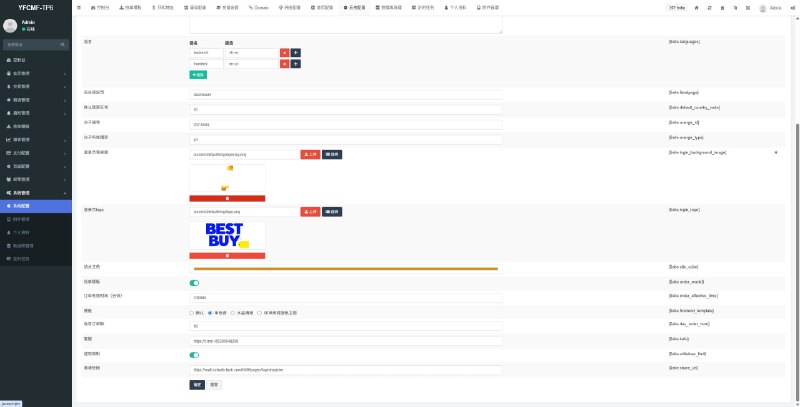
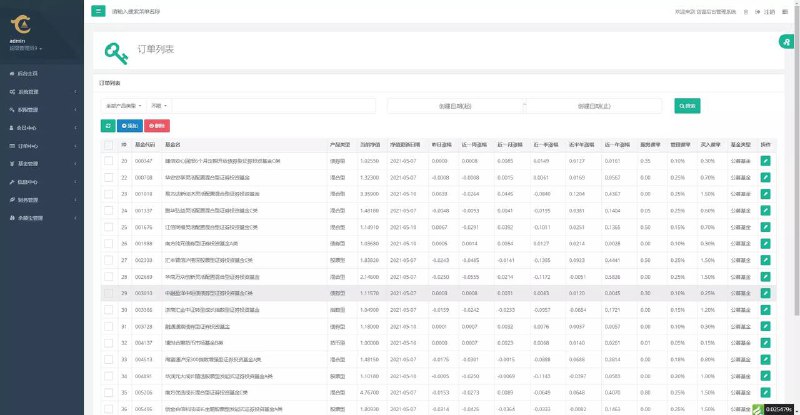
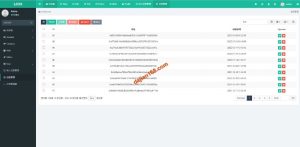
The admin panel is more complete than I expected: membership tiers, points transaction logs, room pass inventory, gameplay weight configuration, announcement carousels, multi-language switching (English and Chinese by default, with language packs as independent JSON files — adding a language is just copying and translating one file), and a data dashboard. Permissions follow an RBAC model, so operations, support, and finance staff log in with separate accounts, each doing their own job.
As for secondary development: the frontend is uni-app, so UI changes just need recompiling in HBuilderX; the backend exposes RESTful-style APIs, and I added a few custom endpoints for member check-ins in about half an hour. The database schema is well-organized with full comments, so the learning curve for new developers is low.
4. Who Benefits Most
In my view, three groups get the most value: first, board game cafés doing offline promotion, using the platform as a member points system; second, training institutions running teaching demos — the random number algorithm and points economy are ready-made case studies; third, freelancers taking outsourced projects — when a client asks for a “multi-game integrated platform,” this package can be reskinned and delivered quickly.
One last reminder: this article is for technical education only. Please comply with applicable laws and regulations, and review your local regulatory requirements before deploying anything to production.
Frequently Asked Questions
Q: Does this source code demand high server specs?
A: Not at all. A 2-core, 4 GB instance with 5 Mbps bandwidth can handle a thousand concurrent users, since the gameplay modules are all lightweight APIs. What actually consumes resources is the real-time statistics on the data dashboard — I’d recommend moving scheduled tasks to a separate machine, or using read/write splitting with a cloud database.
Q: Can the random number algorithm be swapped for a true randomness source?
A: Yes. The random number package exposes a unified entry point — just replace Mersenne Twister with random_bytes or plug in a hardware random source by modifying a single adapter class. But keep the seed refresh interval at no less than once per minute, or users will start spotting patterns.
Q: Does multi-language switching hurt SEO?
A: By default the source code switches languages on the frontend while the URL stays unchanged, which search engines don’t love. My approach: generate static snapshot pages per language, pair them with hreflang tags, and submit them to search engines so each version earns its own ranking weight.
Q: Can the platform run as a pure demo without enabling the payment module?
A: Absolutely. Turn the payment switch off in the config file — points are then issued entirely through task distribution and daily check-ins, and the platform runs as a demonstration site. When you’re ready to enable payments later, the switch is right there in the configuration.
Disclaimer: This article is for technical education and demonstration only. It is not professional or financial advice. Any real-world deployment must comply with applicable laws and regulations.
#source code setup #deployment notes #points system #random number simulation #secondary development
-
 Alipay QR Code Scan
-
 WeChat Scan Pay