H5 Board Game Demo System Deployment Guide: ThinkPHP Backend + Room Ticket Mode Setup Notes
H5 Board Game Demo System Deployment Guide: ThinkPHP Backend + Room Ticket Mode Setup Notes
Disclaimer: This article is for technical education and demonstration only. It is not professional or financial advice. Any real-world deployment must comply with applicable laws and regulations.
I recently helped a client deploy an H5 board game demo system — the kind of WeChat H5 platform with a room ticket and point-flow mechanism. The source code is PHP + ThinkPHP, fully open source with no encryption. It took me an afternoon plus an evening to get it running, so I’m writing down the process to save myself from stepping on the same pitfalls later.
At its core, this is a probability simulation demo platform. The front end is an H5 page that opens directly in a mobile browser — no app installation needed. The backend can control feature expiry times, member management, and more, leaving plenty of room for secondary development.
Feature Testing: What This System Actually Offers
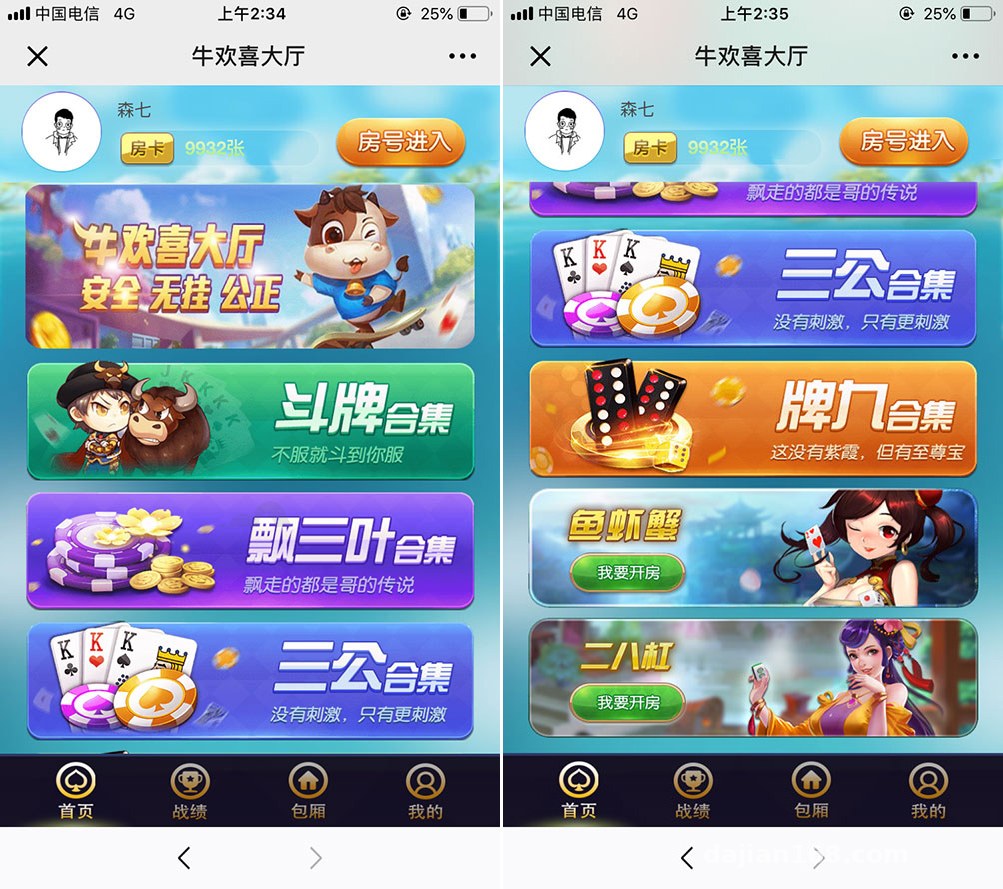
After deployment, I clicked through everything. The core features break down roughly like this:
1. Room Ticket Point-Flow Mode
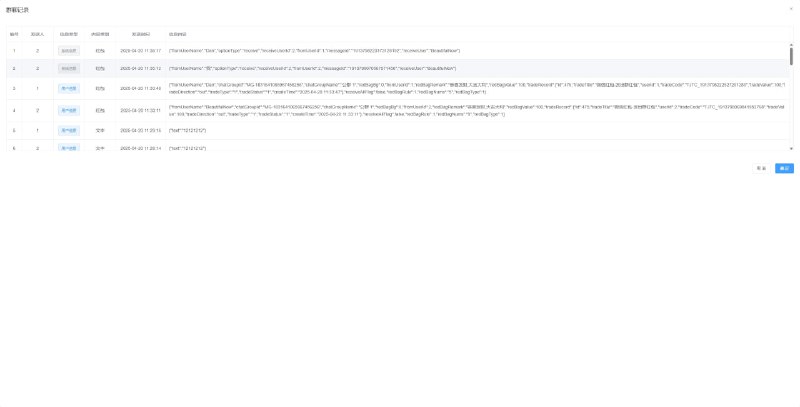
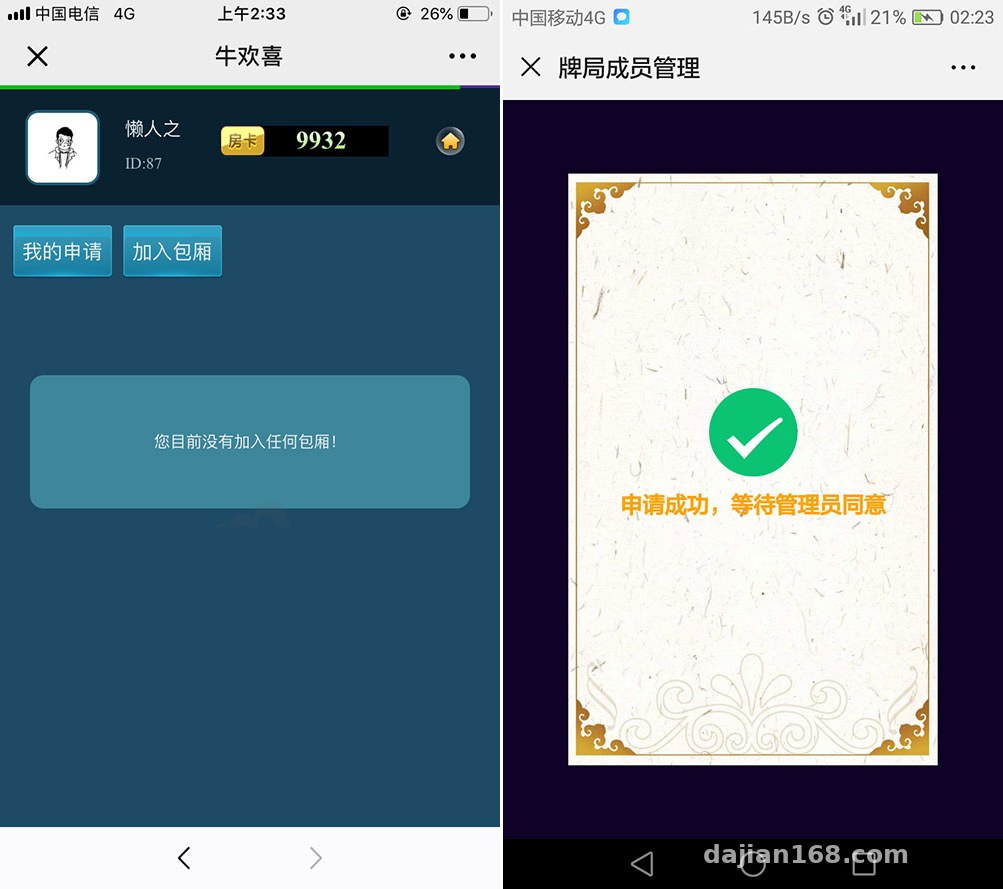
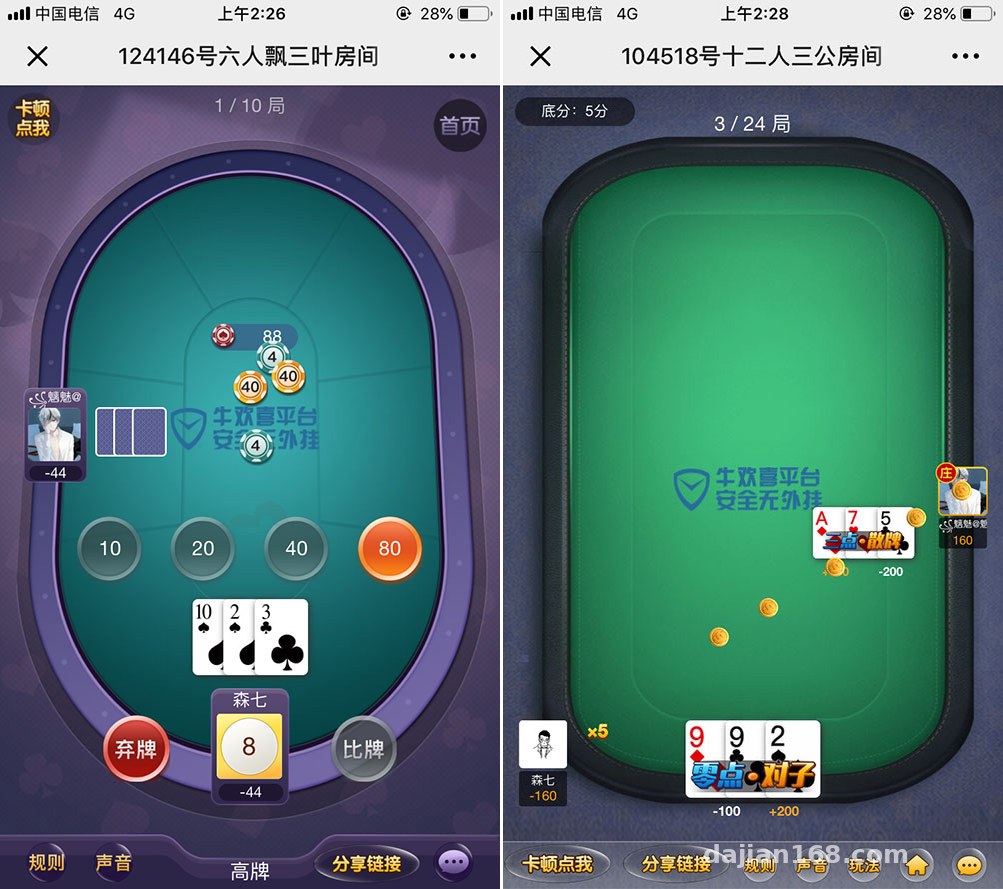
Members enter a room by consuming a room ticket, and point transfers run through an internal points circulation — in the demo environment it’s just simulated value changes. The backend lets you adjust member point balances and view transaction records. During testing I created a few dummy accounts to run through the flow, and all the data reconciled correctly.
2. Time-Based Feature Access Control
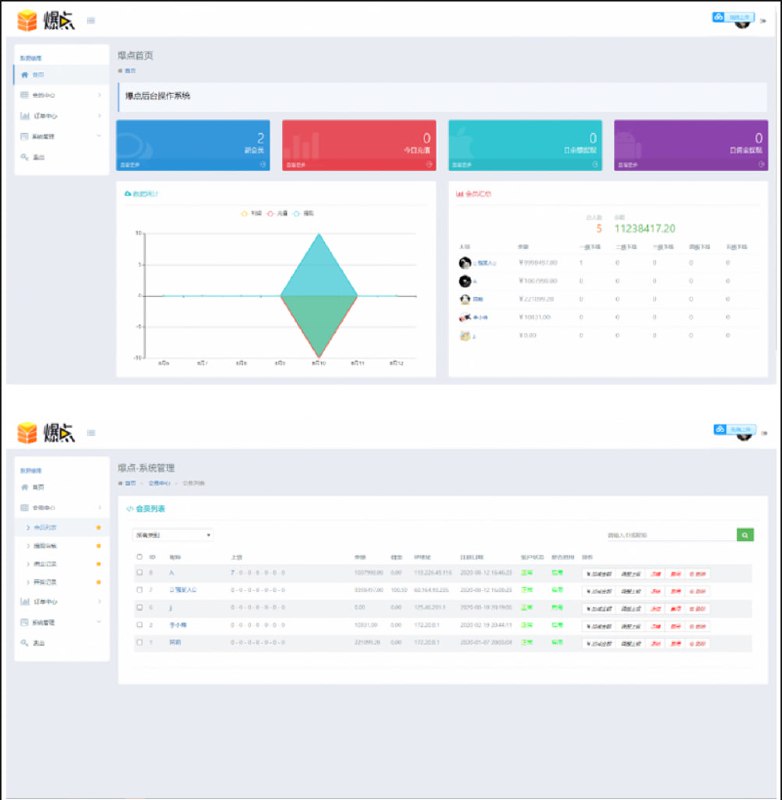
This design is quite interesting. The backend path is: Member Management → All Members → Edit, where you’ll find expiry time options for each feature. For example, to enable demo features like card-view simulation or win-rate statistics for a test account, you have to edit that account’s feature expiry time individually and pick a future date for it to take effect. I didn’t set this at first, so the front end stubbornly showed nothing — I assumed the code was broken and wasted half an hour going in circles.
3. Backend Admin Panel
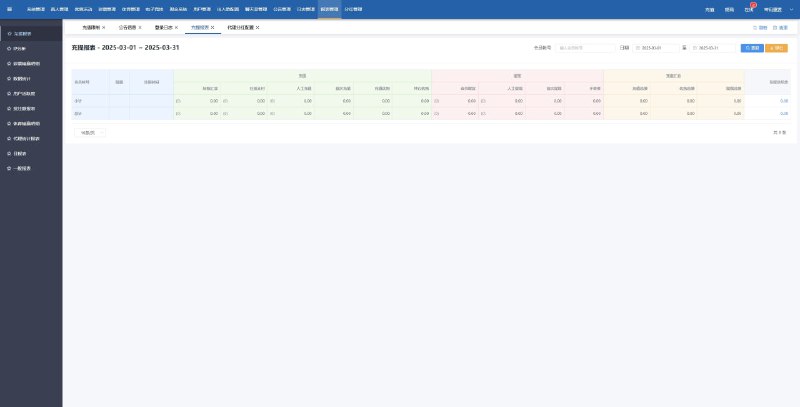
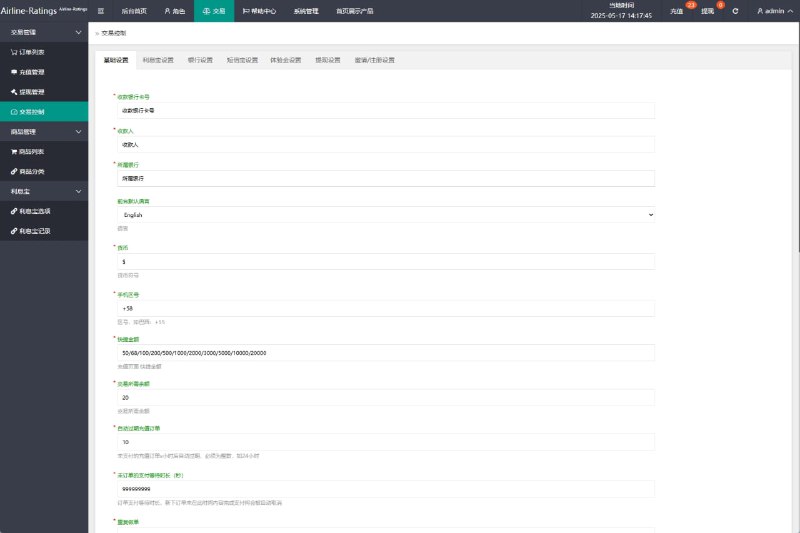
The admin panel is built with ThinkPHP, covering member CRUD, point adjustments, and feature toggles. The interface is old-school Bootstrap style — not pretty, but functional. The database structure is fairly clean, so adding a multi-language pack or swapping the theme for secondary development isn’t a huge workload.
Deployment Essentials: Five Things You Must Watch
The deployment docs that ship with the source are pretty thin, so here’s my own walkthrough based on experience:
Environment Preparation
I used the BaoTa panel + Nginx + PHP 7.x + MySQL. Put the source in the web root, but don’t rush to visit it — permissions need handling first. The docs say if you don’t know how, just chmod the whole root directory to 777. My advice: recursively set 777 on at least the runtime, uploads, and config directories, and keep everything else at 755 for better security.
Rewrite Rules Are the Biggest Pitfall
In BaoTa, pick the thinkphp rewrite template and the system generates the rules automatically — no hand-writing needed. On my first deployment I skipped this step, and every front-end route returned a 404. I even spent ages troubleshooting DNS. Remember: after setting the rewrite rules, restart Nginx.
Port Opening
This system involves quite a few ports — communication runs across the 1–60000 range. You need to open them in two places:
First, the cloud provider’s security group rules — add an inbound rule for 1/60000. Second, BaoTa’s security firewall — open 1:60000 there too. I missed the BaoTa layer, which caused the front-end page to hang at the connection stage: ping worked but data didn’t flow. Packet capture finally revealed the firewall was blocking it.
Database Import
The source package includes a SQL file. After importing, remember to update the database connection config, and don’t use default credentials — even in a demo environment, change them.
Highlight: this source code is open source with no encryption and no hidden backdoors. Every logic file can be viewed and modified directly. If you want to adapt it into a task distribution system or an e-commerce marketing campaign framework, just modify the routes and business models — the secondary development cost is manageable.
Who Should Study This
My recommendation is three groups of people:
First, developers who want to learn ThinkPHP project structure. The code layering is reasonably disciplined — the separation of controllers, models, and services works well as a teaching example.
Second, teams building H5 mini-game demo platforms. The room ticket + points circulation architecture can be reused directly with your own business logic swapped in.
Third, freelance site builders. When clients want this kind of WeChat H5 demo site, deployment difficulty is low — it’s mostly configuration details. Follow my checklist and you’ll usually get it right in one pass.

FAQ
Q: The card-view demo feature doesn’t respond on the front end after enabling it?
A: Nine times out of ten, the feature expiry time isn’t set. Go to the backend: Member Management → All Members → Edit, set the expiry time for the relevant feature to a future date, save, then refresh the front end.
Q: The page opens but keeps spinning while loading?
A: Check the ports. Both the cloud security group and the BaoTa firewall must allow the 1–60000 port range — missing either one causes this symptom.
Q: All front-end routes return 404 — how do I fix it?
A: The BaoTa rewrite rules weren’t set. In the site settings, choose the thinkphp rewrite template, apply it, then restart Nginx.
Q: Can it be adapted to other business scenarios?
A: Yes, the code is fully open source. Change the database table prefix, controller naming, and front-end templates, and it can fit scenarios like task distribution or a points mall. Just keep the existing permission system intact.
Disclaimer: This article only documents the technical deployment process. The system is intended solely for lawful feature demonstrations and learning research. Please comply with all applicable laws and regulations when using it, and never use it for any unlawful purposes.
Disclaimer: This article is for technical education and demonstration only. It is not professional or financial advice. Any real-world deployment must comply with applicable laws and regulations.
#H5 Source Code #ThinkPHP #BaoTa Deployment #Board Game Demo #System Setup
-
 Alipay QR Code Scan
-
 WeChat Scan Pay