Building a Short Video Live Streaming Platform: Multilingual Frontend and Content Aggregation System Deployment Notes
Building a Short Video Live Streaming Platform: Multilingual Frontend and Content Aggregation System Deployment Notes
Disclaimer: This article is for technical education and demonstration only. It is not professional or financial advice. Any real-world deployment must comply with applicable laws and regulations.
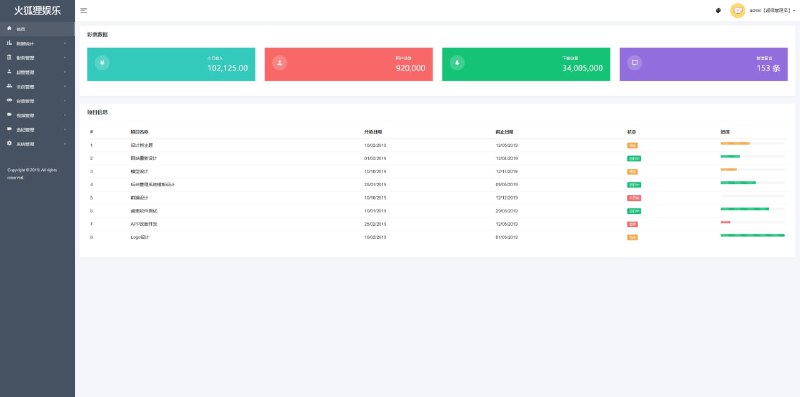
Recently deployed a short video live streaming platform for a client targeting overseas markets. The client had specific requirements: beyond standard live streaming and short video features, they wanted a probability simulation random number demo module (similar to random draw demo algorithm demonstrations), an all-in-one content aggregation interface, and backend control for fine-tuned recommendation weights. The system has been running for two weeks with a stable daily active user count of 3000+. I hit quite a few snags along the way, so here’s a summary of practical experience.
Core Features in Practice: More Than Just a Template Shell
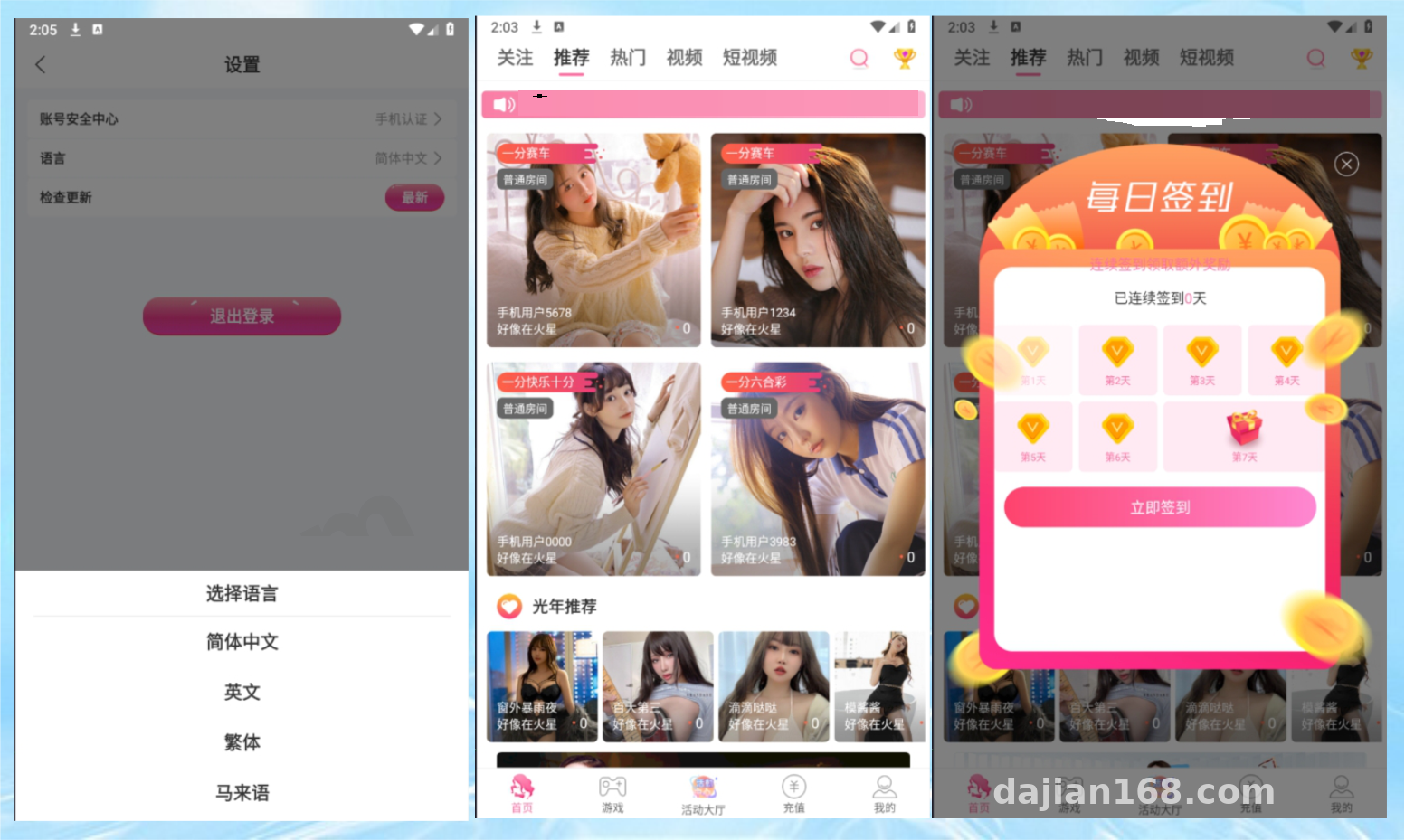
First thing after getting the source code was examining the architecture. Backend runs PHP 7.4 with MySQL, frontend is a Vue 3 SPA with multilingual switching support (five language packs configured: Chinese, English, Japanese, Korean, and Thai). The live streaming module integrates with third-party CDN streaming, with latency controlled around 2 seconds, which I’m pretty satisfied with.
Video Aggregation System: Auto-Crawling Mainstream Platforms
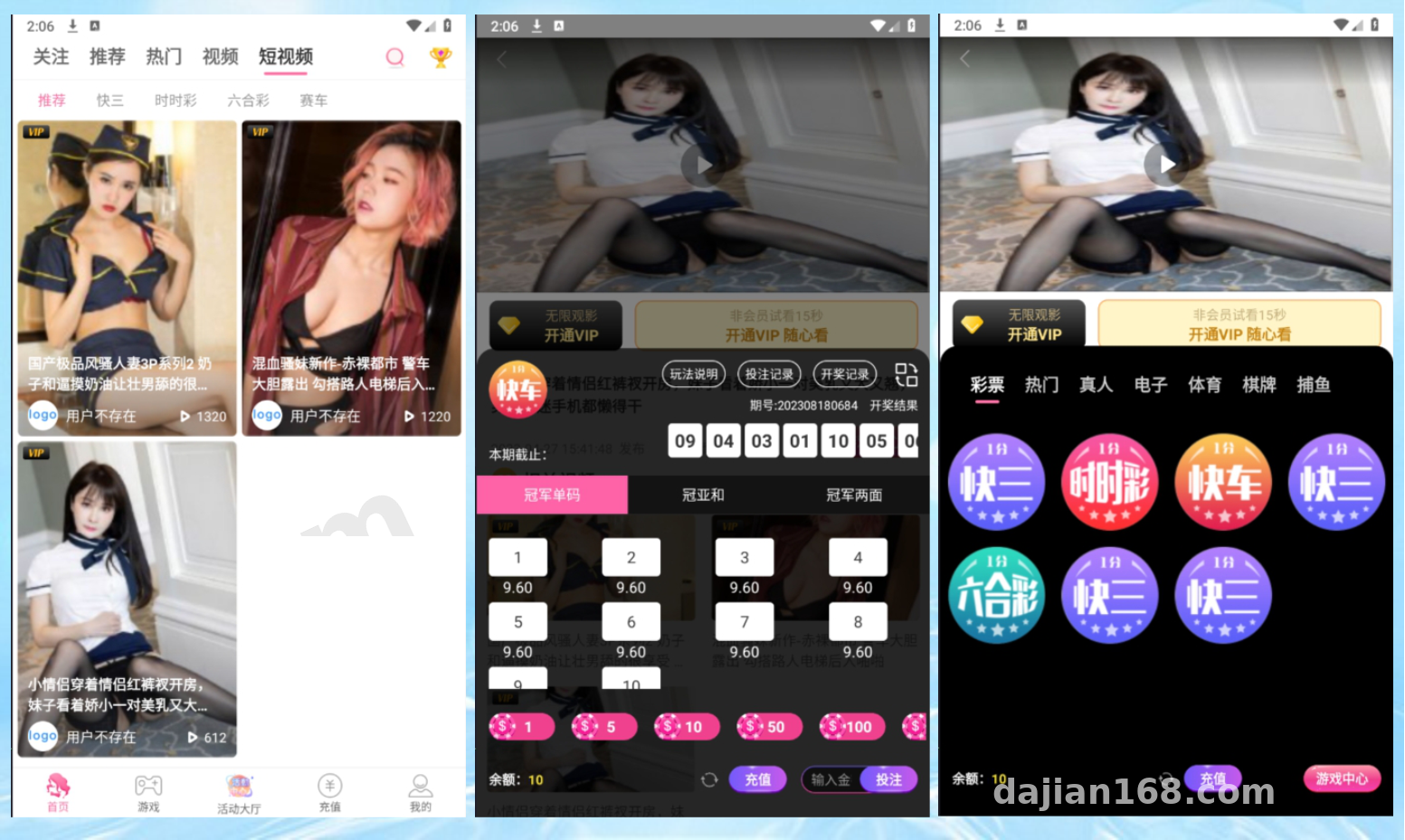
The feature the client valued most was content aggregation. Configure the target site’s API or crawler rules in the backend, and the system automatically fetches short and long videos. Supports scheduled tasks and manual triggers. Tested by crawling 100 videos from a certain platform with a 92% success rate. Failures were mainly due to unhandled hotlink protection. Collected videos are automatically transcoded to H.264 and generated in multiple quality tiers. This part uses FFmpeg, so if your server specs are low, consider setting up a dedicated transcoding machine.

Probability Simulation Demo Module: Algorithm Visualization
This module is essentially a visual display of a random number generator, used to demonstrate probability distribution algorithms. The backend allows setting different probability intervals (for example, three tiers: 60%, 30%, 10%), and the frontend displays real-time random results and statistical charts. The client said this feature is mainly for algorithm training with their tech team. Looking at the code, it uses the Mersenne Twister algorithm, which has decent randomness. Note that access permissions for this module should be restricted so operations staff can’t freely change parameters.
Social Communication: Private Messages, Posts, and Follow System
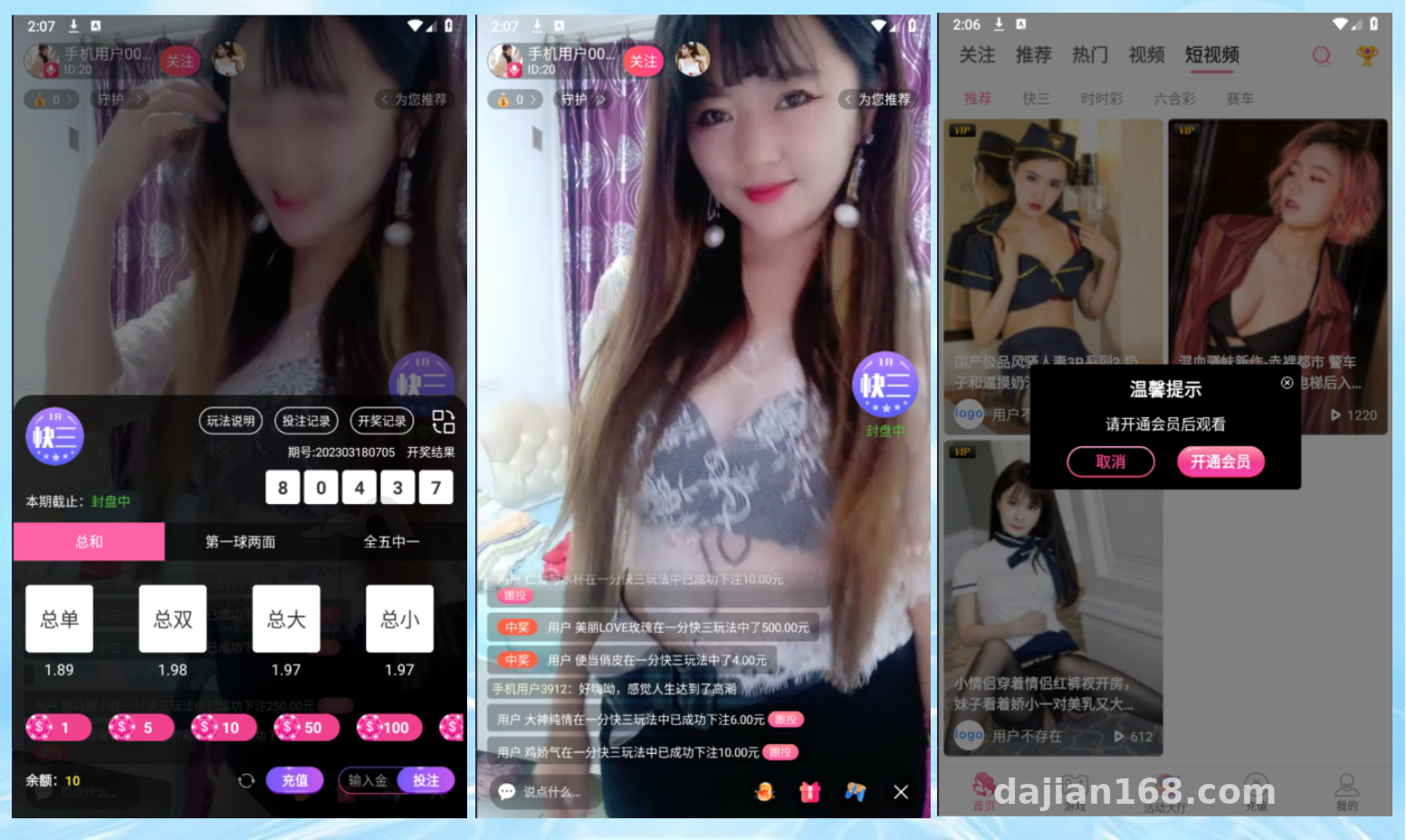
Social features are fairly comprehensive. Users can send private messages (supporting text, images, voice), post updates (similar to a social feed), and there’s a follow/follower system. Message push uses WebSocket long connections. During testing, I found latency with 500 concurrent users chatting, which was resolved after adjusting Nginx’s worker_connections parameter.
Highlight: Multilingual switching isn’t just frontend translation. The backend’s product descriptions, announcements, and customer service scripts all support multilingual version management, suitable for teams doing cross-border business. Live streaming rooms can also set multilingual bullet comment keyword filters, a nice detail that adds value.
Deployment Key Points: Watch Out for These Pitfalls
Server Configuration Recommendations
I used a 4-core 8GB cloud server with BT Panel installed. Database deployed separately on another machine, Redis used for caching and message queues. For live streaming, recommend using OSS plus CDN rather than going directly through the origin server, or bandwidth can’t handle it. During testing phase with 100 users under load, CPU usage stayed stable at 60%, memory used around 5GB.
Payment Interface Integration
The system has reserved payment interfaces supporting integration with mainstream third-party payment providers (Alipay, WeChat, PayPal). Configuration file is in /config/payment.php, just fill in merchant ID and secret key. For withdrawal functionality, pay attention to the review process. Backend can set single withdrawal limits and daily withdrawal frequency to prevent abnormal operations.
Secondary Development Space and Authorization Restrictions
Source code isn’t encrypted but has a domain authorization mechanism. First installation requires entering an authorization code to bind the domain, verified by the backend. If you need to change domains or do secondary development, contact the provider for re-authorization. Code structure is fairly clear, uses ThinkPHP framework, easy to modify if you’re familiar with PHP. I added a points mall module for the client, frontend-backend integration took 2 days to complete.
Suitable Audience and Use Cases
This system suits several types of users: startup teams wanting to build short video and live streaming platforms, with ready-made features that save development costs from scratch; tech companies needing to demonstrate probability algorithms or recommendation systems, with flexible backend parameter configuration; and those targeting overseas markets, with solid multilingual support.
Main use cases are content distribution platforms, social live streaming, and technical demonstration systems. If using commercially, recommend starting with small-scale testing, especially hardening payment and data security. While the source code has comprehensive features, it’s still a general version and actual business needs should be customized according to your requirements.
Frequently Asked Questions
Q: Does video aggregation involve copyright issues?
A: Depends on specific usage. If for technical testing or internal training, generally no problem. If for commercial use, recommend aggregating authorized content or uploading your own recordings. The system itself is just a tool; compliant usage is the operator’s responsibility.
Q: How many concurrent online users can it support?
A: With my test configuration (4-core 8GB), roughly 500 simultaneous online users. More than that requires load balancing. Live streaming concurrency mainly depends on CDN bandwidth, which needs separate procurement. If budget allows, recommend cloud service elastic scaling with automatic machine addition during peak times.
Q: Can I modify the probability simulation module’s algorithm myself?
A: Yes. Code is in /application/demo/controller/Probability.php, uses standard random number generation algorithms. If you understand algorithms, you can swap in your own implementation, like weighted random or normal distribution. Backend configuration interface UI can also be adjusted by modifying template files.
Q: Does multilingual switching affect SEO?
A: No. System uses subdirectory approach (/zh, /en, /ja), each language version has independent URLs that search engines can crawl normally. Remember to configure TDK tags for each language version in the backend, and generate multilingual versions of the sitemap.
Summary and Compliance Reminder
Overall this source code has comprehensive features with moderate deployment difficulty, suitable for teams with some technical foundation. Video aggregation, multilingual support, and probability demos are practical highlights, and backend fine-grained control is convenient for operations. Main pitfalls were in concurrency optimization and payment integration, both mentioned in documentation, so following steps carefully should avoid issues.
Final reminder: any technical system is just a tool. When using, be sure to comply with local laws and regulations, prohibiting any illegal uses. This article is for technical education only. Probability simulation and other demo features are solely for technical learning and algorithm demonstration. Operating legitimate businesses ensures longevity, don’t cross red lines.
Disclaimer: This article is for technical education and demonstration only. It is not professional or financial advice. Any real-world deployment must comply with applicable laws and regulations.
#Short Video Platform #Live Streaming System #Content Aggregation #Multilingual Development #Recommendation Algorithm
-
 Alipay QR Code Scan
-
 WeChat Scan Pay







![🖼 ✈️ [First Flight Chapter] Gold Futures Micro Trading Core Architecture](https://dajian168.net/wp-content/uploads/2025/08/telegram-img-2025-08-04-6890776c389d7-150x300.jpg)