Building a Multilingual Digital Asset Trading Platform: A Practical Deployment Guide for Contract, Options, Staking, and Paper Trading Modules
Building a Multilingual Digital Asset Trading Platform: A Practical Deployment Guide for Contract, Options, Staking, and Paper Trading Modules
⚠️ Disclaimer: This article is for technical learning and discussion only. Formal operation requires obtaining the applicable financial regulatory licenses in the relevant jurisdiction and must not be used for any illegal purpose.
To be honest, I have been wrestling with this system for nearly three weeks, repeatedly tearing down and rebuilding the server environment and migrating the database from one location to another. Even getting the multilingual switching to work without issues has caused me no small number of headaches. While I still remember the details clearly, I have put together the deployment process and core features as a reference for anyone who needs it.
1. Overview of the System’s Core Features
This digital asset trading platform integrates the following core modules:
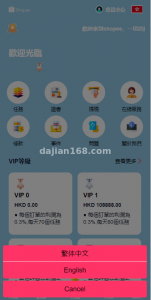
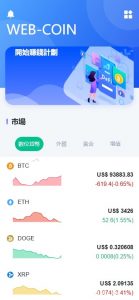
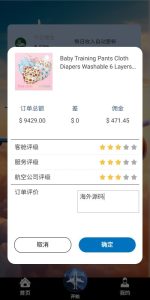
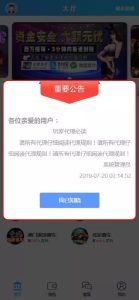
- Multilingual front-end interface: Supports real-time switching between Chinese, English, and other languages. It adapts to both mobile devices and desktops, making it suitable for businesses targeting overseas users.
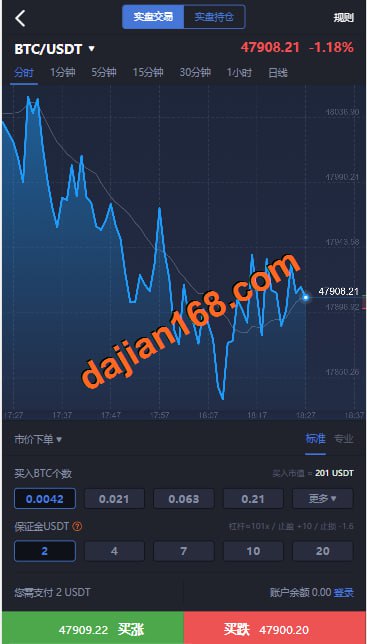
- Short-duration paper contract trading engine: Supports opening and closing positions in seconds with low latency, making it ideal for high-frequency trading demonstrations and training.
- Paper trading environment mode: Can be configured as a demo environment for product showcases, beta testing, or training.
- Fixed-schedule micro-contract module: Provides a micro-contract mode that settles automatically at predefined times, with flexible parameter configuration.
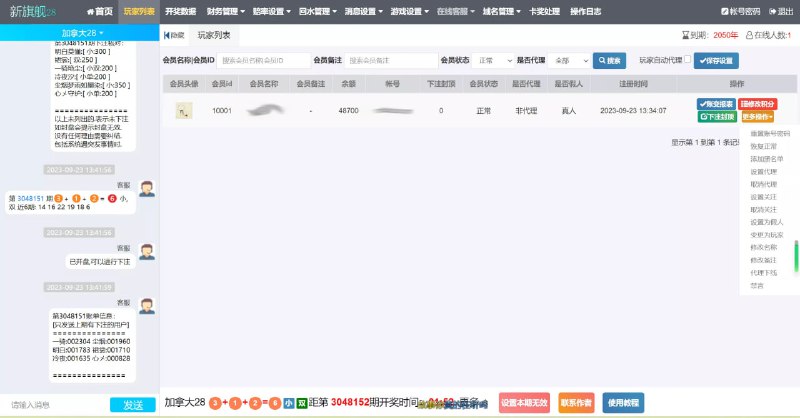
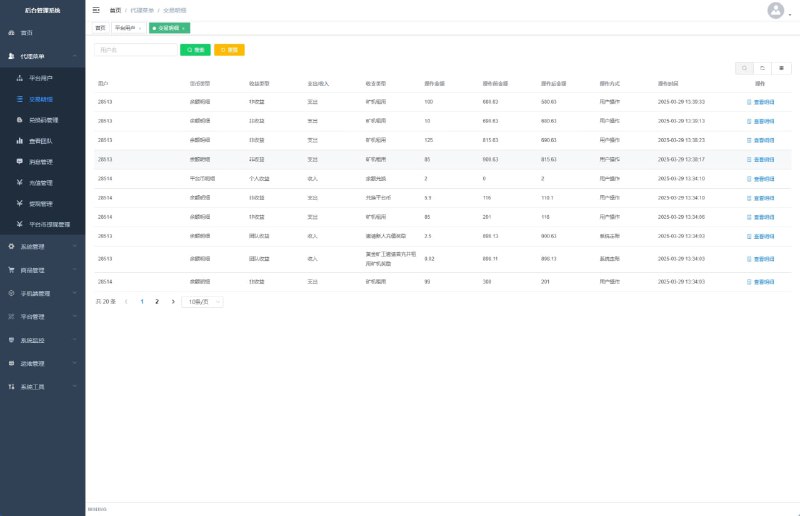
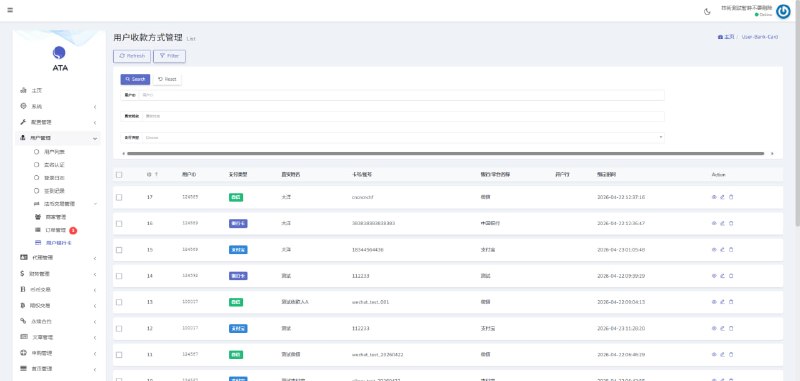
- Bulk order management and centralized risk parameter configuration: The admin panel provides centralized management of orders for each trading period, including batch take-profit and stop-loss settings.
2. Preparations Before Deployment
The following items must be prepared before deployment:
- Server configuration: At least 2 vCPUs and 4 GB of RAM are recommended, running CentOS 7+ or Ubuntu 20.04. We strongly recommend a CN2 network route with BBR acceleration.
- Domain and SSL: The domain must have completed ICP filing if the server is located in mainland China; otherwise, use a server in Hong Kong or overseas. The system must enable HTTPS.
- Runtime environment: Nginx + PHP 8.0+ + MySQL 5.7+. OneinStack one-click configuration is recommended.
- API preparation: For live market data, integrate exchange APIs such as Binance, Huobi, and OKX. For payment functionality, integrate a compliant payment API.
- Source-code licensing: Confirm the scope of the source-code license to avoid commercial disputes later.
3. Common Issues and Pitfalls
3.1 Centralized Risk Parameter Configuration Does Not Take Effect
After configuring the risk parameters in the admin panel, I found that they had no effect. It took me a while to find the answer in the documentation: the corresponding control switch must also be enabled under 【Contract Instrument Settings】. The settings must be configured correctly in both places before they take effect. This design is rather obscure and can easily leave newcomers stuck.
3.2 Styles Become Misaligned After Switching Languages
Some themes trigger CSS conflicts after the language is changed, resulting in misplaced buttons or abnormal font rendering. To resolve this, first disable all CSS optimization and caching plugins, and then use Chrome DevTools to identify the source of each conflict one by one. It is usually caused by a third-party font library.
3.3 How to Resolve Excessive Latency in Paper Contract Trading
Short-duration paper contracts place a relatively high demand on server performance. In my tests, latency within the same region needs to remain below 50 ms for a stable experience. A Hong Kong server on the CN2 route is recommended, or dual acceleration with BBR + RuiShu can be configured for a noticeably better result.
4. Extension and Customization Options
The basic version is already relatively feature-complete. To extend it further, consider the following directions:
- Integration with real exchange APIs: Connect to leading exchanges such as Binance, Huobi, and OKX to synchronize real-time prices.
- OTC trading module: Add a C2C trading section that supports direct transfers between users.
- Copy-trading system: Develop copy-trading functionality that allows users to follow the trading strategies of successful traders.
- KYC identity verification: Add an identity verification module in accordance with the regulations of the operating region.
5. Frequently Asked Questions
Q1: Does the system support mobile access?
Yes. The system uses a responsive design, so smartphones, tablets, and computers can all access it normally. The admin interface has also been adapted for mobile devices.
Q2: What qualifications are required to deploy this system?
No special qualifications are required for private beta testing or product demonstrations. However, if you intend to provide real financial trading services to users, you must apply for the appropriate financial regulatory licenses under local laws.
Q3: How secure is the system, and what protective measures are available?
The source code includes basic security protections, but additional measures are recommended, including a server firewall, forced HTTPS redirection, IP allowlisting, encrypted database field storage, and two-factor authentication.
Q4: Can paper trading and live market data be enabled at the same time?
Yes. The system supports a hybrid configuration of demo mode and live market data. Live market data is used for price synchronization, while order logic can run in a simulated environment, making it suitable for beta testing and training.
Q5: What should I do if the system is slow to access after deployment?
First, investigate the server’s network route, Nginx configuration, PHP cache, and database indexes. Enable Redis or Memcached for session caching and use a CDN to accelerate the delivery of static assets.
⚠️ Disclaimer: This article is for technical learning and discussion only. Formal operation requires obtaining the applicable financial regulatory licenses in the relevant jurisdiction and must not be used for any illegal purpose.
-
 Alipay QR Code Scan
-
 WeChat Scan Pay