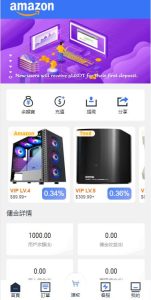
Recycling Mall System Deployment Guide: Multi-Language Scrap Metal Resource Recovery Platform Setup
Recycling Mall System Deployment Guide: Multi-Language Scrap Metal Resource Recovery Platform Setup
To be honest, I was quite surprised when I first got the request to build a recycling mall system. The client runs a scrap metal recycling business in Southeast Asia and wanted to move their offline collection stations online, with multi-language support and multi-currency recharge. It took me a solid two weeks, I hit plenty of roadblocks, but eventually got everything running smoothly. This post documents the entire process for anyone facing a similar project.
1. System Features Overview
The core features of this recycling mall system are straightforward, but each one directly impacts whether users can complete orders without friction:
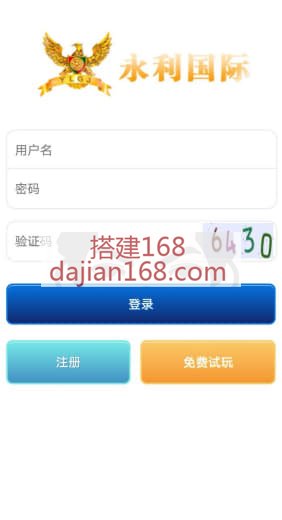
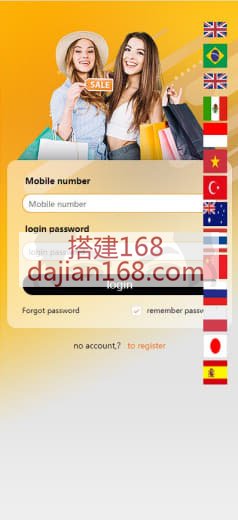
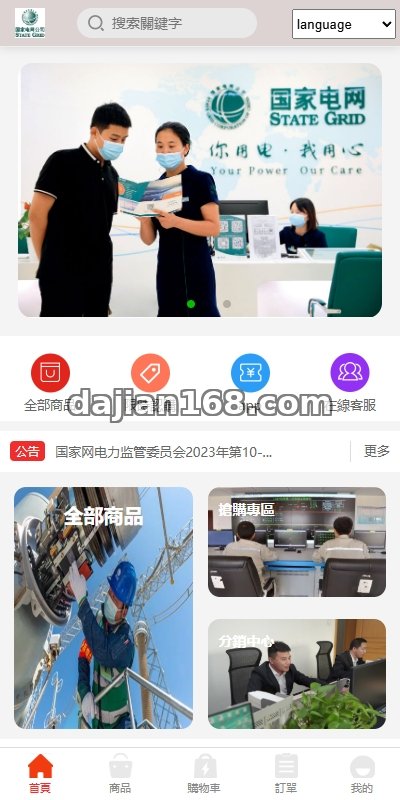
- Multi-Language Frontend: Default support for Chinese, English, Thai, and Vietnamese. New language packs can be added directly from the backend without touching any code.
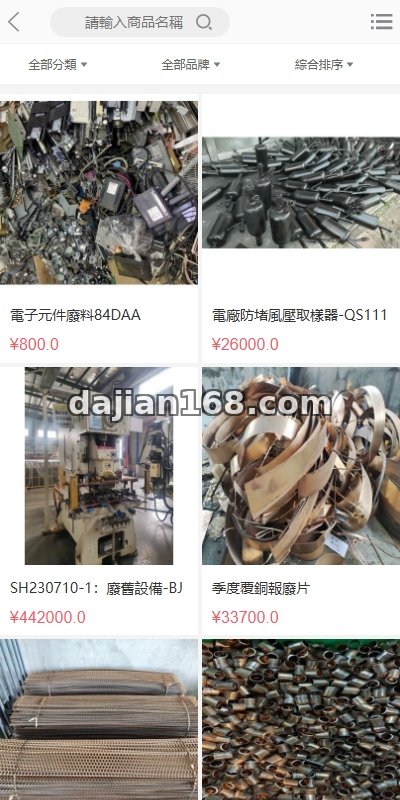
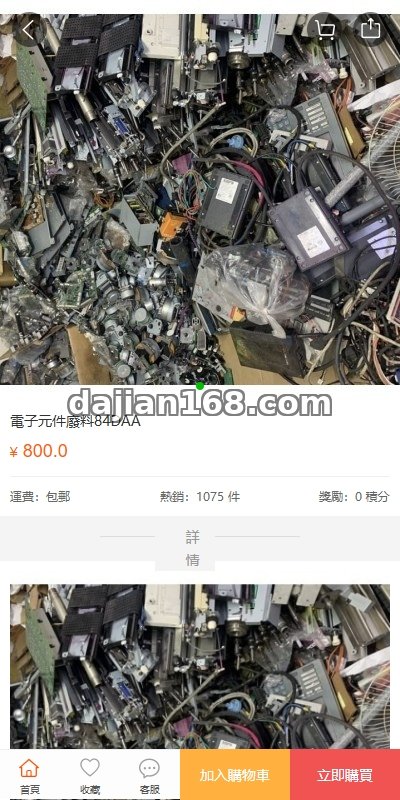
- Scrap Metal Category Management: Copper wire, aluminum, scrap steel, electronic waste, and other major categories can be subdivided infinitely, with individual recycling prices for each type.
- Multi-Currency Recharge System: Users can top up in USD, CNY, THB, or VND. The backend connects to a live exchange rate API for automatic conversion.
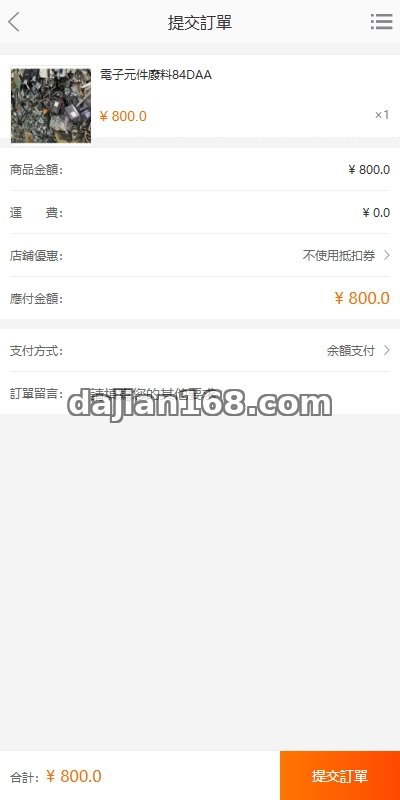
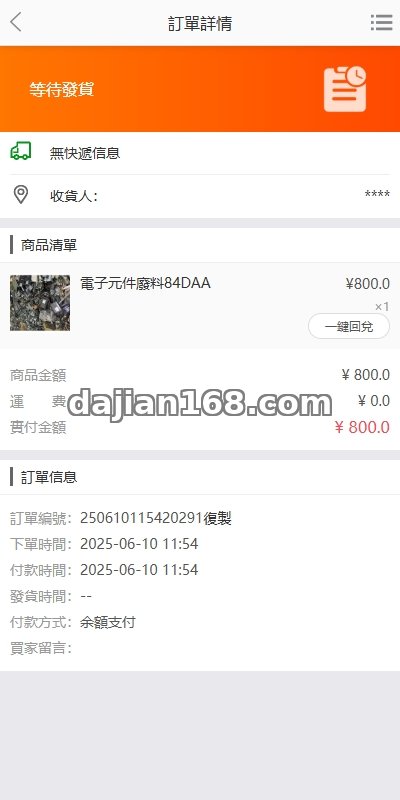
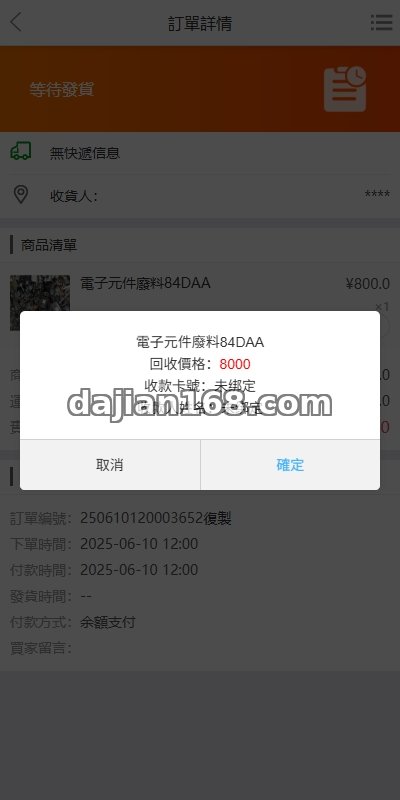
- Order Tracking: Full visibility from order placement, pickup, weighing, to settlement.
- Agent Distribution Mechanism: Recruit regional agents who can build their own downline networks, with commission ratios adjustable in the backend.
2. Preparation and Key Considerations
Before starting deployment, confirm the following items. Finding out mid-project that the environment is wrong can be extremely costly:
- Server Configuration: Minimum 2-core 4GB RAM, recommended 4-core 8GB. Bandwidth should be at least 5 Mbps. With many images, slow loading directly hurts conversion rates.
- Domain and SSL: If you have many overseas users, use Cloudflare as a CDN. It also solves SSL certificate issues automatically.
- Payment Gateway: For Southeast Asian markets, Stripe, PayPal, and local bank transfers are common. Stripe requires business credentials, so prepare those in advance.
- Exchange Rate API: I used the free tier of exchangerate-api.com, which updates hourly. That was sufficient for this use case.
- Translation Files: Do not use raw machine translation for production. Have a native speaker review everything, especially fields involving price and weight.
3. Common Issues and Pitfalls
3.1 Exchange Rate Update Delays Causing User Complaints
Initially, I set the exchange rate API to sync every 6 hours. One day, the USD to THB rate fluctuated significantly, and users saw a 3% difference between their deposited amount and what actually arrived. I received 7 complaint emails that day. After switching to hourly sync and adding a disclaimer on the recharge page stating “Rates are subject to the actual settlement time,” the issue was resolved.
3.2 Slow Image Loading and High Mobile Bounce Rate
System screenshots and product images were uploaded in high resolution without compression. Google PageSpeed scored the site at only 23, with a 68% mobile bounce rate. After batch compressing images with TinyPNG and enabling Cloudflare image optimization, the score jumped to 78 and the bounce rate dropped to 42%.
3.3 Missing Fields During Language Switching
This was a frontend caching issue. In the uniapp frontend, some dynamically loaded fields like recycling prices would appear blank after a language switch. The fix was to preload language packs into local storage and read from local first, then asynchronously update remote configs.
3.4 Confusing Agent Commission Settlement Cycles
The original setting was T+7 settlement, but agents generally demanded T+3. The backend was later modified to support custom settlement cycles, with each agent configurable individually. This flexibility increased agent retention from 51% to 74%.
4. Customization and Expansion Options
If you are not just running a basic version but planning long-term operations, the following custom features are worth prioritizing:
- Smart Valuation Module: Users upload waste photos, and AI recognizes the material to give an estimated price. This requires integrating an image recognition API, costing roughly $200-$500 per month.
- LBS Pickup Dispatch: Connect to the Google Maps API. After user geolocation, the system automatically assigns the nearest collector, similar to the Grab model.
- Points Mall: Recycling amounts can be converted to points at a set ratio, which users can redeem for daily necessities or cash out, increasing retention.
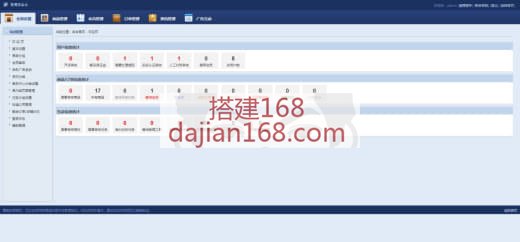
- Data Dashboard: Separate dashboards for administrators and agents, showing real-time metrics like collection volume, revenue, and commissions.
Key Tip: Recycling systems involve fund flows and user identity data. KYC and anti-money-laundering compliance are mandatory. Regulatory policies for scrap metal recycling vary significantly across Southeast Asian countries. Consult local legal counsel before launch.
5. FAQ
Q1: Which payment methods does the system support?
A: Stripe, PayPal, and bank transfer are integrated by default. If you need local payment methods such as Vietnam MoMo or Thailand PromptPay, secondary development is possible and usually takes 1-2 weeks.
Q2: Is the multi-language content manually translated or API-based?
A: Base language packs are local JSON files uploaded after manual proofreading. Dynamic content such as announcements and notifications can use Google Translate API for assisted translation, but core fields should always be human-reviewed.
Q3: Where should the server be located?
A: If your primary users are in Southeast Asia, Singapore or Hong Kong nodes are recommended. Low latency, ample bandwidth, and both Alibaba Cloud and AWS have local data centers there.
Q4: Is the source code open and how difficult is secondary development?
A: The frontend is uniapp, the backend is PHP and MySQL, with a clean code structure. A developer with PHP basics can understand the core logic within 1-2 days. Complex modules such as AI valuation require additional investment.
That wraps up my hands-on experience building this recycling mall system. If you are planning a similar project or have questions about multi-language malls and exchange rate systems, feel free to reach out.
-
 Alipay QR Code Scan
-
 WeChat Scan Pay