Multilingual Amazon-Style Order-Grabbing System: Complete Guide to Stacked Group Orders and Custom Chain Order Configuration
Multilingual Amazon-Style Order-Grabbing System: Complete Guide to Stacked Group Orders and Custom Chain Order Configuration
I recently completed a project building an Amazon-style overseas order-grabbing system with a standout feature: stacked group orders with fully customizable chain order rules. The flexibility far exceeds standard order-grabbing platforms. After working through the challenges, here is a complete breakdown of the build process and key lessons learned.

Core System Features
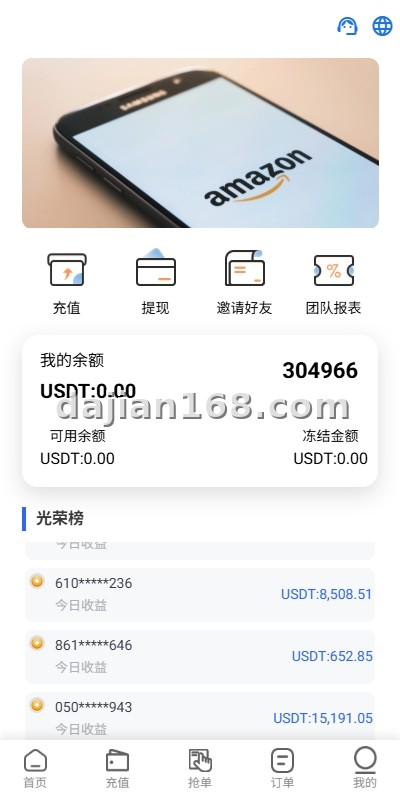
The defining feature of this multilingual Amazon-style order-grabbing system is the stacked group functionality. Here is a full breakdown of the modules:
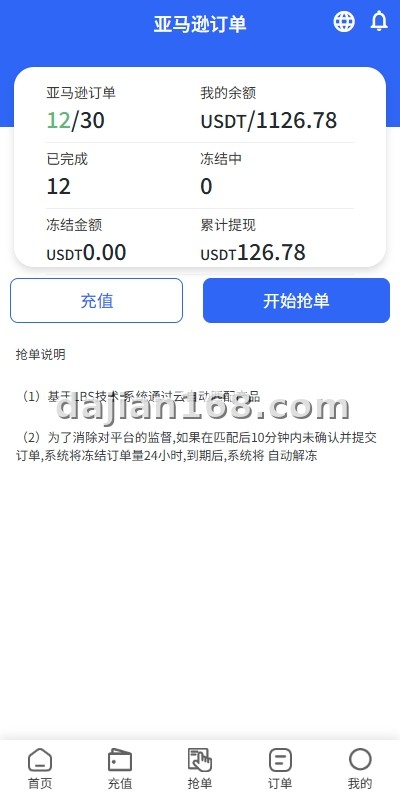
- Stacked Group Orders: Users can join multiple order groups simultaneously, with tasks from different groups stacking to significantly increase daily completion volume and earnings
- Custom Chain Order Rules: Admins can configure different chain order rules for each user tier, including chain count, amount ranges, and time intervals
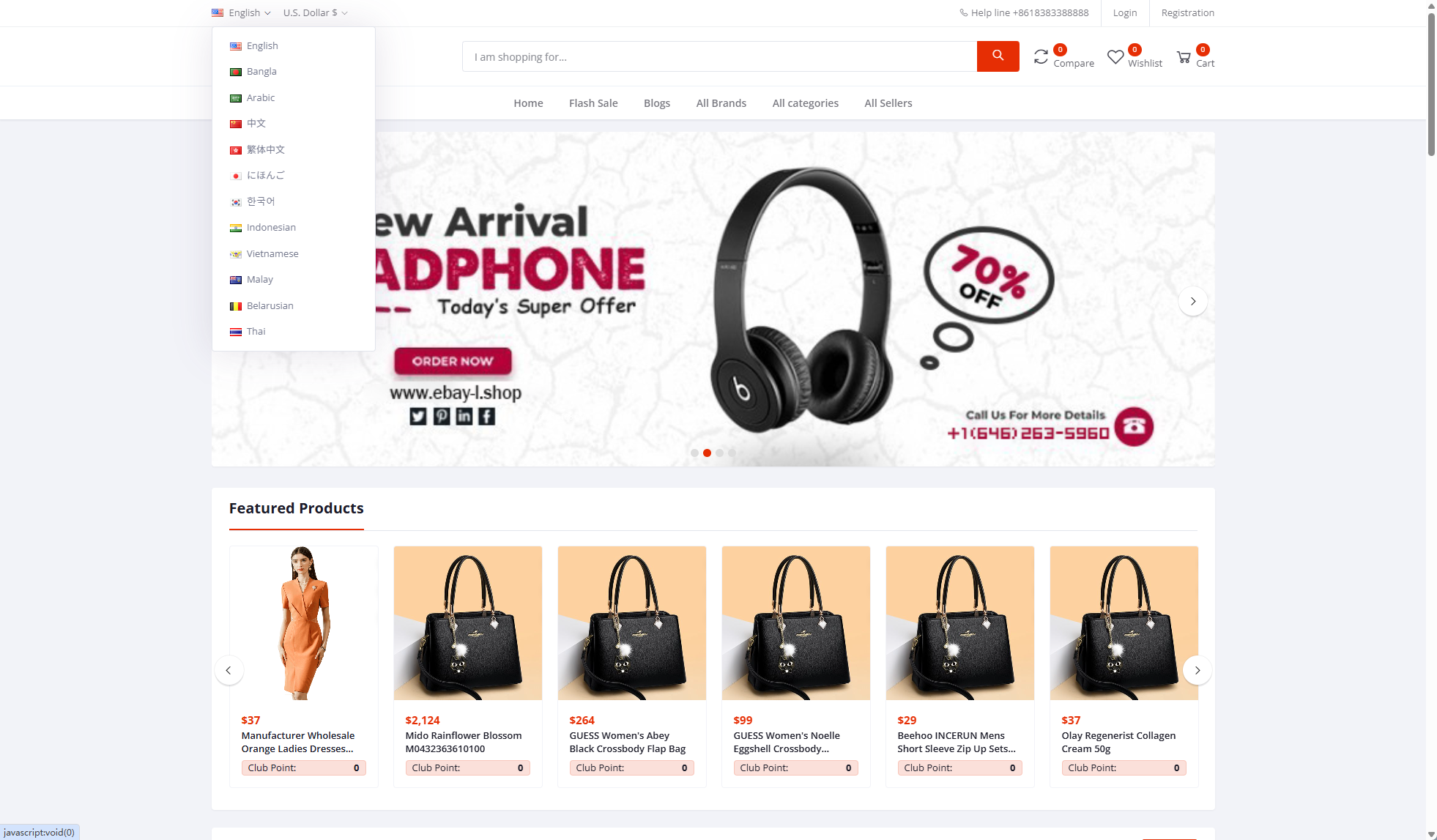
- Multilingual Frontend: Supports multiple language switches to serve users across different countries and regions
- Amazon-Style UI: Frontend interface mimics the Amazon shopping experience, boosting user trust and operational smoothness
- Intelligent Dispatch System: Allocates orders based on user tier, historical completion rate, current balance, and other dimensions
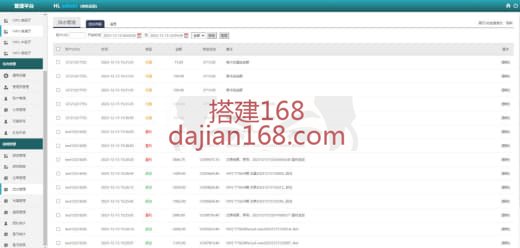
- Real-Time Analytics Dashboard: Admins can monitor live platform data including active users, order completion rates, and financial flows
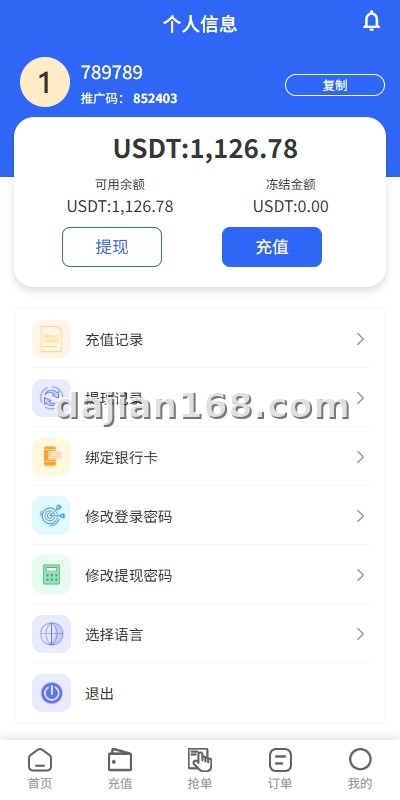
- Multi-Level Agent System: Supports multi-tier agent structures with independent backend management permissions at each level
- Risk Control System: Built-in baseline risk rules to detect abnormal operational behavior
Deep Dive: Stacked Group Functionality
The stacked group feature is the core differentiator of this system and deserves a detailed explanation.
In traditional order-grabbing systems, users can only participate in one task group at a time. Stacked groups allow users to join multiple task groups simultaneously, with the system dispatching tasks in priority order. This design offers several clear advantages:
- Users can complete significantly more tasks per day, increasing earnings
- The platform can control fund flows through different group task configurations
- Higher-tier users gain access to more stacked group slots, creating differentiated incentives
Key considerations when configuring stacked groups:
- Set reasonable task amount ranges for each group to prevent arbitrage
- Plan the priority order of stacked groups carefully based on operational strategy
- Set daily stacked group task limits to prevent excessive system resource consumption
Important: Stacked group functionality involves complex fund flow logic. Conduct thorough testing before launch to ensure financial security.
Pre-Deployment Preparation
Before building this type of system, prepare the following:
- Server Configuration: Stacked group functionality generates more concurrent requests; minimum 8-core 16 GB RAM with load balancing is recommended
- Database Optimization: Order table data grows quickly; plan for table partitioning and index optimization in advance
- Caching Strategy: Redis caching is essential for storing user sessions, order states, and other frequently accessed data
- Payment Channels: Stacked groups involve more frequent financial operations; confirm payment channel stability and transaction limits in advance
- Operational Rule Design: Stacked group rules directly affect the platform’s revenue model; complete operational rule design before technical development begins
Common Issues and Troubleshooting
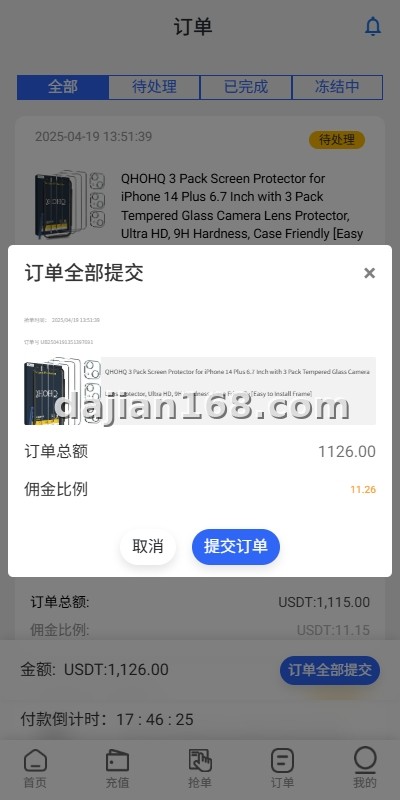
Stacked Group Task Conflicts: When users participate in multiple stacked groups simultaneously, task conflicts can occur. The solution is to add mutual exclusion checks in the dispatch logic to ensure only one group’s task executes at a time.
Custom Chain Order Rules Not Taking Effect: After configuring custom chain order rules, they may not activate because the rule cache has not been refreshed. Clear the relevant cache after modifying rules, or set a shorter cache expiration time.
Multilingual Display Issues: Special characters may display incorrectly in different language environments. Ensure the database character set is utf8mb4 and handle character encoding properly on the frontend.
Dispatch Delays Under High Concurrency: Stacked group functionality is prone to dispatch delays under high concurrency. Use a message queue such as Rabbit MQ or Redis Queue to handle dispatch requests instead of directly accessing the database.

Customization Options
Beyond standard features, the following custom development services are available:
- Visual rule configuration interface for stacked groups, allowing operations staff to configure rules without technical knowledge
- Machine learning-based anomaly detection to identify bot accounts and abnormal behavior
- Alternative platform styles beyond Amazon, including Shopee, Lazada, and other e-commerce platforms
- Advanced analytics module to help operations teams optimize stacked group configurations and chain order rules
Frequently Asked Questions
Q: How many stacked groups can be configured?
A: The standard version supports up to 5 stacked groups. More can be added through custom development.
Q: What dimensions does custom chain order rule configuration support?
A: Supports configuration by user tier, account balance, historical completion rate, registration duration, and other dimensions.
Q: What languages does the system support?
A: The standard version supports Chinese, English, and Vietnamese. Additional language packs can be customized on request.
Q: Does stacked group functionality require higher server performance?
A: Yes, compared to standard order-grabbing systems, stacked groups place higher demands on server performance. An 8-core 16 GB or higher server with Redis caching and message queue optimization is recommended.
Compliance Notice: The system described in this article is intended for technical research and lawful business use only. Please fully understand and comply with applicable local laws and regulations before use. Any unlawful use is unrelated to this site.
-
 Alipay QR Code Scan
-
 WeChat Scan Pay