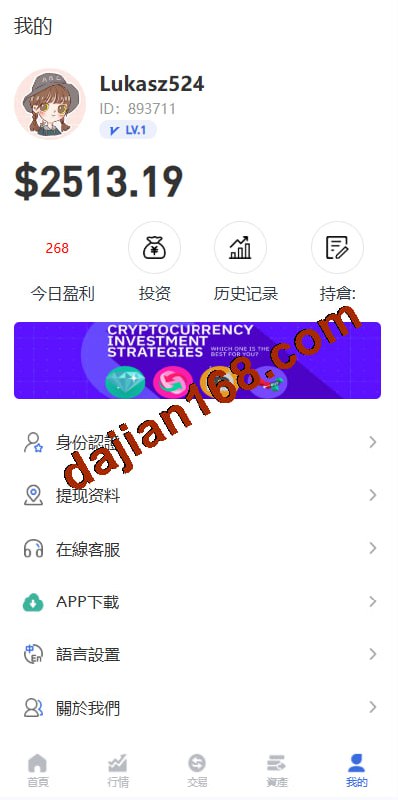
UniApp Group Buying System Setup: Group Purchase Red Packet Rebate System with User Referral Mall
UniApp Group Buying System Setup: Group Purchase Red Packet Rebate System with User Referral Mall
Last year, our company needed to quickly penetrate the下沉 market (lower-tier market), and I personally led the deployment of this group buying mall system. From server selection to red packet rebate logic debugging, it took a full two weeks. I encountered pitfalls with payment interfaces and database concurrency issues along the way. Now I have compiled the complete practical experience to help everyone avoid detours.
1. Core System Features
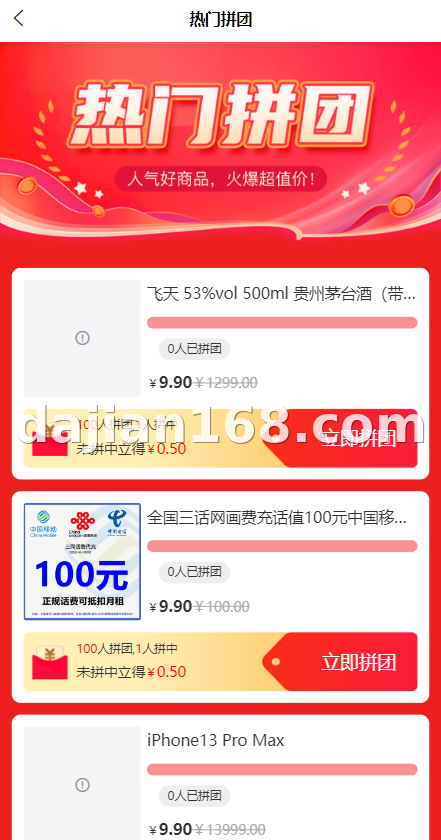
This system has very practical functional design, mainly including the following modules:
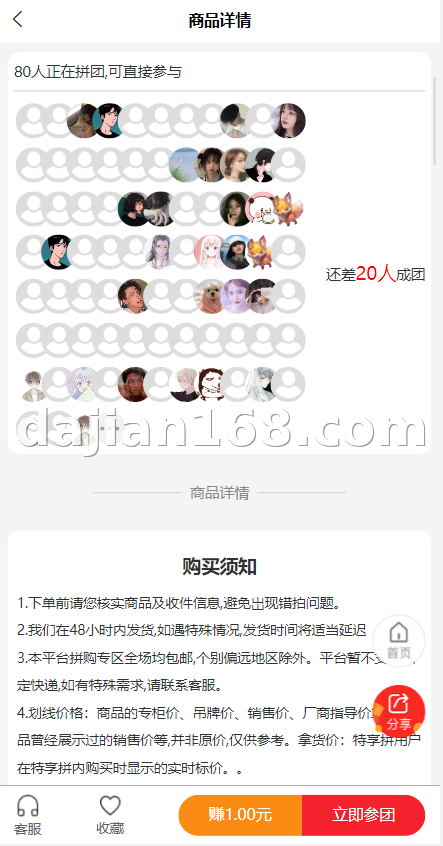
- Multi-Player Group Buying Mechanism: Supports customizable group size and time limits
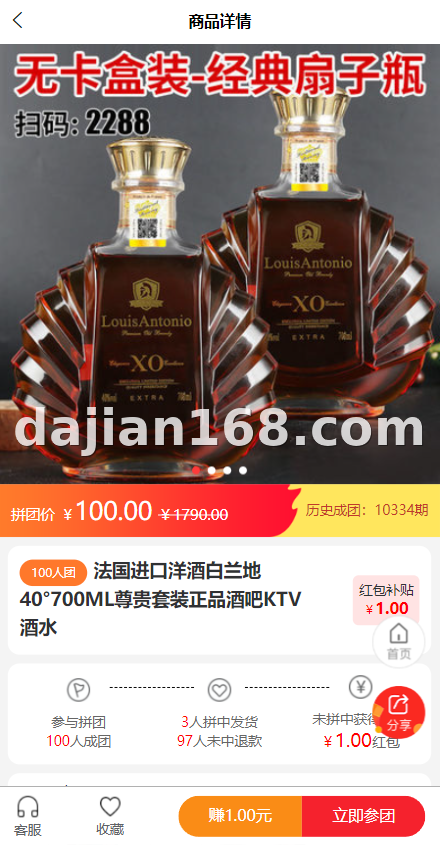
- Red Packet Rebate System: Users who do not win receive automatic refunds and share cash red packets
- Group Leader Invitation Feature: Generates exclusive invitation links with social sharing support
- Automatic Lottery Algorithm: Fair random selection of product winners
- Order Commission System: Platform extracts profit from completed orders
- Real-Time Data Dashboard: Monitors group buying conversion rates and user activity
- Multi-Level Distribution System: Supports downline commission incentives for viral growth
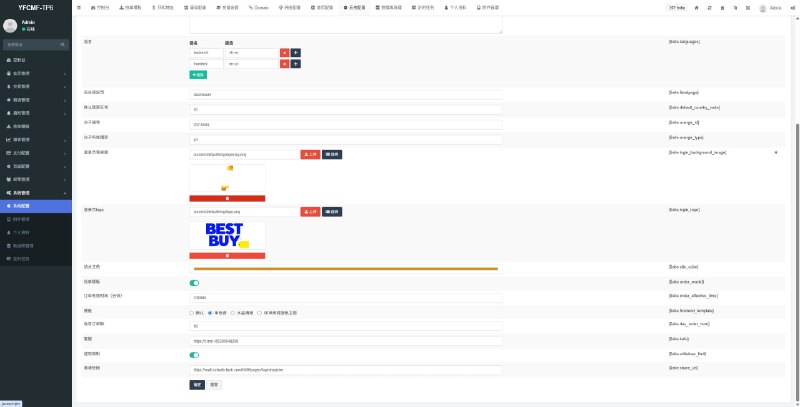
- Flexible Pricing Backend: Product prices, group buying counts, and red packet amounts are all configurable
2. Pre-Deployment Preparation
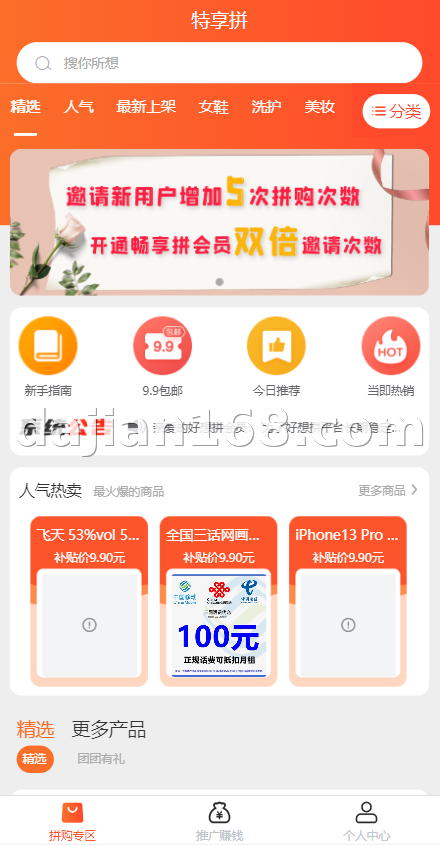
Before formal deployment, the following preparations need to be completed:
- Cloud Server: Recommend 2 cores 4GB or above configuration, bandwidth not less than 5Mbps
- Domain Name Filing: Domestic servers must complete ICP filing
- SSL Certificate: Apply for free certificates to enable HTTPS encrypted transmission
- WeChat Pay Merchant Account: Enable Native payment and H5 payment channels
- Message Push Service: Configure Getui or JPush for order notifications
- Database Selection: MySQL master-slave configuration to handle high concurrency read/write
- Redis Cache: Deploy cache layer to improve API response speed
- Third-Party Login: Apply for WeChat and Alipay open platform accounts
3. Common Issues and Pitfall Records
3.1 Red Packet Amount Calculation Errors
In the early stages, the red packet distribution amounts never matched the accounts. Later, it was discovered that floating-point precision issues were causing this. Solution: Store all amounts as integers by multiplying by 100, then divide by 100 during calculation to restore.
3.2 Concurrent Group Buying Data Corruption
During peak times when multiple people participate in the same group buying simultaneously, the backend experienced overselling. This was solved through a dual mechanism of Redis distributed locks and optimistic locking to ensure atomic operations for each group buying slot.
3.3 WeChat Pay Callback Failures
The test environment worked normally, but the production environment consistently failed to receive payment callback notifications. Investigation revealed it was a firewall rule issue; the IP ranges of WeChat Pay servers needed to be manually whitelisted.
3.4 Duplicate Participation Verification
Users refreshing the page multiple times caused duplicate deductions. Token verification and idempotency processing were added, with a unique identifier generated for each group buying participation to prevent duplicates.
4. Customization and Extension Options
After the basic functions were satisfied, I made several custom developments based on business requirements:
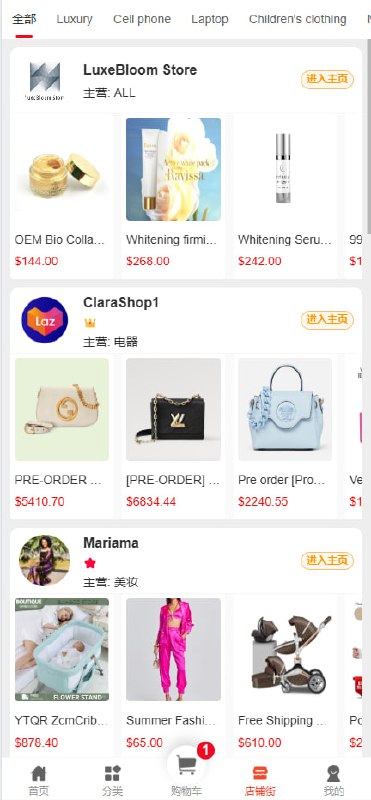
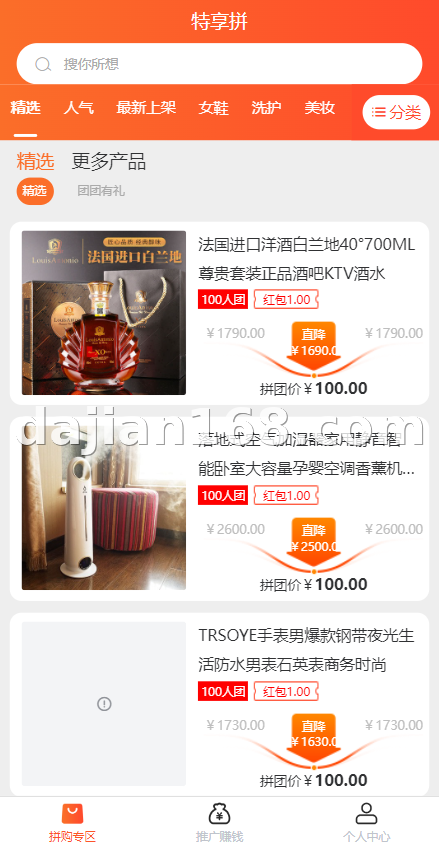
At the interface level, the platform adopted an independent design style with a waterfall flow display of group buying products on the homepage to enhance visual appeal. For gameplay, a tiered group buying mode was added where more participants result in larger red packets, incentivizing users to actively refer new users. The data reporting module was integrated with the internal BI system, allowing operations staff to view core metrics like GMV, conversion funnels, and user retention in real-time.
If more business models need to be expanded later, the underlying architecture of this system supports flexible integration. For example, it can integrate exchange source code to implement points trading functions, or overlay micro-trading source code modules to provide simulated commodity price fluctuation gameplay, or even connect with mining machine source code to develop computing power rental scenarios. For teams that need rapid trial and error, it is recommended to first use the group buying system to validate user demand, then gradually add new modules to reduce trial and error costs.
5. FAQ Common Questions
Q: How much does it cost to participate in group buying?
A: Each user needs to pay the product marked price. The system automatically deducts red packet funds from the order profit, and users who do not win receive full refunds and share red packets proportionally.
Q: How does the platform achieve profitability?
A: Mainly through two methods: first, profit sharing from orders of users who win the product; second, utilizing information asymmetry and bulk purchasing advantages where product pricing is far below market price while still maintaining profit margins.
Q: Why are users willing to participate in group buying when they might not get the product?
A: Two incentive points are designed: first, users who fail to win receive cash red packets; second, they can participate unlimited times, with winning probability increasing as participation frequency increases. This mechanism effectively enhances user repurchase and referral motivation.
⚠️ Important Notice: Please ensure system operations comply with local laws and regulations. The red packet rebate module must include anti-addiction and amount limit mechanisms to protect user funds.
#ExchangeSourceCode #LotterySourceCode #MicroTradingSourceCode #MiningMachineSourceCode #OrderGrabbingSystem
-
 Alipay QR Code Scan
-
 WeChat Scan Pay