Custom Micro Trading Platform Setup: Precious Metals Futures Trading with Room-Based Gameplay Full Feature Analysis
Custom Micro Trading Platform Setup: Precious Metals Futures Trading with Room-Based Gameplay Full Feature Analysis
Last month I helped a client targeting the Southeast Asian market deploy a custom micro trading platform. They specifically requested that the frontend UI should not use the overused “Supreme Framework” template found everywhere, and must be completely redesigned from scratch. After about a week of tweaking, I finally got the entire platform running from source code to production. Today I am documenting the pitfalls and key configuration points from this deployment process for those with similar needs.
1. System Feature Overview
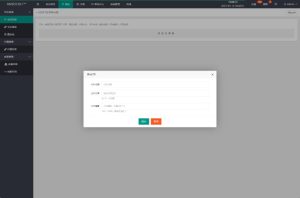
The biggest difference between this micro trading platform and common shell products on the market is that the frontend was completely redeveloped with a clean UI style, free of flashy pop-up ads. Here are the main features:
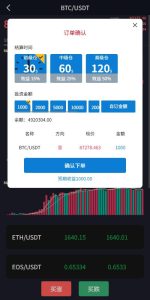
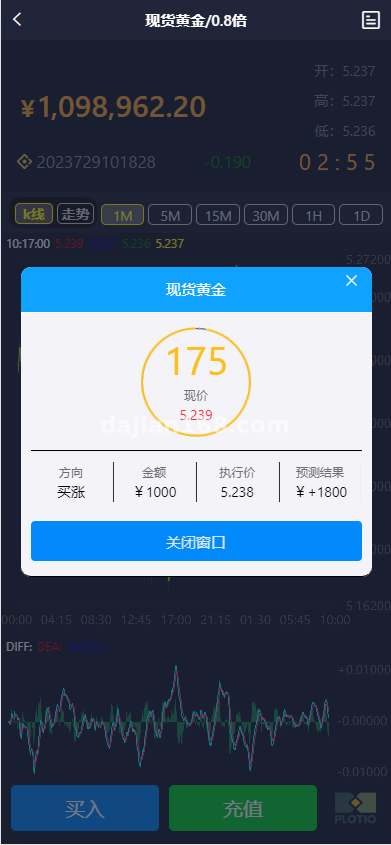
- Precious Metals Futures Two-Way Trading: Supports mainstream products like gold, silver, and crude oil. Users can go long or short. Leverage ratios are adjustable from the backend.
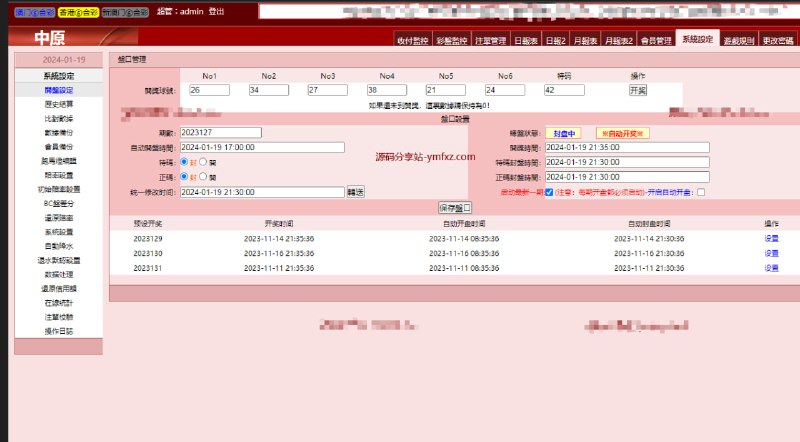
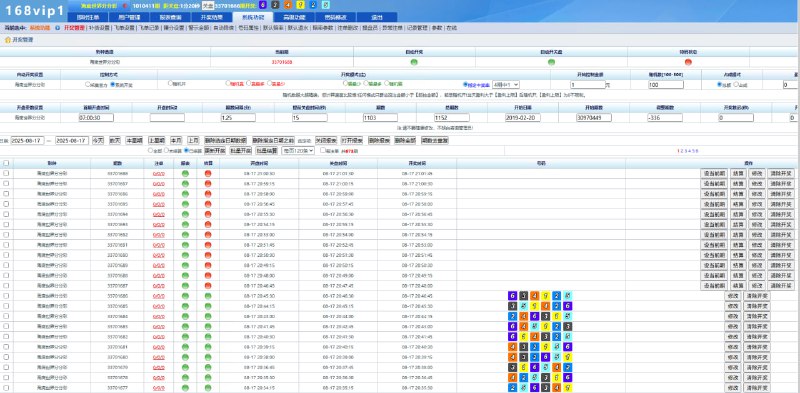
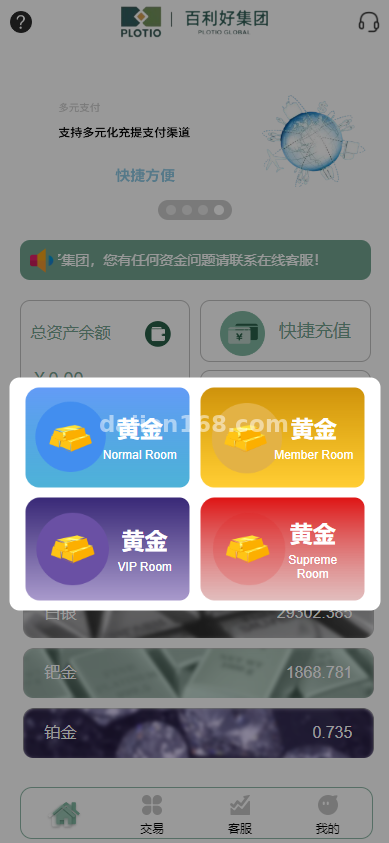
- Room-Based Restricted Gameplay: This is the most distinctive module. Administrators can create different rooms, set different entry thresholds, profit/loss rules, and settlement cycles. Players can only participate in rooms where they meet the qualifications.
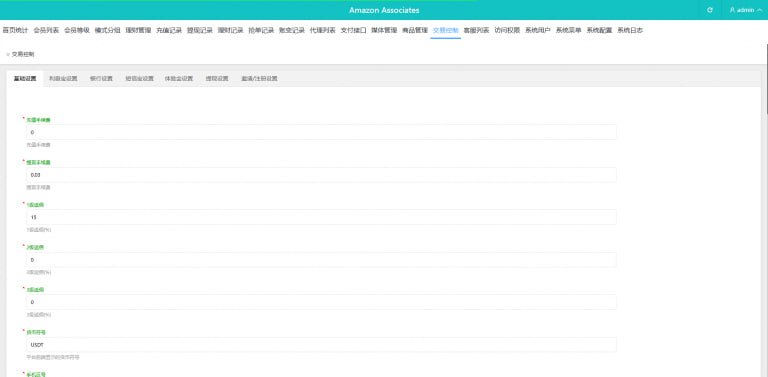
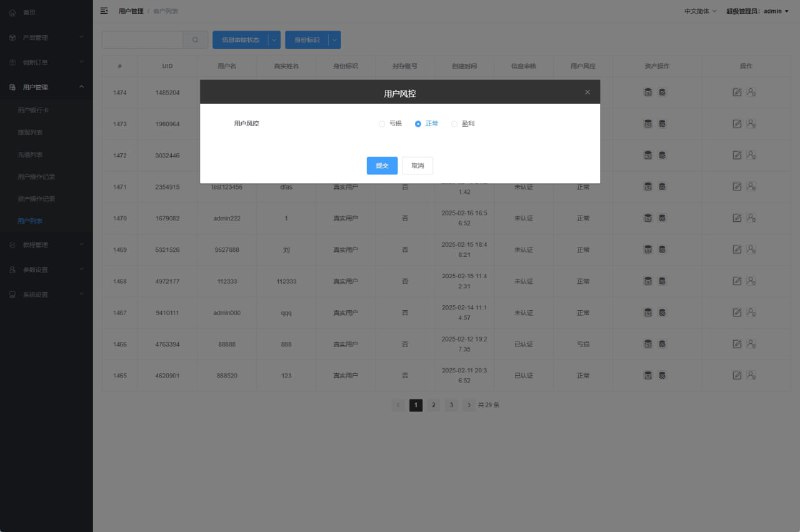
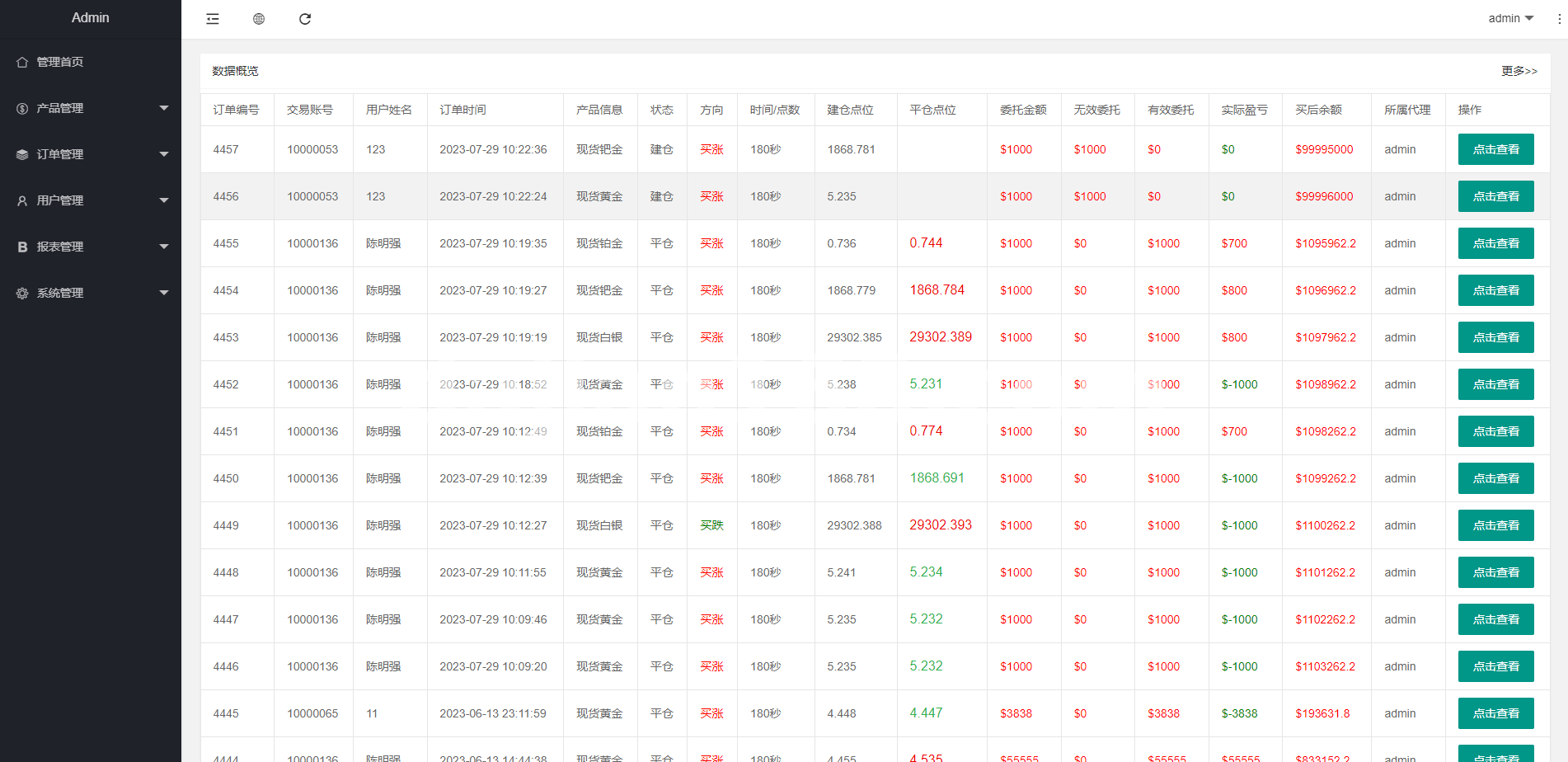
- Multi-Level Agent Mode: Supports multi-level agents. Commission ratios for each level are configured separately from the backend. Agents can view their downline’s trading data and revenue reports.
- Single Language Frontend with Extensibility: The current version frontend is single language, but the code structure leaves multi-language extension interfaces ready. The PHP backend works with the UniApp frontend, making secondary development costs relatively low.
- Real-Time Market Data Push: K-line data is connected to third-party market sources with 1-second refresh. Supports multiple timeframes from 1 minute to daily charts.
- Capital Risk Control System: Includes parameters like maximum single position, daily loss limit, and forced liquidation line, all configurable through the backend visual interface.
2. Pre-Deployment Preparation
Before deploying this system, prepare the environment first, or you will encounter all kinds of strange errors later:
- Server Configuration: Recommended 2-core 4GB minimum. Bandwidth 3M or above. If you expect more than 500 concurrent users, go directly to 4-core 8GB.
- Environment Requirements: PHP 7.4+, MySQL 5.7+, Nginx 1.18+, Redis recommended (for market data caching).
- Domain Registration: If targeting domestic users, the domain must be registered. For overseas users, Hong Kong or US servers are fine.
- Payment Gateway: Apply for third-party payment or USDT channels in advance. The system has built-in aggregate payment interface files.
- SSL Certificate: Must configure HTTPS. Both WeChat Mini Program and H5 require it.
- SMS Service: Registration and password recovery require SMS verification codes. Recommend integrating Alibaba Cloud or Tencent Cloud SMS.
3. Common Issues and Troubleshooting Records
3.1 Room Gameplay Rules Not Taking Effect
When I first deployed, I created rooms and set rules, but after players entered the frontend, the restrictions were not working at all. After troubleshooting for a while, I found that Redis caching was not enabled, so room permission data was not syncing to the frontend in time. After installing Redis and enabling “room data caching” in the backend under “System Settings – Cache Configuration”, the problem was resolved.
3.2 Agent Commission Calculation Inaccurate
The multi-level agent commission logic is: A refers B, B refers C, C makes a trade, and both A and B get commission. But the default configuration only had commission level 1 enabled, so A couldn’t get paid. You need to change the “Level Depth” in “Agent Management – Commission Configuration” to the desired number. Maximum supported is 5 levels.
3.3 Market Data Delay Exceeding 3 Seconds
During testing, I found K-line data often lagged with delays sometimes exceeding 5 seconds. Investigation revealed insufficient server bandwidth plus missing Nginx gzip compression. After upgrading bandwidth and adding “gzip on” and “gzip_types application/json” in the Nginx configuration, delay dropped to under 1 second.
4. Customization and Extension Options
If the base features of this system still don’t meet your needs, you can extend in these directions:
- Multi-Language Adaptation: Frontend language packs are separate files. Copy the lang folder, translate, and configure the switching logic.
- Add New Trading Products: You can add forex, indices, or cryptocurrencies in the backend “Product Management”. Just fill in the market code and rule parameters.
- APP Packaging: The UniApp frontend is already written. Use HBuilderX to package into Android and iOS installers.
- Theme Switching: Frontend styles use CSS variables. Changing a color theme is about 2 hours of work.
- Points Mall Integration: You can add a points module on the existing architecture. Trading returns points, and points can be redeemed for physical goods or benefits.
Important Notice: Micro trading is a high-risk financial activity. Operating such platforms requires obtaining legal licenses from local financial regulatory authorities. Regulatory policies for CFDs and leveraged trading vary significantly by country and region. Consult professional legal advisors before going live. Never use for illegal gambling or Ponzi schemes. Compliance is the only path to long-term success.
5. FAQ Frequently Asked Questions
Q1: How many concurrent users can this system support?
A: On a 2-core 4GB server, testing confirmed support for around 300 concurrent trading users without lag. With Redis caching and CDN, 500 users is also achievable. The main bottleneck is WebSocket connections for market data push, which can be solved through load balancing.
Q2: What rules can be set for room-based gameplay?
A: Currently supports setting minimum entry capital, single trade limits, daily profit/loss caps, room opening hours, and participant number limits. Administrators can adjust these in real-time from the backend “Room Management”, and changes take effect immediately.
Q3: How difficult is secondary development? How long does it take?
A: For developers with PHP and Vue/UniApp experience, it takes about 2-3 days to familiarize with the entire codebase. Adding a simple feature (like a new trading product) usually takes 1 day. Frontend UI changes depend on designer output speed, but implementation is generally fast.
#Custom Micro Trading #Precious Metals Micro Trading #Room Gameplay Mode #Micro Trading Source Code Setup #Agent Permission Settings
-
 Alipay QR Code Scan
-
 WeChat Scan Pay