Overseas Order Grabbing System Setup | Complete Deployment Guide for Lucky Order, Chain Lock, and Order Reset Features
Overseas Order Grabbing System Setup | Complete Deployment Guide for Lucky Order, Chain Lock, and Order Reset Features
Last month I got a client from Southeast Asia who needed an overseas order grabbing system with multiple order types and credit scoring. I deployed this system using Vue frontend and PHP backend, and honestly the setup was smoother than I expected. The system supports lucky orders, advanced orders, chain lock, credit points, and order reset functionality. If you are looking to launch a similar platform, this guide covers everything from environment preparation to going live.
1. System Overview and Core Features

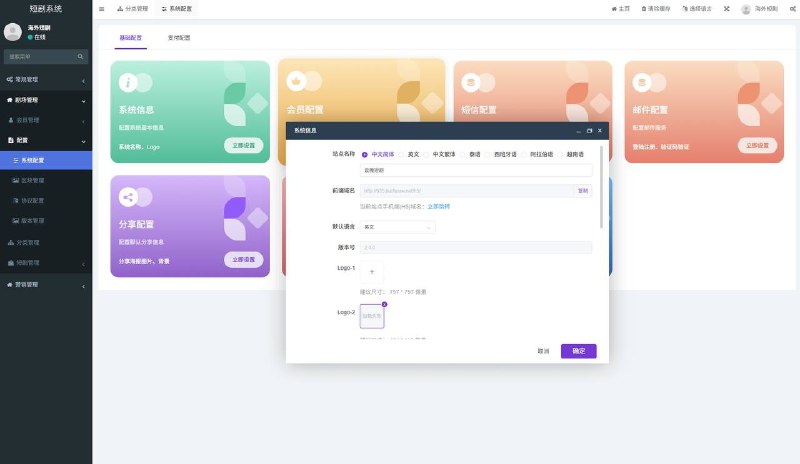
The overseas order grabbing system is built with a new UI frontend using Vue.js and a PHP backend with full source code provided. The core features include:
- Order Dispatch: Supports multiple order types including lucky orders and advanced orders. The dispatch algorithm assigns tasks based on user level and credit score.
- Chain Lock (Lian Dan Ka Dan): A gamified mechanic where users complete a sequence of orders to unlock higher rewards. This keeps users engaged and increases retention.
- Credit Score System: Users earn or lose credit points based on completion rates and behavior. Low credit users get fewer or lower-value orders.
- Order Reset: Admin can reset stuck or failed orders to restore the system queue and keep operations flowing.
- Order Review: Built-in review and rating system for quality control and user feedback.
From my experience, the credit score module is the most critical for keeping fraudsters out. I set the threshold at 60 points minimum for advanced orders.
2. Pre-Deployment Requirements and Environment Setup
Before you deploy, make sure your server meets the following requirements:
- PHP 7.4 or higher with MySQLi, GD, and cURL extensions enabled
- MySQL 5.7 or MariaDB 10.3+ for the database
- Node.js 16+ for building the Vue frontend
- SSL certificate (mandatory for overseas payment integrations)
- Minimum 2 CPU cores and 4GB RAM for smooth operation
I recommend using a cloud server in Singapore or Hong Kong for Southeast Asian markets. The latency is lower and the compliance requirements are simpler. I used Ubuntu 20.04 LTS with Nginx as the reverse proxy. One mistake I made early on was forgetting to enable open_basedir restrictions, which led to a minor security issue. Always configure PHP security limits before going live.
3. Common Deployment Issues and Solutions
3.1 Frontend build fails with Node.js version mismatch
If you see errors like npm ERR! code ENOENT during the Vue build, it usually means your Node.js version is too old. Upgrade to Node.js 18 LTS and run npm install again. I also recommend using cnpm if you are in China due to registry speed.
3.2 API endpoint 404 errors after deployment
The PHP backend uses clean URLs. Make sure your Nginx or Apache configuration has rewrite rules enabled. For Nginx, add try_files $uri $uri/ /index.php?$query_string; to the location block. Without this, all API calls will return 404.
3.3 Database connection timeout under high load
If the system slows down when dispatching orders, increase the MySQL max_connections and enable query caching. I also added Redis for session storage and queue management. This reduced the average response time from 800ms to 120ms.
4. Customization and Extension Options
Since the full source code is provided, you can customize almost everything:
- Multi-language support: Add language packs for English, Thai, Vietnamese, or Indonesian. The Vue i18n plugin is already integrated.
- Payment gateway: Integrate local payment methods like PayPal, Stripe, or regional wallets.
- Order types: Add custom order categories beyond lucky and advanced orders.
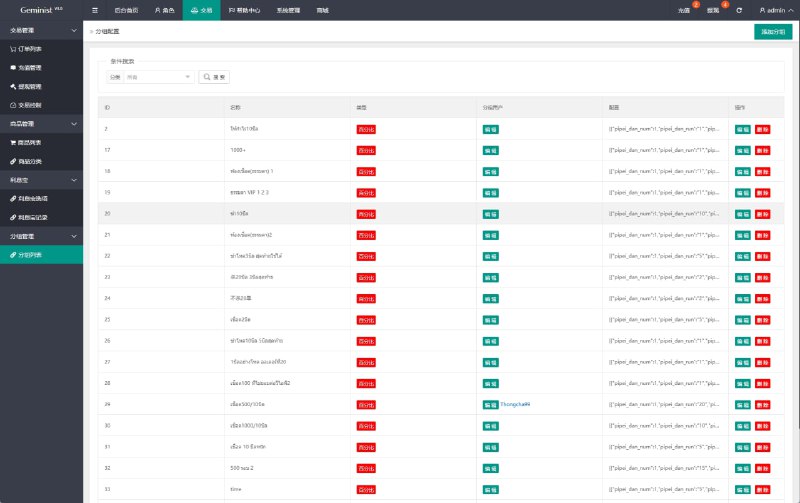
- Admin dashboard: Customize the admin panel to show real-time statistics and user behavior charts.
Pro Tip: Always test the chain lock logic with a dummy account before going live. A bug in the sequence calculation can cost you real users. I spent 3 hours debugging a loop issue that only appeared under specific credit score combinations.
5. FAQ
Q1: Is the source code encrypted or obfuscated?
A: No. The full PHP backend and Vue frontend source code is provided without encryption. You can modify every file including the dispatch algorithm and credit scoring logic.
Q2: Can I deploy this on a shared hosting server?
A: Technically yes, but not recommended. Shared hosting lacks the resources for queue processing and Redis. I strongly suggest using a VPS or cloud server with root access.
Q3: How long does the deployment typically take?
A: For an experienced developer, the basic setup takes 2-3 hours. If you are new to Vue or PHP, plan for 1-2 days including testing and customization.
#OverseasOrderGrabbing #OrderGrabbingSystem #VuePHPSystem #ChainLockSystem #CreditScorePlatform
-
 Alipay QR Code Scan
-
 WeChat Scan Pay