Probability Simulation System Deployment Guide: API Output + Multi-Level Agent Architecture Notes
Probability Simulation System Deployment Guide: API Output + Multi-Level Agent Architecture Notes
Disclaimer: This article is for technical education and demonstration only. It is not professional or financial advice. Any real-world deployment must comply with applicable laws and regulations.
I recently helped a client with a data demo project deploy a new version of a probability simulation system. Honestly, I had only heard about this kind of system before and never touched one myself. After installing it and running it through, I realized its core value isn’t in the frontend at all — it’s in the API line output layer. Simply put, it’s a site with a built-in random number demo engine, and it can also expose interfaces to third-party sites, so smaller sites without their own random number capability can plug in and run demos. Here’s my full deployment process and the pitfalls I hit, for anyone who needs a reference.
Hands-On Review: What This System Can Actually Do
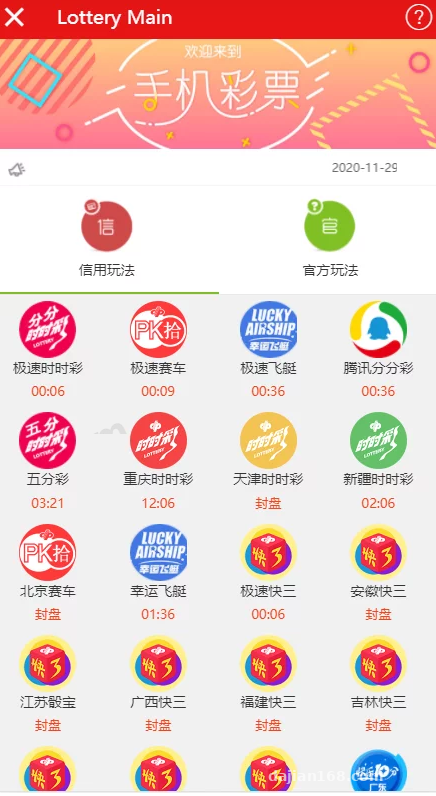
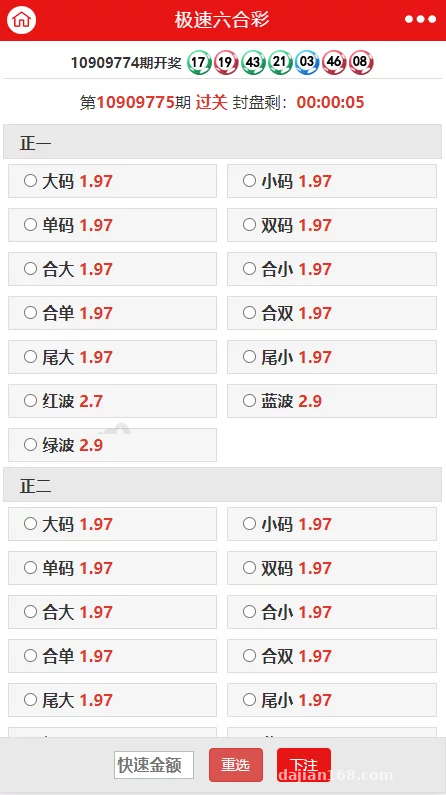
Let me lay out the architecture first. The whole system has three layers: master backend → agent → merchant. The master backend creates agent accounts, agents open merchant accounts, the generated keys are handed to merchants, and merchants use those keys to integrate with their own sites. Once the flow is set up, players on a merchant site can convert credits and enter the game to run point-based simulation demos.
The API Output Experience
API output is the selling point of this system. I tested it by connecting a demo site, and the flow goes roughly like this: get the key → configure the callback → convert credits → enter the game for point simulation. Response speed is decent — under peak local concurrency the disconnect rate was very low, and the UI rendering was smooth. The random number engine runs independently, so third-party sites just call the interface and don’t need to maintain their own market data simulation logic.
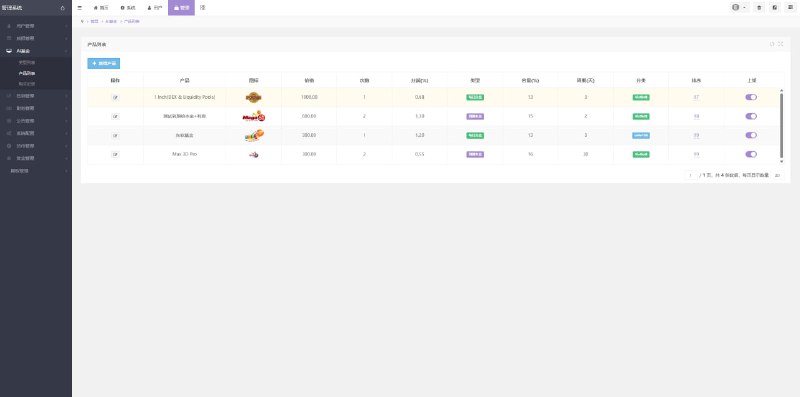
Backend Control Capabilities
The backend has more features than I expected:
– Agent hierarchy management: supports multi-level agents, with commission rates set individually
– Merchant management: each merchant gets an independent key, with credits and permissions controlled separately
– Credit conversion: conversion between player points and demo credits, with adjustable ratios in the backend
– Risk parameter settings: probability parameters, result publication timing, and other demo attributes can all be configured in the backend
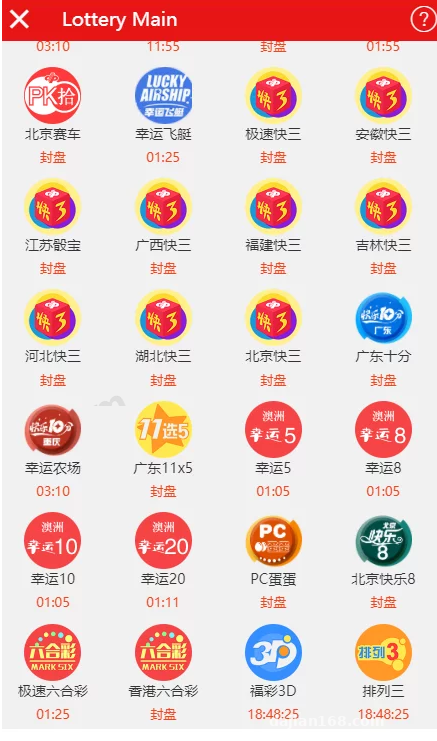
Key takeaway: the most valuable part of this system isn’t the frontend UI — it’s the API output architecture. One master backend can support N merchants, each with independent settlement and an independent key. It’s a great fit for building a data demo platform or an interface distribution business.
Deployment Essentials: Environment Setup and Pitfall Log
Here are the actual deployment parameters. I used the BaoTa panel, with this environment:
– Nginx 1.22 + PHP 7.4 (don’t use 8.x — some encrypted files will throw errors)
– MySQL 5.7; after importing the database, update the connection info in the config file
– Set the rewrite rules to the ThinkPHP pattern, or backend routes will 404
– Add a scheduled task for the result publication collection script — if you forget, the market data simulation won’t run automatically
A Few Easy Places to Trip Up
1. Directory permissions: the runtime and upload directories need 777, or the backend login will just show a blank page.
2. Key distribution: after an agent opens a merchant account, the key has to be manually copied and sent to the merchant — there’s no message push in the backend. My client kept asking where the key was, so I’d recommend writing a usage doc right after deployment.
3. Credit conversion: the credit interface between the merchant site and this system needs two-way signature verification. On my first integration the signature algorithm wasn’t aligned and conversions kept failing. After two hours of log digging, it turned out to be a timestamp timezone issue — switching to UTC fixed it.
Business Models and Customization Potential
This system offers flexible monetization options. From what I’ve seen, there are three mainstream approaches:
– API interface distribution: sell the random number demo interface to sites without in-house development, charging merchants a service fee
– Point-based demo platform: run your own demo site directly and use the points system for user retention
– Point reselling model: agents top up points for downstream merchants and earn the margin
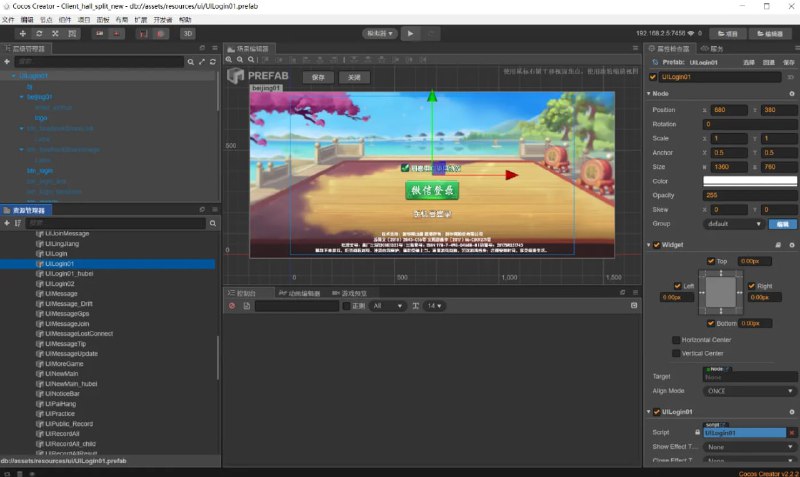
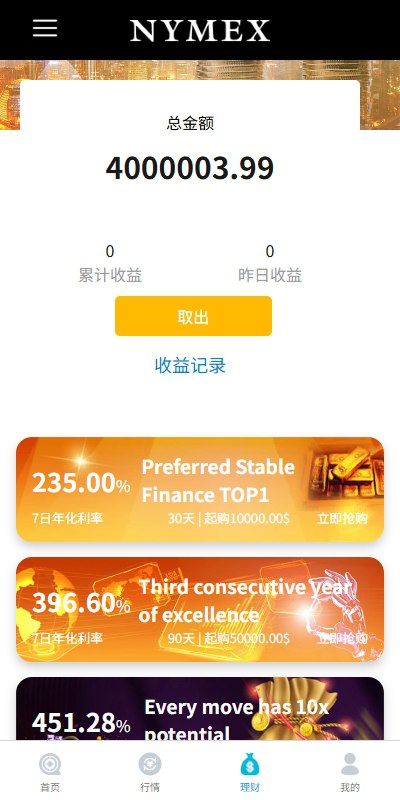
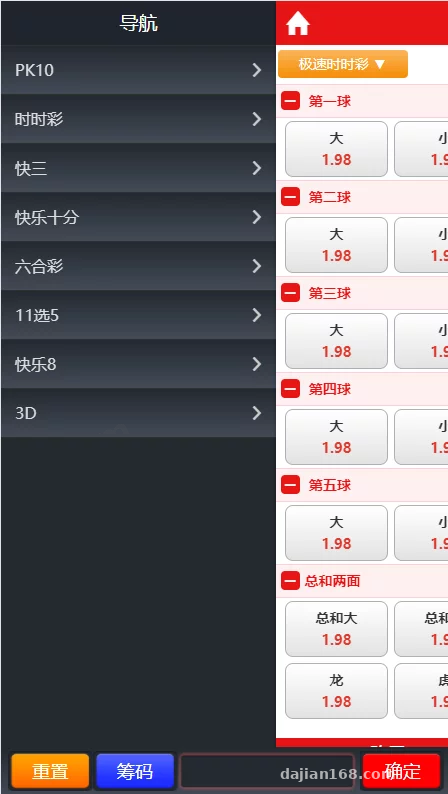
For customization, the frontend uses a standard template structure, so changing the UI isn’t hard. I’d suggest focusing on the credit interface layer — harden the signature mechanism and add a merchant self-service reconciliation page, which would improve the commercial experience a lot. The backend is PHP + MySQL, so anyone familiar with the TP framework will pick it up quickly; adding a multi-language pack is about a day’s work.
Who Should Deploy This
– Technical teams looking to run a data interface distribution business — the three-layer agent architecture works out of the box
– Site owners with an existing site but no random number demo capability — integration cost is low
– PHP developers who want to study a multi-level agent + merchant system — the code structure is clean and worth examining
It’s not ideal for complete beginners. While the BaoTa one-click environment is easy to set up, interface integration and signature debugging still require some PHP fundamentals.
FAQ
Q: What server specs are needed?
A: Start with 2 cores and 4GB RAM; 5M bandwidth or higher is recommended. Once you have many merchants, the bottlenecks are bandwidth and MySQL connections. I set up 4 cores / 8GB for my client, and it runs a dozen-plus merchants very smoothly.
Q: Can third-party sites integrate? What are the requirements?
A: Yes. After opening a merchant account in the backend and getting the key, just configure the callback URL and signature per the interface docs. The credit conversion documentation is fairly clear — the main pitfalls are timezone and signature alignment.
Q: Can I customize it to add multi-language support?
A: Yes. The frontend template’s language pack structure is already in place. Extract the copy into files like en.json, and add a cookie check for the switching logic. I did it once in about a day.
Q: Is the data secure? Do I need extra hardening?
A: Hardening is strongly recommended. Change the backend path, add an IP whitelist, back up the database regularly, and use production keys for interface signatures instead of demo keys. Deploying demo and production environments separately is even safer.
One final reminder: this source code is for technical learning and lawful data demonstration purposes only. Deployment and operation must comply with applicable laws and regulations, and any unlawful use is prohibited.
Disclaimer: This article is for technical education and demonstration only. It is not professional or financial advice. Any real-world deployment must comply with applicable laws and regulations.
#Source Code Deployment #API Interface #Probability Simulation #Agent System #Deployment Notes
-
 Alipay QR Code Scan
-
 WeChat Scan Pay