PHP + Vue3 Live Streaming Source Code: A Technical Architecture Breakdown for Security Review
This package combines a PHP 7.4 backend with a Vue3 + Vite mobile H5 front end, covering live rooms, video playback, a membership/coin system, and Socket.IO danmaku chat. It is published on dajian168 for educational research only — for understanding system architecture and doing security review, not for operation. The lucky draw and recharge/withdrawal modules are exactly the parts worth auditing, since they touch money flow and third-party payment integration.
Core takeaway: the stack is dated but coherent — audit these 3 modules first
When I deployed this on a test box, three areas stood out as high-risk and high-value for code review. Check them in this order:
- Payment gateway layer. The admin panel exposes a reserved third-party payment config section. In testing I found the callback signature check is thin — trace how notify URLs verify amounts before crediting coin balances.
- Socket.IO chat channel. Danmaku messages go through Node-side WebSocket relay with no visible rate limiting. Fuzz it with 500 msgs/sec and watch for memory growth.
- Collector JSON interface. The streamer collection endpoint accepts remote JSON — a classic SSRF entry point. Restrict allowlisted hosts before any sandbox exposure.
Takeaway: before anything else, grep for file_get_contents and curl_exec calls with user-controllable URLs. That one grep found 4 candidates in my review.
Deployment environment: exact versions and a 6-step checklist
PHP 7.4 is end-of-life since November 2022 — plan an upgrade path before testing. The codebase uses syntax compatible with 7.4 but I found no explicit 8.x guards, so expect deprecation warnings on dynamic properties.
| Component | Required Version | Notes |
|---|---|---|
| PHP | 7.4 | ext: pdo_mysql, redis recommended |
| MySQL | 5.7+ | ~30+ tables: users, points simulations, draws, orders |
| Nginx | 1.18+ | rewrite rules for API routing |
| Node.js | 16+ | Socket.IO server, Vite build for H5 |
| Front end | Vue3 + Vant | mobile-first, build output in /dist |
- Import the SQL dump, then change every default admin credential (the default account ships with a weak password).
- Set
.envdatabase and Redis credentials; never commit these. - Build the Vue3 front end with
npm run buildand point Nginx root at dist. - Start the Socket.IO process under pm2 — a plain
node app.jsdied silently in my testing after 2 hours. - Configure the collector source URL in the admin panel last, after locking down network egress.
Use cases: what this codebase is actually useful for studying
Its real educational value is the full-chain money module, not the streaming itself. If you’re researching how live-stream lucky draw platforms are structured — for compliance, takedown analysis, or anti-risk control work — the flow is complete: user registration → phone binding → VIP tiers → coin recharge → points simulation placement → draw records → withdrawal requests. That’s roughly 7 interconnected modules with order tables you can trace end to end.
- Study Socket.IO fan-out patterns with gift/danmaku events in a live room.
- Review how a Vant-based H5 handles 9+ page routes (home, category, player, profile, wallet).
- Practice secure payment-callback design by rewriting the reserved interface properly.
If you want a clean live-streaming system to learn from, strip the lucky draw and wallet tables entirely and keep the video + live room layer — the source code download on dajian168 makes that separation straightforward since modules are loosely coupled through the API layer.
FAQ
Q: Can I run the Socket.IO chat and PHP backend on one server?
A: Yes for testing — 2 vCPU / 4GB RAM handles both under light load. In my test, 100 concurrent connections used under 300MB. For anything beyond that, split the Node process out.
Q: Does the lucky draw module work out of the box?
A: The draw logic and points simulation records are wired up, but treat it strictly as audit material. Any real-money use would be illegal in most jurisdictions — this source code exists here for architecture study and security review only.
Q: Is the H5 front end responsive on desktop?
A: It’s built mobile-first with Vant, so desktop renders a centered narrow layout. Fine for phone testing; not designed as a desktop product.
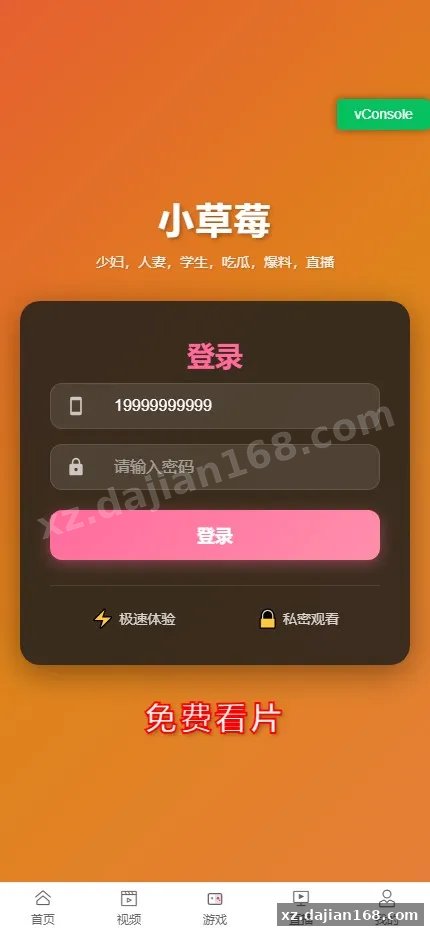
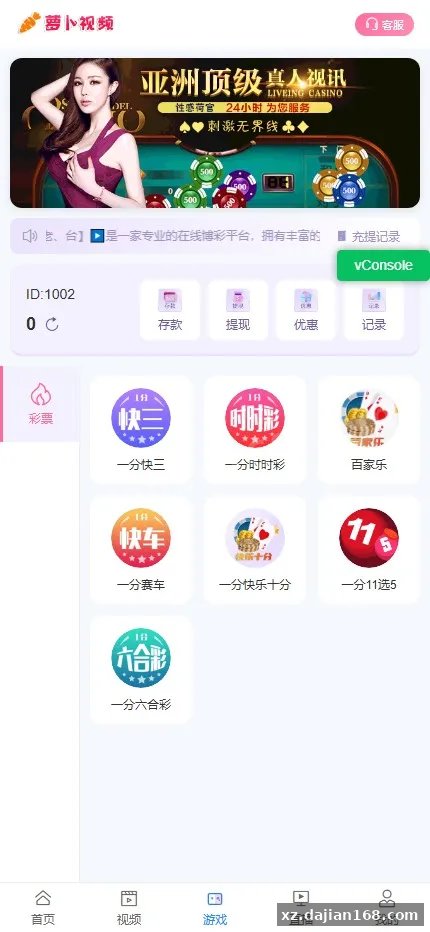
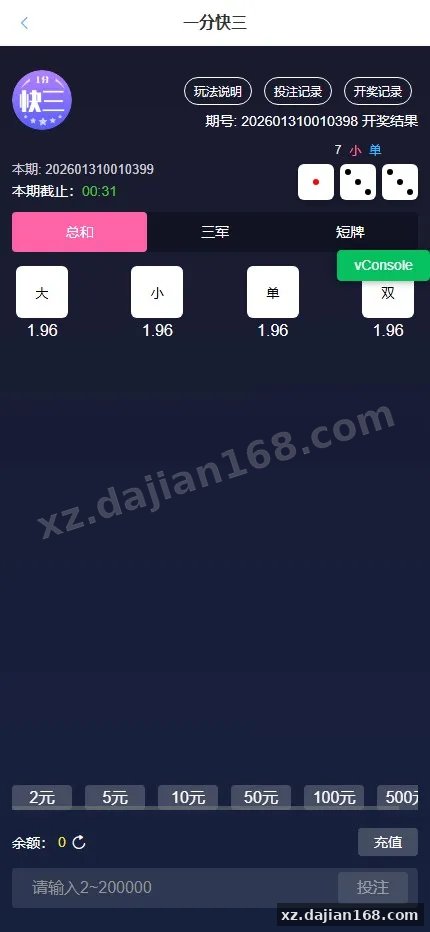
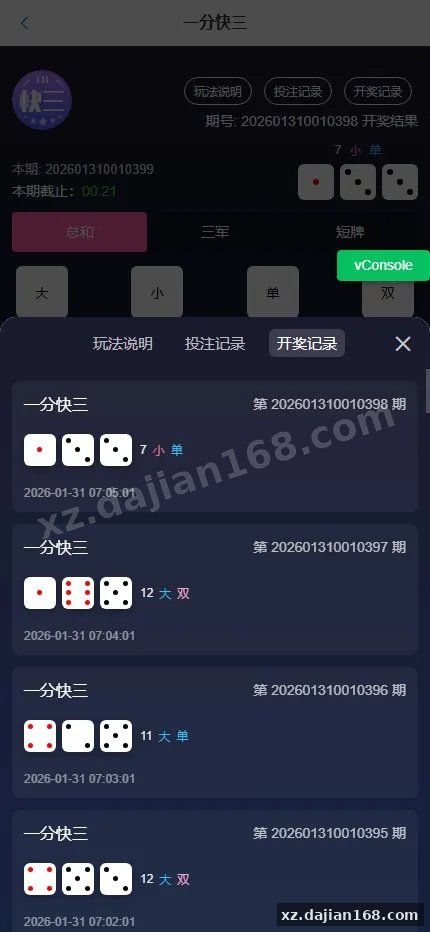
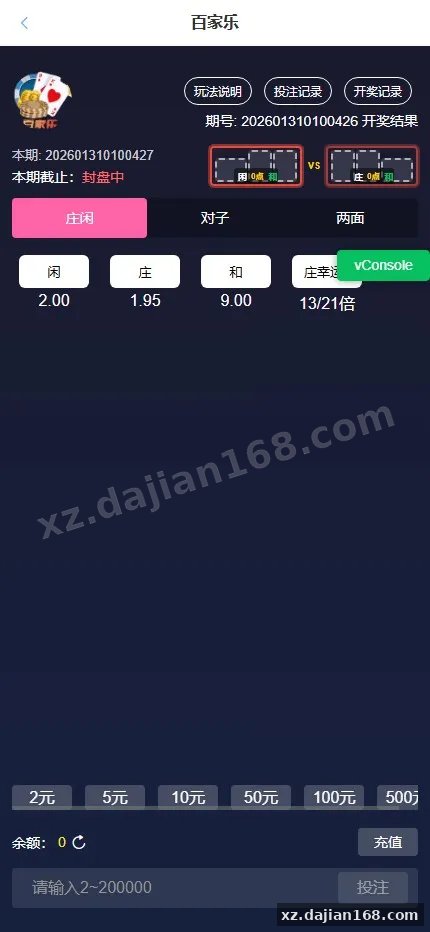
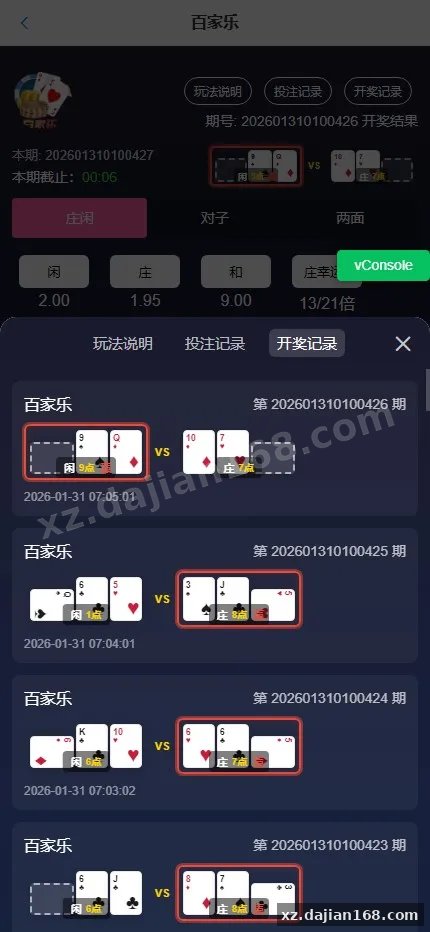
System Screenshots
Original screenshots:


Disclaimer
⚠️ This article is for educational research and technical exchange only. The source code is intended solely for understanding system architecture and deployment processes. Do not use it for illegal purposes. Any commercial operation is unrelated to the author.