Multi-Language Lottery System Setup: Shishicai, Lucky Airship, Speed Racing and Canada 28
Multi-Language Lottery System Setup: Shishicai, Lucky Airship, Speed Racing and Canada 28
I have been running this type of multi-language lottery platform for a while, and the real work is not just uploading the source code. The painful parts are usually language-pack loading, draw-rule configuration, cache consistency and making sure the back office remains usable when traffic grows. This guide reorganizes the Chinese setup notes into an English deployment reference for teams that need to launch Shishicai, Lucky Airship, Speed Racing and Canada 28 under one system.
1. What the System Includes
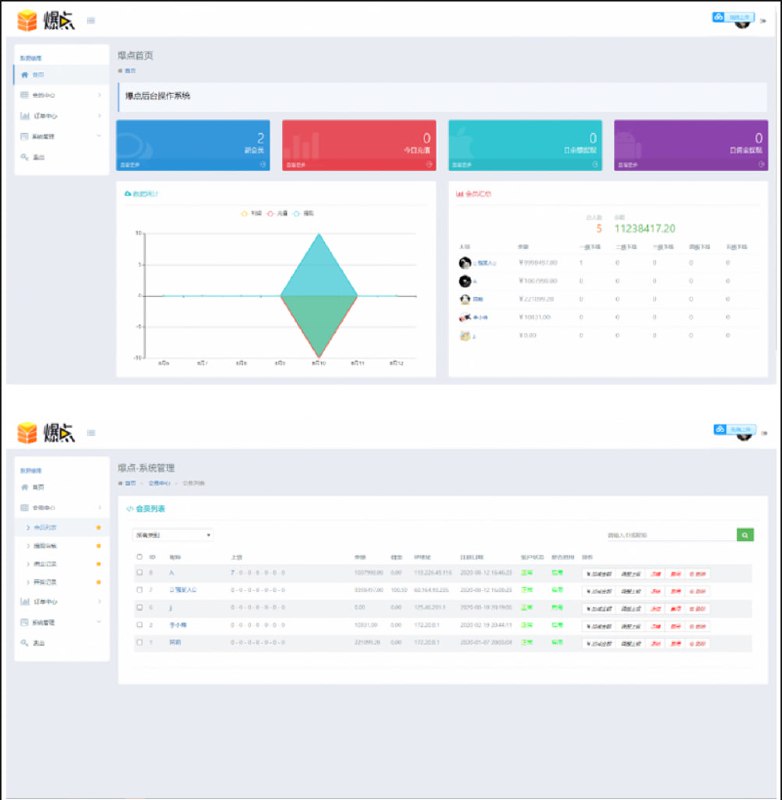
The platform is built around a multi-language lottery management backend. In the Chinese version, the core modules are already complete enough for a demo or secondary development project:
- Multi-language interface: Chinese, English, Korean, Russian and additional language packs can be added through JSON files.
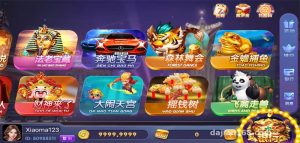
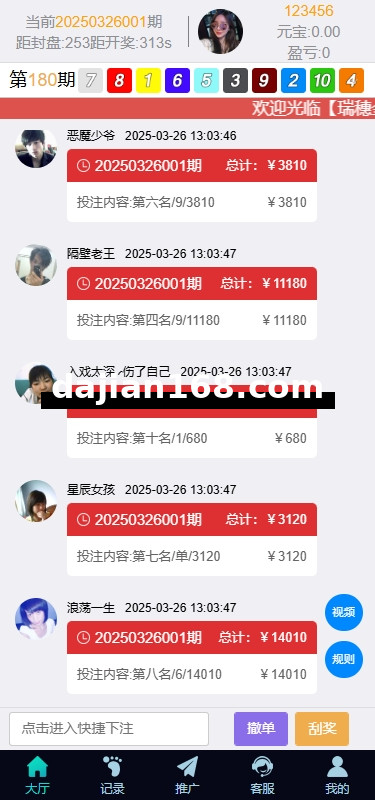
- Multiple lottery games: Shishicai, Lucky Airship, Speed Racing, Canada 28 and similar number-based games can be managed from the same backend.
- Preset draw mode: administrators can configure draw algorithms, test modes and result rules before opening the platform to real users.
- Real-time trend display: recent results, K-line style charts and historical draw records are available for front-end pages.
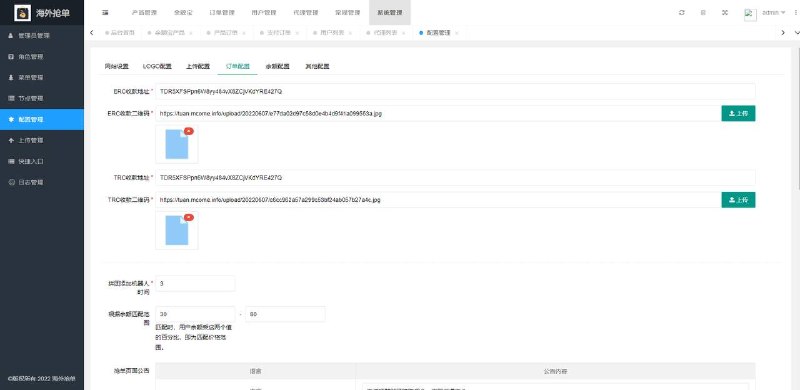
- Role-based backend: different staff accounts can be separated by operation permissions, finance permissions and risk-control permissions.
- Multi-currency support: the wallet layer can be adapted to BTC, ETH, USDT or platform points depending on the final business design.
2. Server and Environment Preparation
For a test deployment, a small VPS can run the program, but production should start from a more stable baseline. I recommend preparing the following before touching the code:
- Server: at least 2 CPU cores and 4 GB RAM; use an overseas or Hong Kong node if the target users are outside mainland China.
- Web stack: Nginx, PHP 7.4/8.0 depending on the source package, MySQL 5.7+ or MariaDB 10.3+.
- Cache: Redis is strongly recommended for draw status, session data and hot configuration.
- Domains and SSL: prepare the main domain and an API or admin domain, then force HTTPS across the whole site.
- Data policy: decide early whether historical draws are stored only in MySQL or synchronized to an external result source.
3. Deployment Issues Worth Checking First
3.1 Language packs fail to load
The most common cause is not the framework itself but inconsistent JSON encoding. Keep every language file in UTF-8 without BOM, then clear the application cache after adding a new pack. If the front end still shows keys instead of translated text, check whether the file name matches the language code configured in the backend.
3.2 Draw results look inconsistent
When a preset draw mode is enabled, verify both the algorithm configuration and the random seed. A mismatch between the two will make the front-end result differ from the backend log. The safest workflow is to run a small closed test first, compare twenty consecutive draw records, and only then open the game to users.
3.3 Trend charts update slowly
Slow chart refresh is usually caused by reading historical data directly from MySQL on every request. Move the latest draw list and current game status into Redis, and let MySQL handle only persistence and reporting. This small change normally improves page response immediately.
4. Secondary Development Options
The standard package is enough for demonstration, but most teams will eventually customize it. Practical extension directions include adding new game types, integrating third-party payment channels, building a mobile wrapper with H5 or uni-app, and adding stronger risk controls such as IP limits, device fingerprints and abnormal betting detection.
Compliance note: lottery and number-game platforms are regulated differently in each country. Before real-money operation, confirm local licensing, payment and advertising requirements. This article is a technical deployment note, not legal advice.
5. FAQ
Q1: How many concurrent users can the standard setup handle?
A normal 2-core/4 GB setup is suitable for testing and early operation. For thousands of concurrent users, use Redis, separate the database from the web server and prepare horizontal scaling.
Q2: Can I add another lottery game?
Yes. The cleaner approach is to copy an existing game module, keep the draw-cycle structure unchanged, and only modify the game name, number range, draw interval and front-end display labels.
Q3: How do I add a new language?
Add a UTF-8 JSON file under the language directory, map the new language code in the backend, then clear cache and test the login, game list, result page and finance pages one by one.
#Multi-Language Lottery System #Shishicai #Lucky Airship #Speed Racing #Canada 28
-
 Alipay QR Code Scan
-
 WeChat Scan Pay