Building a Board Game Demo Room Voucher System: Android Client + Server Deployment Notes
Building a Board Game Demo Room Voucher System: Android Client + Server Deployment Notes
Disclaimer: This article is for technical education and demonstration only. It is not professional or financial advice. Any real-world deployment must comply with applicable laws and regulations.
I recently helped a client deploy a board game demo system built around a room voucher model. It took me a bit over two days of fiddling, so I’m writing down the process — partly for my own reference later, partly to help anyone else deploying this source code avoid the same pitfalls. The overall architecture isn’t complicated: it’s basically four pieces — server, Android client, web frontend/backend, and database — but the details hide plenty of traps.
Feature Walkthrough: How the Room Voucher Model Actually Works
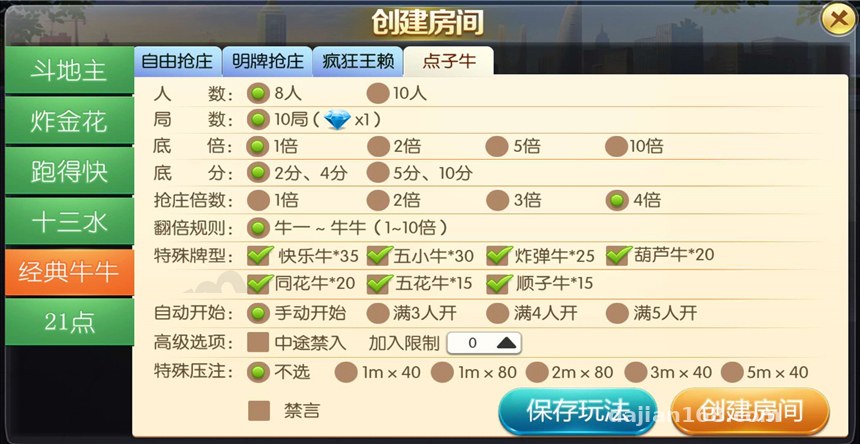
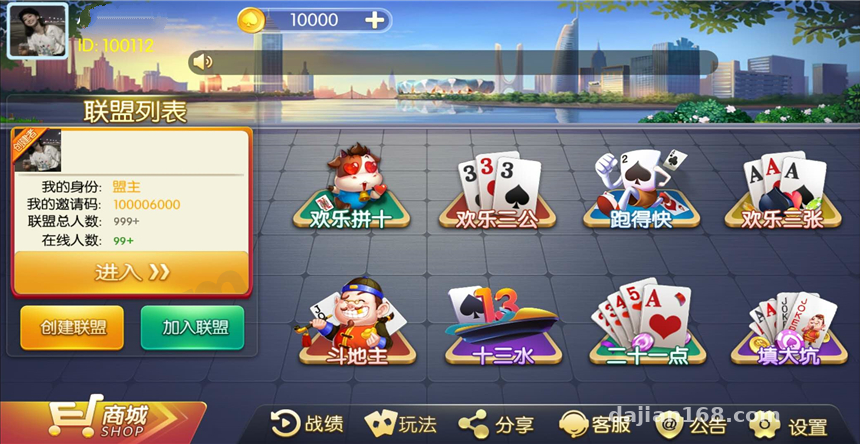
Let me go through the features first. The whole system runs on a room voucher model: users create rooms in the client, which consumes vouchers, and they can watch or join other people’s rooms. The platform bundles a bunch of random-number demo games — card simulation simulation, demo card matching, thirteen-card demo, classic niuniu demo, blackjack demo, and more — each with multiple play modes you can switch between. In short, it’s a collection of probability simulations and card game demos, suitable for technical showcases or entertainment-oriented demo sites.
Client Experience
After installing the Android client, I logged in with WeChat and the authorization flow went smoothly. The UI isn’t stunning but it’s not sloppy either — the card table animations run fine on mid-range devices. I ran it overnight on a Redmi test phone with no crashes. After decompiling the client, the resource file structure is clean and tidy, so swapping the logo, splash screen, or color scheme is easy to do.
Admin Panel Control
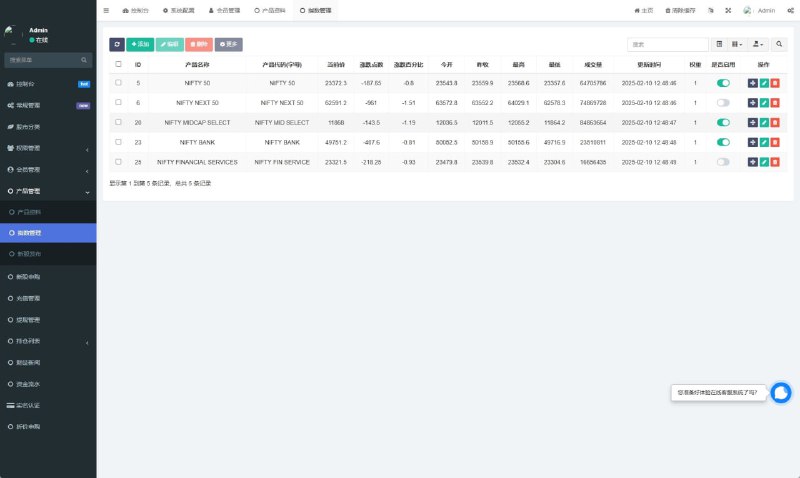
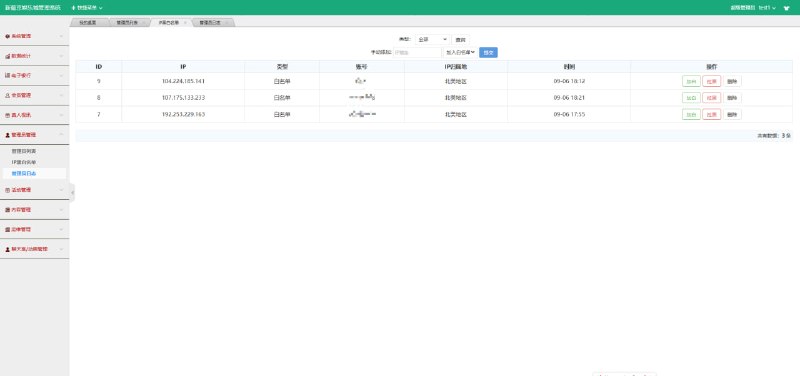
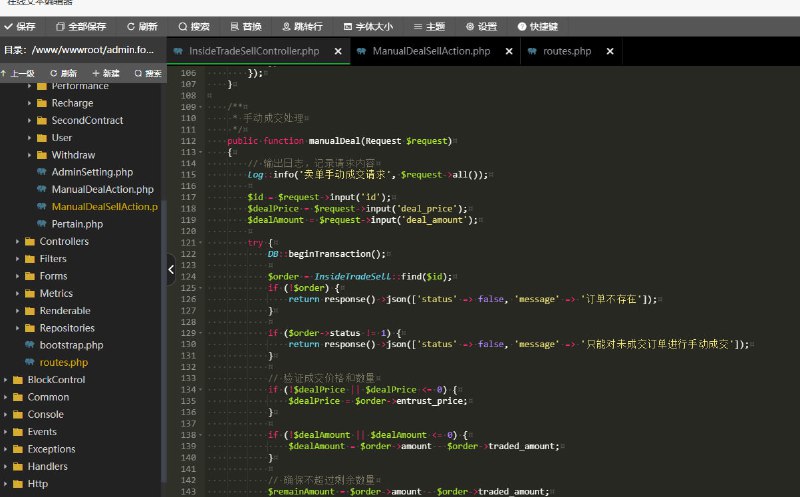
The backend is written in PHP, with an admin account to log in. Core features include: issuing and reclaiming room vouchers, user management, game mode toggles, and statistics reports. The voucher consumption ratio is configurable in the panel, which matters a lot for secondary development. Logging is thorough too — you can trace which account consumed how many vouchers and when.
Deployment Essentials: My Environment Setup
My environment is CentOS 7.9 + BaoTa panel, Nginx 1.22 + PHP 7.4 + MySQL 5.7. I’d recommend running the server component as a separate process — don’t mix it with the web frontend — and remember to open the port in your security group.
A Few Easy Places to Trip Up
First, the database import. The SQL file is several hundred megabytes; importing it through phpMyAdmin will time out. I used the command line with source instead — done in two minutes. Second, packaging the Android client: the social login callback configuration must match the parameters filled in the backend. That’s where I messed up the first time — login kept throwing errors, and after digging through logs for ages I realized I hadn’t changed the package name. Third, room voucher initialization: you need to run a SQL script for the initial demo voucher data, otherwise new users will get an “insufficient balance” prompt when entering a room.
The source code package is complete: server, Android client, web frontend, backend, and database are all there. No hunting around for missing patches — that alone makes it far less of a headache than many half-finished codebases.
Secondary Development and Extension Room
A client asked whether new game modes could be added. The answer is yes. The card game logic lives in modular directories on the server, one independent module per game mode, with clearly defined interfaces — copying the pattern to build a new mode isn’t hard. As for payments, the source code itself runs on a virtual voucher system and doesn’t touch real-money interfaces. If you want to hook in your own membership top-up system, you’ll need to integrate a third-party payment SDK yourself — roughly two to three days of work. On localization, the client’s string resources are concentrated in a single strings file, so producing an English version isn’t painful.
Who This Is For
This setup suits three kinds of people: individual webmasters who want to run a card game demo site, developers looking for random-number simulation or probability demo projects to practice on, and teams building customized entertainment demo platforms for clients. If you’re hoping to use it for anything else, drop that idea now — systems like this are for demos and technical research only.
FAQ
Q: What server specs do I need?
A: 2 cores and 4GB RAM is enough to run a demo. For higher concurrency, go 4 cores and 8GB. I’d suggest at least 5M bandwidth — the card table animations are a bit bandwidth-hungry.
Q: Is WeChat login configuration mandatory?
A: During the demo phase you can use guest mode to enter the client. Before going live properly, just fill in the open platform parameters — and note the callback domain needs ICP registration.
Q: Can I change the Android client’s name and icon?
A: Yes. Decompile, modify the resources, then re-sign and repackage. Remember to update the version check parameters in the backend at the same time, or the client will report a version mismatch.
Q: Is ongoing maintenance a hassle?
A: Day to day it’s just database backups and log cleanup. The backend has a built-in data backup entry, but I’d also set up a crontab to auto-backup once every night — I’ve been burned by skipping backups before.
All in all, this source code is moderately difficult to deploy, the file completeness is good, and while the secondary development docs are missing, the code comments are reasonably friendly. One final reminder: deploy and use this in compliance with applicable laws and regulations. Any unlawful use is prohibited — it is for technical learning and demonstration only.
Disclaimer: This article is for technical education and demonstration only. It is not professional or financial advice. Any real-world deployment must comply with applicable laws and regulations.
#Source Code Deployment #Board Game Demo #Android Client #Server Deployment #Room Voucher System
-
 Alipay QR Code Scan
-
 WeChat Scan Pay