H5 Board Game Simulation System Build Log: Fully Open-Source Deployment + Admin Panel Hands-On Notes
H5 Board Game Simulation System Build Log: Fully Open-Source Deployment + Admin Panel Hands-On Notes
Disclaimer: This article is for technical education and demonstration only. It is not professional or financial advice. Any real-world deployment must comply with applicable laws and regulations.
I recently helped a client who needed a technical demo deploy an H5 board game simulation system—the kind of H5 front end with card simulation demos, blackjack simulation, and baccarat-style demo play, where the admin panel lets you configure demo parameters for each round’s random number results, supporting both group control and single control. The entire source code is fully open-source with no license verification, so it runs out of the box. After two days of tinkering, here are the pitfalls I hit, to save some time for anyone who wants to dig into it later.
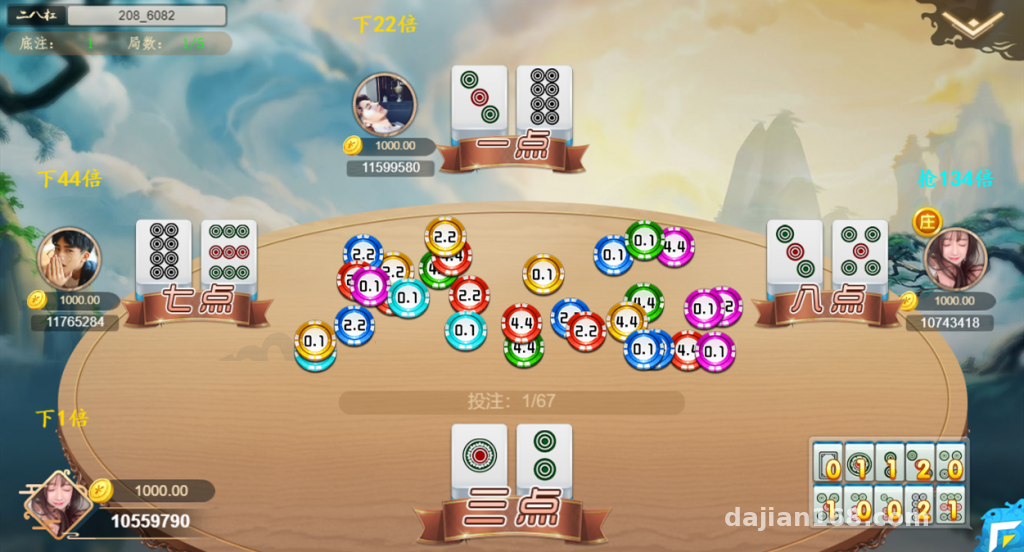
Feature Review: What This System Can Actually Do
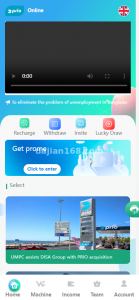
Bottom line up front: the feature completeness exceeded my expectations. The front end is standard H5—open it directly in a mobile browser, no app install needed. The responsive adaptation is decent; I tested on both iOS and Android and found no obvious layout issues.
Game Modules
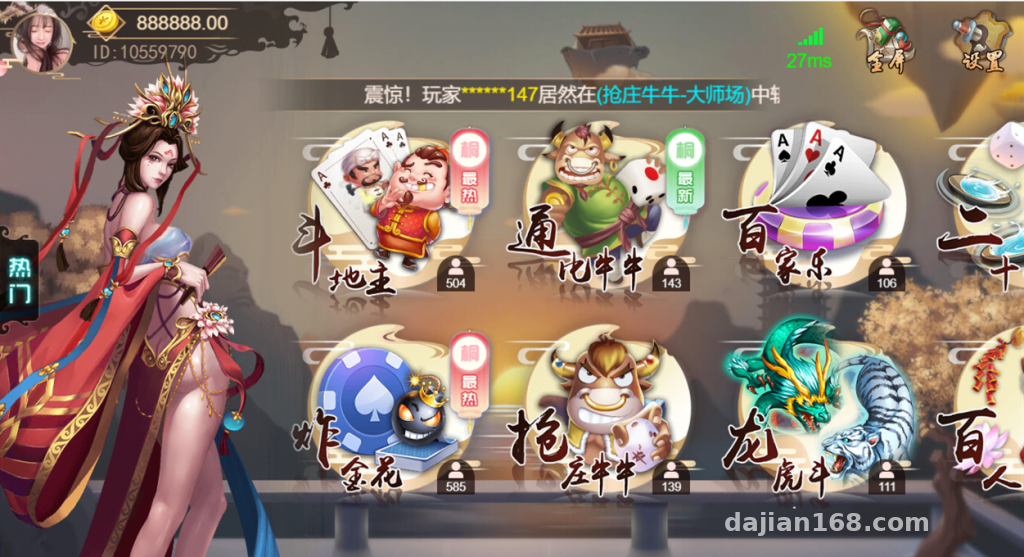
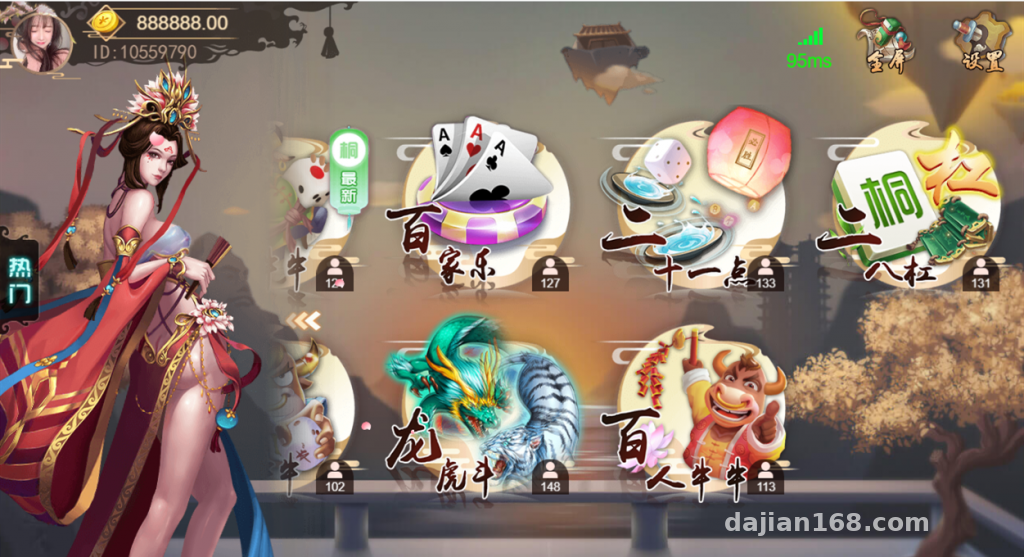
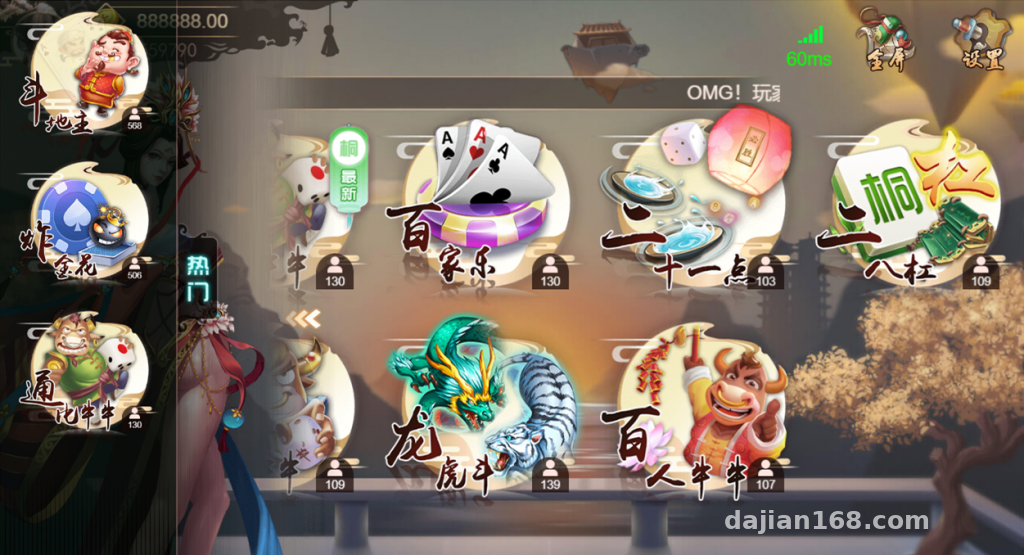
There are quite a few built-in simulation modes: card simulation demo, comparative Niu Niu, baccarat simulation, blackjack simulation, Zha Jin Hua demo, banker Niu Niu, Dragon Tiger demo, Er Ba Gang, and multiplayer Niu Niu—about nine in total. Each one is an independent room structure running on the same random number engine. The admin panel can adjust demo parameters for a single room or batch rooms, which is the difference between single control and group control—single control applies to one specific room ID, while group control pushes configurations in bulk.
Admin Panel
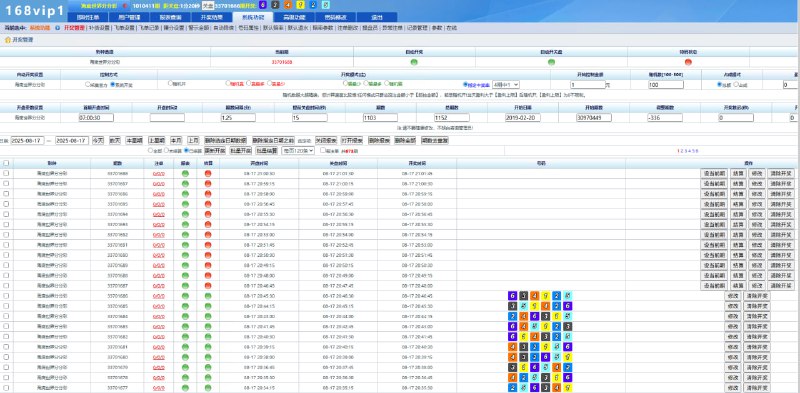
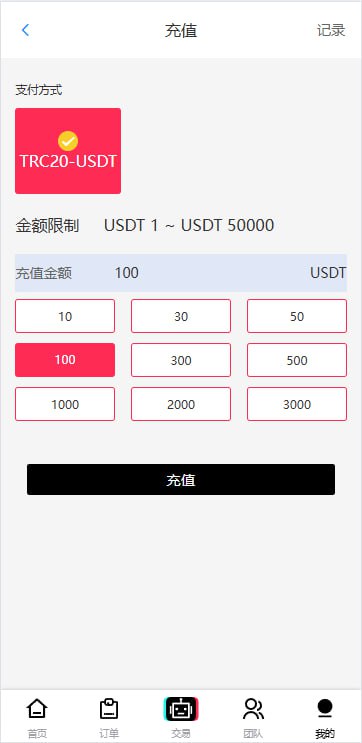
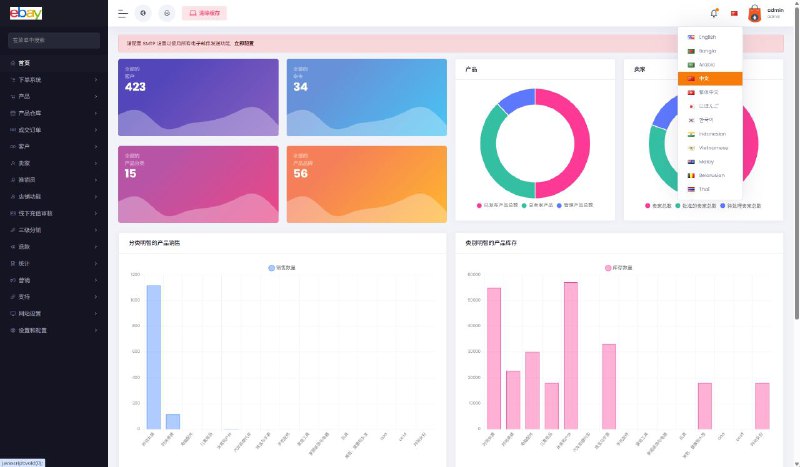
The backend uses the classic three-tier structure: admin, agent, and player accounts. Admins can configure room parameters, view real-time data flows, and manage account balances (demo coins). The agent system has hierarchy levels, suitable for a distribution demo model. The accounting reports are quite detailed—every round’s random number results, participating accounts, and demo coin changes are all logged. If you’re doing data analysis or secondary development, these table structures are more than enough.
Deployment Essentials: Environment Setup and Pitfall Log
The source code doesn’t demand much from the environment, but there are a few spots where things can go wrong.
Server Environment
My setup: CentOS 7.9 + Nginx 1.22 + PHP 7.4 + MySQL 5.7. Don’t go with PHP 8.x—the code has plenty of legacy patterns, and 8.0 throws a pile of deprecated function errors. MySQL 5.7 is fine; the data volume isn’t big. If you’re using the BaoTa panel, remember to unblock exec and shell_exec in the disabled functions list, or the scheduled tasks won’t run.
Front End and API
The H5 front end ships as compiled output—if you want to change styles, edit the template directory; don’t expect front-end project files. Watch out for WebSocket: Nginx must be configured with a ws proxy, or real-time room refreshes will drop. I got stuck on this for nearly an hour before realizing the proxy_set_header was missing the Upgrade parameter.
Payment Interface Integration
The system reserves a payment interface layer, defaulting to demo coin mode with no real integration needed. If you’re doing secondary development for e-commerce marketing or task distribution, the API docs include a standard callback signature spec—MD5 plus timestamp verification—so just write an adapter class following it. My advice: use demo coins in the demo environment and skip the integration hassle entirely.
Highlight: fully open-source with no encryption and no license checks, all control-panel parameters in plain text and editable—great freedom for secondary development. Suitable for probability demos, random number algorithm research, or board game simulation teaching projects.
Secondary Development Tips and Multi-Language Support
The code structure follows the classic ThinkPHP layered style—controller, model, and service are cleanly separated, so anyone who knows PHP can pick it up quickly. Language packs live in the lang directory, defaulting to Simplified Chinese. I added an English pack on the fly; it wasn’t hard, took about half a day. To add a new game mode, just copy an existing Niu Niu module and modify the random number logic—the engine is shared.
Who This Is For
Three groups will find this useful: developers learning PHP back ends and WebSocket real-time communication who want a real project to practice on; teams building board game simulation or probability demo teaching materials; and secondary developers studying random number engines and account system design. If you’re a complete beginner hoping to launch it right away, I’d suggest getting a local environment running first.
FAQ
Q: Do I need a license code or software optimization patch?
A: No. This is a fully open-source version with no license verification logic. After deployment, go straight into the admin panel and just change the default account password.
Q: How many concurrent users can one server handle?
A: I tested on a 2-core 4GB lightweight cloud server—WebSocket concurrency pushed to around 300 with no strain. For higher concurrency, start with 4 cores and 8GB, and put WebSocket on a separate machine.
Q: How should the outcome control feature be understood?
A: To be precise, it’s demo parameter configuration. The admin panel can set demo modes for the random number distribution per room, used in teaching scenarios to show result trends under different probabilities. It’s essentially a random number demo switch, nothing mysterious.
Q: How is the mobile experience?
A: The H5 is fully responsive and opens directly in WeChat’s built-in browser. Load speed depends on server bandwidth—I recommend putting front-end static assets on a CDN.
Disclaimer: This article only shares legitimate technical deployment experience. All demo features are for learning and research purposes only. Please comply with applicable laws and regulations when using them, and never use them for any unlawful purposes.
Disclaimer: This article is for technical education and demonstration only. It is not professional or financial advice. Any real-world deployment must comply with applicable laws and regulations.
#H5 Source Code #Board Game Simulation #System Deployment #PHP Setup #Open-Source Project
-
 Alipay QR Code Scan
-
 WeChat Scan Pay