Cross-Border E-Commerce Source Code Deployment: Vietnamese Multi-Language Mall with E-Signature and Buyback Modules
Cross-Border E-Commerce Source Code Deployment: Vietnamese Multi-Language Mall with E-Signature and Buyback Modules
Disclaimer: This article is for technical education and demonstration only. It is not professional or financial advice. Any real-world deployment must comply with applicable laws and regulations.
Late last month, I helped a friend working in Southeast Asian cross-border trade set up a Vietnamese online mall system. His business focuses on retail and second-hand circulation of high-end bags and watches. Most generic open-source e-commerce platforms on the market are either too bloated or lack proper localization details. Fortunately, I had a deeply customized Vietnamese luxury mall source code on hand. It not only polished foundational details like local bank card settlement and regional access control, but also added electronic contract signing and item buyback modules—fitting his business scenario perfectly. I spent two nights getting the entire environment up and running, and decided to document the deployment and testing process here.
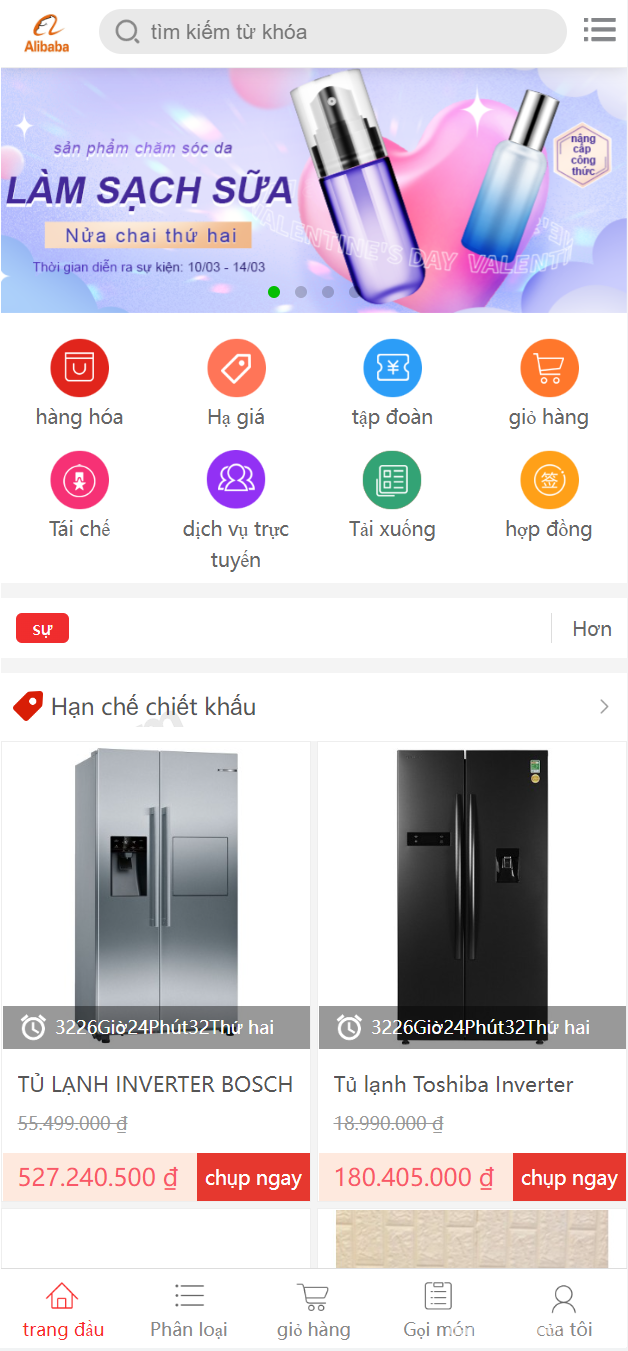
Testing Core Custom Features and Key Highlights
After extracting the source code package and checking the directory structure, I saw that the backend uses a very mature PHP framework, while the frontend consists of compiled mobile-responsive views. Compared to older versions, this secondary development resolves several key pain points when launching in Southeast Asia.
1. E-Signature (Online Electronic Contract) Module
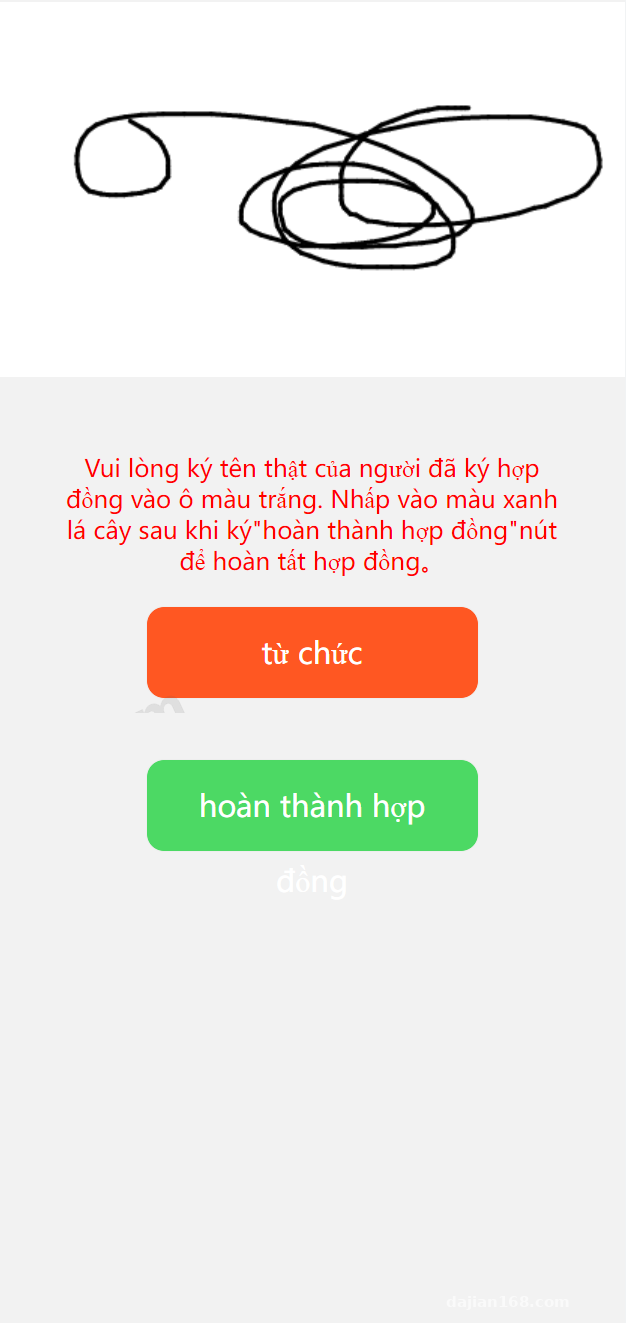
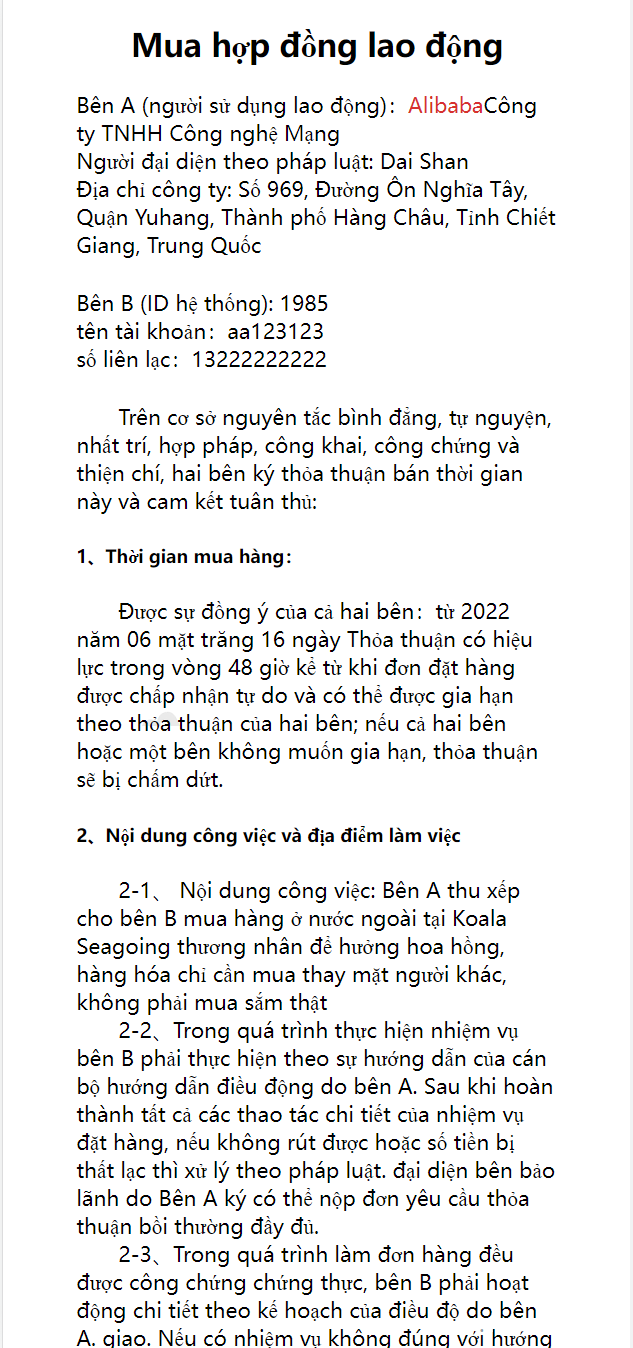
When handling cross-border sales or consignment of high-ticket items like pre-owned luxury watches and designer bags, buyers and sellers often need to sign an electronic agreement that serves as valid proof. This system embeds an e-signature feature directly into the order workflow. Once the user confirms the item’s condition and price on the frontend, the system automatically pulls a preset Vietnamese contract template from the backend, dynamically rendering the item serial number, amount, and party details. Customers sign directly on their mobile screens by hand. The backend then generates a transparent image via Canvas and merges it into a PDF document for archiving. Administrators can view or download signed contracts from the backend at any time, saving the hassle of mailing physical paperwork offline.
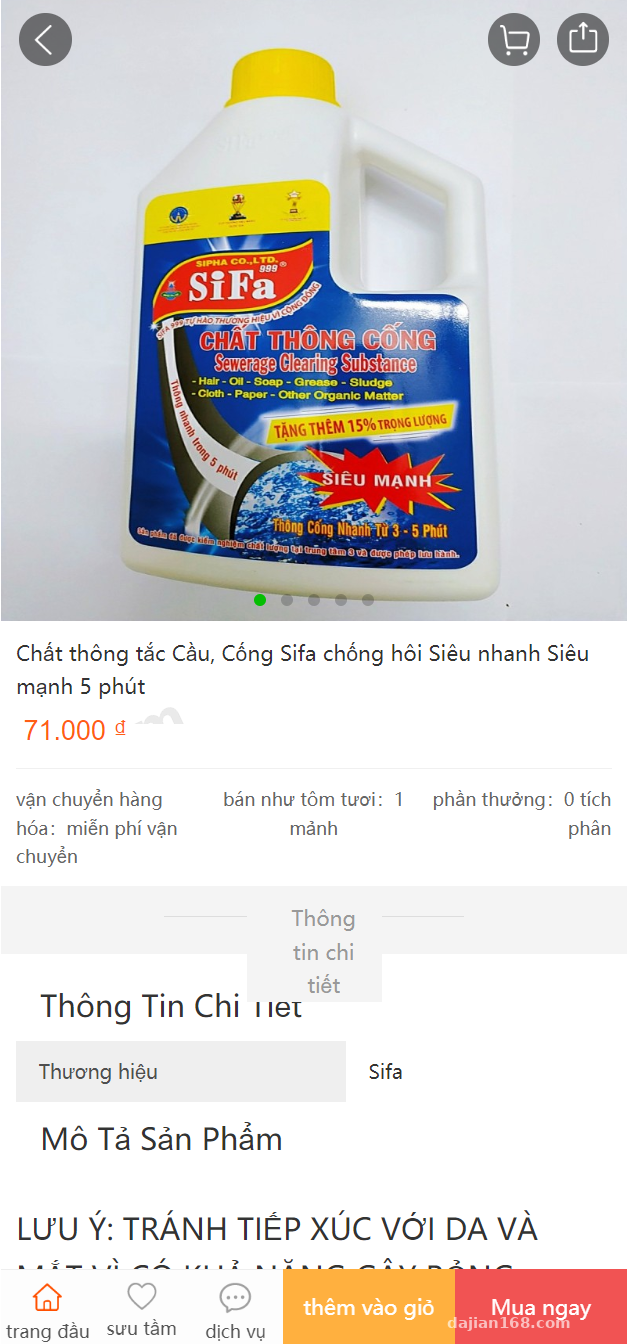
2. Idle Item Buyback and Platform Repurchase Loop
Beyond standard B2C purchasing, the system includes a complete built-in buyback and consignment logic. Users can view a list of their purchased items in their personal center or submit appraisal requests for external goods. Once the backend approves the request and provides an estimated value, the user can trigger the buyback workflow with a single click. The funds are credited directly back to the user’s mall balance account, making it easy for repeat purchases or settlement requests.
3. Localized Payment and Regional Access Restrictions
The biggest headache when targeting the Vietnamese market is dealing with local bank card formats and risk control. During checkout and settlement binding, this source code already includes built-in validation rules for card numbers and branch codes of major Vietnamese banks (such as Vietcombank, Techcombank, etc.). Additionally, the backend comes with an IP region restriction toggle. Depending on business needs, you can allow only IPs from specific countries or regions to access the frontend pages, preventing malicious scanning from irrelevant traffic.
Webmaster Testing Tip: Electronic contract generation relies on the server’s PDF extension libraries and font files. If the generated Vietnamese contracts show garbled text or missing diacritics, make sure to check whether the
/usr/share/fonts/directory on your Linux server has TrueType fonts installed that support the Vietnamese character set (installing DejaVu Sans or Arial Unicode is recommended).
Server Environment Configuration and Deployment Troubleshooting
This system does not demand heavy server hardware, but to ensure fast image loading and PDF synthesis, I recommend using a cloud server located in Hong Kong or Singapore. For this deployment, I used a 2-core 4GB Ubuntu 20.04 machine paired with the aaPanel (Baota) control panel to set up the environment.
Basic Environment Parameters
- Web Server: Nginx 1.20+ (Apache is not recommended due to high memory consumption under high concurrency)
- PHP Version: PHP 7.3 or 7.4 (must install fileinfo, redis, gd, and imagick extensions; gd and imagick are required for processing electronic signature synthesis)
- Database: MySQL 5.7 (the character set must be set to utf8mb4, otherwise inserting special Vietnamese characters will throw errors)
- Cache Service: Redis 6.0+ (used for handling task distribution queues and session caching)
URL Rewrite and Directory Permission Configuration
After uploading the source code to the website root directory, don’t rush to open the site yet. Go to the site settings, point the running directory to /public, and configure standard ThinkPHP Nginx URL rewrite rules. Next, check the permissions for both the /runtime and /public/uploads directories—grant them full 755 permissions and set the owner to the www user. During my first run, the uploads/contract directory lacked write permissions, causing the frontend to throw a 500 error every time I signed and clicked submit. It wasn’t until I checked the Nginx error logs that I realized the PDF files couldn’t be written to the disk.
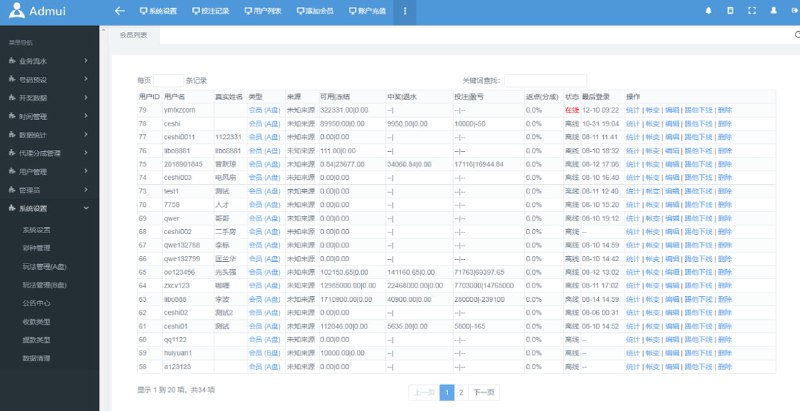
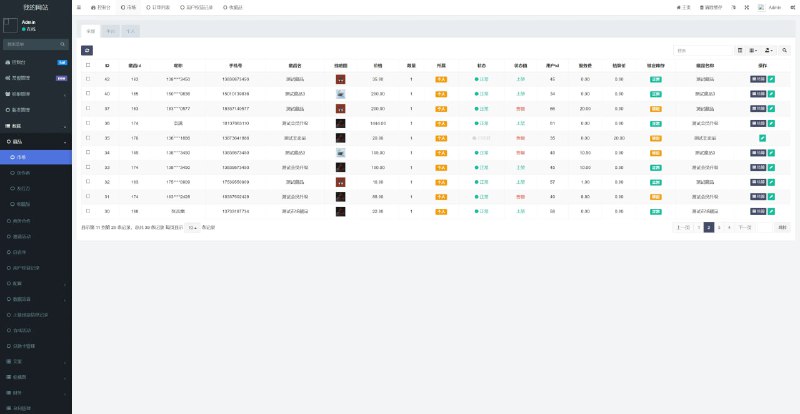
Once the database is imported, edit the .env configuration file in the root directory to fill in your database credentials and Redis port. The backend has an independent entry URL by default. The very first thing to do after logging in is to navigate to “System Configuration” and replace the site domain with your own HTTPS domain; otherwise, all static assets and product images on the frontend mall will appear broken.
Who Is This System Built For?
Looking at the overall architecture, this source code isn’t a massive, all-in-one multi-vendor marketplace. Instead, it is a customized self-operated and buyback mall tailored for vertical categories (such as luxury goods, streetwear, 3C electronics, and other high-value items). It is an ideal fit for the following developer or business teams:
- Cross-border teams expanding into Southeast Asian markets like Vietnam who need to quickly launch a localized vertical e-commerce system;
- Businesses involving pre-owned luxury buyback, consignment, or rental scenarios that require signing electronic vouchers online;
- Developers looking for a clean, unencrypted PHP base package with clear code structure that makes it easy to integrate local third-party logistics or payment gateways later on.
Frequently Asked Questions (FAQ)
Q: Does the frontend only support Vietnamese? Can it be changed to English or Thai?
A: The underlying system has a multi-language pack mechanism. Currently, the frontend views and backend prompts are deeply optimized for Vietnamese by default. If you know a bit of frontend code, you can go directly into the language pack files (the lang directory) and replace the corresponding key-value pairs with Thai or English. The API logic is completely universal.
Q: Where are the contracts generated by e-signing stored? Do they take up a lot of server space?
A: By default, they are saved on the local server under the /public/uploads/contract/ directory, organized into subfolders by year, month, and day. A single PDF contract is generally around 150KB, which isn’t large. If your order volume scales up later, you can configure Alibaba Cloud OSS or Amazon S3 object storage in the backend to push static files directly to the cloud.
Q: How does the backend regional restriction feature determine user locations? Is it accurate?
A: The code integrates a local GeoIP database and also supports calling third-party IP lookup APIs. For daily use, I recommend enabling the local database mode—the response speed is extremely fast and won’t slow down the first-screen load time. You only need to update the IP database file on the server once every six months to maintain high accuracy.
Disclaimer: The system source code deployment process documented in this article is for technical education and legitimate software development reference only. Users must strictly comply with local laws and regulations during deployment and operation.
Disclaimer: This article is for technical education and demonstration only. It is not professional or financial advice. Any real-world deployment must comply with applicable laws and regulations.
#Cross-Border E-Commerce Source Code #Multi-Language Mall #Vietnamese Market #Electronic Contract #PHP Mall Deployment
-
 Alipay QR Code Scan
-
 WeChat Scan Pay