H5 Game Source Code Deployment Guide: Building a 46GB Local Points Simulation Platform
H5 Game Source Code Deployment Guide: Building a 46GB Local Points Simulation Platform
Disclaimer: This article is for technical education and demonstration only. It is not professional or financial advice. Any real-world deployment must comply with applicable laws and regulations.
A few weeks ago, a client running overseas traffic portals reached out to me. He had acquired a massive online game points simulation system built for international markets and needed help deploying it to a server for technical testing. At first, I assumed it was just another lightweight wrapper site relying on external APIs. Then he sent over the cloud drive link, and my jaw dropped—the compressed archive alone was a whopping 46GB!
I have been a webmaster for years and have handled hundreds, if not thousands, of source code packages. However, seeing a “heavyweight” system that crams over a thousand H5 mini-games directly onto the local server is a rare sight. After two days of tweaking the environment, I finally got the whole thing running smoothly. Here is my hands-on deployment log and technical breakdown for fellow developers who enjoy tinkering with large-scale H5 interactive source code.
Core Architecture and Hands-On Feature Testing
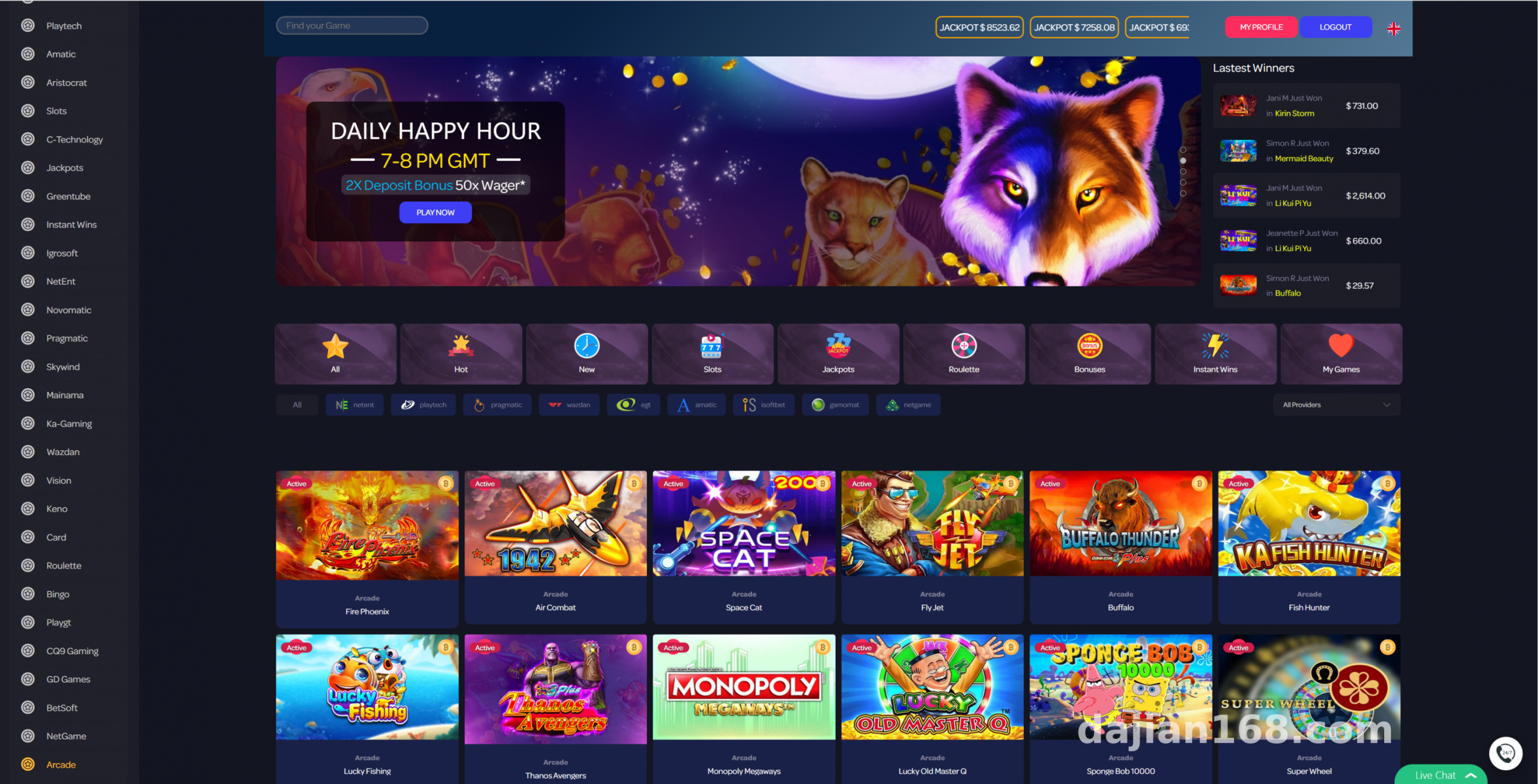
1. 1,092 Fully Local Game Assets with Zero API Dependency
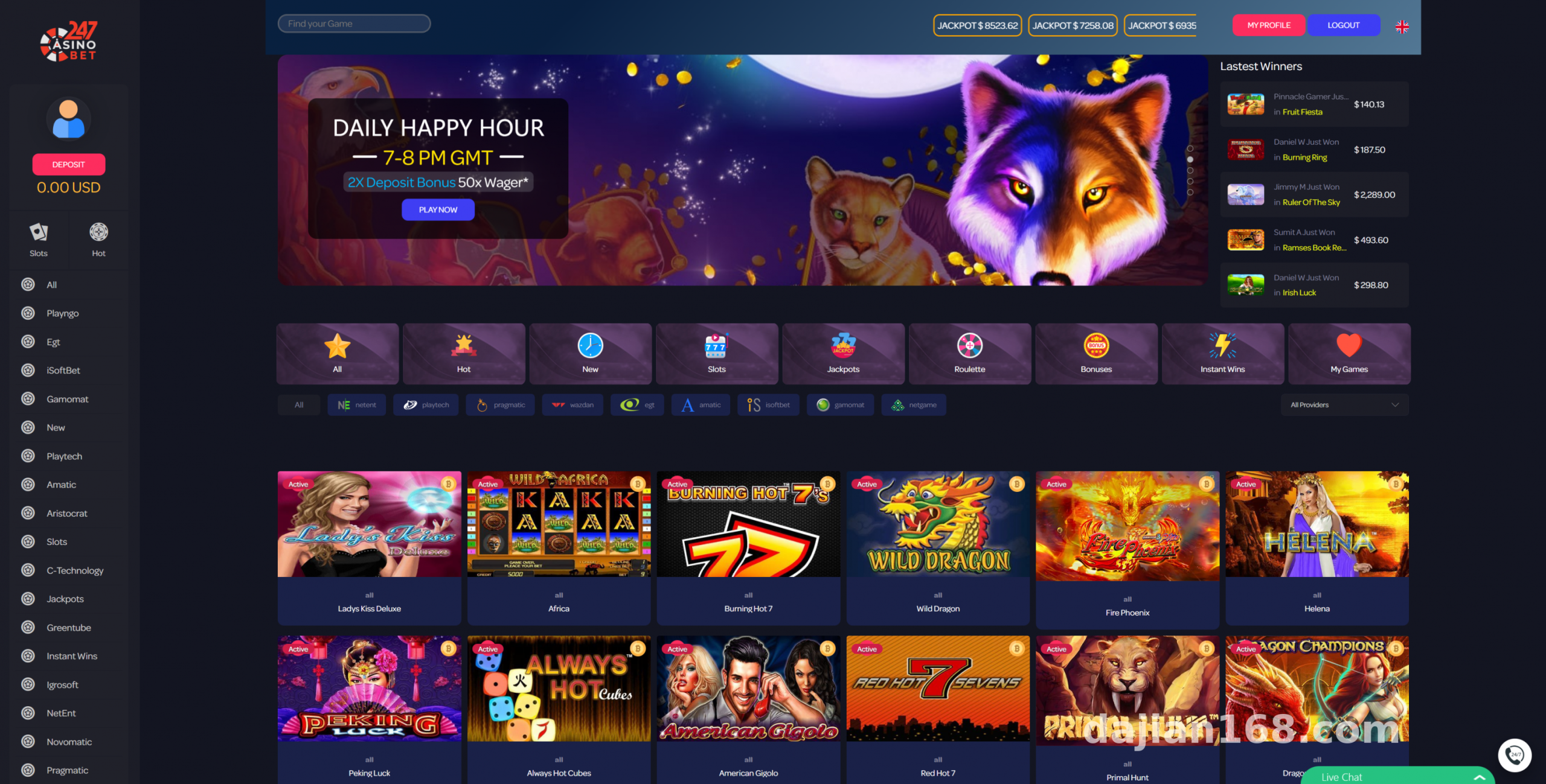
The biggest selling point of this codebase is its complete localization. Whenever we built overseas arcade portals or interactive demo sites in the past, our biggest headache was dealing with unstable upstream APIs. Providers would randomly go into maintenance or simply disappear, not to mention charging absurd revenue-sharing fees. This system bypasses all of that by embedding the complete frontend and logic source code for 1,092 H5 interactive games right on your own machine.
I spent some time digging through the directory structure, and the static assets—audio files, texture atlases, and skeletal animation JSONs—are organized remarkably well. Frontend loading is handled directly through local Nginx static routing. When paired with CDN caching, the games load almost instantly across overseas nodes, completely eliminating the cross-origin latency issues common with third-party interfaces.
Webmaster Pro Tip: Because this package contains the full static files for 1,092 games, extracting it generates hundreds of thousands of tiny files, consuming a massive number of inodes. I strongly recommend formatting your Linux data disk with the XFS file system, or manually increasing the inode ratio if you stick with EXT4. Otherwise, even with plenty of gigabytes free, the extraction will fail halfway through with a “No space left on device” error!
2. Native English Admin Panel and Points Simulation Mechanics
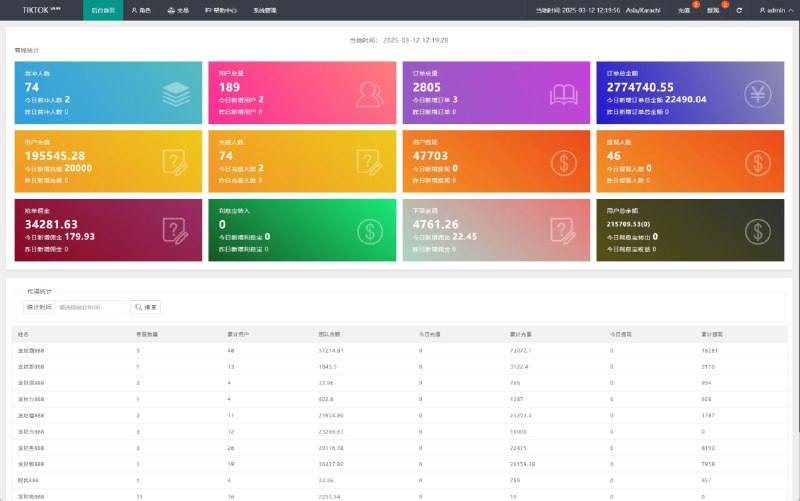
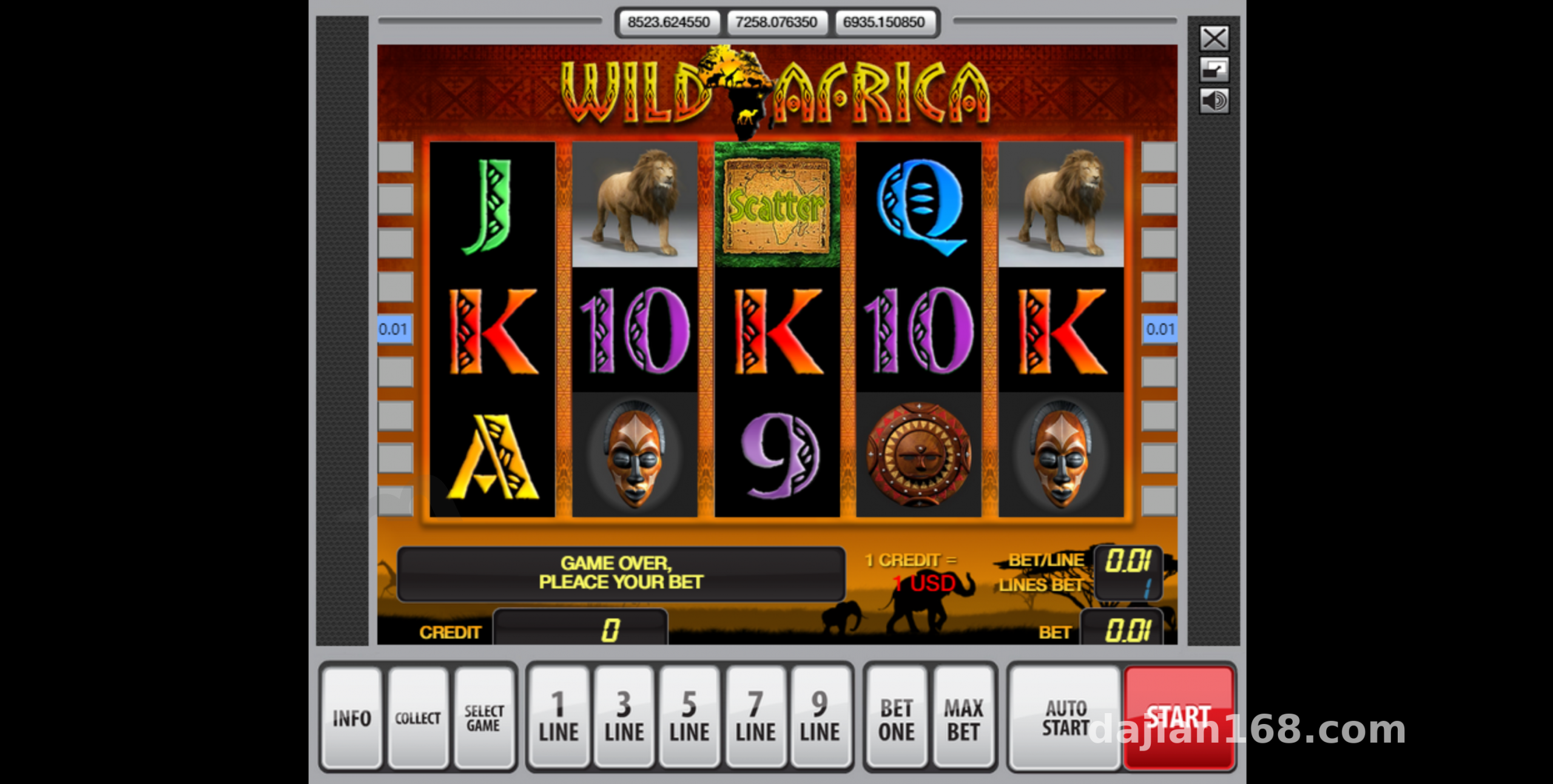
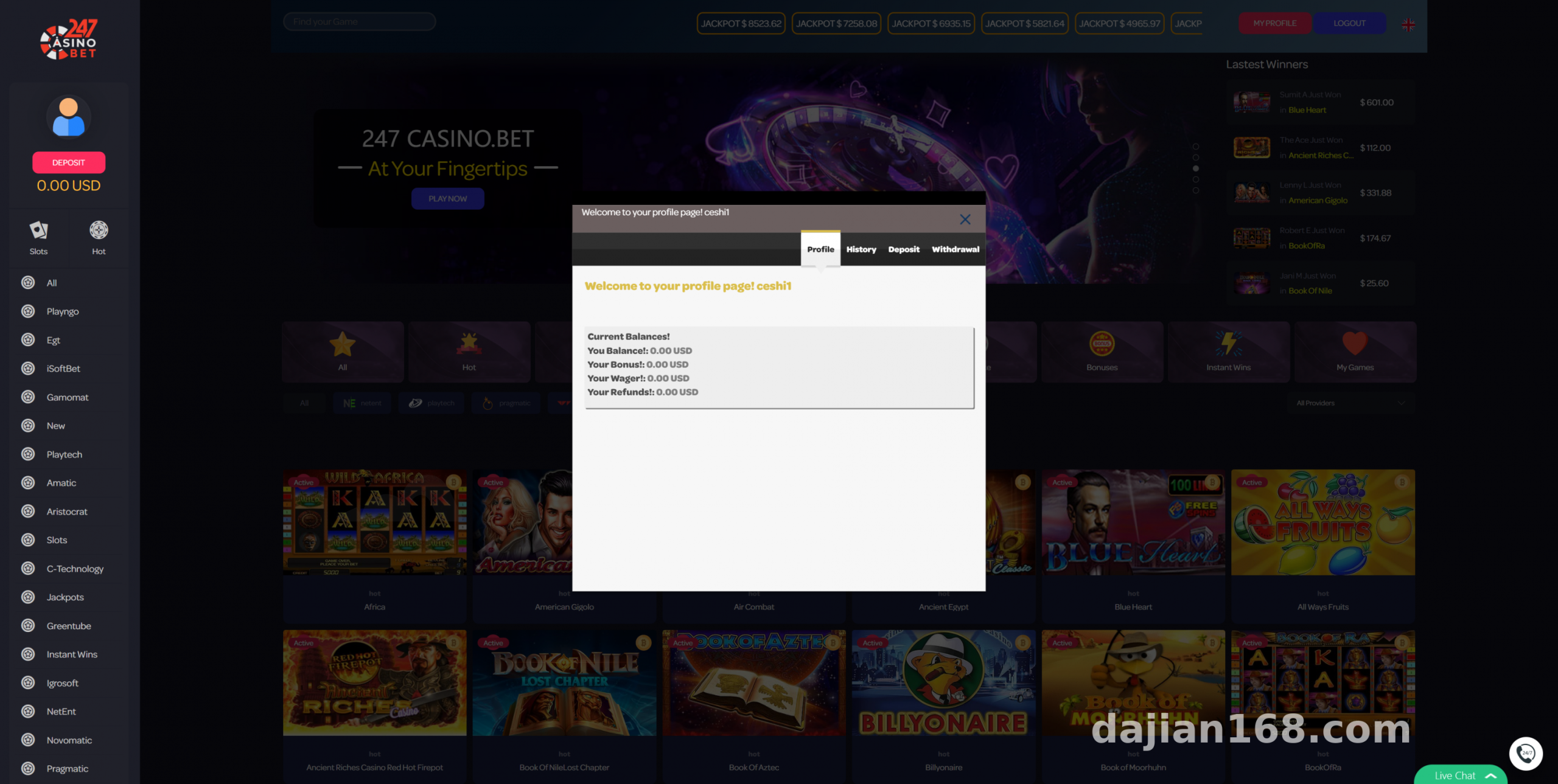
The backend features a clean, native English interface. Judging by the coding style, it was built from scratch by an overseas team rather than being a half-baked domestic script slapped with machine translations. The admin dashboard handles user management, virtual points issuance, game status toggles, and runtime log analytics.
Since the platform is designed as an online points simulation demo, the backend includes a comprehensive dashboard for random algorithm testing and points consumption tracking. Administrators can drill down into individual games to monitor user interaction frequency and virtual credit flow. For teams running joint-operation game tests or researching probability algorithms, these data dimensions are more than enough.
3. Third-Party Digital Asset Payment Gateway Integration
To match the habits of international users, the source code skips traditional fiat channels by default and comes pre-configured with third-party digital asset payment interfaces. Standard Webhook callback logic is cleanly encapsulated within the codebase. When a user requests a points top-up on the frontend, the system automatically generates an on-chain receiving address or redirects to a third-party checkout page. Once block confirmation is received, the backend automatically credits the simulated points, creating a seamless closed-loop workflow.
Server Environment and Deployment Pitfalls
With a codebase of this size, a cheap 1-core, 2GB RAM VPS won’t even scratch the surface. Based on my actual deployment experience, here are the hard hardware and software requirements you will need:
- Server Specs: Start with at least a 4-core CPU and 8GB RAM. Provision a minimum of 120GB of disk space—uploading a 46GB archive and extracting it requires at least double the storage for temporary file handling.
- Runtime Environment: aaPanel (the international version of BT Panel) works great here. Use Nginx 1.20+, MySQL 5.7 (you must enable
innodb_large_prefix), and configure the specific PHP version required by the core controllers along with the Redis extension. - Bandwidth and Network: High bandwidth is mandatory, or you must put Cloudflare in front of it! While local games are stable, the initial asset load eats up a lot of static bandwidth. Putting Cloudflare in front with caching enabled will easily save you 90% on server traffic costs.
Key Practical Deployment Steps
Whatever you do, do not use the web panel’s built-in file uploader for the source code—pushing 46GB through a browser tab will crash it instantly. Stick to a reliable SFTP client or pull the archive directly via terminal using wget. Once you finish extracting the multi-part archives, your very first step should be batch-updating the static directory permissions to 755 and setting the owner to www.
The database dump is also quite hefty, pre-loaded with configuration tables, icon paths, and category tags for all 1,092 games. Skip phpMyAdmin for this; log into your SSH terminal and run the source command to import the SQL file directly. It takes about three to five minutes to complete. Wrap things up by editing the .env file in the root directory to enter your database credentials, Redis password, and custom domain, then set up the URL rewrite rules to bring the site live.
Who Is This System Built For?
Truthfully, the sheer volume of this package means a complete beginner might spend an entire day just wrestling with file transfers and extraction. It is best suited for a few specific types of developers:
Webmasters planning to launch overseas H5 game aggregation portals or reward-wall interactive platforms will love it, as it saves the massive hassle of sourcing over a thousand games individually. Programmers studying game algorithms or frontend animations will also find a goldmine of learning material inside the unencrypted Canvas and WebGL source files. Teams with custom development skills can even rip individual local games out of the bundle and repackage them into standalone mini-programs or mobile apps for traffic monetization.
Disclaimer: The system deployment process and source code analysis documented in this article are strictly for technical education, programming study, and system stress-testing demonstrations. Developers must comply with local laws and regulations when downloading or deploying software and must not use the code for any unauthorized purposes.
Frequently Asked Questions (FAQ)
Q: Since the source code is a massive 46GB, will players experience lag on a server with low bandwidth?
A: If you run it directly on a low-bandwidth server without optimization, it will definitely lag. However, because all 1,092 games consist of local static assets (JS, images, audio), the architecture is perfect for static-dynamic separation. In my production setup, I reverse-proxied the static directories directly to Object Storage (OSS/S3) and attached a CDN. The main server only processes PHP logic and points settlement, allowing even a basic 1Mbps server to easily handle hundreds of concurrent users.
Q: The backend is entirely in English. Can I operate it without strong English skills, and does it support localization?
A: The admin panel uses very basic operational terms, so even if you don’t read English well, your browser’s built-in right-click translation tool is more than enough to navigate it smoothly. None of the code is encrypted—both frontend and backend templates are in plain text. If you know basic PHP, you can extract the strings into a JSON language dictionary and localize the entire interface into any language in a day or two.
Q: Can I replace the built-in third-party digital asset payment gateway with other payment methods?
A: Absolutely. All top-up logic is cleanly isolated inside an independent Payment controller. If you are building a compliant overseas points mall, you can easily follow the existing callback structure to integrate Stripe, PayPal, or local e-wallet APIs without much trouble.
Disclaimer: This article is for technical education and demonstration only. It is not professional or financial advice. Any real-world deployment must comply with applicable laws and regulations.
#H5 Game Source Code #Overseas System Deployment #Server Setup Guide #Local Game Bundle #Webmaster Tutorials
-
 Alipay QR Code Scan
-
 WeChat Scan Pay