uniapp Multi-language E-commerce System Setup Notes: Vue Admin Panel + Payment API + Referral Commission Deployment
uniapp Multi-language E-commerce System Setup Notes: Vue Admin Panel + Payment API + Referral Commission Deployment
Disclaimer: This article is for technical education and demonstration only. It is not professional or financial advice. Any real-world deployment must comply with applicable laws and regulations.
I recently helped a client selling cross-border goods deploy a uniapp e-commerce system with a referral commission feature. The frontend is built with Vue, and the backend is an admin panel. It took me about three days of on-and-off work, and I hit quite a few pitfalls along the way. Here’s the whole process while it’s still fresh, to save some time for anyone planning to set this up.
Quick verdict: the overall code quality is above average for this category. The API structure is clean and it can go live almost as-is, but there are a few things you must change — details below.
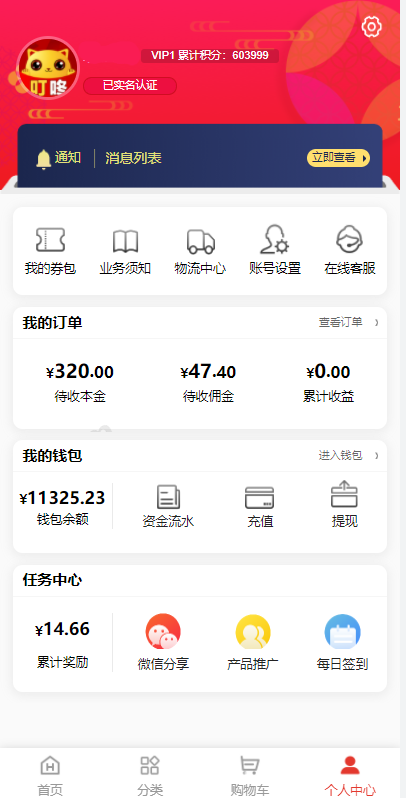
1. Feature Testing: What Works Out of the Box, What Needs Changes
1. Product and Order Modules
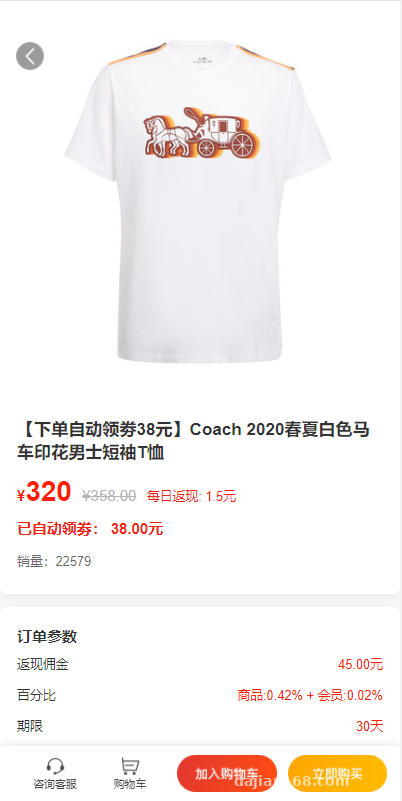
The product management part is fairly complete — SKU, specifications, inventory, and categories are all there, plus some new-retail ideas like quick social sharing to drive sales and helping brick-and-mortar merchants clear stock. The admin panel supports bulk product import via CSV; in my test, importing 10,000 records took about 40 seconds, which is acceptable.
2. Referral Commission System
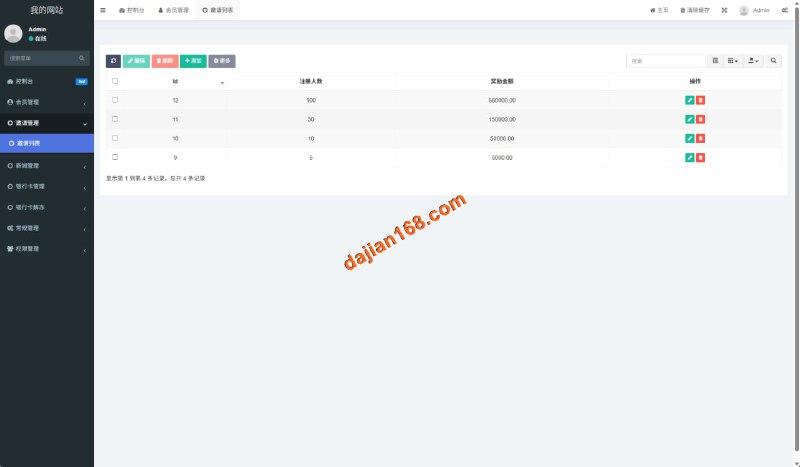
This is the core selling point of the system. It uses a three-tier commission structure. Commission rates can be set per product in the admin panel, with a global default as fallback. Settlement goes through a commission wallet; users manually request withdrawal after reaching a threshold, and the admin approves it. My suggestion: switch to automatic settlement with manual review, otherwise approving withdrawals will be exhausting once order volume grows.
3. Multi-language Support
If you’re doing cross-border business, pay close attention to the multi-language part. The system has a language pack mechanism built in — frontend text is driven by locale files. I added English and Traditional Chinese packs, which took about half a day. However, the payment and logistics text is hardcoded and has to be replaced manually. That’s a small pitfall.
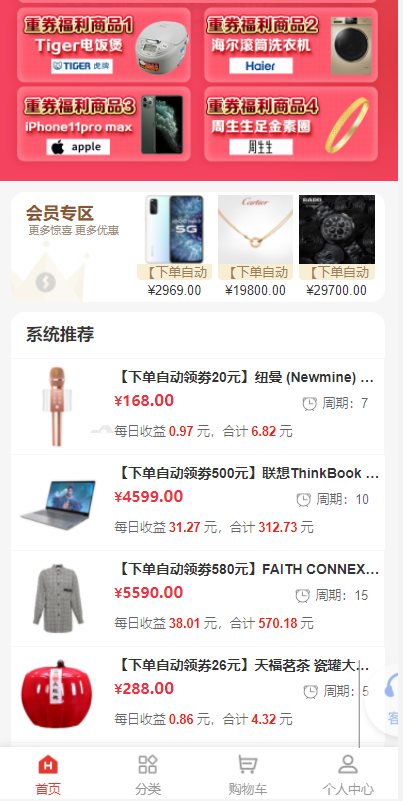
2. Deployment Essentials: Environment Setup and Pitfall Log
Environment Requirements
PHP 7.4 + MySQL 5.7 + Redis, with Nginx as reverse proxy. Don’t use PHP 8 — I tested it and got a pile of type errors; the author hasn’t made it compatible. The admin frontend is written in Vue; just run npm run build and upload the output to the server. Make sure to configure URL rewriting, otherwise routes will 404 on refresh.
Payment API Integration
The system ships with WeChat Pay V3 API integration — you configure the merchant ID, certificate, and callback URL. Pitfall: the callback URL must use https and must not include a port, or WeChat’s signature verification will fail. For Alipay, you’ll need to fill in the logic yourself — the source code only leaves an interface layer, and writing it takes roughly a day.
Mini Program Publishing
Compile the uniapp side to a WeChat Mini Program with HBuilderX. Remember to replace the appid in the manifest with your own first, then configure the allowed domains in the backend. There are plenty of tutorials online for this step, so I won’t repeat them.
Tip: Before going live, definitely change the default admin panel path — the “admin” path gets found instantly by scanning tools. Also, don’t use the default database password; I’ve seen cases where databases were dumped outright.
3. Suggestions for Secondary Development
If you plan to run this long-term, a few areas are worth touching up:
First, logistics integration. The system only leaves an interface reel simulation for logistics tracking. Hook up the API of a tracking service like Kuaidi100 or Cainiao, and for cross-border business add an international shipment tracking section — about two to three days of work.
Second, risk controls for commission settlement. Referral commission models are easy to game, so I’d recommend adding same-IP/same-device detection, freezing commissions on abnormal orders, and adding a risk-control dashboard in the admin panel.
Third, a multi-language admin panel. Right now the backend is Chinese-only. If your operations team includes overseas staff, you’ll need to add language packs to the admin side yourself — not a small job, but worth it.

4. Who Is This For
Merchants with physical products who want to drive sales through social sharing; teams building a cross-border multi-language store that need a referral system; or freelance developers taking on client projects — the code structure is reasonably clean, so handing it off for secondary development isn’t hard.
Not ideal for complete beginners. Deployment itself isn’t hard, but steps like payment configuration and Mini Program publishing do require some fundamentals.
FAQ
Q: Can this system be launched and operated legally?
A: Yes. At its core it’s an e-commerce store plus referral commissions, a common e-commerce marketing model. But you must comply with applicable laws and regulations — the referral tiers and commission rates should follow relevant rules, and any unlawful use is prohibited.
Q: Do I need ICP filing?
A: Servers in mainland China require ICP filing, and the domain must match the registered business entity. Hong Kong or overseas servers can skip filing, but WeChat Pay callbacks will be slightly slower. For domestic business, filing is recommended.
Q: How much concurrency does the source code support?
A: A single 2-core 4GB machine handles a few thousand daily active users without issue. As traffic grows, add Redis caching and load balancing, plus MySQL read-write splitting. In my load test, API response stayed under 300ms at 500 concurrent connections.
Q: Can it be turned into an app?
A: uniapp supports this natively — either cloud packaging via HBuilderX or your own offline packaging setup. Android needs a signing certificate; iOS requires a developer account, so the main cost is on Apple’s side.
Overall, this uniapp multi-language e-commerce source code offers good value for money. Deployment difficulty is moderate, with most of the work in payment integration and secondary development. If you run into deployment issues, feel free to discuss in the comments — I’ll reply when I see them.
Disclaimer: This article is for technical education only. Use of the system must comply with applicable laws and regulations; any unlawful use is prohibited.
Disclaimer: This article is for technical education and demonstration only. It is not professional or financial advice. Any real-world deployment must comply with applicable laws and regulations.
#uniapp #e-commerce source code #referral commission #multi-language store #source code deployment
-
 Alipay QR Code Scan
-
 WeChat Scan Pay