Multi-Task Distribution System Source Code Build Log: Vue + PHP Task Scheduling and Multilingual Deployment
Multi-Task Distribution System Source Code Build Log: Vue + PHP Task Scheduling and Multilingual Deployment
Disclaimer: This article is for technical education and demonstration only. It is not professional or financial advice. Any real-world deployment must comply with applicable laws and regulations.
Recently I helped a client deploy a multi-task distribution system. The source code is fully open: a Vue frontend plus a PHP backend. The platform is oriented around task scheduling, so admins can create tasks, configure task queues, and control dispatch speed, and it also supports multilingual switching. I hit a few environment-related issues during deployment, so I cleaned up my notes and wrote them down for anyone planning to customize the codebase later.
System Features in Real Testing
Frontend Experience
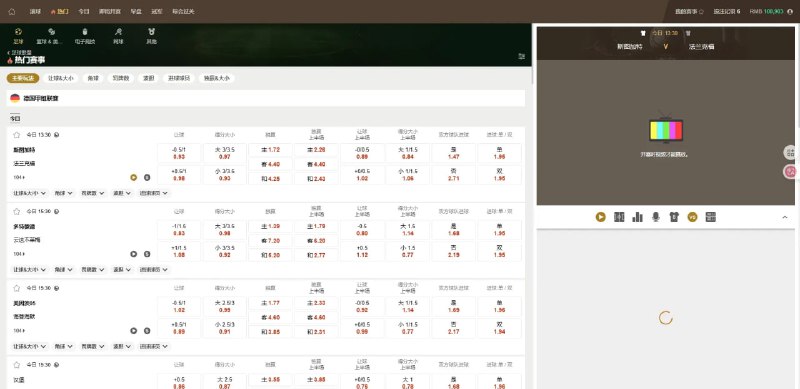
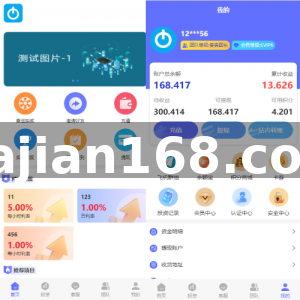
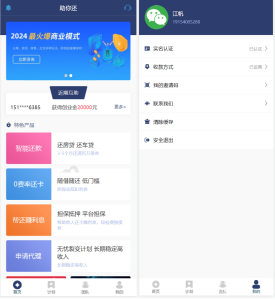
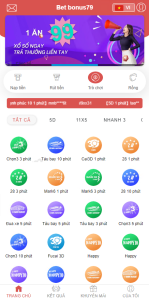
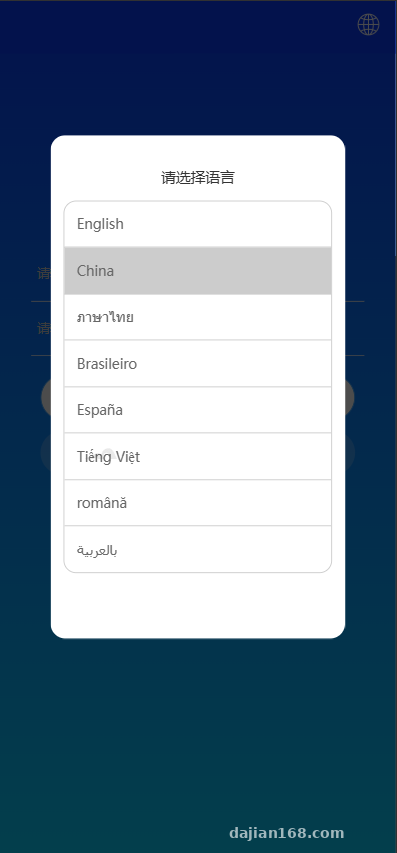
The frontend is built with Vue and loads quickly. After logging in, users see the task hall, personal task center, and earnings statistics. The language switcher sits in the top-right corner and supports common languages such as Chinese, English, and Thai. The config files live under src/lang, so editing them is straightforward. During testing, I changed the default language to English, restarted the app, and it took effect immediately with no stale cache.
Admin Control Center
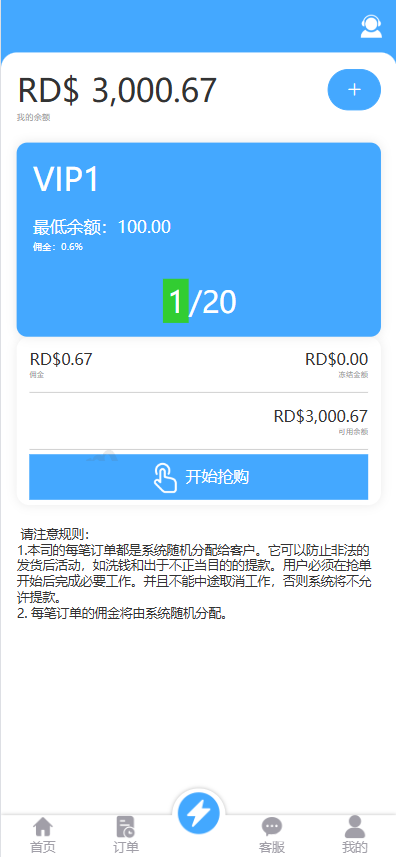
The admin panel is the real core of this system. After logging in as admin, you see task management, member management, task queues, financial records, and system settings. Task management lets you set task types, reward amounts, task quantity caps, and daily dispatch limits. The queue control section shows the list of tasks waiting to run, and you can manually pause or release the queue. That is crucial for a task-scheduling platform because it prevents the database from being overwhelmed when concurrency spikes.
Deployment Key Points
Environment Setup
For the server, I used CentOS 7.9 + Nginx 1.24 + PHP 7.4 + MySQL 5.7. PHP extensions must include redis, fileinfo, and openssl, otherwise the task queues and file uploads will fail. The rewrite rules in the source package need to be imported into Nginx manually, routing /api to public/index.php. I forgot to add try_files at first, so every API call returned 404. It took me about half an hour to pinpoint the issue.

Multilingual Configuration
Multilingual support is not just a frontend translation; the backend has matching fields too. Adding a new language requires three steps: add a new JSON file under the frontend src/lang directory, add key-value pairs in the backend language package, and insert a record into the database language table. I recommend getting one language working first, then copying it to expand. This deployment used Chinese and English; I modified about twenty fields, and there was no garbled text because UTF-8 encoding stayed consistent everywhere.
Queue and Task Scheduling
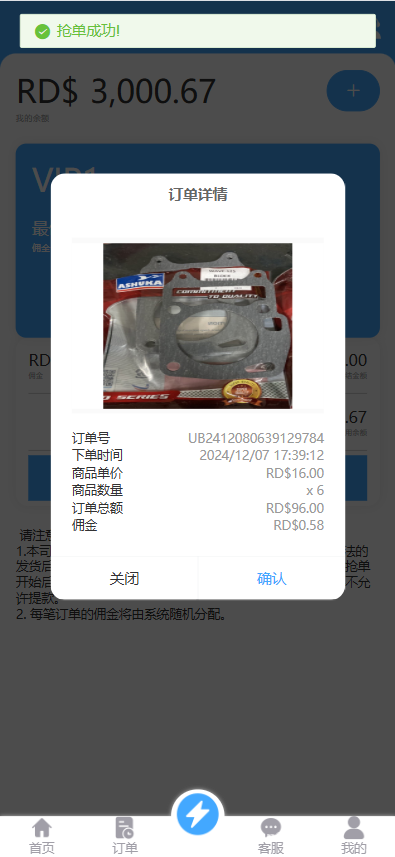
Task dispatch uses Redis queues for buffering. A PHP daemon consumes the queue, or you can have cron pull every minute. For low concurrency, cron is enough; for high volume, use Supervisor. In the test environment, I ran php think queue:work for two days without losing a task. The admin panel shows the queue backlog count, and if it exceeds a threshold, an automatic alert fires. That threshold is adjustable in system settings.
Highlight: the queue control logic is this codebase’s core strength. Dispatch speed, concurrency limits, and failed retry rules can all be configured from the admin panel without touching code.
Who It Fits and Customization Suggestions
This system suits PHP-based developers or site owners who want to customize task scheduling, crowdsourcing platforms, trial-task distribution, or internal enterprise task flows. The source is fully open and the frontend components are well-organized, so UI changes are not painful. A generic payment callback reel simulation is reserved, so integrating a third-party payment provider mostly means following the documentation. The financial records module has an export function, which makes reconciliation easier.
If you plan to customize, I suggest focusing on three files first: application/task/controller/Task.php handles task dispatch, application/admin/controller/Queue.php controls the queue, and config/queue.php holds the Redis config. Once you understand these three pieces, adding task types, changing reward rules, or building risk-control strategies becomes much smoother.
FAQ
Q: Can this codebase run on PHP 8.0?
A: The official docs say PHP 7.4. When I tested PHP 8.1, some syntax errors appeared, mostly around array key handling and null checks. To stay safe, deploy on PHP 7.4 or lock the environment with Docker.
Q: I added a new language but the frontend does not show it. What should I do?
A: Most likely the frontend was not rebuilt. After modifying language files in a Vue project, run npm run build and clear both CDN and browser cache. If you only update the backend language table but the frontend lacks the corresponding JSON, it will fall back to the default language.
Q: The task queue is stuck. How do I troubleshoot?
A: First confirm Redis is connected. Then check whether the queue table contains dead tasks. The admin queue panel can manually reset failed tasks and adjust the number of jobs consumed per batch. If the consumer process is offline, check Supervisor or cron logs.
Q: Database import fails with a charset error?
A: Before importing, make sure the database uses utf8mb4 with collation utf8mb4_unicode_ci. Some SQL files specify a default charset, and a conflict will throw an error. I usually import via command line: mysql -u root -p dbname < sql.sql, which is more stable than panel imports.
Q: Is the source code suitable for commercial use?
A: The source is a fully open foundation for secondary development. Before commercial use, perform a compliance review, remove test data, and complete user agreement and privacy policy documents. The technology itself is neutral, but its use must be lawful.
This article is for technical education only. All deployments should comply with applicable laws and regulations. Please evaluate business compliance before going live, and avoid using unverified code in high-risk scenarios.
Disclaimer: This article is for technical education and demonstration only. It is not professional or financial advice. Any real-world deployment must comply with applicable laws and regulations.
#task distribution #Vue source code #PHP deployment #multilingual system #build log
-
 Alipay QR Code Scan
-
 WeChat Scan Pay