Building a Probability Simulation System: Backend Management, Result Publishing & PHP Deployment Notes
Building a Probability Simulation System: Backend Management, Result Publishing & Deployment Notes
Disclaimer: This article is for technical education and demonstration only. It is not professional or financial advice. Any real-world deployment must comply with applicable laws and regulations.
I recently deployed a probability simulation system for a client who works in data visualization. The requirements were clear: the frontend needed to display random results, historical records, and scheduled tasks, while the backend had to let admins manually maintain announcements, period numbers, display copy, and demo parameters. The source code I received was a bit messy, so I reorganized the core logic into three blocks — “random number demo + result publishing + resource forum” — stripped out anything high-risk, and kept only an auditable, reproducible technical demo workflow. Below I’ll walk through the actual build process, with less fluff and more details you can actually use.
1. Hands-On Testing: What This System Can Actually Do
Frontend Display Layer
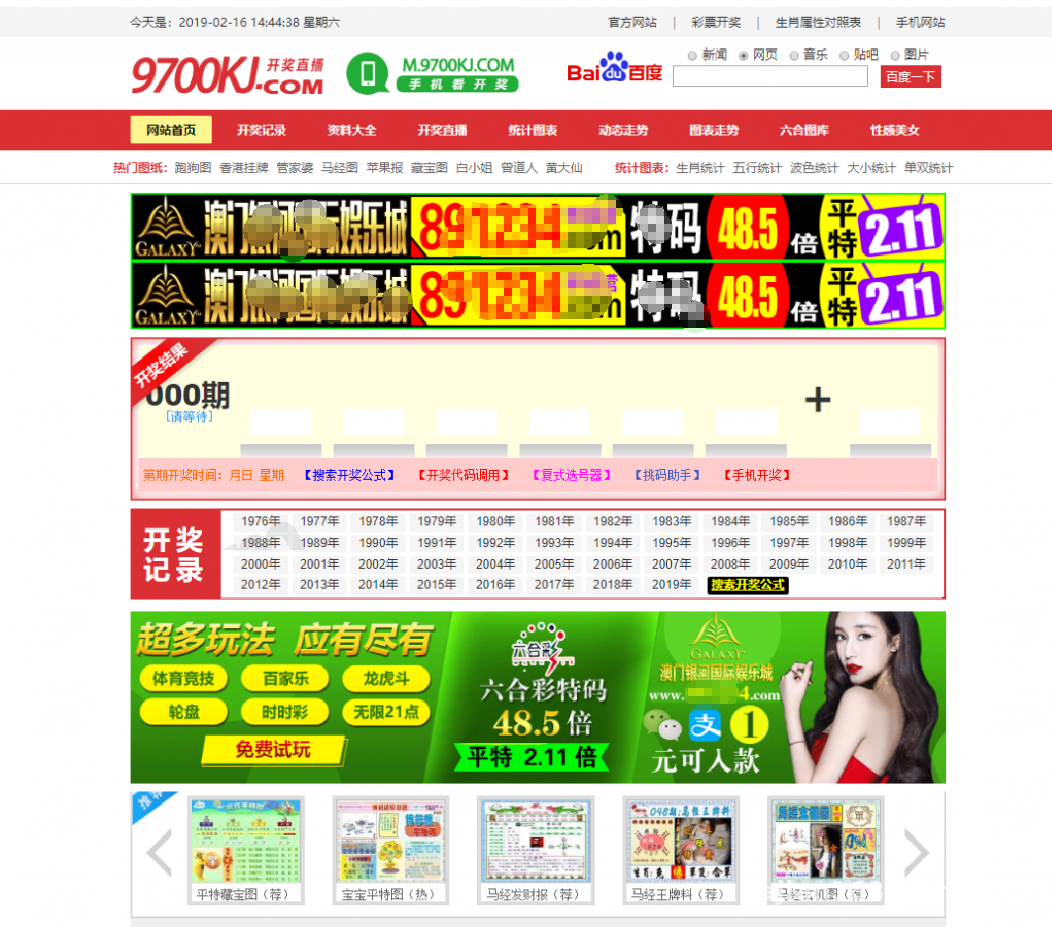
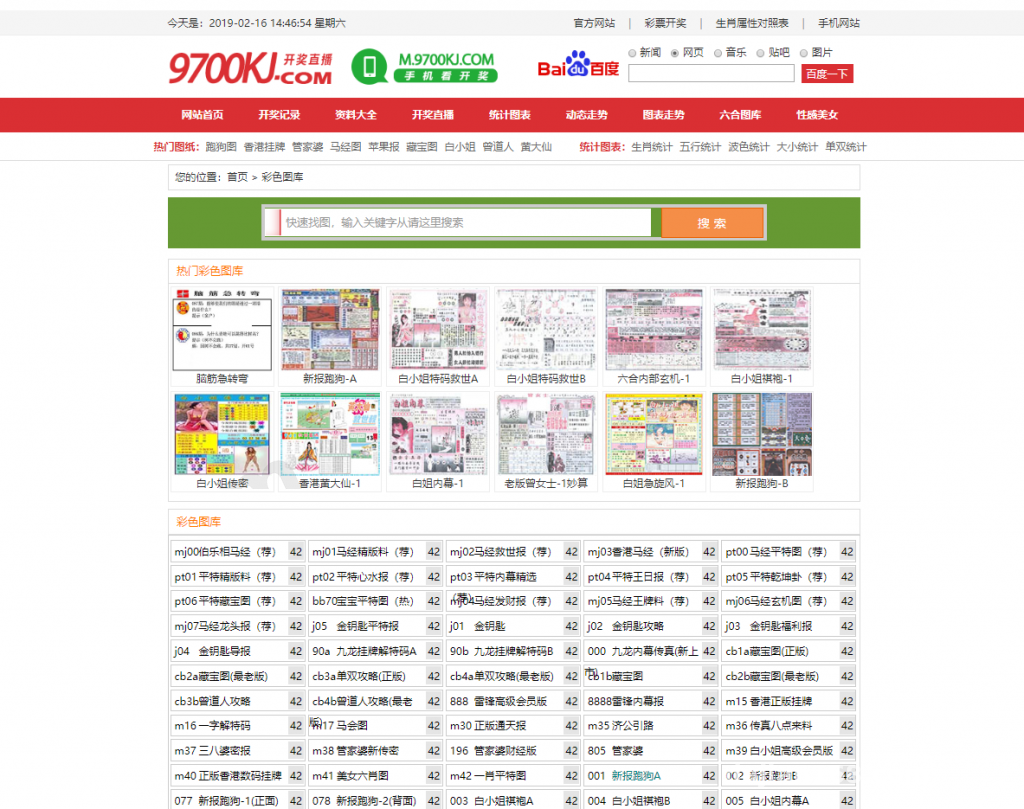
The homepage defaults to a result publishing section, displayed in reverse chronological order by period number. Fields include the period ID, random sample, generation timestamp, checksum, and remarks. To avoid disputes, I hashed and archived the random seed used for each generation — the frontend only shows a digest, while the full logs are queryable in the backend. The resource section works like a lightweight forum, supporting categories, pinned posts, search, and pagination. Users get read-only access; content is published by operators from the backend. This avoids opening registration and getting flooded with spam.
Backend Control Layer
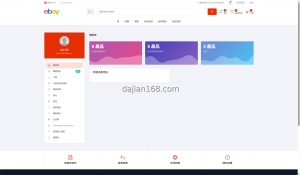
The backend is where this source code really earns its keep. The menu is split into: system settings, period management, content management, random parameters, audit logs, and admin permissions. You can customize publishing copy, title suffixes, region names, and display templates — though I wouldn’t recommend adapting it for sensitive scenarios. The payment interface is disabled by default; only the member points system and a demo callback example are kept. If you ever need real payments, you must go through a compliant merchant account and add signature verification at the API layer.
2. Deployment Essentials: Environment, Parameters, and Pitfalls
Recommended Environment
I went with Nginx 1.24 + PHP 8.1 + MySQL 8.0 + Redis 7. For PHP extensions, you need at least pdo_mysql, redis, openssl, mbstring, and fileinfo. Scheduled tasks run via crontab, executing a CLI script every minute — never generate large batches of period records inside web requests, or you’ll hit timeouts. Set up URL rewrite rules according to your framework’s routing. I’d also strongly recommend renaming the backend path to a complex alias, then layering on IP whitelisting and two-factor login.
Random Numbers and Fairness
The most important thing for a demo system is that you can explain it clearly. I replaced mt_rand with random_int, and I log the seed, algorithm version, and request fingerprint. Historical results can never be physically deleted — they can only be voided, with a reason recorded. This way, when the client runs internal training sessions, they can explain exactly where every row of data came from, and it makes future audit reporting much easier. Don’t use a raw timestamp as your seed — it collides under concurrency. Add unique keys in your queue and build a composite index on the period number field.
Key takeaway: split “result generation, result publishing, and log archiving” into three separate steps. The backend can edit display copy, but it cannot retroactively alter sealed logs — that’s the critical difference between a compliant demo and an ordinary page.
3. Secondary Development and Operations: What’s Worth Changing
For multi-language support, I kept two packs: zh-CN and en-US. Language files use array key-value pairs — never hardcode strings into templates. The frontend is server-side rendered with a light sprinkle of Alpine.js, which is far more reliable for SEO than a pure SPA. Titles, descriptions, and canonical URLs can all be configured per page from the backend. If you want object storage, abstract image uploads into a driver so you can switch between local storage and OSS. My suggested priority order for secondary development: first shore up permissions and operation logs, then work on theme skins, and only consider push notifications last. Keep email and SMS strictly for alert channels — no marketing blasts.
On the performance side, once the historical periods table grows past a million rows, stop using SELECT * on list pages — only fetch the fields you actually display. A 30-second Redis cache on the homepage is plenty; the backend needs real-time data, so don’t cache it. For backups, use mysqldump plus binlog, with one off-site sync per day. Security-wise, add CSRF tokens to every backend form, sanitize CSV exports against formula injection, and filter rich text through a whitelist.

Who This Is For
This setup suits teams that need internal training, teaching demos, random number experiments, or publishing workflow testing. It’s also great for developers who want hands-on practice with PHP backends, queues, and audit logging. It is not intended for any unlawful or non-compliant use. Before going live, clear out all sample data, disable debug mode, and double-check your robots file, registration/filing info, and privacy policy. During operation, follow all applicable laws and regulations — any unlawful use is strictly prohibited.
FAQ
Q: Can the backend edit already-published historical records?
A: Display copy can be edited; sealed results cannot. Voiding a record requires entering a reason, which gets written to the audit log — this prevents demo data from being mistaken for real business data.
Q: Can I integrate payments for membership features?
A: The code reserves a callback endpoint and an orders table, but they’re disabled by default. Only consider connecting a legitimate payment channel in compliant scenarios, and make sure to enable signature verification, idempotency, and refund records.
Q: Is multi-language SEO easy to handle?
A: Yes. Page titles, keywords, and descriptions are all maintainable from the backend, and language packs are independent. Just remember to use hreflang tags across languages, and don’t stuff pages with machine-translated content.
Q: What’s the most common deployment pitfall?
A: Cron job permissions and directory write permissions. If the CLI user doesn’t match the web user, logs silently fail to write and queued jobs fail without errors. When troubleshooting, check the storage directory and crontab environment variables first.
Disclaimer: This article is for technical education and demonstration only. It is not professional or financial advice. Any real-world deployment must comply with applicable laws and regulations.
#probability simulation #random number demo #backend management #PHP deployment #SEO setup
-
 Alipay QR Code Scan
-
 WeChat Scan Pay