Board Game Simulation Platform Setup Guide: Admin Control Panel & Agent Distribution Deployment Notes
Board Game Simulation Platform Setup Guide: Admin Control Panel & Agent Distribution Deployment Notes
Disclaimer: This article is for technical education and demonstration only. It is not professional or financial advice. Any real-world deployment must comply with applicable laws and regulations.
I recently helped a client in the online interactive entertainment space deploy a board game simulation system with a clean, minimalist design. It’s based on a modified open-source edition, and the interface is genuinely tidy — none of that cluttered, old-school look. The client wanted agent distribution and admin-level controls included, and it took me just over two days to get everything running end to end. Here’s the process, written down so the next person can skip some of the pitfalls.
Feature Testing: What This System Can Actually Do
Short version: the feature set is more complete than I expected, but a few modules need hands-on tweaking before they feel comfortable to use.
Admin Control Module
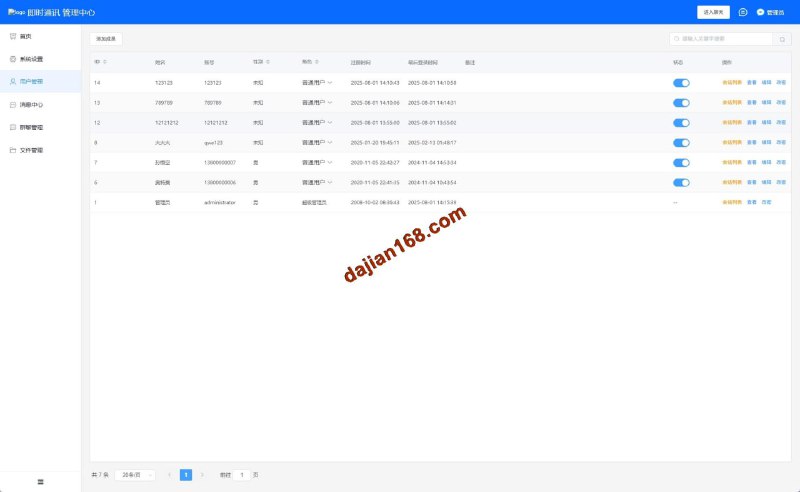
The backend supports per-player controls and inventory management. In plain terms, operators can fine-tune game room configurations from the admin panel — things like restricting a room’s opening hours, adjusting the parameter ranges of the random number demo, and reviewing each player’s activity logs. This logic is quite useful for probability simulation demo projects. All data exports to Excel; I tested a 10,000-record export and it took about three seconds, which isn’t slow.
Game Modules
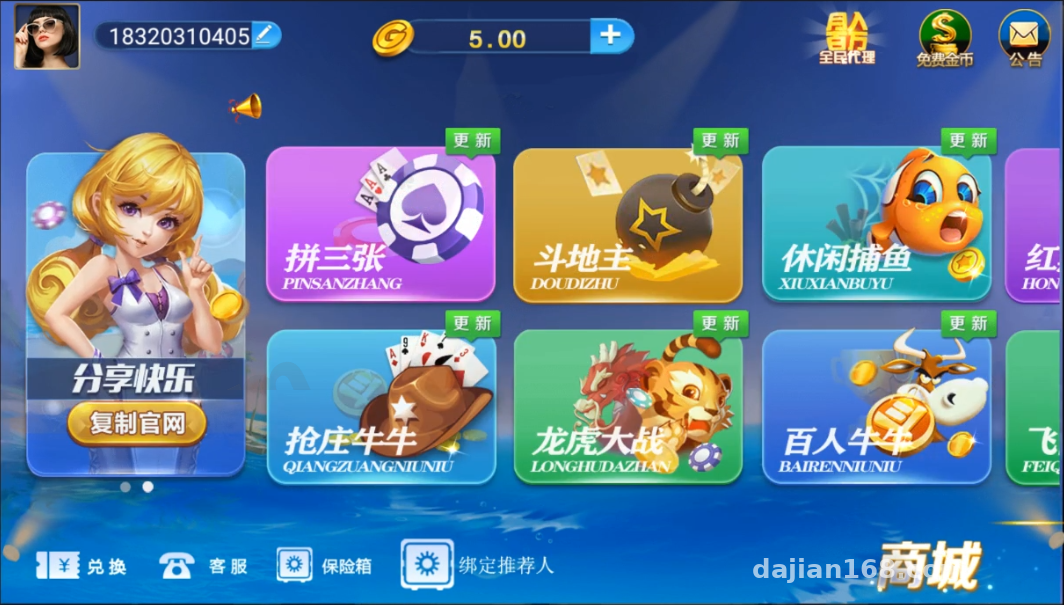
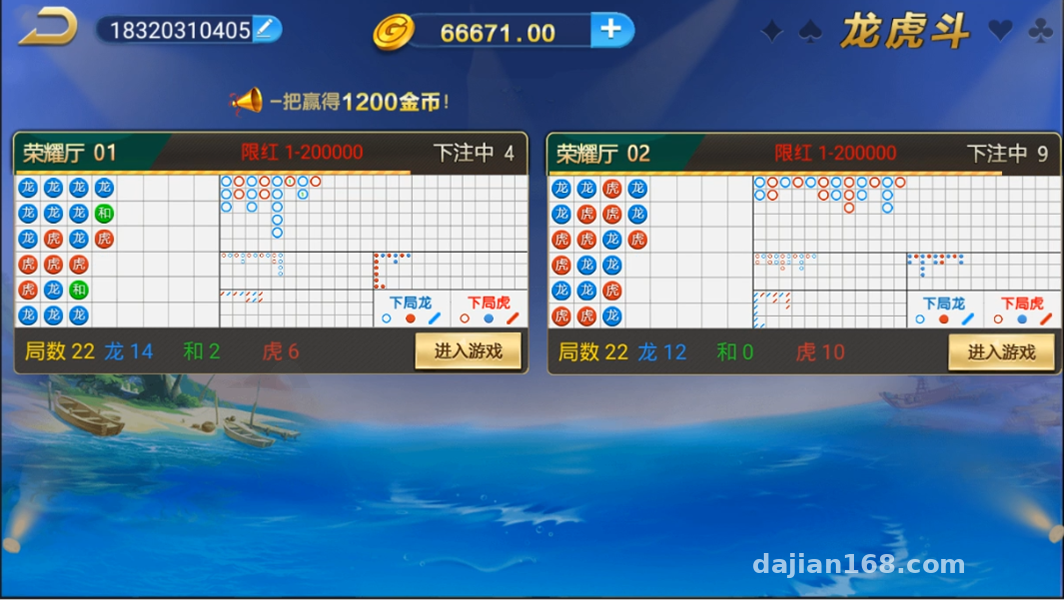
The system ships with a dozen-plus casual game modules: card game demos, casual fishing, a number-combination style demo, high-low guessing simulation, a lucky wheel, red packet interactions, and a fruit machine demo. Everything runs on a virtual points system — essentially a visualized demo of random number algorithms, suitable for prototyping gameplay or running interactive marketing campaigns. Each game module is an independent controller, so during secondary development you can take a single module offline without affecting the others.
Agent Distribution System
It’s a three-tier agent structure, with independent commission rate settings at each level. The backend shows each agent’s promotion data and the activity of their downline. One gotcha here: the default commission settlement cycle is T+1, but the client wanted real-time settlement. I changed the settlement task trigger logic so earnings post the moment an order completes, with the queue running on Redis — no issues since.

Deployment Essentials: Environment and Technical Details
Environment Setup
My stack was CentOS 7.9 + Nginx 1.22 + PHP 7.4 + MySQL 5.7, with Redis 6 handling queues and session caching. The frontend is compiled Vue static files; the backend runs on the ThinkPHP framework. Note that PHP must have the fileinfo and redis extensions installed, otherwise admin image uploads and the queue will throw errors immediately — that’s exactly where I stumbled on my first deployment.
Payment Interface Integration
The system has a pre-built aggregated payment interface with standard callback signature verification. The client’s use case is a legitimate membership top-up for virtual points, so I integrated a properly licensed third-party payment channel — you just swap in the merchant ID and secret in the config file. Make sure the callback URL matches on both the platform backend and the payment provider’s side, otherwise top-ups will arrive with delays.

Security Hardening
A few must-do items:
1. Change the default /admin backend path and add two-factor verification;
2. Schedule daily database backups — I use BaoTa scheduled tasks plus off-site cold backups;
3. Add request rate limiting at the API layer to block abusive traffic;
4. Keep all logs for at least 90 days so issues can be traced back.
Tip: The inventory control module has a lot of parameters. Before going live, run two weeks of simulated data in a test environment and go through every room’s configuration options — don’t push straight to production.
Secondary Development Tips and Pitfall Log
If you want to restyle the interface, the frontend theme files live in the public/themes directory. The clean minimalist look is the default theme; changing colors only requires editing the LESS variables and recompiling. I rebranded the client’s color scheme in half an hour — faster than expected.
On localization: the system ships with Chinese and English language packs, but the translation quality is mediocre — I had the client proofread the English themselves. If you’re targeting Southeast Asian markets, prepare Thai and Vietnamese language packs in advance. The framework supports hot-loading, so adding a language pack doesn’t require a service restart.
The biggest pitfall was the game modules’ random number service. It runs as a standalone resident process guarded by supervisor. I initially forgot to configure supervisor to start on boot, and after a server reboot every game room failed to connect — it took me a whole night of troubleshooting to find it. Painful lesson; don’t repeat it.
Who This Is For
This system suits teams prototyping interactive entertainment products, technical service providers who need a game demo platform, or operators looking to build an agent distribution structure. If you’re a complete beginner hoping to deploy it as-is and turn a profit, I’d talk you out of it — the backend has too many parameters, and without ops knowledge it’s easy to create security incidents.
FAQ
Q: What’s the minimum server spec to run it?
A: Start with 2 cores and 4GB RAM, but if concurrent users exceed 200, go straight to 4 cores and 8GB — Redis and MySQL are the memory hogs.
Q: Can I integrate my own payment channel?
A: Yes. The interface is standardized and the signature method is documented. Any channel that supports asynchronous callbacks will work. Always use a compliant channel, follow applicable laws and regulations, and never use it for anything unlawful.
Q: Can game modules be added or removed?
A: Yes. Each game is an independent controller with its own frontend route, and the backend has toggles. Building a new game requires PHP and frontend skills; the workload depends on gameplay complexity — a simple one can be done in two or three days.
Q: How long does deployment take?
A: Half a day to a day if you know the environment. For a first-timer, budget two to three days to cover payment integration and agent settlement debugging.
Overall, this system is fairly polished, with clean code structure and above-average secondary-development friendliness for its category. If you hit deployment issues, feel free to share your approach in the comments.
Disclaimer: This article is for technical education and demonstration only. It is not professional or financial advice. Any real-world deployment must comply with applicable laws and regulations.
#source code setup #deployment log #board game simulation #agent system #secondary development notes
-
 Alipay QR Code Scan
-
 WeChat Scan Pay