MSI-Core Board Game Simulation System Build Log: Coin-Edition APP Deployment Notes & Secondary Development Tips
MSI-Core Board Game Simulation System Build Log: Coin-Edition APP Deployment Notes & Secondary Development Tips
Disclaimer: This article is for technical education and demonstration only. It is not professional or financial advice. Any real-world deployment must comply with applicable laws and regulations.
I recently helped a client deploy a board game simulation platform built on a secondary development of the MSI core — the coin edition, meaning a points-based simulation mode with no real money involved. The whole thing took me about a day and a half, and I stepped in plenty of potholes along the way, so I’m writing it down while it’s fresh to save anyone else attempting this build some time.
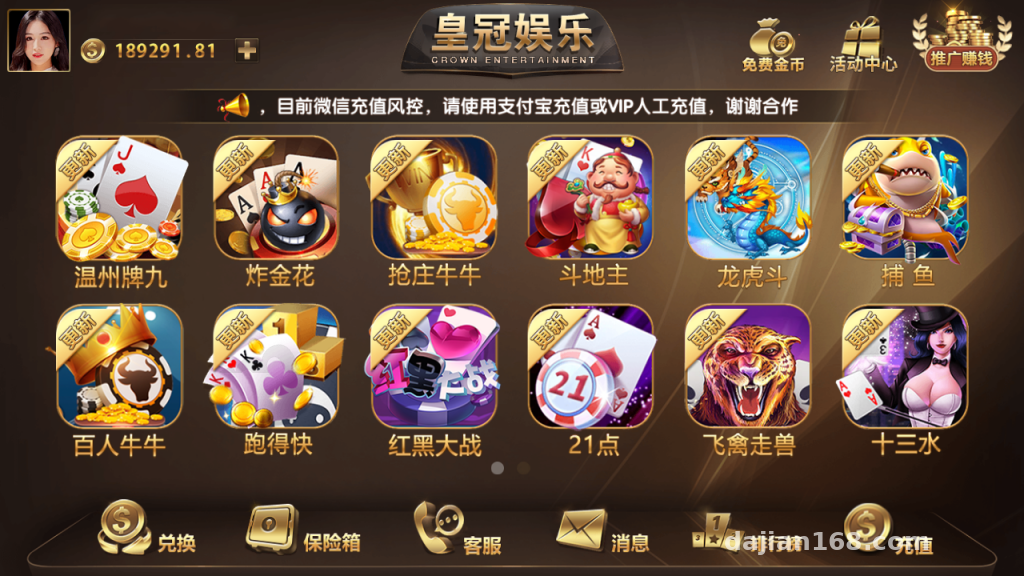
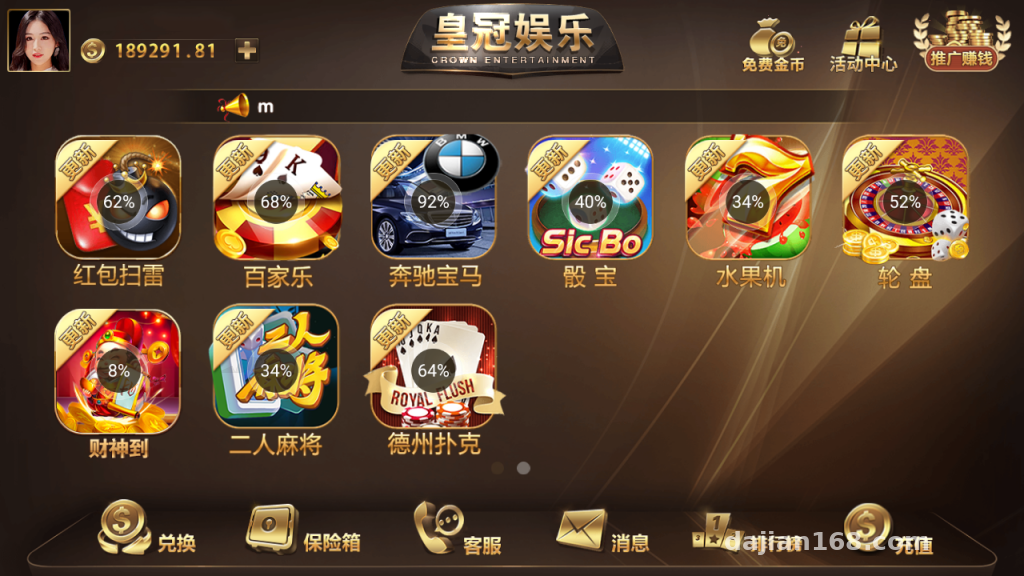
The source package is fairly complete: a front-end website, an admin backend, a game server, Android and iOS APP clients, plus database scripts. The number of game modules is among the highest I’ve seen in this category — card simulations, Pai Gow simulation, card simulation simulation, Niu Niu simulation, fishing, Blackjack demo, Thirteen Water, Texas Hold’em demo, roulette demo, reel simulation-machine probability simulation, and an animal-themed random number demo — basically a full set of demo scenarios.
Hands-On Testing: UI and Backend Controls Are the Highlights
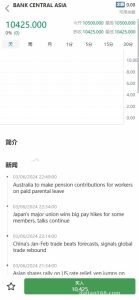
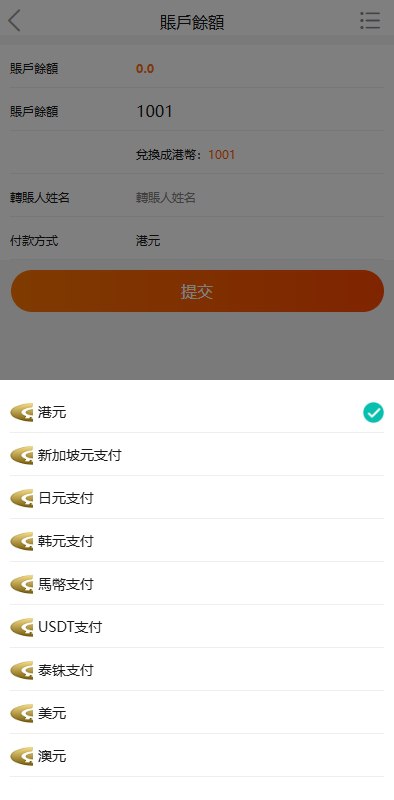
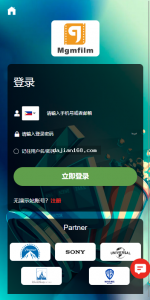
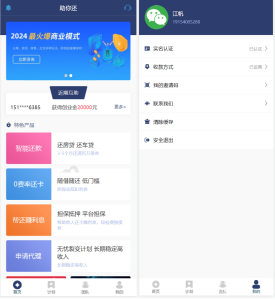
Bottom line up front: real effort went into the UI here. The interface is clean, entry points are laid out clearly, and switching games on the player side requires no second load — on my test device it opened in about a second. The coin edition’s points system runs smoothly, and the recharge/exchange interface leaves a standard integration reel simulation, so you can hook up a third-party payment provider or switch to a pure points-granting mode. Our test environment simply used a simulated payment channel.
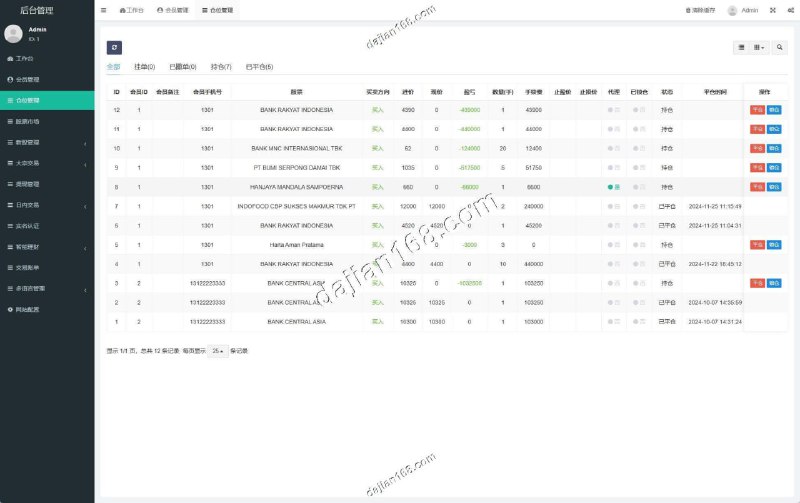
What the Admin Backend Can Control
The backend is where this system’s real value lies:
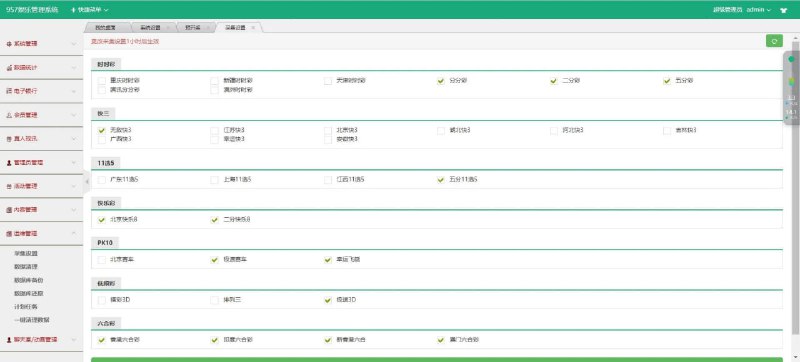
– Independent game toggles — each module can be taken online or offline separately;
– Points (coins) issuance and recall, with batch operations supported;
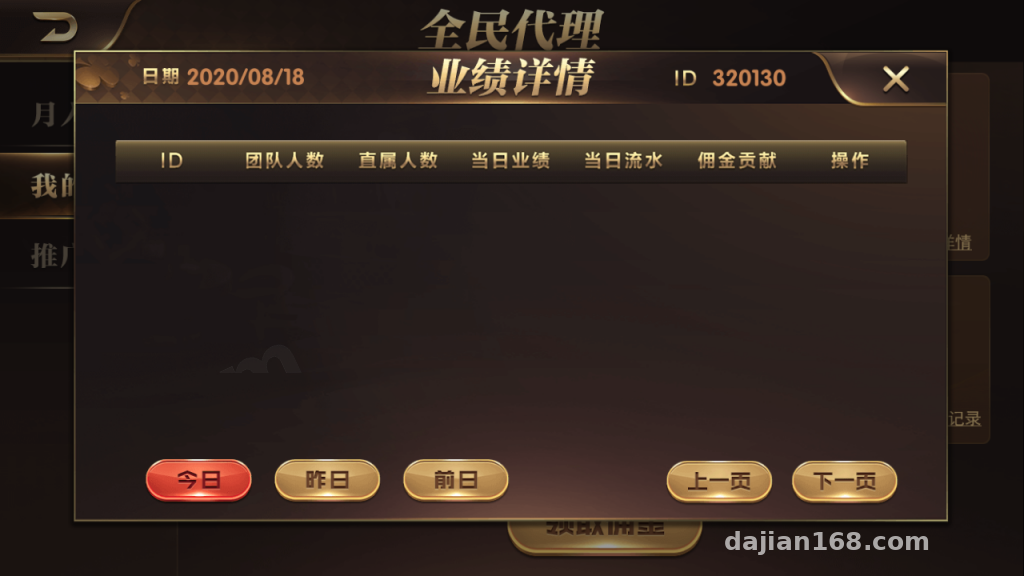
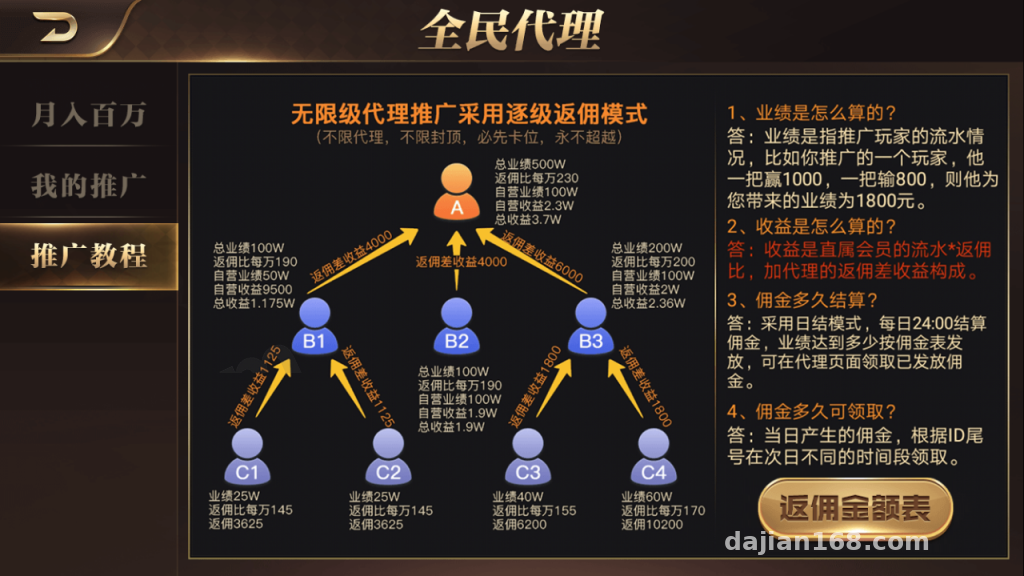
– A complete agent promotion system, with adjustable tiered commission ratios and one-click QR code generation;
– Leaderboard functionality tested fine — daily and weekly rankings refresh promptly;
– Member management with login logs, which makes tracking down abnormal accounts easy.
Deployment Essentials: Environment and Server Configuration
My environment was CentOS 7.9 + Nginx + MySQL 5.7 + PHP 7.4. The game server runs as a separate process, so I’d recommend a dedicated machine with at least 2 cores and 4GB of RAM — the game logic is somewhat memory-hungry, and squeezing it onto a small VPS alongside the website will cause lag.
A Few Easy Places to Trip Up
1. Don’t reverse the database import order — structure first, then data, and keep the charset consistent at utf8mb4, or the game history tables will show garbled text;
2. Open the game server’s port in your security group. I forgot on my first deployment and the client just wouldn’t connect — cost me two hours of troubleshooting;
3. The iOS APP needs your own signing and distribution — enterprise signing or TestFlight both work for testing; on Android just change the package name and re-sign;
4. Remember to configure the rewrite rules — some backend routes 404 without index.php.
Tip: The coin edition is essentially a points-based simulation system. After deployment, it’s wise to add a visible notice such as “for demonstration only, no real-money transactions” — it keeps things compliant and saves headaches later.
Secondary Development Advice: Where to Get the Best Bang for Your Buck
The MSI core’s code structure is reasonably tidy, so secondary development difficulty is moderate. This time I mainly touched three areas:
– Rearranged the homepage game grid, promoting the client’s featured simulation modules to the first screen;
– Added a custom time-range filter to the leaderboard — one backend query endpoint plus a front-end component;
– Simplified the points exchange flow, collapsing a three-step form into one.
If you want to add multi-language support, the framework already reserves a language pack directory; most of the translation work will be game names and prompt text. To add a new game module, I’d suggest modeling it on the existing card simulation structure — server logic and front-end animations are fairly well separated, so the change surface stays manageable.
Who This Suits
– Tech enthusiasts studying game server architecture — the room logic and points settlement here are written quite cleanly;
– Teams delivering demo projects — the UI is ready-made and the modules are complete, so a reskin is enough to ship;
– Anyone doing secondary development on promotion systems — the agent tiering and commission logic can be reused directly.
FAQ
Q: What’s the difference between the coin edition and other versions?
A: The coin edition runs on a virtual points system. All gameplay is simulation/demonstration in nature, involves no real money, and suits technical study and product demo scenarios.
Q: What’s the minimum server configuration?
A: The website side runs on 1 core / 2GB, but the game server should get a dedicated 2-core / 4GB machine or better, scaled up for higher concurrency. Deploying the database and game server separately improves stability.
Q: How do I distribute the iOS app?
A: Demo apps like this are hard to publish through the regular store; enterprise signing or TestFlight beta distribution is the usual route. Watch the signing certificate’s expiry date and renew it on time, or the client app will crash on launch.
Q: Is changing the UI a big job?
A: The front end is decoupled, so swapping colors and grid layouts can be done within a day. Changing in-game animations depends on the module — card games are easy, while animation-heavy ones like fishing take real time.
Disclaimer: This article is for technical education only, sharing deployment experience. All systems must be used in compliance with applicable laws and regulations; any unlawful use is prohibited. Please study and test only within a legal and compliant framework.
Disclaimer: This article is for technical education and demonstration only. It is not professional or financial advice. Any real-world deployment must comply with applicable laws and regulations.
#source code setup #board game simulation #APP deployment #secondary development #server configuration
-
 Alipay QR Code Scan
-
 WeChat Scan Pay