Payment Gateway Integration & POS System Setup: Multi-Channel Sandbox Testing Deployment Notes
Payment Gateway Integration & POS System Setup: Multi-Channel Sandbox Testing Deployment Notes
Disclaimer: This article is for technical education and demonstration only. It is not professional or financial advice. Any real-world deployment must comply with applicable laws and regulations.
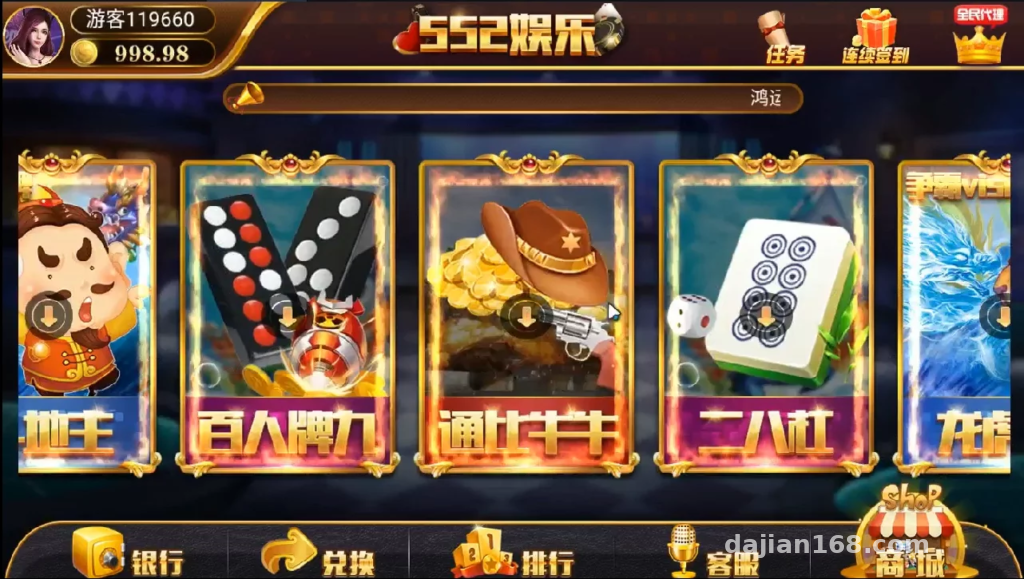
I recently helped a client deploy a task distribution demo platform with a complete checkout module. It’s fully open source on both frontend and backend, and the payment interface is the core selling point. After two days of tinkering, I’ve put together the pitfalls I hit, for anyone thinking of building their own. The program uses a dynamic UI for the lobby interface, supports daily tasks, check-in rewards and similar operational features, runs recharges in a 1:1 demo mode, and includes exchange and mall modules. The overall architecture is pretty clean once you get it running.

Feature Testing: What the Checkout and Task Modules Can Actually Do
Bottom line up front: this is more of a financial data simulation demo platform. All fund flows are demo-only, which makes it a great fit for learning payment gateway architecture.
Payment Gateway Integration
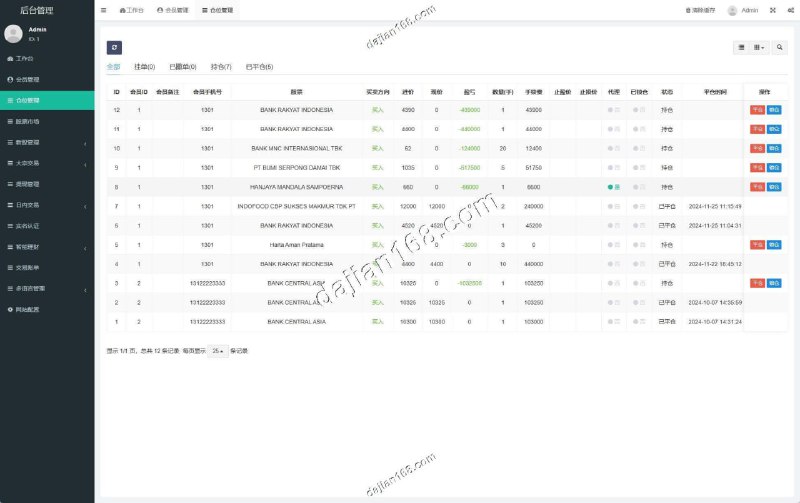
The backend ships with a generic payment gateway plugin reel simulation. Fill in the three essentials — merchant ID, secret key, and callback URL — and it works. I tested it against a third-party aggregated payment sandbox environment, and all three interfaces (order creation, callback, reconciliation) went through fine. Callback signature verification uses MD5 plus a timestamp double check. I’d recommend adding your own IP whitelist on top, otherwise your callback endpoint is easy to scan.
Task and Check-in System
Daily tasks support custom task types, reward amounts, and refresh cycles, while check-in rewards support tiered configuration for consecutive check-in streaks. This logic lives in the backend’s operations management section, so you can change configurations without touching code — very low cost for secondary development.
Mall and Exchange
The mall module is a standard product list plus order flow, and the exchange feature hooks into the points system with adjustable ratios in the backend. During testing I found the exchange endpoint wasn’t idempotent — duplicate submissions would deduct points twice. I fixed it by adding order number deduplication. Watch out for that one.

Deployment Essentials: Environment, Parameters, and luac Handling
Environment Requirements
PHP 7.4 + MySQL 5.7 + Redis, with Nginx rewrite rules using the ThinkPHP pattern. At least 2GB of RAM is recommended; Redis mainly caches the task queue and sessions. After importing the database, remember to change the database prefix in the config — the default prefix is way too easy to scan.
luac File Handling
The program ships with luac scripts for game logic, which need a LuaJIT environment. When deploying, 755 permissions on the luac directory is enough — don’t go giving it 777. If the client fails to load luac files, it’s almost always a path case-sensitivity issue; Linux is strict about that.
Sandbox Testing Workflow
I strongly recommend running the full chain through the sandbox first: simulated order → simulated payment → callback signature verification → order status update → reconciliation file check. On my first deployment I wrote the callback URL as http and the gateway rejected it outright; switching to https fixed it. Also remember to clean up test data regularly, or the orders table will balloon fast.
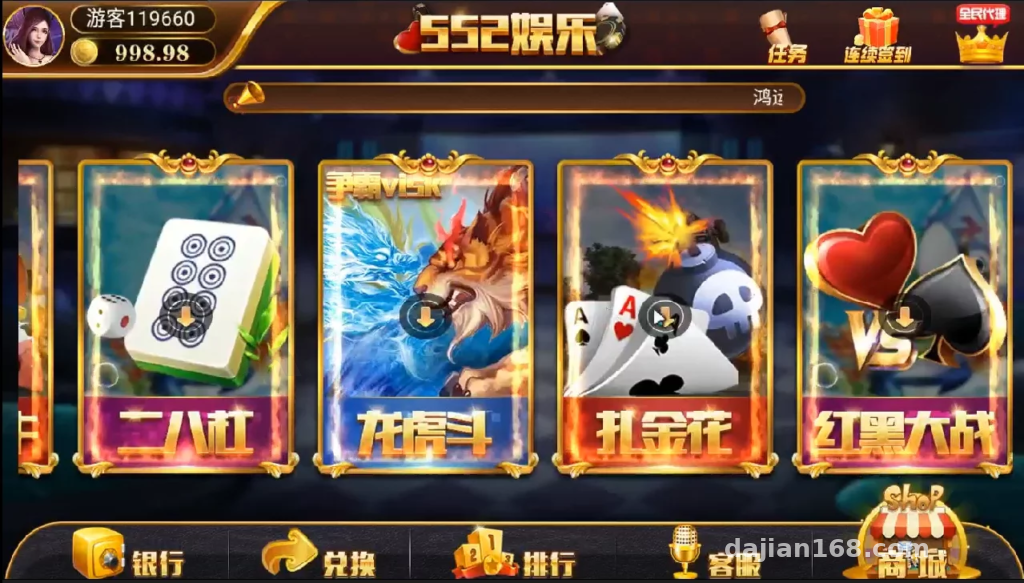
Highlight: the whole program deploys without any license requirement, the payment gateway is plugin-based, and switching gateways only means editing a config file. Secondary development friendliness is high among similar demo systems.
Backend Controls and Extension Potential
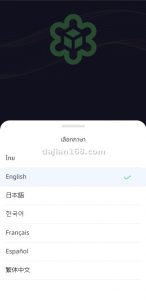
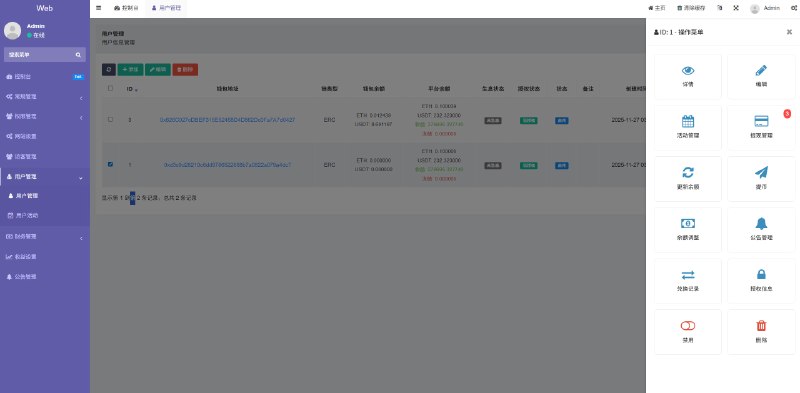
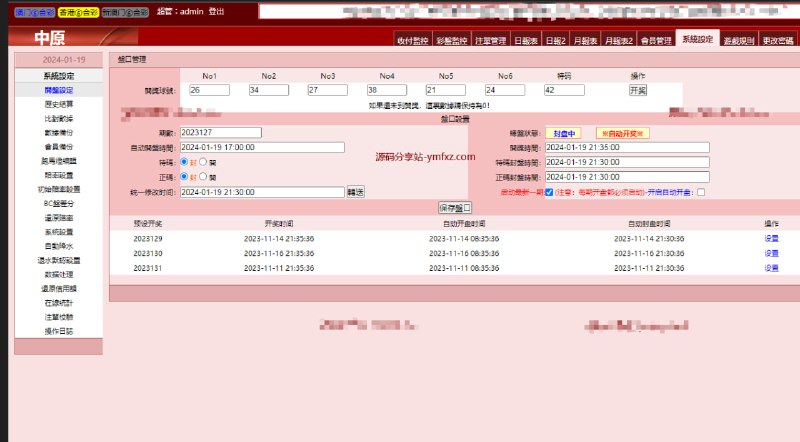
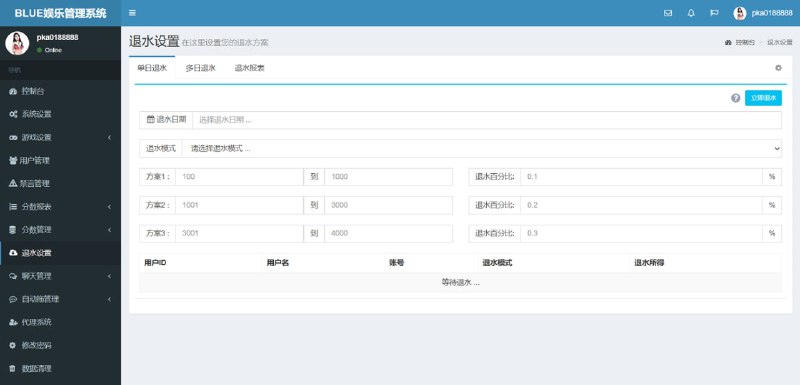
The backend uses a classic three-column layout with permissions down to the button level, making it easy to create separate accounts for operations and technical staff. Multi-language support includes both Chinese and English language packs; adding a new language is just copying a lang file and translating it. For secondary development, the payment gateway abstract class is reasonably well written — extend it and override the signing and verification methods to hook up a new channel. I spent about half a day wiring up a simulated bank gateway for testing.
Who This Is For
Three groups: developers who want to learn payment gateway integration and checkout system architecture; teams building task distribution or points mall projects that need a ready-made checkout module; and freelancers who need to deliver demo projects quickly. Complete beginners hoping to launch straight into production should think twice — you’ll need at least basic Linux administration and PHP debugging skills.
FAQ
Q: Can I test the payment interface without a live merchant account?
A: Yes. All major payment channels provide sandbox environments. With a sandbox merchant ID and test keys you can run the entire flow, then swap in live parameters before going live.
Q: I can’t log into the backend after deployment — what now?
A: Nine times out of ten it’s a session driver issue. Switch the session driver to redis and confirm the redis service is running, and also check permissions on PHP’s session.save_path directory.
Q: Can I modify the luac files myself?
A: Yes. luac files are compiled Lua scripts and need a decompiler matching the version. Validate in a local test environment first — never edit production directly.
Q: Are there risks in using this system for a real commercial project?
A: The program itself is a technical demo. Any deployment and use must comply with applicable laws and regulations, and illegal purposes are prohibited. Evaluate compliance and obtain the relevant qualifications yourself before commercial use.
All in all, this source code works well as learning material for payment gateway integration and checkout architecture. The code structure isn’t complicated, and while documentation is thin, the logic is easy to trace. If you hit deployment issues, feel free to discuss in the comments — I reply to everything I see.
Disclaimer: This article is for technical education and demonstration only. It is not professional or financial advice. Any real-world deployment must comply with applicable laws and regulations.
#payment gateway integration #checkout system #source code deployment #sandbox testing #system deployment
-
 Alipay QR Code Scan
-
 WeChat Scan Pay


![🖼 2025 [One-Yuan Cloud Purchase] Crowdfunding Source Code Cloud Purchase CMS System One-Yuan Treasure Hunt](https://xz.dajian168.com/wp-content/uploads/2025/11/telegram-img-2025-11-12-69143d343d248.jpg)