Complete Deployment Guide: New UI for Overseas Exchange Systems, Perpetual and Delivery Contracts, Candlestick Controls, and Staking Wealth Management
I’ve deployed several exchange projects for clients before. To be honest, there’s quite a lot to these systems, especially the overseas versions, which require careful attention to multilingual support, candlestick controls, futures mechanics, and other details. Last month, I helped a client with an overseas project build out a complete exchange system using this new UI version. The experience was genuinely impressive, so today I’m sharing the entire deployment experience.
Complete Deployment Guide for the New-UI Overseas Exchange System / Perpetual and Delivery Futures / Candlestick Controls / Staking and Wealth Management
When I first took on this project, the client was explicit that the system had to support perpetual futures and delivery futures, as well as candlestick controls. I was initially worried the implementation might fall short, but after deployment and a period of live operation, its stability surprised me. Today, I’ll walk through the entire process from scratch, including the pitfalls I ran into and the customization options I used—all based on practical, hands-on experience.
1. Overview of the System’s Core Features
This overseas exchange system uses an entirely new UI design. Both the client-facing frontend and admin panel are built with Vue, while the backend uses fully open-source Java. It is far more flexible to deploy than many closed-source systems on the market, and secondary development is straightforward, so you won’t be held hostage by a vendor.
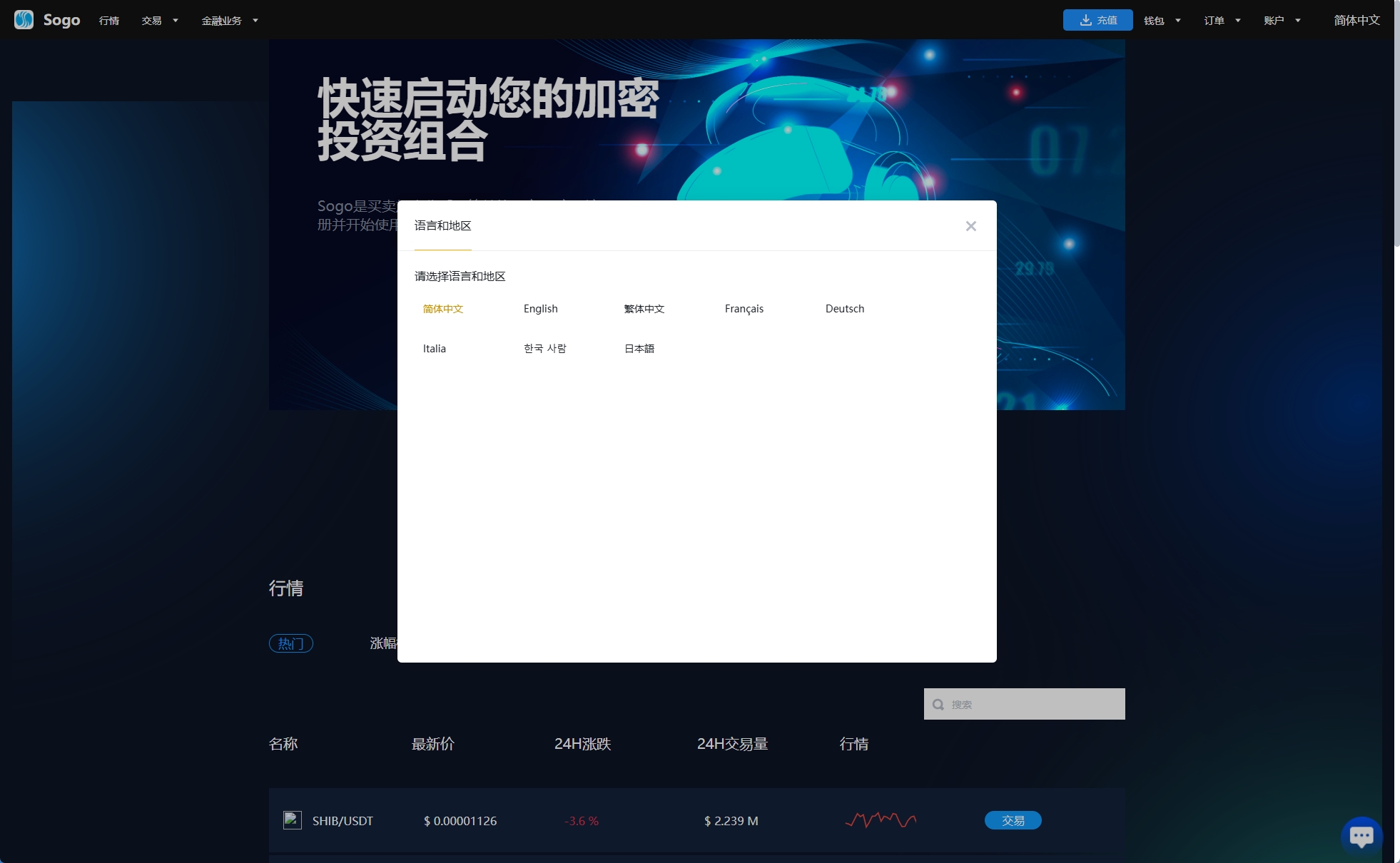
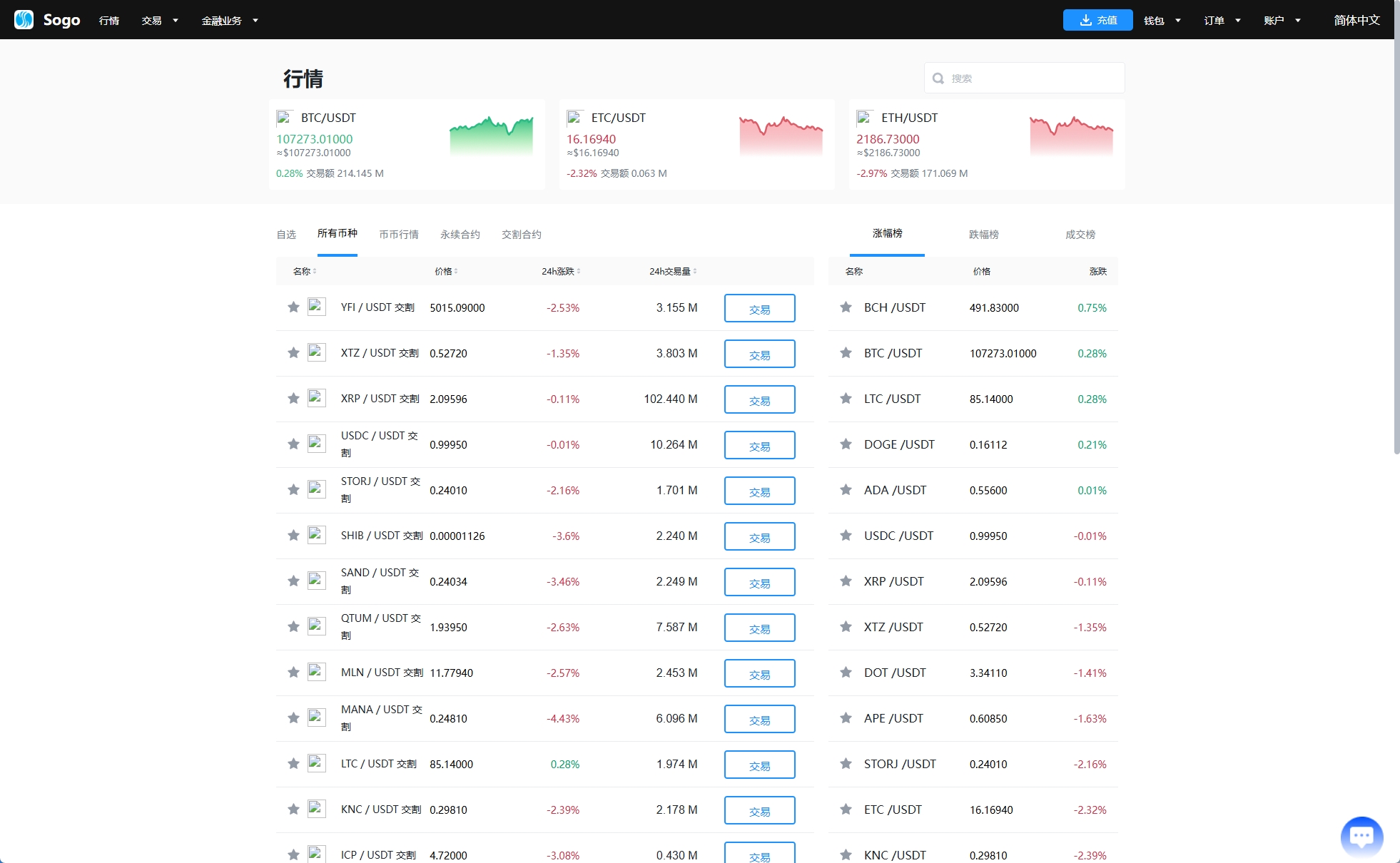
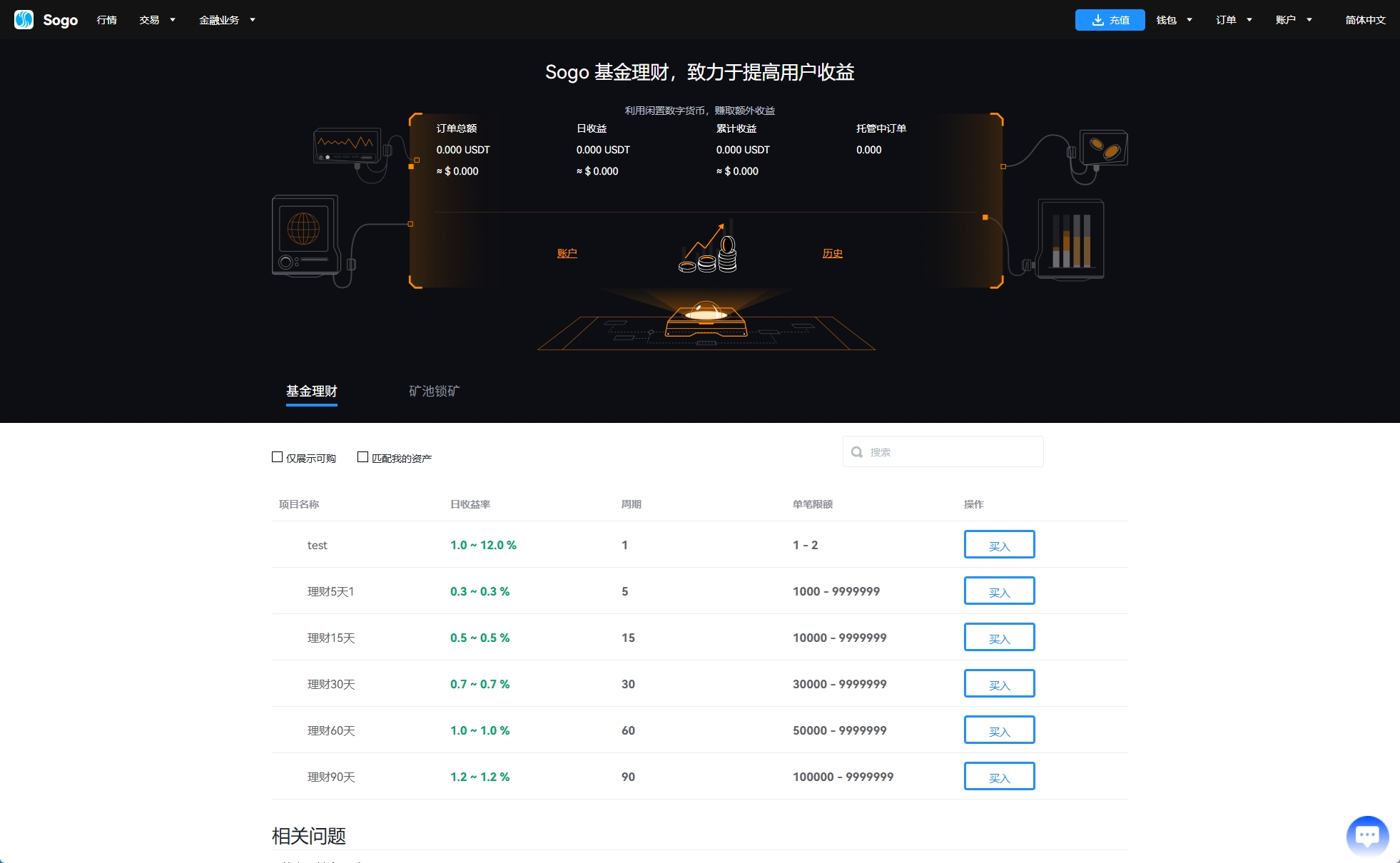
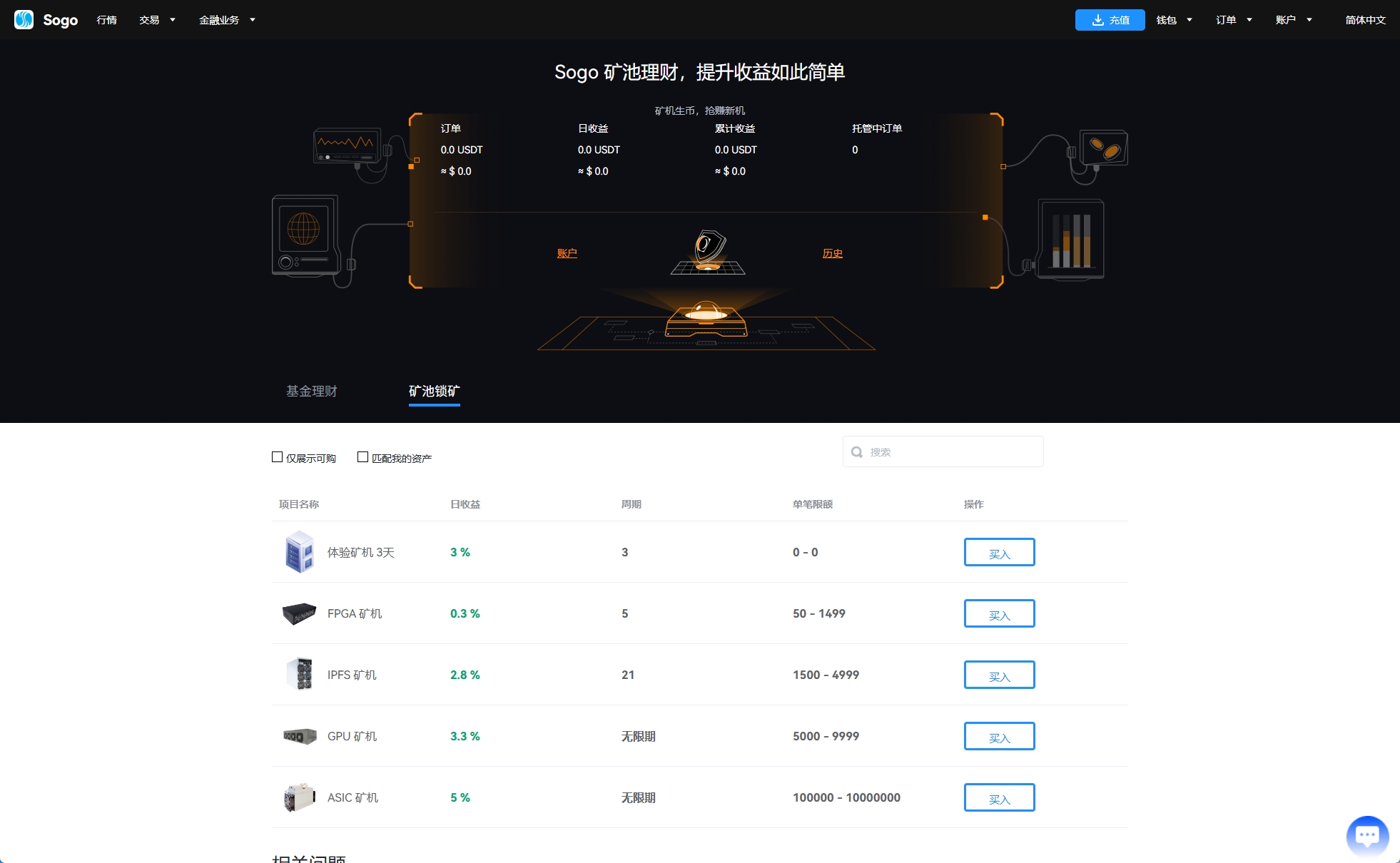
The system supports an extensive range of trading modes, covering the major cryptocurrency trading scenarios in use today. Both perpetual futures and delivery futures have complete frontend and backend support, and candlestick data can be adjusted as needed. Staking and wealth management, mining pools, and lending are all built into the same system, so there’s no need to integrate separate third-party services.
Front-End Highlights
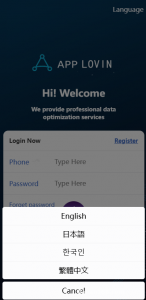
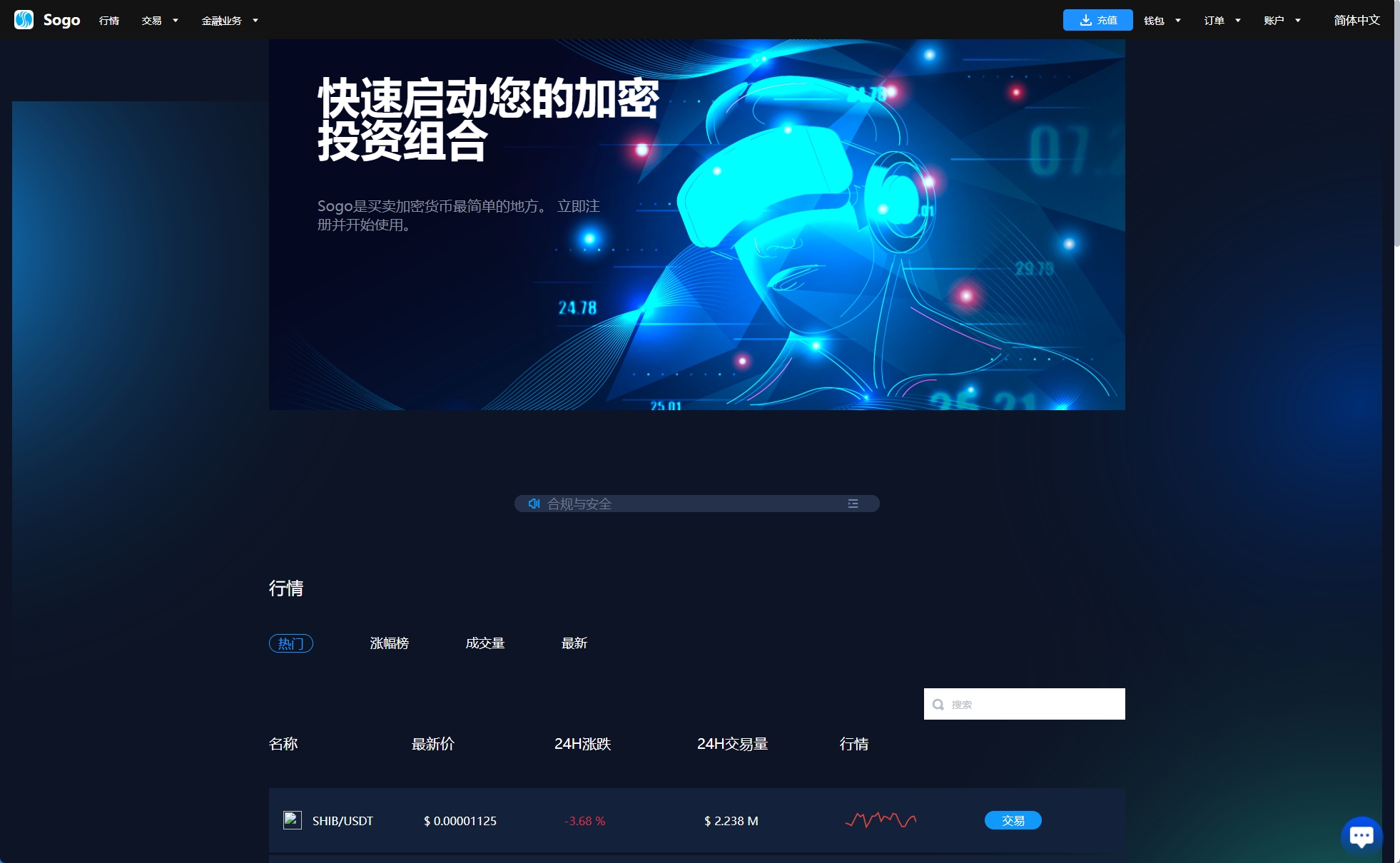
The mobile adaptation is well done and works on both phones and desktops. The frontend also supports switching between light and dark themes out of the box, which makes it more convenient for overseas users. Multilingual support is standard, with English enabled by default and no additional development required.
Futures Trading Module
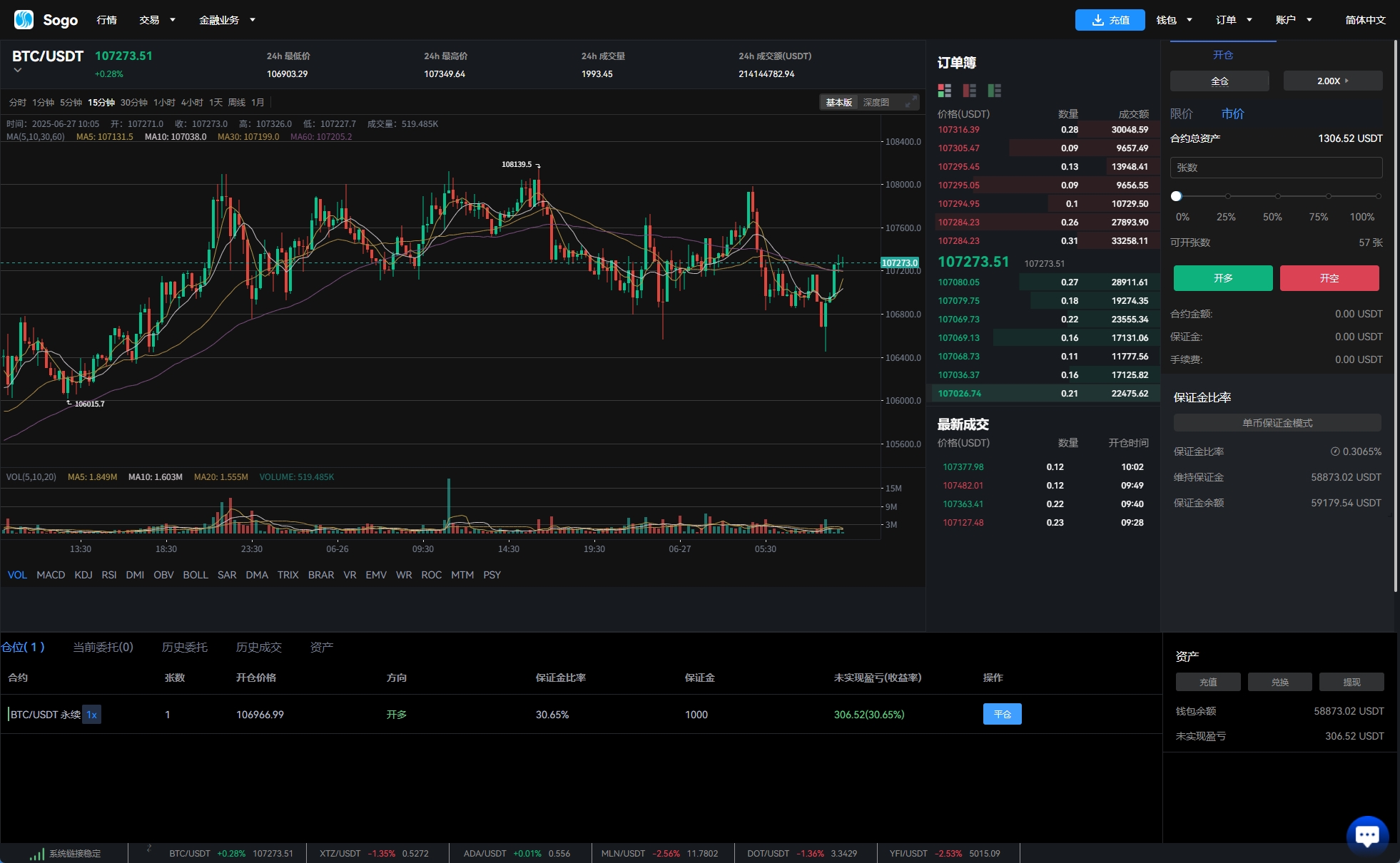
The perpetual futures module supports two-way trading, freely adjustable leverage, and forced liquidation. Delivery futures can be managed independently for each user or each position, which is extremely useful from an operational standpoint. Candlestick data can be controlled and pushed upward, making the system suitable for operators who need to manage market conditions.
2. Preparations Before Setup
Before the official deployment, several key steps need to be confirmed, or things can become troublesome later.
Server Environment Requirements
The Java backend has certain server performance requirements. We recommend at least 8 CPU cores and 16 GB of RAM. Either MySQL 5.7 or 8.0 can be used, and an SSD is required, as I/O performance directly affects the processing speed of futures orders. The Vue frontend requires a Node.js environment; version 16 or later is recommended.
Domain and SSL Configuration
Any overseas operation must use HTTPS. For certificates, use either a free Let’s Encrypt certificate or a paid certificate from Alibaba Cloud or Tencent Cloud. Prepare the domain in advance, preferably an English-language domain to make it easier for overseas users to access.
Third-Party Service Integration
The system needs to be connected to several basic services: a market data feed, an SMS gateway, an email service, and a payment gateway. For an overseas project, it is advisable to evaluate the payment gateway well in advance, because cross-border fund flows involve compliance issues that should take priority.
3. Common Issues and Troubleshooting Notes
Candlestick Data Fails to Display
This is the most common issue. In most cases, the Java backend service has not started correctly, or the market data interface is misconfigured. To troubleshoot it, first check the Java logs for errors, then verify that the WebSocket connection is working, and finally check whether the market data interface is returning the correct format.
High Latency When Placing Futures Orders
High latency is generally caused by one of two things: unstable server networking or unoptimized database queries. We recommend adding indexes to the order-related tables and checking the network latency between the server and the market data source. When deploying, choose a data center close to your target users: Singapore for users in Southeast Asia and a data center in the United States for users in Europe and the Americas.
Language Switching Does Not Work
The frontend’s multilingual configuration is located in the locales directory, with one JSON file per language. If switching languages does not take effect, the most likely causes are an incorrect language-pack loading order or an untranslated key.
Important notice: Overseas exchange systems operate in the financial sector, so before deployment, always confirm the laws and regulatory requirements of the target country. Some countries impose explicit licensing requirements on cryptocurrency exchanges, so make sure you understand the applicable rules before launching the platform.
4. Recommended Customization Options
While the standard edition already has a fairly complete feature set, every project has its own requirements and will inevitably need some level of customization. Here are several common customization options for reference.
UI Customization
If you need a completely custom brand style, you can modify the style files in the Vue source code. To change the theme color, simply adjust a few variables in assets/theme.scss; there is no need to touch the business logic.
Trading Pair Customization
To add a new trading pair, configure the currency-pair information in the admin panel, including parameters such as trading precision, fee rates, and leverage limits. Before listing a new asset, we recommend running it in the test environment for a few days and confirming that everything works before switching to production.
Risk-Control Module Customization
If the position controls and liquidation mechanisms in the standard edition do not meet your business requirements, you can perform secondary development based on the Java source code. The risk-control logic is located in the RiskControlService class in the service layer. Always test your changes thoroughly in the test environment before making them.
Frequently Asked Questions (FAQ)
Q1: How many languages does the system support?
The system currently supports four languages by default: English, Chinese, Vietnamese, and Thai. If you need additional languages, you can extend the language packs in the locales directory using the standard i18n JSON format.
Q2: What is the maximum leverage supported for contract trading?
The maximum supported leverage is 100x by default, but this setting can be freely configured in the admin dashboard. We recommend adjusting it according to the regulatory requirements of the target market, as some regions impose leverage limits.
Q3: How stable is the system?
Among the projects we have deployed, the one with the highest daily trading volume has processed several thousand contract orders per day without any downtime. Of course, this depends on adequate server configuration and proper database optimization.
Q4: What storage solution does the system use?
Order and candlestick (K-line) data are stored in MySQL, while Redis is used for caching. User sessions and real-time market data are kept in memory for faster response times.
Q5: How does the system ensure the accuracy of candlestick data?
The system includes a built-in data validation mechanism that cross-checks multiple market data sources. If a data source encounters an issue, the system automatically switches to a backup source to ensure the continuity of market data.
⚠️ Important Notice: This article is intended solely for technical communication and educational purposes and must not be used for illegal activities. Before deploying an overseas exchange system, ensure that it fully complies with all applicable local laws and regulations.
#OverseasExchangeSystem #PerpetualContractTradingPlatform #CryptocurrencyStaking #CandlestickControlExchange #BlockchainContractSystem
-
 Alipay QR Code Scan
-
 WeChat Scan Pay