uniapp Data Collection & Publishing System Build Log: ThinkPHP Backend Deployment Notes
uniapp Data Collection & Publishing System Build Log: ThinkPHP Backend Deployment Notes
Disclaimer: This article is for technical education and demonstration only. It is not professional or financial advice. Any real-world deployment must comply with applicable laws and regulations.
I recently helped a client deploy a data collection and publishing system with a uniapp frontend and a ThinkPHP backend. It’s mainly used for scheduled collection from public data sources and displaying text-and-image content. It took me two evenings of tinkering, so I’m writing down all the pitfalls I hit for anyone who needs a reference.
Feature Testing: What This System Can Actually Do
Short version: there are a lot of features, but some modules need your own adjustments. I tested each one:
1. Collection Module
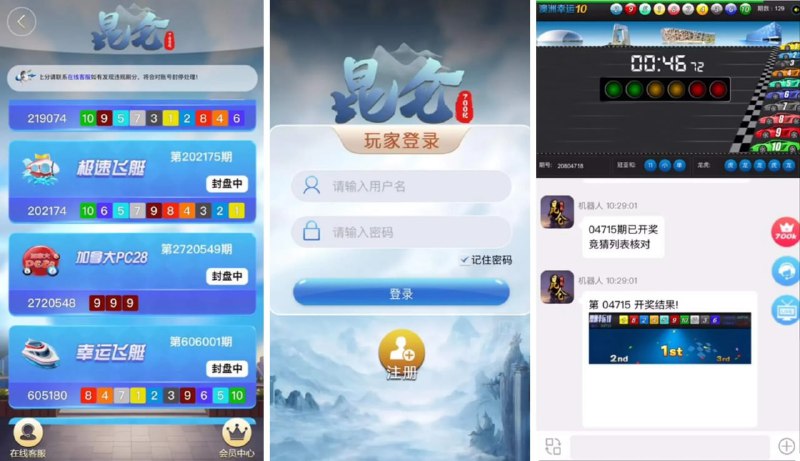
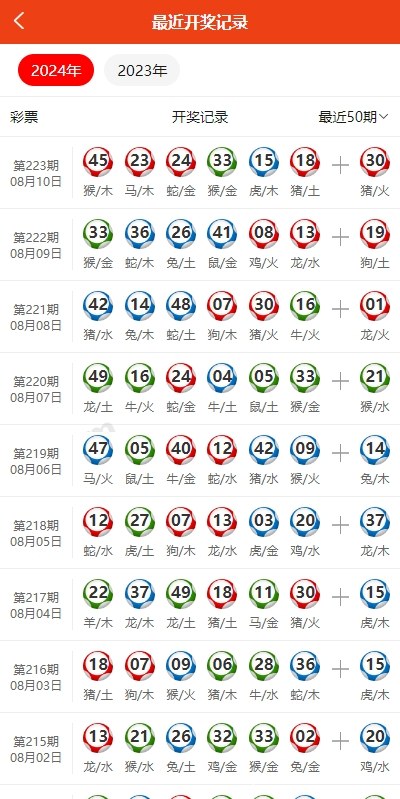
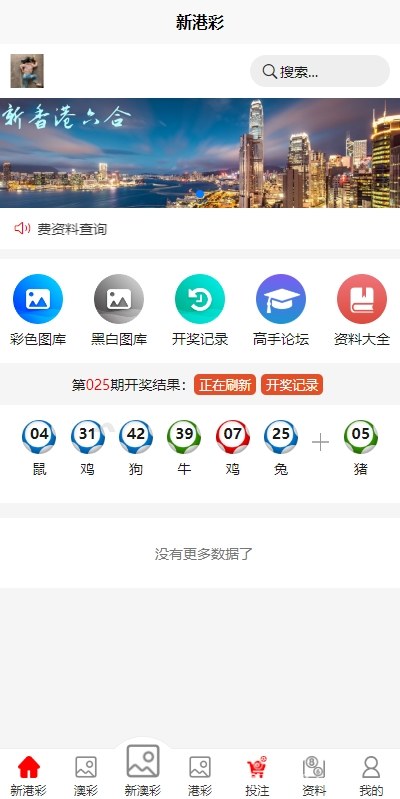
The system has built-in interfaces for pulling data from external image libraries, supporting both automatic and manual publishing modes. In my testing, the collection endpoints for the HK-style and Macau-style data sources worked fine, and scheduled tasks ran without dropping data. The other data sources require you to study their API rules yourself. My advice: use Postman to capture the target endpoint’s response format first, then modify the parsing logic in the collect layer.
2. Scheduled Publishing
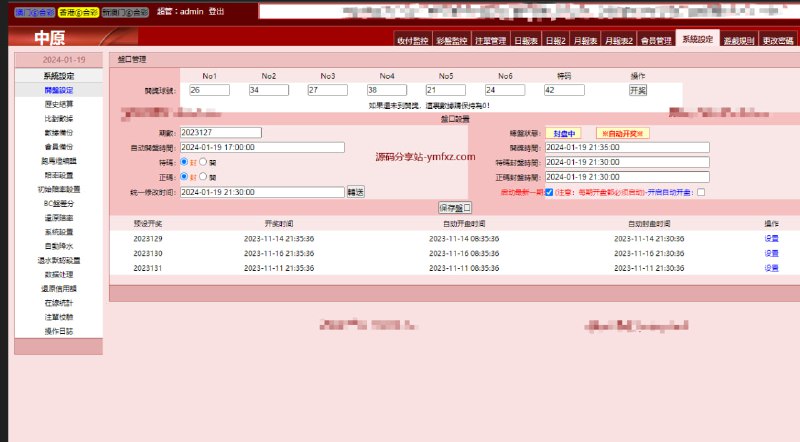
The admin panel lets you set automatic publishing times, or you can enter records manually. I used crontab to run a Think command once per minute, which turned out more stable than the system’s built-in timer. One gotcha here: the server timezone must match the target data source, otherwise publishing times will be off by an hour. The client’s first acceptance test got stuck exactly on this.
3. Membership System
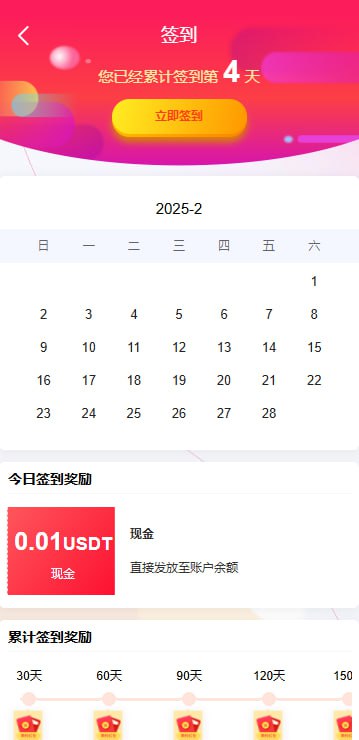
Check-ins, points, membership tiers, referral invites — it’s all there and the logic isn’t complicated. Points redemption rules can be configured in the backend, and the frontend supports demo links for traffic purposes, which is quite practical for clients focused on operations.
4. Forum and Ad Slots
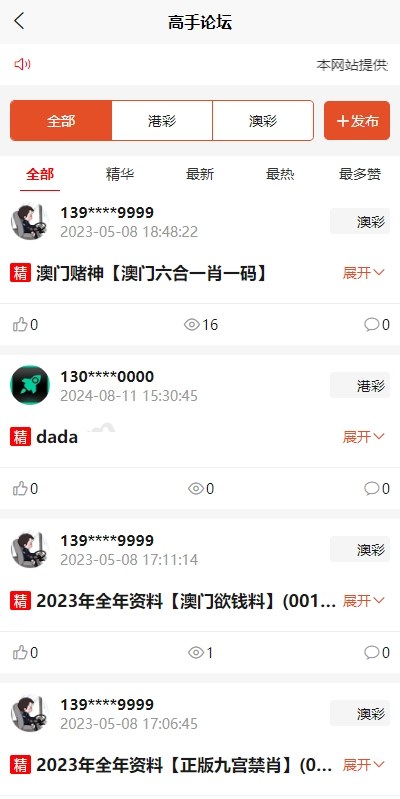
The forum covers basic posting and replying. If there’s no moderation workflow, I’d recommend adding a sensitive-word filter as a secondary development step before going live. Ad slots are configured visually in the backend, supporting images and redirect links — easy to modify.
Deployment Essentials: Environment and Technical Details
My environment was CentOS 7.9 + Nginx 1.22 + PHP 7.4 + MySQL 5.7. The uniapp frontend was compiled with HBuilderX into both H5 and mini-program versions.
A few things you must watch out for:
First, URL rewriting. ThinkPHP routes need rewrite rules under Nginx — just use the official configuration, don’t write your own. The first time around I missed the pathinfo setting and every backend API returned 404.
Second, collection frequency. Don’t get greedy and set it too high; target sites have anti-crawler mechanisms. I set it to one round every 5 minutes with a random delay, and it ran for a week without getting blocked.
Third, database optimization. Collected data accumulates fast. I added composite indexes to the core tables, and query time dropped from 800ms to 40ms. If the data volume is large, consider splitting tables by month.

Compliance reminder: collection should only target public data sources. Always respect the target site’s robots protocol, control your request frequency, and never touch any data requiring login state or of a private nature. The system is for legal technical demonstration and learning purposes only.
Secondary Development Suggestions
If you plan to run this long-term, I recommend three things: add retry-on-failure and alert notifications to the collection module (hooking up an enterprise messaging bot is enough); add a content moderation queue to the forum; and extract the membership tier benefit rules into a configuration table instead of hardcoding them. The code structure is fairly clean — controllers and models are well separated — so secondary development isn’t hard. A developer familiar with ThinkPHP can get up to speed in half a day.
Who This Is For
It suits developers who want to build a data aggregation and display site, small-to-medium teams that need a text-and-image content management system, and beginners who want to practice a full-stack uniapp + ThinkPHP project. Complete beginners shouldn’t jump straight in — you should at least know basic Linux administration and PHP debugging.
FAQ
Q: What if the collection API occasionally times out?
A: Add curl timeout settings and a retry mechanism. I set a 10-second timeout with 3 retries, running through a queue — it’s been basically stable.
Q: How do I fix uniapp mini-program compilation errors?
A: It’s usually plugin version incompatibility. Update both HBuilderX and the uniapp dependencies to the latest versions, clear the cache, and recompile.
Q: Can I switch to a different data source?
A: Yes. As long as the target API is public, just change the URL and parsing rules in the collection layer. Remember to respect the robots protocol and the provider’s terms of service.
Final note: this system is for technical learning and legal demonstration purposes only. When using it, please comply with applicable laws and regulations, and never use it for anything unlawful.
Disclaimer: This article is for technical education and demonstration only. It is not professional or financial advice. Any real-world deployment must comply with applicable laws and regulations.
#Data Collection #uniapp #ThinkPHP #Deployment Log #System Setup
-
 Alipay QR Code Scan
-
 WeChat Scan Pay