Self-Hosted IM Instant Messaging System Deployment: Native Android & iOS Apps with Voice and Video Call Testing
Self-Hosted IM Instant Messaging System Deployment: Native Android & iOS Apps with Voice and Video Call Testing
Disclaimer: This article is for technical education and demonstration only. It is not professional or financial advice. Any real-world deployment must comply with applicable laws and regulations.
I recently helped a client deploy a self-hosted IM instant messaging system, and the whole thing took about a week of back-and-forth. The client runs a social product and needed full control over their own data, with no reliance on third-party messaging cloud services, so they went with a solution that ships with native Android and iOS source code. Here’s the full deployment process plus the pitfalls I hit, written up for anyone following the same path.
First, the basics of this system
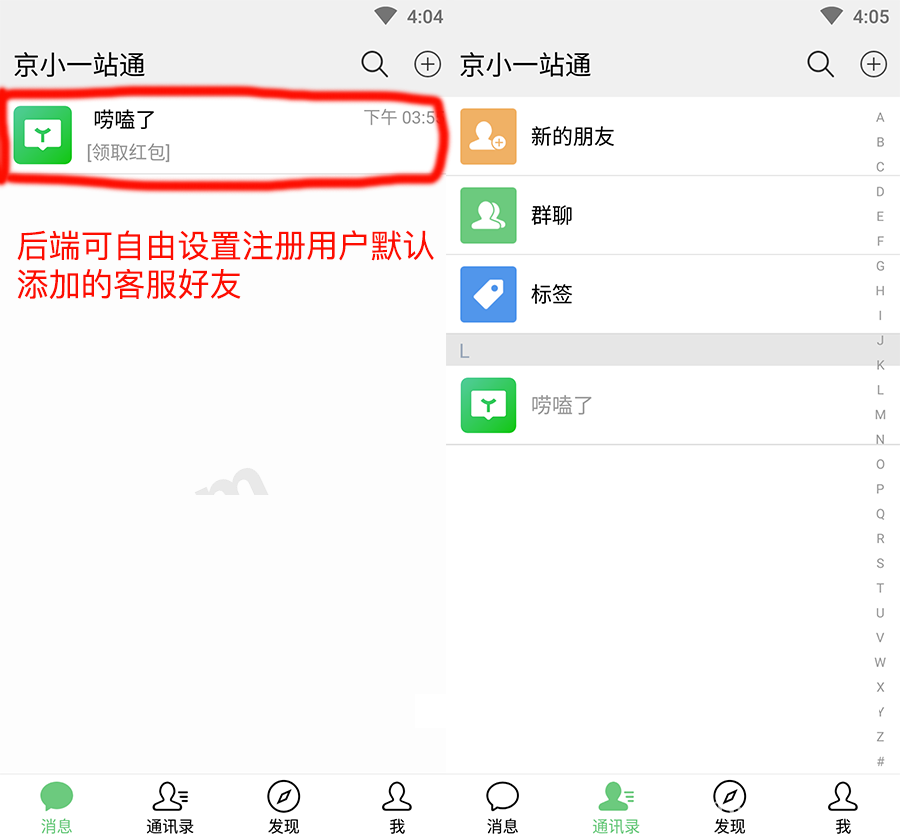
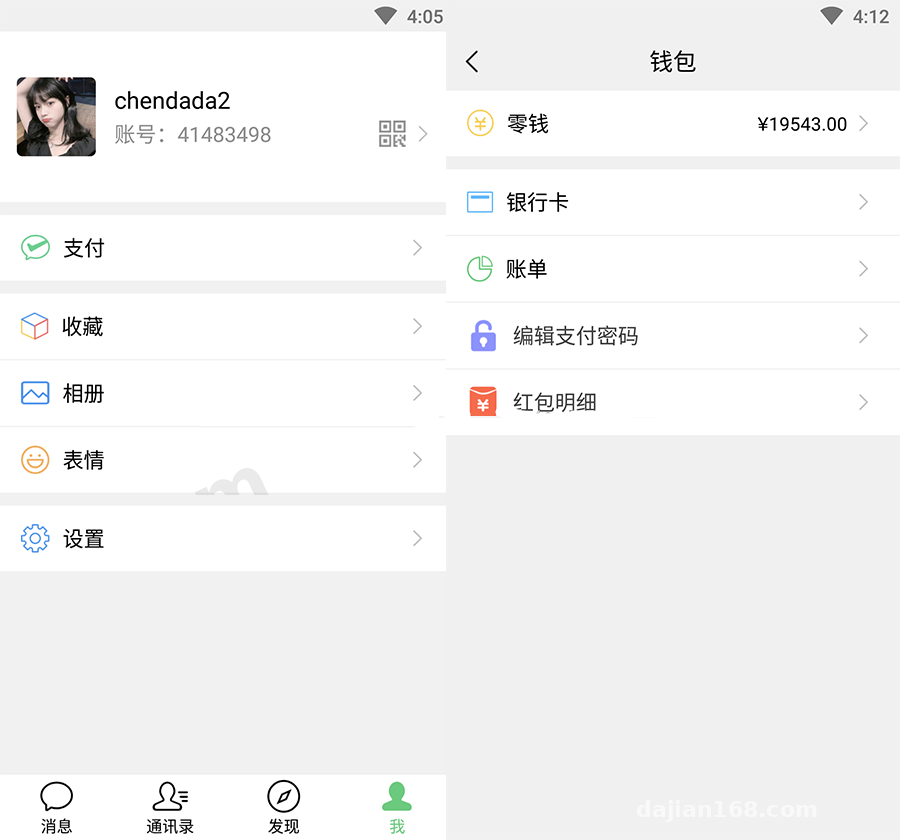
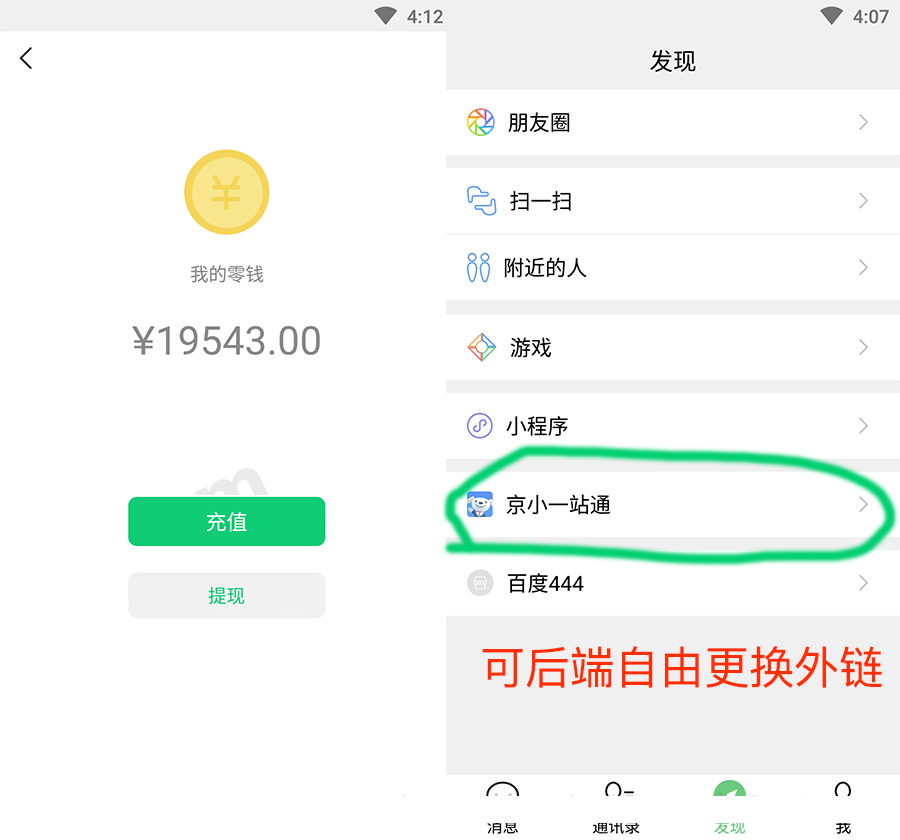
After getting the source package, I went through the structure first: both the Android and iOS clients are native development, not wrapped H5 — and that matters a lot. Message send/receive smoothness and push delivery rates are noticeably better than hybrid builds. The backend is written in PHP, so the deployment barrier is low; I dropped it onto a 4-core 8GB cloud server and it just ran. The feature list is fairly complete too: one-on-one chat, group chat, friend requests, moments-style feeds — all there. The voice call and video call modules are ready-made, so you don’t have to hunt down and stitch together your own SDK.
Hands-on testing of the core features
Message latency for one-on-one and group chat stayed under 200 milliseconds in my test environment, and even faster on a LAN. For group chat I set up a 50-person test group and hammered it with images and voice messages — no out-of-order delivery or lost messages. Voice and video calls run on self-hosted signaling; when P2P hole punching fails, it automatically falls back to a relay. That logic is clearly written in the source code, which makes secondary development much easier.
Deployment essentials and pitfalls
Confirm the PHP version requirements for the backend first — I used 7.4. Don’t go too old, or the extensions won’t match. WebSocket long connections need the corresponding ports opened; a lot of beginners get stuck because the security group rules weren’t updated. The symptom is messages going out but never arriving, and nine times out of ten that’s the cause.
Push notification integration
The system ships with push support: Android connects to vendor channels, iOS goes through APNs. Here’s a trap: for iOS you must use the production push certificate — with a development certificate, the production build won’t receive offline messages. I wasted half a day on exactly that. Once the certificate is configured, the app gets new message alerts even after being killed, so the experience is complete.
Payment interface integration
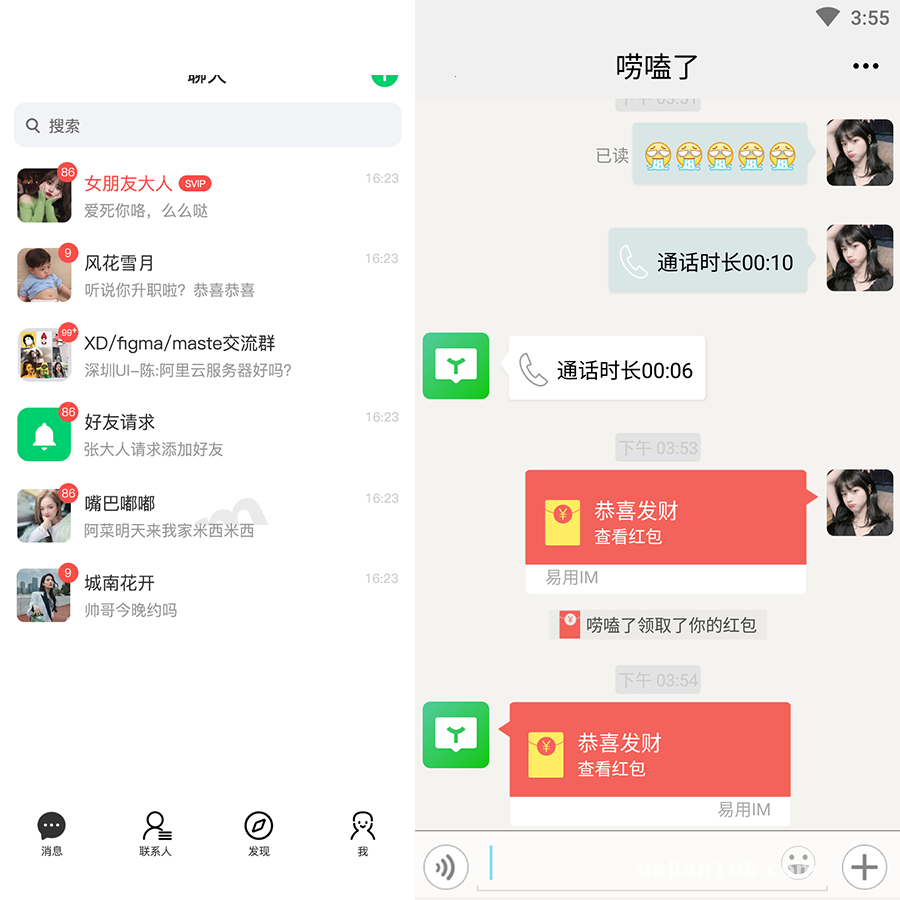
The system supports WeChat Pay integration. The client has membership and virtual gift scenarios, so I tested the payment callback flow separately. The callback URL must be configured in the admin panel; if signature verification fails, the order status won’t update, and the logs show a clear error message — just follow it. One reminder: payment integration requires a merchant account registered under a legitimate business entity, and the use case must be compliant.
Admin panel
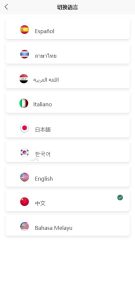
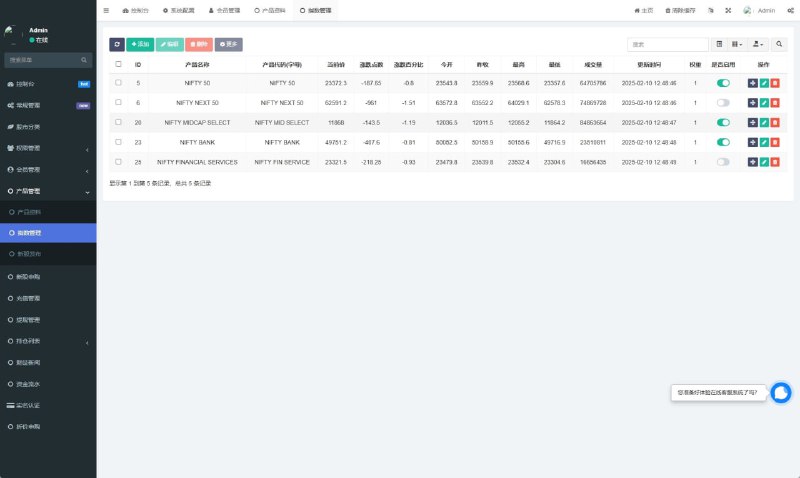
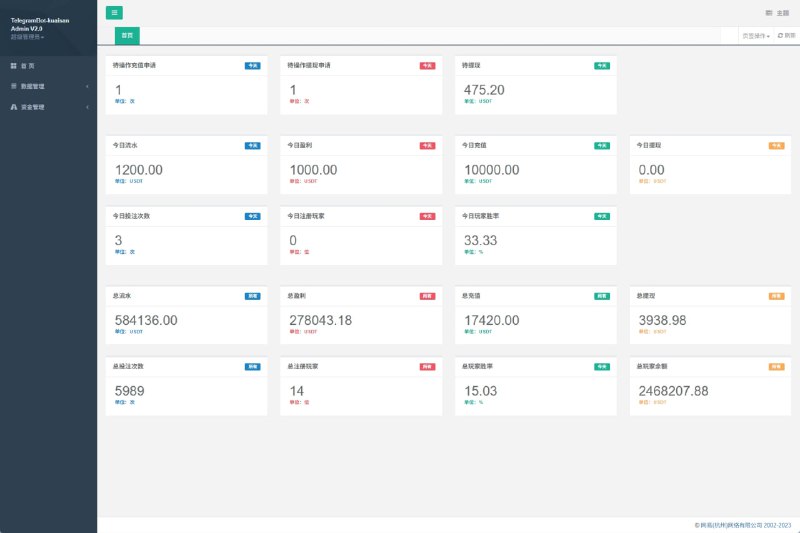
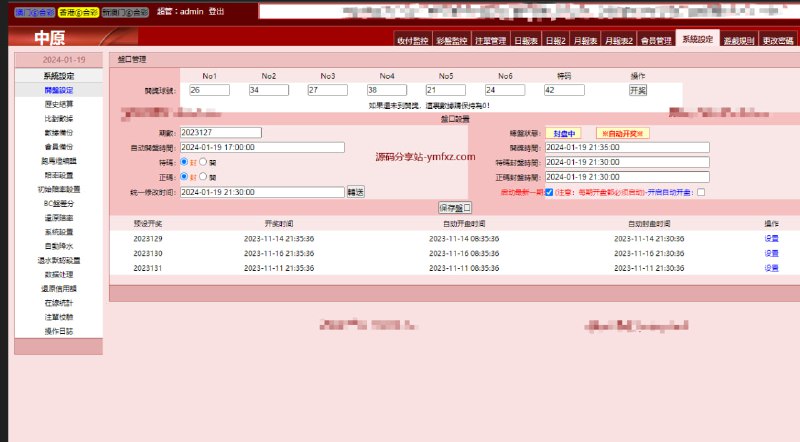
The admin backend has more than I expected: user management, group management, message auditing, and sensitive-word filtering are all built in. On the operations side, you can configure registration methods and invitation mechanisms, and view online user statistics. The client later wanted multilingual support — I looked at the frontend code structure, and the language packs are standalone files, so adding a translation set isn’t much work.
The biggest value of self-hosted deployment is data autonomy: the message server, media files, and user data all live on your own machines, so future secondary development or integration with internal systems isn’t restricted. The tradeoff is that you handle your own ops — I’d recommend at least one dedicated message server and one media server.
Who this is for
Internal enterprise communication platforms, vertical community apps, and customer service system foundations — all great fits. If you want to test the waters with a social product, this source code is complete enough to save you most of the development cycle. Teams strong in secondary development can adapt it into a task distribution system or the messaging module of a content community; the architecture leaves room for extension.
FAQ
Q: What’s the minimum server configuration?
A: For a test environment, 2 cores and 4GB is enough. For production, start with 4 cores and 8GB, and consider splitting into a message server cluster once you exceed a thousand users.
Q: Can I customize the UI on Android and iOS?
A: Yes. Both clients are native code, and the layout files and resources are all in the projects. Changing icons, color schemes, or the home page structure is no problem — you just need Android and iOS development environments set up.
Q: Is message data stored encrypted?
A: The transport layer is encrypted, but messages in the database are stored in plaintext. If your compliance requirements are strict, you’ll need to add a storage encryption layer yourself — not hard to do given the source structure.
Q: How many concurrent online users does it support?
A: In my testing, a single machine handled several hundred concurrent connections without issue. It depends on bandwidth and message frequency; for high concurrency, distributed deployment is recommended.
Disclaimer: This article is for technical education only, sharing deployment experience. Any use of the system must comply with applicable laws and regulations, and unlawful purposes are prohibited.
Disclaimer: This article is for technical education and demonstration only. It is not professional or financial advice. Any real-world deployment must comply with applicable laws and regulations.
#IM Instant Messaging #Self-Hosted Deployment #Social App Development #Voice and Video Calls #Source Code Setup
-
 Alipay QR Code Scan
-
 WeChat Scan Pay