KK Lottery CP System Architecture Guide: Dual Gameplay with Java Source Code
KK Lottery CP System Architecture Guide: Dual Gameplay with Java Source Code
This KK Lottery package is best understood as a small lottery operations platform rather than a single game page. It has member management, game configuration, draw periods, settlement logic and back-office reporting. The Java source code gives room for customization, but it also means the deployment needs stricter process control than a lightweight PHP site.
1. Architecture Breakdown
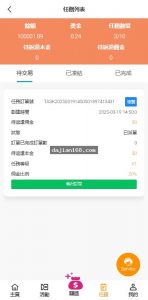
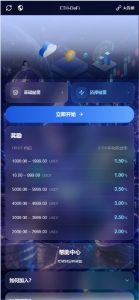
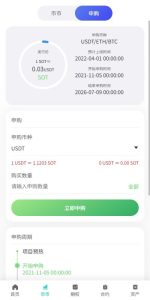
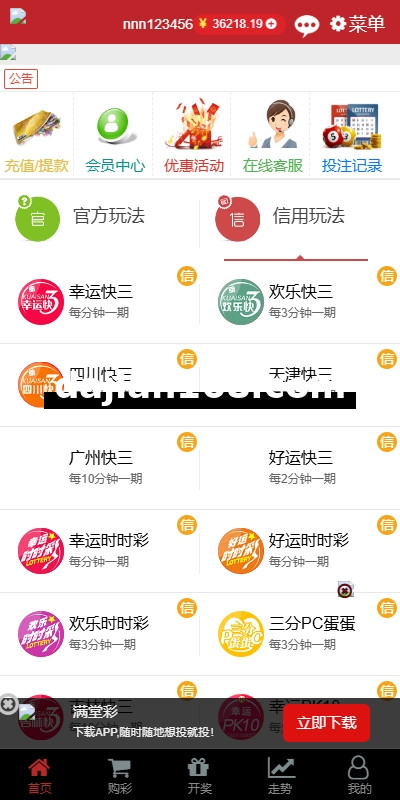
The front end presents game halls, result history, trend charts and the member center. The backend exposes APIs for login, wallet operations, game lists and order submission. The CP module manages lottery categories, draw periods, odds and result publication. MySQL stores persistent records, while Redis should handle frequently refreshed data such as current periods and hot configuration.
2. Dual Gameplay Configuration
Dual gameplay means two game modes can share the same account and wallet foundation. In practice, configure each mode with a separate game code, draw interval, number range, odds table and settlement rule. Do not reuse the same period numbering rule across both modes; otherwise reports become difficult to reconcile. After configuration, create several test periods and make sure each mode settles independently.
3. Database and Cache Checks
Before launch, inspect the core tables: users, wallet logs, game categories, draw periods, orders and result records. The period table should not contain duplicated period numbers. Wallet logs should be append-only so finance staff can audit every balance change. Redis must not be treated as the final source of truth; use it for speed, but let MySQL keep the audit trail.
4. Launch Verification
A reliable verification sequence looks like this: register a test user, adjust the test balance in the backend, place an order in each gameplay mode, wait for the next draw, verify result publication, confirm settlement, then download the order and wallet reports. If one step fails, fix that layer before moving to the next. Do not troubleshoot the front page, API, database and settlement all at the same time.
5. Secondary Development Suggestions
Common improvements include adding more lottery categories, building a mobile H5 shell, adding risk-control rules, integrating third-party notifications and separating the report service from the transaction service. Keep each change small and versioned. Lottery code is sensitive because a tiny settlement error can affect many user balances.
Important: always preserve an auditable test environment. Any change to draw rules, odds, settlement or wallet logic should be tested with fresh periods before it reaches production users.
FAQ
Q1: Why choose Java source code for this type of platform?
Java is heavier to deploy, but it is easier to maintain for teams that need structured services, clear logs and long-term feature expansion.
Q2: What is the most important table to monitor?
The wallet log table. Game orders can be regenerated during testing, but balance changes must be traceable from day one.
Q3: Can Redis be disabled?
It can be disabled in a small demo, but page response and current-period refresh will be slower. Production should keep Redis enabled.
#KK Lottery #Lottery CP System #Java Source Code #Dual Gameplay #System Architecture
-
 Alipay QR Code Scan
-
 WeChat Scan Pay