Social E-Commerce Member Referral System Build Log: Crowdfunding Profit-Sharing Source Code Deployment Notes
Social E-Commerce Member Referral System Build Log: Crowdfunding Profit-Sharing Source Code Deployment Notes
Disclaimer: This article is for technical education and demonstration only. It is not professional or financial advice. Any real-world deployment must comply with applicable laws and regulations.
Recently I helped a client deploy a member referral system for the social e-commerce direction. The source code is a complete crowdfunding profit-sharing platform built on top of ThinkPHP 5.0. The client mainly wanted a demo environment for “refer-a-friend rewards + team task distribution” to test user-growth models under different reward parameters. This post records the pitfalls and key configuration points from the deployment process for anyone with a similar need.
1. System Function Tests
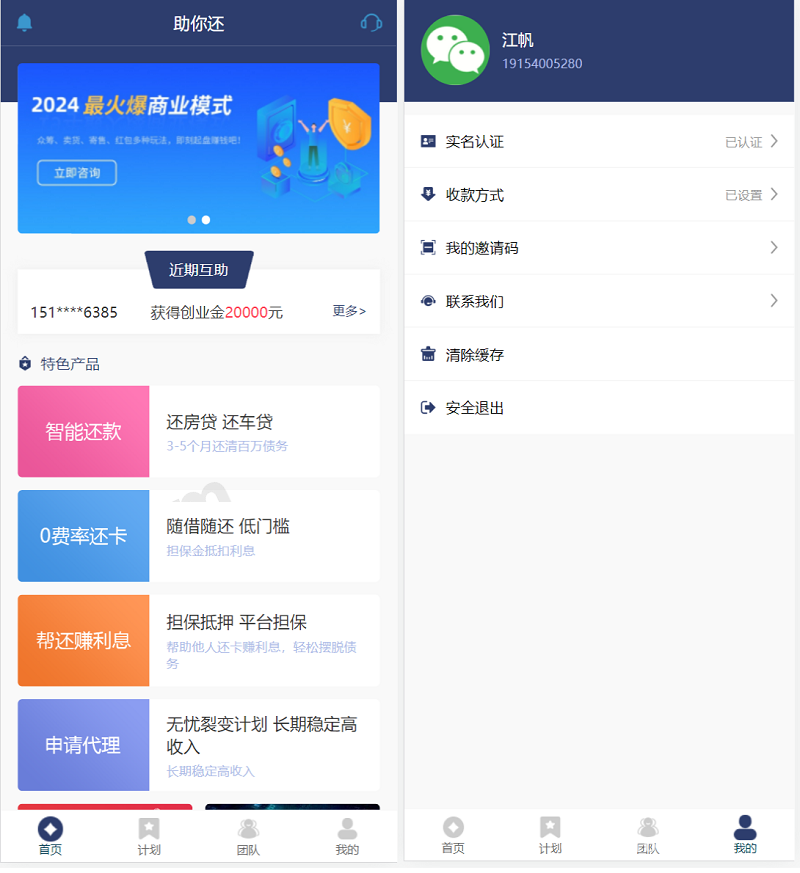
After deployment, I walked through the front-end and back-end flows. Overall the feature set is complete. The front end mainly covers member registration, team binding, task claiming, and reward withdrawal.
1.1 Member Registration and Team Binding
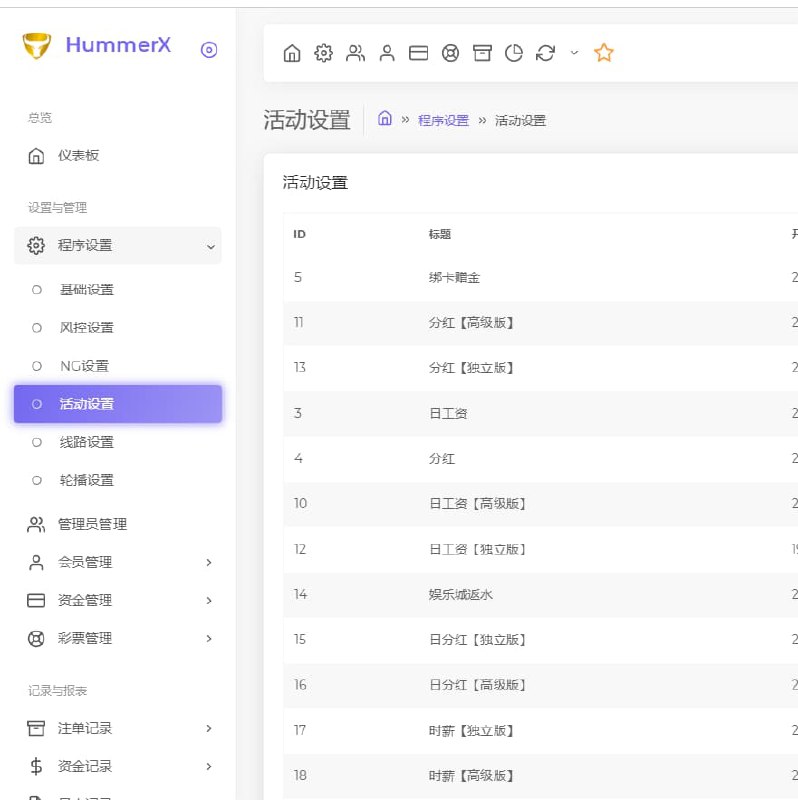
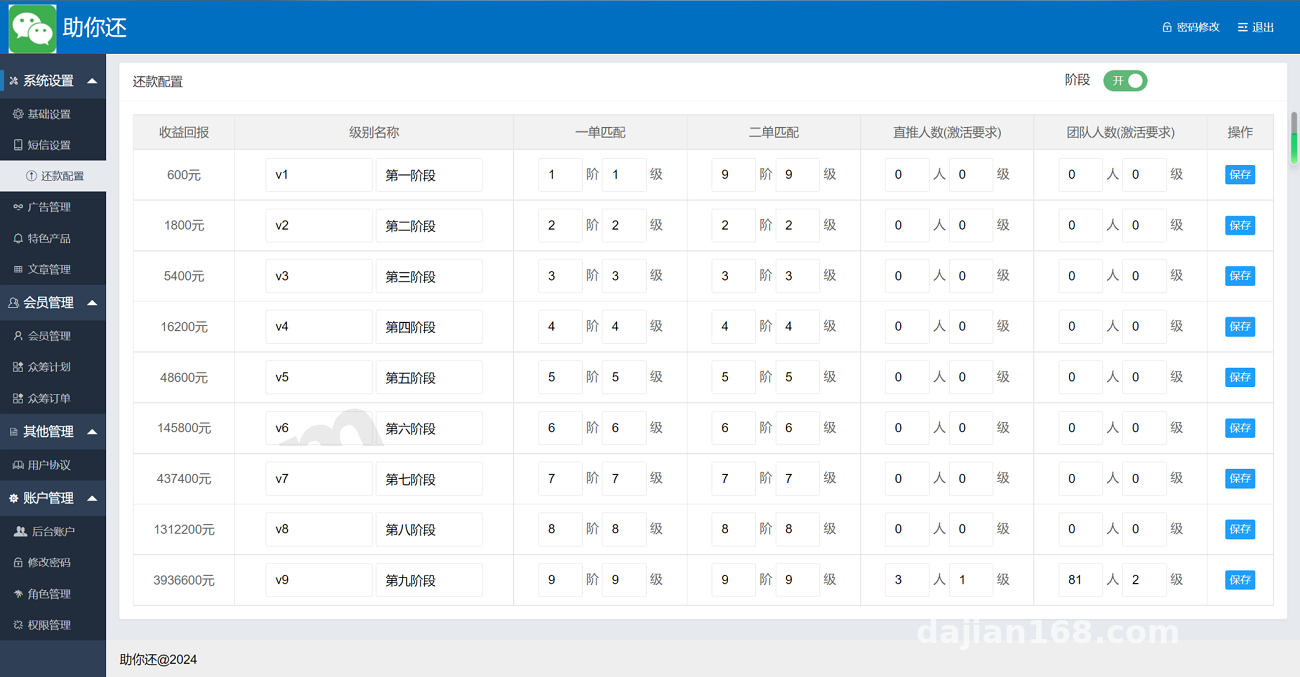
During registration, a new user enters a referral code, and the system automatically attaches the member under the referrer’s team tree. The back end can set team tier depth; the default is three tiers, adjusted in “System Config – Member Settings”. I tested switching to two and four tiers; the pid field in the database updates accordingly. After changing it, remember to clear the member relationship cache once, otherwise the front end will still show stale data.
1.2 Task Distribution and Reward Settlement
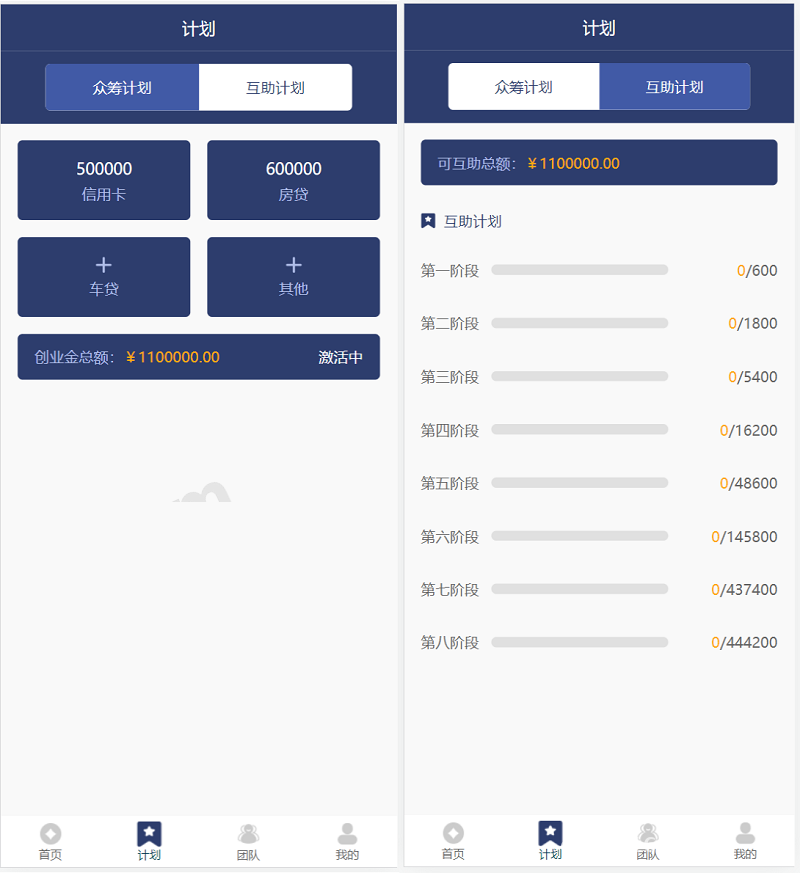
The task module is the core of this system. After an admin publishes a task, members claim and complete it, and the system distributes rewards to each upper-level account according to preset profit-sharing ratios. I focused on testing “instant credit” and “reviewed credit” modes. Instant credit suits small virtual tasks, while review mode fits physical tasks that need manual verification. Reward calculation runs through a queue; I used Redis as a buffer to prevent settlement congestion during peak periods.
1.3 Admin Dashboard
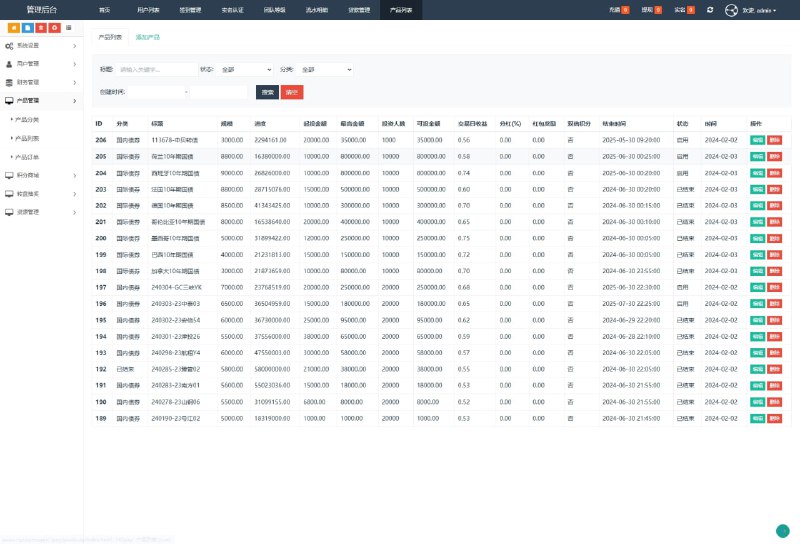
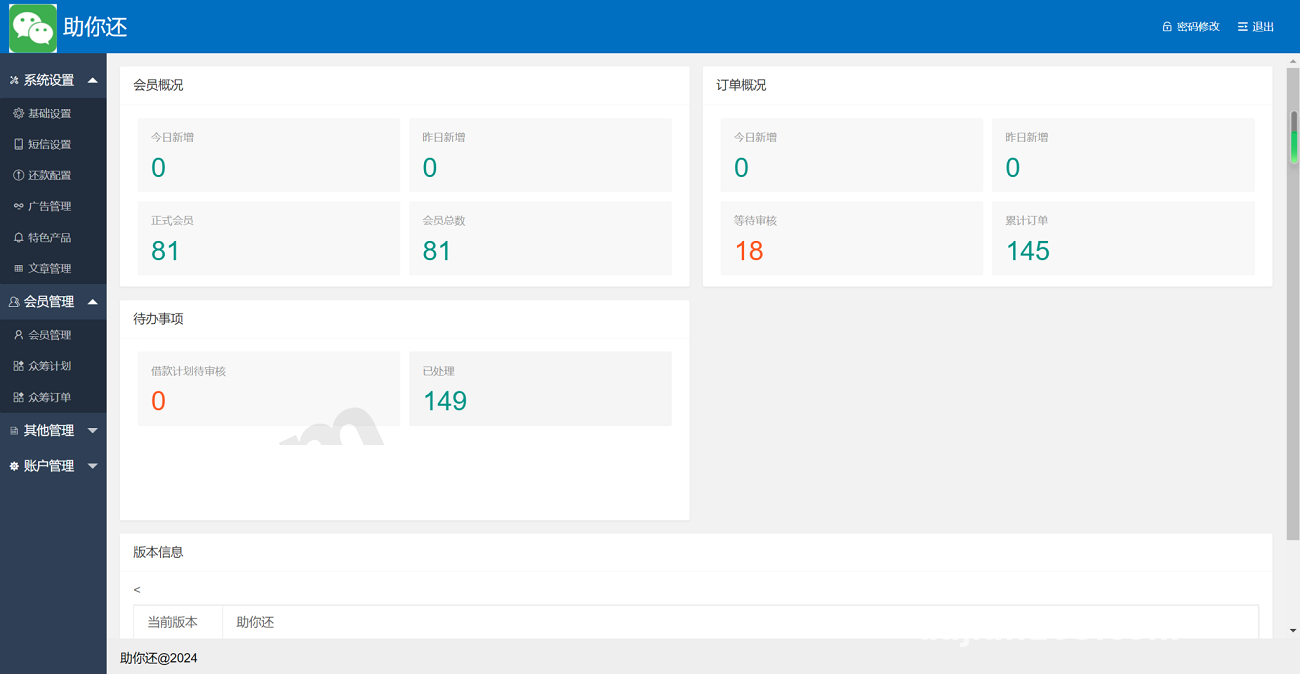
The dashboard shows core metrics like registrations, completed tasks, and pending settlement amounts. Permission management uses RBAC, with three default roles: super admin, operations, and finance. The finance account can only view fund flows and cannot change configurations, which was useful for the client.
2. Deployment Essentials
2.1 Environment Preparation
The system has PHP version requirements. In practice it runs on PHP 7.2 to 7.4; PHP 8.0 or above throws several deprecation warnings. The database is MySQL 5.7 with utf8mb4_general_ci. I used Baota Panel plus Nginx; the rewrite rules can use ThinkPHP defaults, and pathinfo support must be enabled.
2.2 Database and Cache Configuration
After importing the SQL file, update the database name, username, and password in application/database.php. For caching I connected Redis: in config.php change the cache type from File to Redis and fill in the port and password. Without Redis, task settlement will lag under high concurrency; a test environment can get by with File cache.
Tip: The back end has a “freeze period” switch. I recommend turning it on during testing. When enabled, member rewards are not credited immediately; they enter a freeze pool and are released automatically after 72 hours if no abnormal appeal occurs. This is a basic risk-control layer for a demo platform.
2.3 Payment Interface Integration
The source code has ready slots for WeChat Pay and Alipay in “System Settings – Payment Channel”, where you fill in merchant ID, key, and callback URL. I connected a personal test channel. The callback URL must be a public domain accessible from the internet; localhost cannot receive async notifications. For demo environments, I suggest enabling “simulated payment” mode first; the back end can toggle it with one click. No real funds move, so it is suitable for internal testing.
2.4 Secondary Development Notes
The front end uses layui; edit the HTML files under the view directory to change pages. To add multiple languages, create new language packs under application/lang and call them on the front end with {:lang(‘key’)}. This time I added a Traditional Chinese pack for the client, adjusting about twenty front-end labels. Back-end error messages need to be added too, otherwise the interface will mix languages after switching.
3. Who This Is For
This system source code is better suited for a few scenarios: first, research and demonstration of social e-commerce referral mechanisms; second, a teaching case for member management systems; third, teams with compliant business scenarios who want to do secondary development, such as points malls, task reward platforms, or team incentive systems. It must be stressed that any production launch must comply with laws and regulations; illegal or non-compliant uses are prohibited, and reward mechanisms plus tier settings must not cross legal red lines.
4. Frequently Asked Questions
Q: Can this source code run on a Windows server?
A: Yes, but Linux is recommended. I tested on Windows Server 2019; the main headaches were rewrite rules and file permissions. Nginx is less trouble than IIS.
Q: Can the back end limit the number of tasks a member can claim per day?
A: Yes. Under “Task Management – Claim Limits” you can set daily and total claim caps, and configure them separately by member level.
Q: What if the payment callback keeps failing?
A: First confirm the callback URL is reachable from the public internet, and check whether the payment platform has whitelisted the callback. Then look in runtime/log for payment logs; if sign verification fails, it is usually a wrong key or encoding issue.
Q: Are the funds in demo mode real?
A: No. After simulated payment is enabled, all fund movement is virtual and only for functional demonstration and UI testing. Before going live you must replace it with a real payment channel and re-audit the code.
Disclaimer: This article is for technical education and demonstration only. It is not professional or financial advice. Any real-world deployment must comply with applicable laws and regulations.
#source code deployment #member referral system #social e-commerce #profit-sharing system #PHP setup
-
 Alipay QR Code Scan
-
 WeChat Scan Pay