Cocos2d Indian Board Game Demo System Setup Guide: PHP and Node Dual Backend Deployment
Cocos2d Indian Board Game Demo System Setup Guide: PHP and Node Dual Backend Deployment
Disclaimer: This article is for technical education and demonstration only. It is not professional or financial advice. Any real-world deployment must comply with applicable laws and regulations.
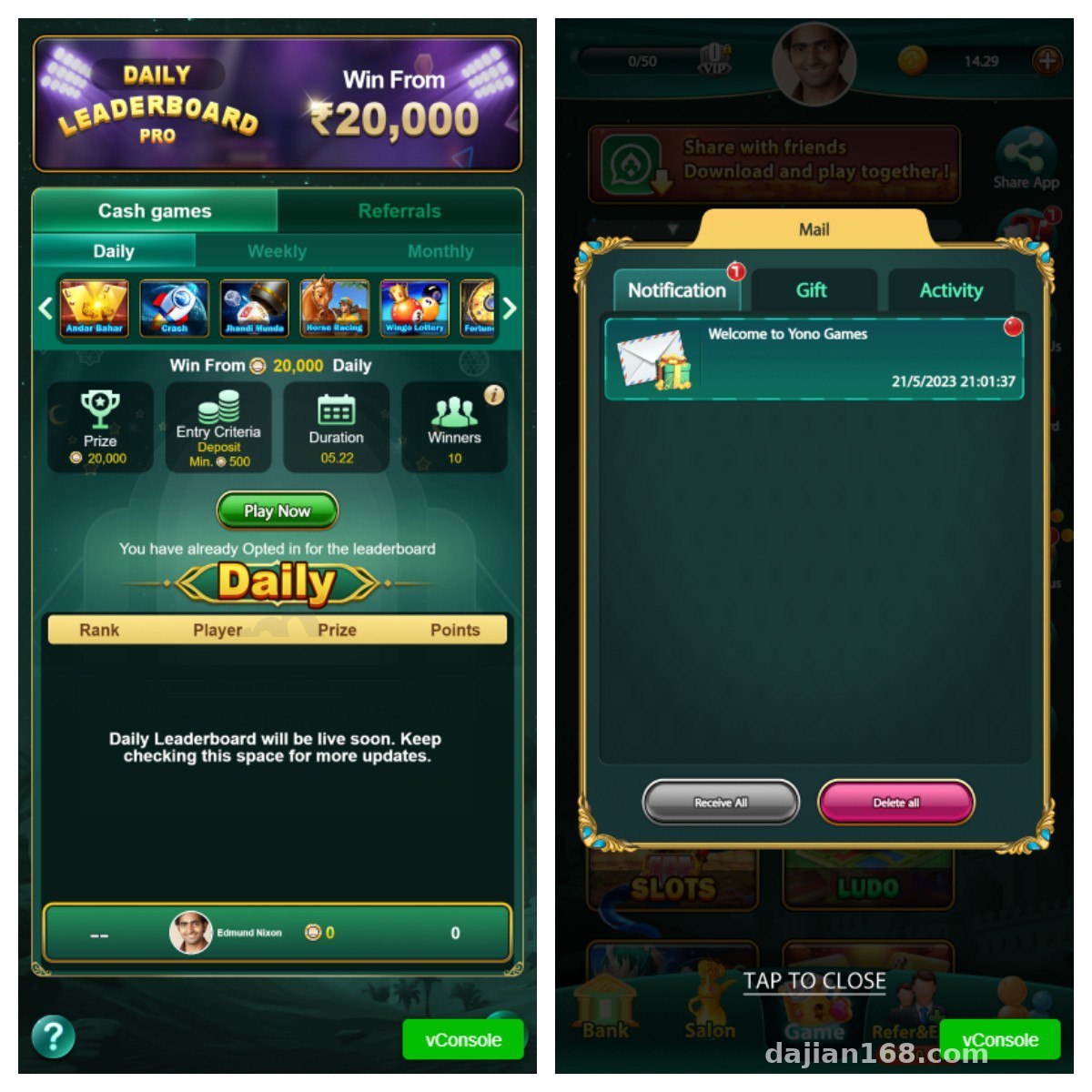
Recently helped a client deploy an Indian-style board game demo system for their overseas entertainment demonstration project. The tech stack combines Cocos2d 2.3.3 frontend with PHP backend and Node service layer. The entire process had its share of challenges, but eventually everything ran smoothly. Here’s my consolidated experience. The biggest strength of this codebase is its comprehensive game collection—Rummy, Teenpatti, card simulation, Ludo, Dragon Tiger, Andar Bahar, and other popular Indian games are all included, plus a dozen vertical random number demo modules. The technical demonstration is quite complete.

System Architecture Analysis from Real Testing
After receiving the source code, I first mapped out the structure. The frontend uses Cocos Creator 2.3.3, a stable version though you need to watch Xcode compatibility when building for iOS. The PHP backend handles user systems, payment interfaces, and data analytics, while the Node layer processes WebSocket real-time communication and game logic validation. The database is MySQL 5.7 with reasonably well-designed table structure—user tables, game record tables, and financial transaction tables all have proper indexing optimization.
Frontend Configuration Key Points
After importing the Cocos project, check the build settings first. For Android builds, remember to change the bundle ID and signing file. iOS requires developer certificate configuration. This codebase implements subpackage loading for resources, keeping the initial package around 15MB with remaining game modules loaded on demand—friendly for regions with poor network conditions. UI adaptation is optimized for portrait mode, with safe area handling compatible with notched and waterdrop screens.
Backend Deployment Troubleshooting Notes
PHP environment requires version 7.2 or above, with Redis and PDO_MySQL extensions mandatory. In config.php, you need to correctly modify database connection parameters, payment callback URLs, and CDN domains. I initially missed the Redis configuration, which caused persistent login errors. The Node service launches with PM2 daemon, defaulting to port 8080 but requiring firewall clearance. WebSocket connection address is in the frontend constants.js file—change it to your server IP and port.
For payment interfaces, the source code has reserved third-party gateway integration points. I tested with Razorpay, commonly used in India, which requires filling in Merchant ID and Secret Key in the backend payment_config table. Callback signature verification logic is in the notify method of PaymentController.php, with logs at /logs/payment/. Check here first if issues arise.
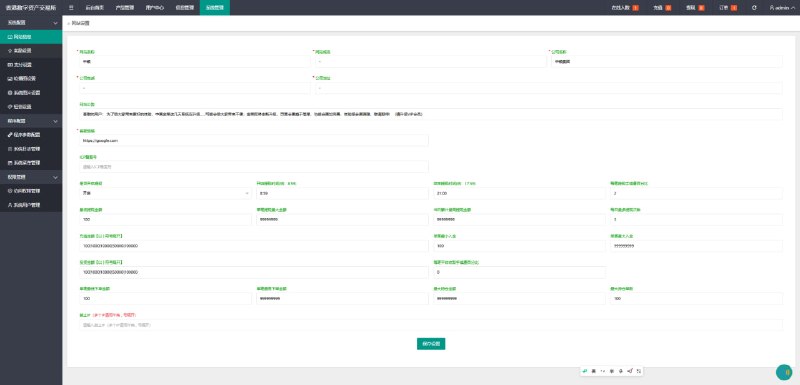
Highlight: This system comes with complete landing page and download page source code, responsive layout written in HTML and CSS. Just change the logo and copy and you’re good to go, saving frontend development time. The backend admin panel is also feature-complete with user management, financial reports, game parameter configuration, and announcement push—basically no secondary development needed.
Core Game Module Testing
After deployment, I tested each game module individually. Rummy is the flagship game, supporting 2-6 player tables with three modes: Points Rummy, Pool Rummy, and Deals Rummy. Card pattern judgment logic is in game_rummy.js. I cross-checked several game records and the validation algorithm checks out. Teenpatti and card simulation use the same deck generation logic, with random numbers generated using Node’s crypto module—security is adequate.

Ludo has optimized animations with smooth path interpolation for piece movement. Dragon Tiger, Andar Bahar, and 7UP Down fast-paced games all have server-controlled countdowns, with frontend only displaying—prevents client-side time tampering. Random number demo modules include XERXES, ALIBABA, SPHINX, HANGING GARDEN and over a dozen others, all in vertical design suitable for mobile operation. RTP parameters can be adjusted in the backend config_slots table.
Multi Language and Multi Currency Support
Language packs are in the assets/resources/i18n directory, defaulting to three sets: English, Hindi, and Tamil. JSON format makes expansion easy. Currency display supports INR rupees, USD dollars, PHP pesos, etc. Exchange rates are configured in the backend currency_rate table, with frontend automatically switching based on user region.
Suitable Use Cases
From a technical perspective, this codebase suits teams with some operations experience for technical demonstrations or prototype validation. The code is fully open source with high flexibility for secondary development. Whether you want to modify interface style or add new games, you can dive right in. Server configuration should start at 4-core 8GB, 5Mbps bandwidth is sufficient. When user volume increases, Redis and MySQL need master-slave separation.

The Indian market has strong demand for this type of board game entertainment demos. Rummy and Teenpatti are national games there with a large user base. However, be mindful of local regulations—strictly for technical demonstration and legal entertainment purposes, stay away from legal boundaries. The payment system, user system, and anti-cheat mechanisms in the source code are ready-made, saving considerable development costs.
Common Questions
Q: Cocos 2.3.3 version is old, can it be upgraded to 3.x?
A: Theoretically yes but the workload is substantial. Moving from 2.x to 3.x involves architectural reconstruction with many script API changes. Recommend running 2.3.3 stable first before considering upgrade. From my testing, 2.3.3 performance is adequate—even mid to low-end Android devices run smoothly.
Q: Node service crashes frequently, how to troubleshoot?
A: Check PM2 logs first with pm2 logs. Nine times out of ten it’s memory leaks or uncaught exceptions. Check socket connection release logic in game_server.js, and whether timers are properly cleared. I once encountered Redis connection pool exhaustion causing process deadlock, later resolved by increasing the maxclients parameter.
Q: Backend statistics data doesn’t match up, what to do?
A: Reconciliation logic is in the reconcile method of FinanceController.php, with scheduled tasks running at midnight daily. If data discrepancies exist, first check transaction integrity of game_record and wallet_log tables. I previously encountered MySQL lock wait timeout causing record loss, stabilized after adding retry mechanism.
Q: Can I use only a few game modules?
A: Yes, comment out unwanted module loading in main.js on the frontend, and change status to disabled in the game_list table on the backend. However, keeping mainstream games is recommended—more modules improve user retention.
Summary and Recommendations
The entire deployment took about two days, including environment setup, code debugging, and functionality testing. This Cocos2d Indian board game system has above-average code quality. Comments aren’t abundant but logic is clear—those with PHP and Node foundation can understand it. If you’re targeting the Indian market for entertainment demos or studying Cocos with Node real-time game development, this is worth examining. Game variety and completion level are both solid. Remember to properly secure your server, don’t open all ports, backup databases regularly, and keep log monitoring active.
Disclaimer: This article is for technical education and communication purposes only. Please comply with local laws and regulations. Any illegal or unauthorized use is prohibited.
Disclaimer: This article is for technical education and demonstration only. It is not professional or financial advice. Any real-world deployment must comply with applicable laws and regulations.
#Cocos2d #Game Development #PHP Backend #Node.js #Source Code Deployment
-
 Alipay QR Code Scan
-
 WeChat Scan Pay