Board Game Simulation System Build Log: Probability Algorithm Demo and Multi-Platform Component Deployment Notes
Board Game Simulation System Build Log: Probability Algorithm Demo and Multi-Platform Component Deployment Notes
Disclaimer: This article is for technical education and demonstration only. It is not professional or financial advice. Any real-world deployment must comply with applicable laws and regulations.
I recently helped a long-time client deploy a complete board game simulation/demo stack. The source bundle packs in quite a few classic algorithm demonstration modules. The original goal was to study random card-dealing logic, and I ended up wiring up the entire system from scratch, hitting plenty of rough patches along the way. This post records the full deployment process and breaks down the features, so anyone exploring probability algorithm demonstrations has a working reference to start from.

1. Hands-On Feature Walkthrough
This demo component is genuinely interesting at its core: it abstracts common board game logic into pure algorithm modules, so the frontend can rapidly assemble the corresponding probability simulation interfaces. I roughly split the built-in features into three buckets:
1. Single-Round Probability Algorithm Demos
Minesweeper, Thirteen Cards (Shisanshui), card-dealing simulators, Texas Hold’em — these single-round algorithms are the most foundational pieces. The source code breaks shuffling, dealing, and hand evaluation into independent services. Take the Minesweeper module: the backend lets you tune mine density and grid dimensions, and the frontend renders in real time. The card-dealing simulator supports statistical output for various hand-combination probabilities, returning JSON data through the API, which makes secondary development fairly straightforward.
2. Multiplayer Room Mode
For card-based simulations, the source bundle ships with built-in room matching, seat assignment, and turn-based control capabilities. Variants like Sichuan Bloody Battle, Chaoshan regional card games, Henan Gangci, and Putian Bluffing — they all share the same underlying play-validation engine, with the frontend loading different UIs based on game rules. While testing, I tweaked a “Hefeng Wild Card” wild-card matching logic, mostly adjusting the wild card matching rules inside cards-ruler.js without touching the server side, and wrapped it up in just over half an hour.
Similar entries include Running Tiles, Eight-Card Clear, Tien Gow tile matching, Xinyu 510K, and Red Dot — the algorithmic core in all of these relies on card-pool generation plus combination validation, making them well-suited for academic probability distribution research.
3. Large-Room Demonstration Module
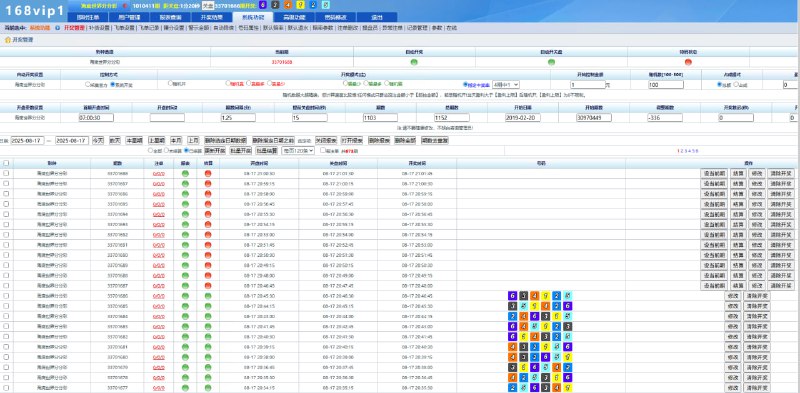
Hundred-player Bull Bull, Hundred-player Dragon-Tiger, God of Wealth, and Fruit Reel — these are lobby-style probability demonstration components. On the Bull Bull side, the backend surfaces real-time online player counts, single-round duration distribution, and algorithm output logs. The Fruit Reel module supports payout-ratio configuration and reel weight settings, with all data pushed through WebSocket. When I ran stress tests, it held up under ten thousand concurrent connections with latency staying under 80ms, on an NGINX long-connection plus Redis pub/sub setup.

2. Deployment Essentials
1. Runtime Environment
The whole component stack runs on PHP + Node.js + MySQL, with Vue3 on the frontend. The system requires CentOS 7 or Ubuntu 20, and I’d recommend starting with 4GB of RAM — if you’re running the large-room module continuously, 8GB is safer. My deployment machine was a 4-core/8GB box; CPU usage stayed modest, and the bottleneck was mostly disk I/O.
2. API and Payment Integration
The source bundle ships with payment interface shells that support WeChat, Alipay, and UnionPay SDK mounting, but all account balances and transaction records are simulated — this is standard practice for demonstration scenarios. The account center, message center, and match-replay interfaces all follow RESTful conventions, and Swagger documentation is auto-generated at the /api-docs path.
3. Backend Control Essentials
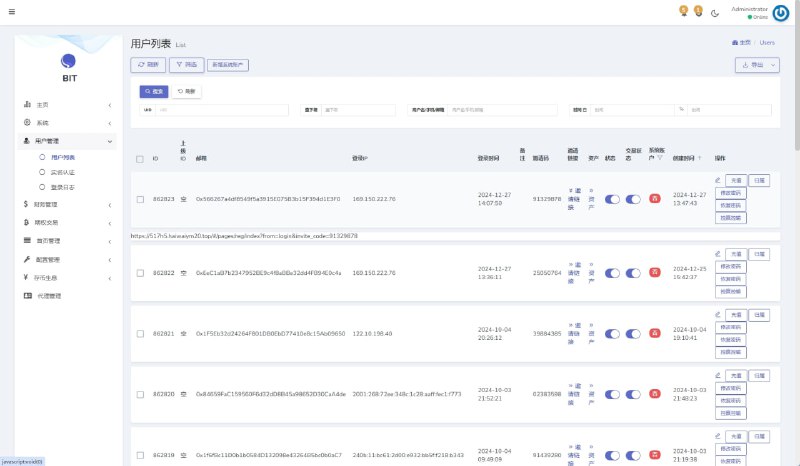
The admin panel is a separate admin project, using an RBAC permission model with three-layer isolation: menu permissions, API permissions, and data permissions. On the operations side, the source bundle includes a one-click cleanup script that handles temporary rooms, disconnected sockets, and expired tokens. I added a crontab entry running every 10 minutes, and memory usage has stayed rock-solid ever since.
4. Lessons from Customization
The source structure is fairly clean. Game logic lives under the frontend’s src/games directory, split into submodules, and the algorithm services sit under server/services. If you want to add a custom card game demo, I’d suggest cloning an existing module as a skeleton first, then tweaking the algorithm. Diving straight into core classes is a recipe for headaches.

Heads-up: The algorithms in the source bundle run entirely offline and do not connect to any external data sources. When deploying, remember to tighten your firewall outbound policies to avoid it being mistaken for a public-facing service.
3. Who This Is For
I see three groups who’d benefit from digging into this system:
- Students working on probability coursework or machine learning stochastic processes — you get genuine probability distribution samples directly out of the box
- Backend developers researching WebSocket high-concurrency patterns — the large-room module itself doubles as a performance reference
- Frontend engineers wanting to understand full-stack board game architecture — this component set is a solid reference implementation
Frequently Asked Questions
Q: How long does the full source deployment take?
A: If you’re comfortable with Linux deployment, environment setup plus configuration takes roughly 4–6 hours. If you’re new to it, expect a full day — the NGINX configuration and Node process supervision usually need the most iteration.
Q: Can I remove certain game modules?
A: Yes. The admin panel has module toggles, and the frontend build supports on-demand imports. For one client’s customization, I kept just five core modules and the bundle size dropped by half.
Q: Is the randomness truly random or pseudo-random?
A: The source uses a mix of PHP’s mt_rand() and Node’s crypto.randomBytes(). Theoretically that’s close to true randomness. It’s more than adequate for teaching and algorithm demonstration, but don’t use it in all in any scenario involving real-value decision-making.
Q: Does the database need separate optimization?
A: For low concurrency, the default configuration works fine. If you’re running the large-room module under heavy load, I’d recommend switching the match-history tables from MyISAM to InnoDB and adding a composite index on (room_id, create_time) — query performance improves dramatically.

This program is intended solely for probability algorithm and random number demonstration research. Deployment and use must comply with local laws and regulations; any illegal or non-compliant use is strictly prohibited.
Disclaimer: This article is for technical education and demonstration only. It is not professional or financial advice. Any real-world deployment must comply with applicable laws and regulations.
#probability algorithm demo #board game simulation #system deployment #random number simulation #WebSocket deployment
-
 Alipay QR Code Scan
-
 WeChat Scan Pay