Wanghu Zunlong Arcade Source Code Setup: Desktop Game Simulation Platform Deployment Notes and Admin Panel Testing
Wanghu Zunlong Arcade Source Code Setup: Desktop Game Simulation Platform Deployment Notes and Admin Panel Testing
Disclaimer: This article is for technical education and demonstration only. It is not professional or financial advice. Any real-world deployment must comply with applicable laws and regulations.
I recently helped a client deploy a Wanghu-series Zunlong arcade source code package, positioned as a desktop game simulation demo platform. Honestly, I’ve installed at least ten of these legacy frameworks, and Wanghu’s architecture is one of the more mature ones in terms of documentation and structure — but it has plenty of pitfalls too. This post records all the traps I hit in one go, to save some time for anyone planning to get hands-on.
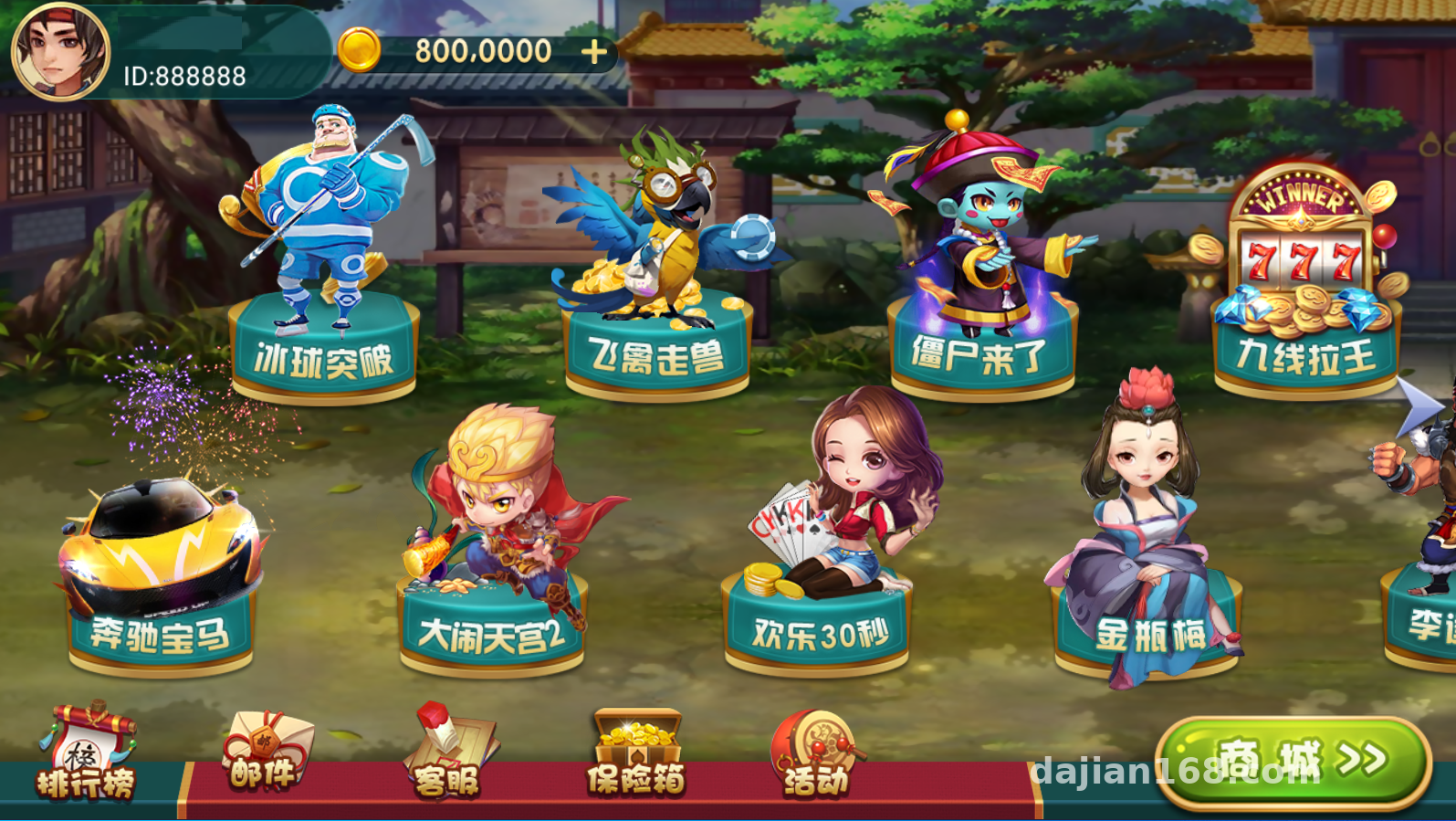
Feature Testing: What This Source Code Can Actually Run
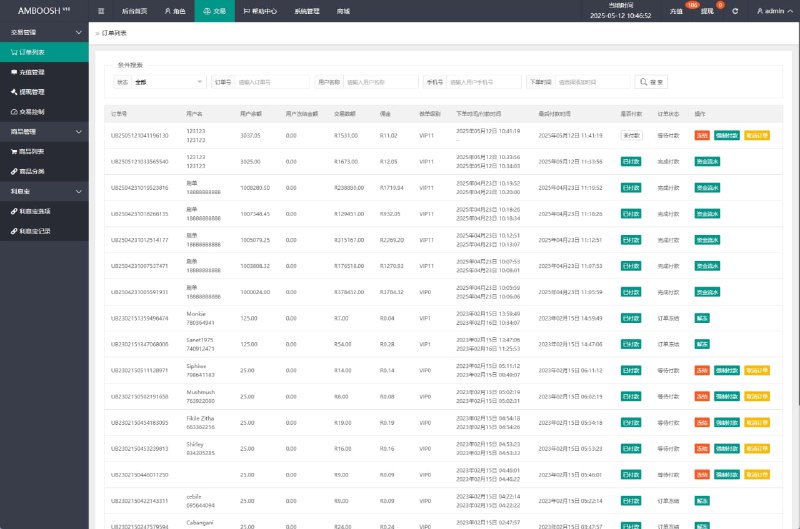
The first thing after installation was going through the entire admin panel. The system is split into three parts: the server side, the admin backend, and the client. The server core is the game logic module, while the backend handles configuration and operational data.
Core Admin Panel Features
The backend is a typical ASP.NET panel with fairly complete functionality:
– Member management: search, freeze, points adjustment, all with operation logs kept on record
– Game module toggles: each desktop game module can be started or stopped individually, which is very handy in a test environment
– Data reports: online user counts and module activity statistics; the charts are old-school Flash style, so I’d suggest swapping in ECharts during secondary development
– Permission tiers: admin roles can be granular down to the menu level — finer than many similar source packages
Client and Server Performance
The client is written in C++, with all UI resources in the configuration directory, so reskinning isn’t hard. Each game module on the server runs as an independent process, coordinated through a central configuration service — if one module goes down, the rest keep running. I quite like this design. In my simulation testing, 500 concurrent online users ran without pressure; a 4-core, 8GB machine is plenty.

Deployment Essentials: Environment and Configuration Pitfall Log
Environment Preparation
My environment was Windows Server 2016 + SQL Server 2014 + .NET Framework 4.5. One warning here: don’t casually upgrade the database version. Running the legacy stored procedures on SQL 2017 or above throws compatibility errors — I wasted two hours on exactly that. The restore order is the platform database first, then the game databases, and remember to change the collation in the scripts to Chinese_PRC_CI_AS, otherwise all Chinese data turns into garbled text.
Configuration File Checklist
– Server configuration center: change the database connection string and listening port
– Backend web.config: database address, encryption key
– Client: the server IP list lives in an ini file — remember to update it in sync
On ports: game modules default to the 8xxx range, and the firewall needs to allow each one through. One gotcha is the configuration center’s certificate validation — for intranet testing, just turn it off, or the client won’t connect.
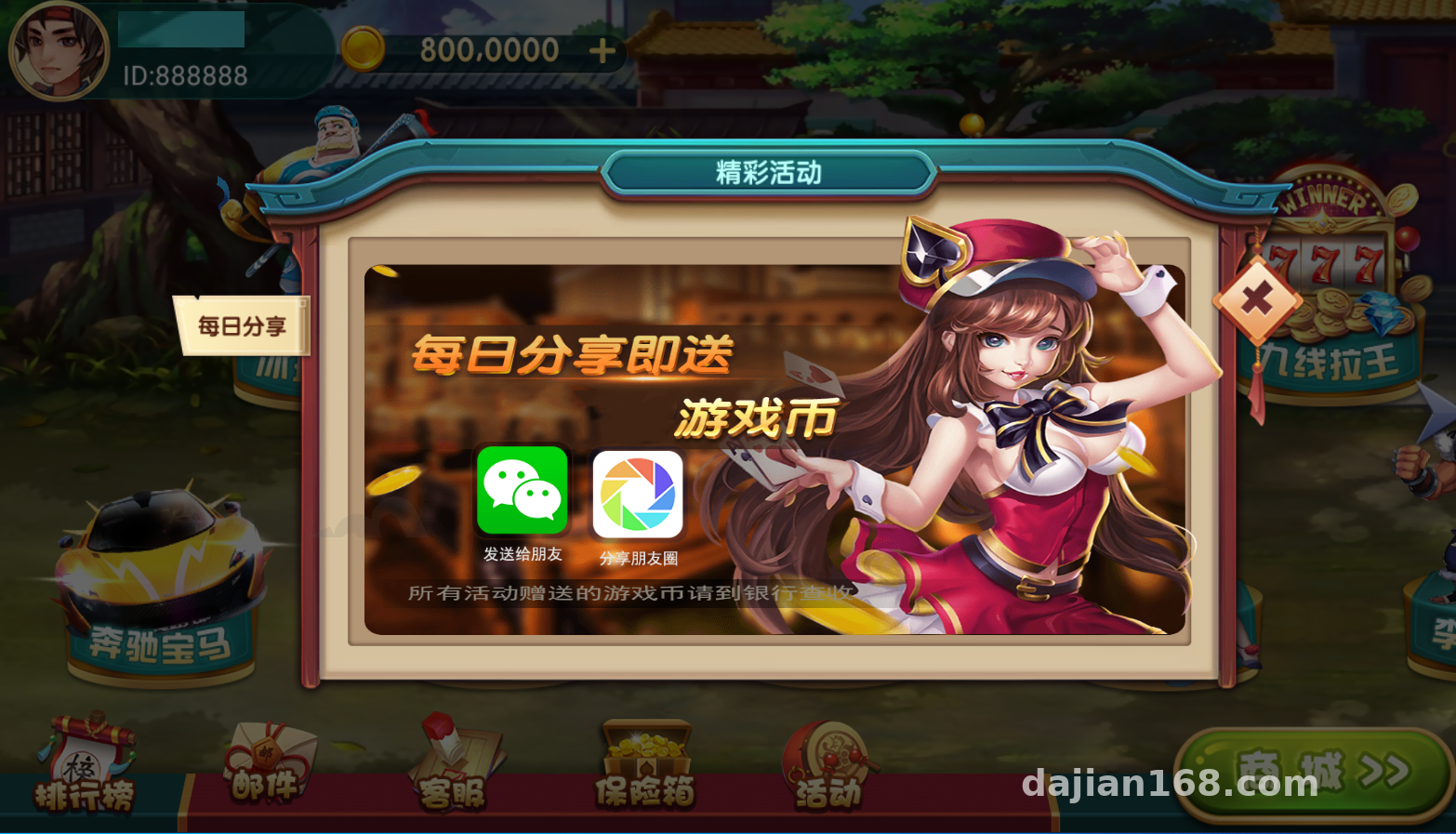
Highlight tip: the game modules in this source code use a plugin-style structure. Adding a new simulation game only requires writing a logic DLL per the interface spec and registering it with the configuration center — the secondary development cost is lower than you’d expect, making it well suited for technical research.
Secondary Development and Multi-language Support
On language packs: all interface text is extracted into resource files. Making an English version just means replacing the resource directory and recompiling the client. The server’s message protocol uses struct serialization; with a packet capture tool and the protocol documentation, you can quickly figure out what each field means. When modifying the protocol, make sure the client and server version numbers increment in sync, or the handshake will fail.
As for the payment interface, the source code reserves a generic callback interface. For a demo platform, I’d recommend hooking it to a sandbox environment rather than a real channel. The points system is simulation-oriented by design, which is entirely sufficient for demonstration purposes.
Who It’s For and Usage Suggestions
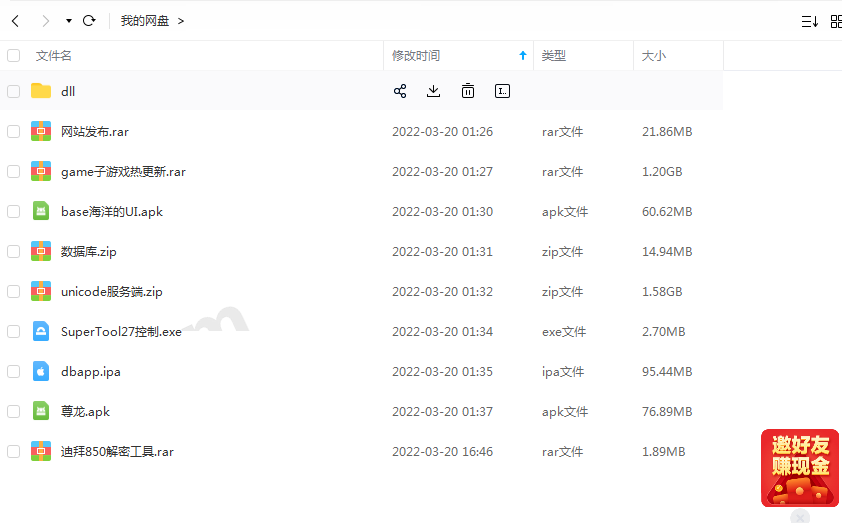
This source code suits three kinds of people: developers who want to study desktop game simulation — the architecture is worth dissecting; teams that need to build demo projects for clients — the admin panel is complete and demos well; and beginners who want to learn the classic C++ client + ASP.NET server combination. Complete novices shouldn’t jump straight in — you should at least know basic Windows server administration and SQL operations.
Frequently Asked Questions
Q: What if the database restore reports a collation conflict?
A: Before restoring, run ALTER DATABASE on the master database to set the target collation, or explicitly specify Chinese_PRC_CI_AS in the restore scripts and handle each database one by one.
Q: The client can’t connect to the server — what’s the troubleshooting order?
A: First telnet the port to check connectivity, then check whether the modules registered successfully in the configuration center, and finally verify that the IP and encryption key in the client’s ini file match the backend. Ninety percent of problems come from these three steps.
Q: I want to swap in my own UI skin — is that a lot of work?
A: UI resources are concentrated in the client’s resource directory, with images and layout configuration separated. Replace the images and adjust coordinates; if you’re experienced, a new skin takes a day or two. Just pay attention to resolution adaptation.
Q: Can it be deployed on Linux?
A: The server is a native Windows program, so direct migration isn’t realistic — you’d have to fiddle with Wine. For production, stick with Windows Server.
Disclaimer: This article is for technical education only, sharing deployment experience. Anyone using the related source code should comply with applicable laws and regulations, and it must not be used for any unlawful purposes.
Disclaimer: This article is for technical education and demonstration only. It is not professional or financial advice. Any real-world deployment must comply with applicable laws and regulations.
#source code setup #Wanghu series #deployment notes #admin panel #secondary development
-
 Alipay QR Code Scan
-
 WeChat Scan Pay