Cocos2d Card and Board Probability Module Framework Setup: H5 Dual-Platform Deployment Notes
Cocos2d Card and Board Probability Module Framework Setup: H5 Dual-Platform Deployment Notes
Disclaimer: This article is for technical education and demonstration only. It is not professional or financial advice. Any real-world deployment must comply with applicable laws and regulations.
I recently helped a long-time client put together an overseas-style casual game demo framework built on cocos2d-x. The original brief was a multi-game collection version that included card logic, board logic, and random outcome display modules. My first thought was, “This is just a matter of stuffing different mini-games into a single lobby.” Turns out the deployment phase had more pitfalls than I expected — resource sub-packaging alone took me two days. Below I’ll walk through the deployment approach and a few of the traps I fell into, as a reference for anyone who wants to build something similar later.
The whole project is fully open source. Once you have the source code, the first thing to do is not compile it in a hurry — go through the directory structure first. The main project uses the Lua binding version of cocos2d-x, with all game logic running through scripts and art assets packaged separately, which makes skin-swapping much easier down the road. The whole thing supports portrait UI, native builds run on both Android and iOS, and the H5 side uses Cocos’s built-in web packaging tool — the output can be dropped directly under Nginx and it just runs.
1. Breakdown of Core Functional Modules
Card and Board Logic Module
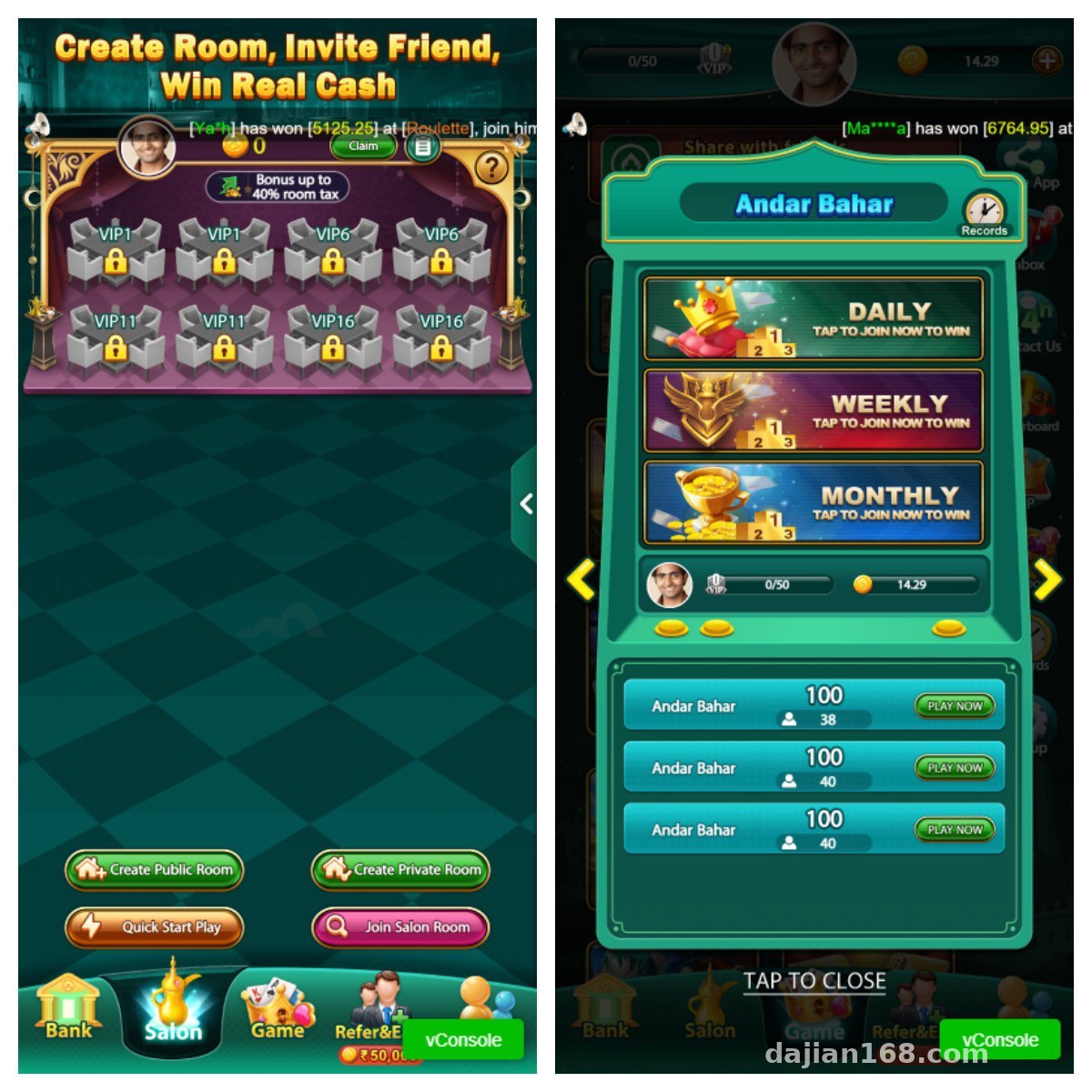
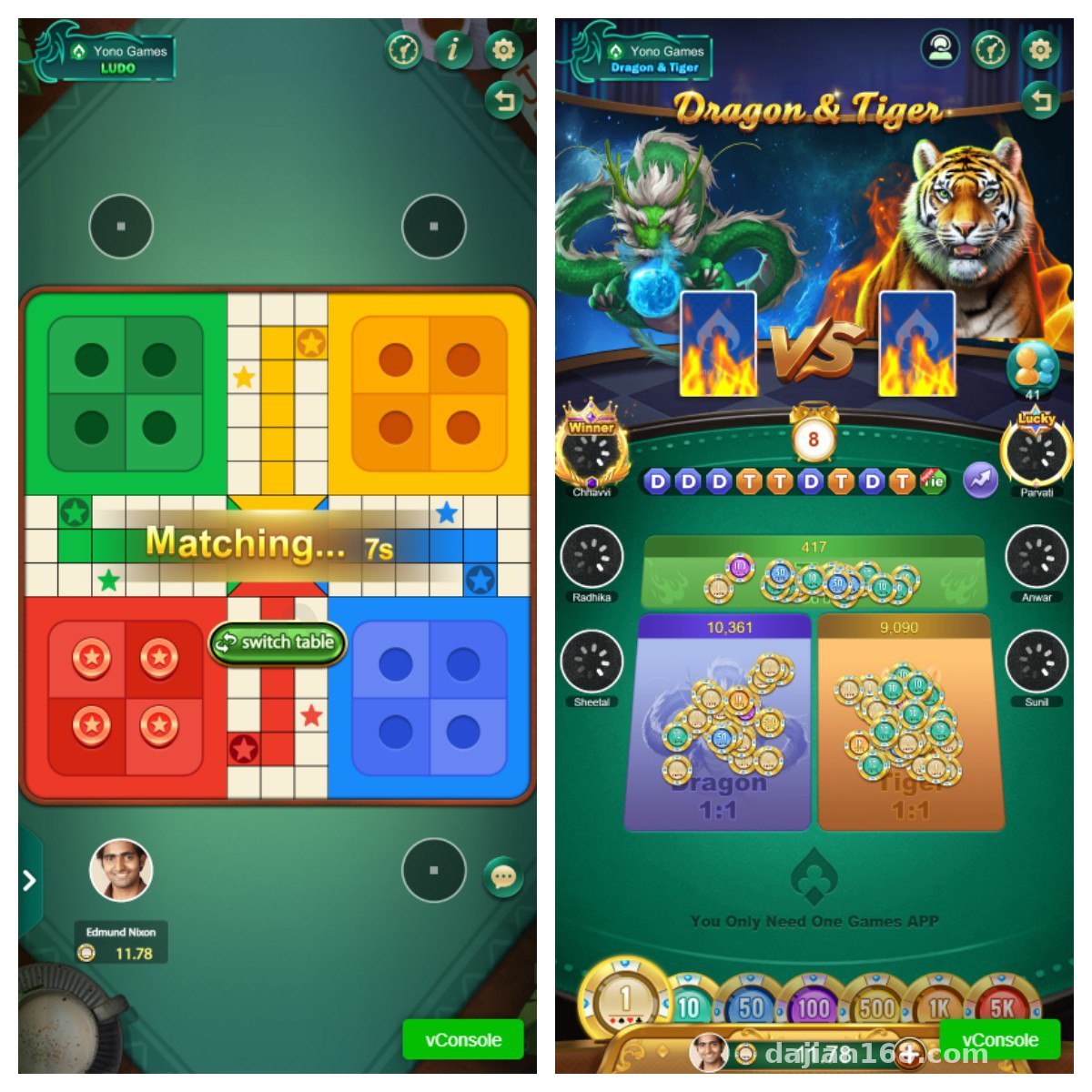
I counted roughly a dozen variations in the card module — including hand formation matching, value comparison, Domino, UNO-style rules, and numeric comparison formats like seven-up-seven-down and pick-one-from-two. Each rule lives in its own script file, and the entry point is uniformly dispatched by a game list router in the lobby. The upside of this design is that adding a new rule later only requires writing a new script and plugging it in — no need to touch the lobby at all. The board category includes an LUDO-style module with a ready-made A* pathfinding algorithm; adjusting a few parameters is enough to resize it.
Probability Display and Random Outcome Module
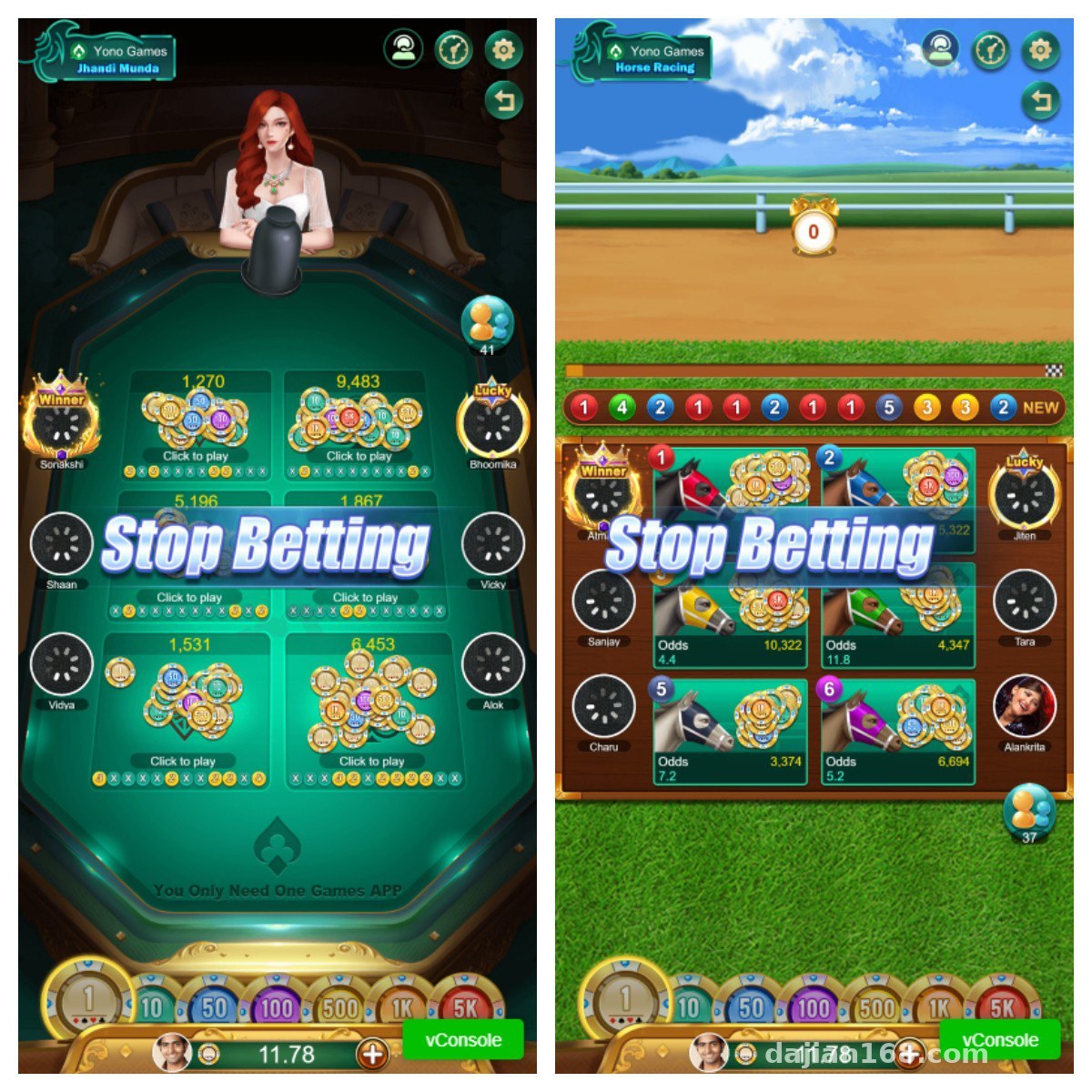
This is the most interesting part of the whole framework, and also the most likely place to run into trouble. The random outcome module uses a weighted random algorithm at its core — each prize pool corresponds to a weight table that can be adjusted in real time from the backend. The wheel, lucky spin, and numeric demo modules all share the same underlying service. The Crash curve demo module uses a server-seed plus client-verification dual-random scheme to keep the curve results reproducible. These modules are well-suited for demo scenarios — pure probability display, with no real money involved at any stage.
Operations Backend and Multi-language
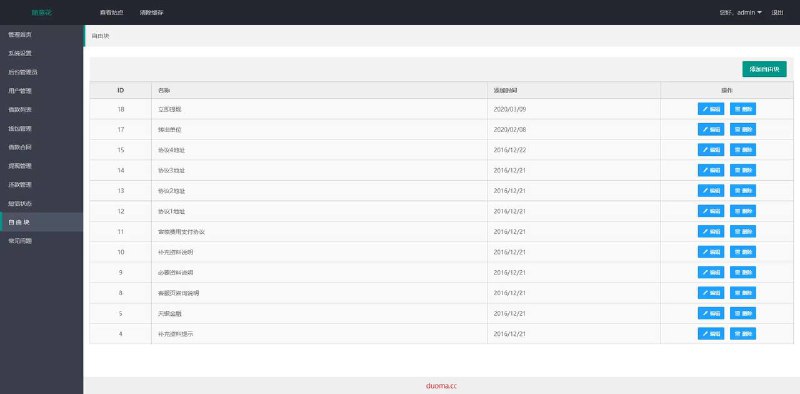
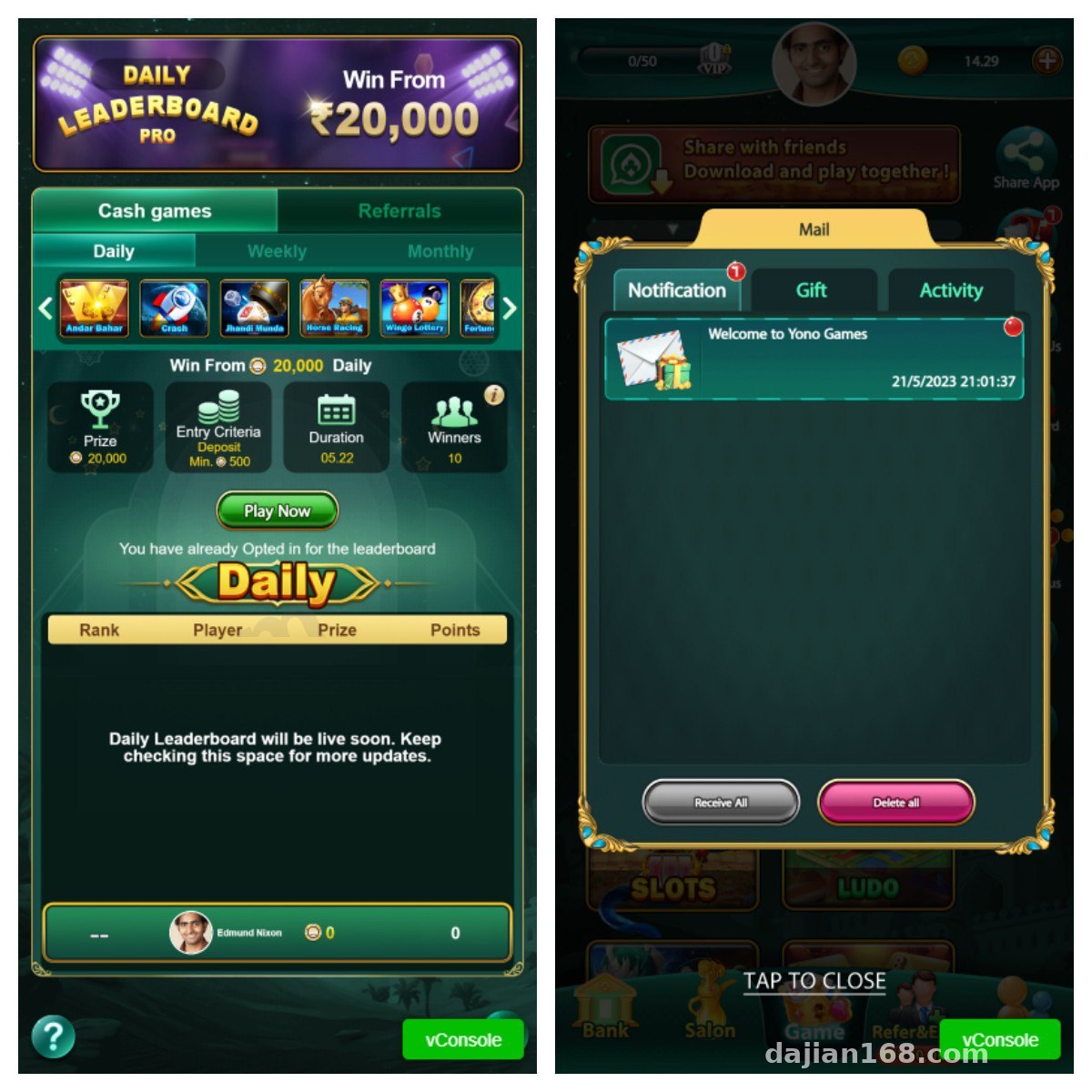
The backend uses the standard PHP + MySQL combo, with permissions drilled down to the button level. A nice touch is that every module has its own toggle, hot-update configuration, and probability threshold setting. Language packs are in JSON format — English and Hindi are bundled in by default. To add a new language, just duplicate the file and translate it; placeholder slots for custom art fonts are also reserved.
2. A Few Pitfalls During Deployment
How to Slim Down an Oversized Package
The full asset pack on first build produced an APK close to 200MB — most of it eaten up by card and board textures. I ended up doing three things: running all textures through ETC1 + PVRTC compression, extracting common assets into separate AssetBundles, and enabling lazy loading on the H5 side. The native build came down to around 60MB, and the H5 first-screen resources stayed under 5MB.
H5 Compatibility Issues
The most common problem when porting cocos2d-x to H5 is that audio doesn’t autoplay under iOS Safari — you need to unlock the AudioContext on the user’s first tap. Another snag is that some Android browsers don’t handle WebGL well, so a fallback to Canvas mode is required. I’d recommend adding a detection snippet inside index.html.
Signature Mechanism for API Integration
The built-in APIs use RSA signing combined with timestamp-based replay protection. If you want to swap in your own channel (this is a virtual item demo with no real funds involved), remember to pull all signing keys into a single config center — otherwise you’ll be hunting through dozens of scripts every time you need to make a change.
3. What Scenarios This Framework Is Suitable For
To put it plainly, this thing is a good fit for teams that want to spin up a casual game demo project quickly — for example, building overseas market UI prototypes, probability algorithm demos, or A/B testing platforms for board game rule simulations. If you plan to do secondary development on top of it, I’d suggest studying the card logic layer and the random outcome layer thoroughly — those two are the core. The codebase is cleanly structured and reasonably well-commented, so it works as a learning project for cocos2d as well.
Heads-up: Before deploying the H5 build, always test across multiple browsers — iOS Safari and Android UC in particular are the most likely to throw compatibility issues. Don’t assume everything is fine just because Chrome passed.
FAQ
Q: Can this framework be used commercially?
A: The source code is fully open source and you can modify it freely. However, some third-party art assets may have their own license terms — I’d recommend replacing them before any commercial use.
Q: Which cocos2d-x version is most stable?
A: I’m on the 3.17.2 long-term support release. The Lua bindings are complete and the H5 packaging toolchain is reasonably mature. Don’t chase the newest version — newer Cocos Creator builds have moved to TypeScript, and the migration cost is high.
Q: What’s a sensible way to tune the backend probability weights?
A: Start by running a Monte Carlo simulation of 100,000 rounds in a script to check the theoretical hit rate, then fine-tune from the backend. Don’t go by gut feeling — the curves will look terrible otherwise.
Q: How long does it take to build out a new game module on top of this?
A: A simple card variation can be done in three to five days. Anything involving complex pathfinding or animation — like LUDO — needs about two weeks, plus art support.
⚠️ This framework is intended for technical learning and algorithm demonstration only. Please comply with applicable laws and regulations. Any unlawful use is prohibited.
Disclaimer: This article is for technical education and demonstration only. It is not professional or financial advice. Any real-world deployment must comply with applicable laws and regulations.
#cocos2d #game development #H5 game #probability demo #framework setup
-
 Alipay QR Code Scan
-
 WeChat Scan Pay