Building a Multilingual UniApp Frontend for Overseas Microdisk and Futures Time Trading Systems: Practical Development Insights
Honestly, when I first came across an overseas micro trading system, I had absolutely no idea what I was doing. A client approached me with a request for a multilingual micro trading system that could connect to futures trading sessions. The budget was limited, but the list of required features was long. I remember thinking, “This is going to be difficult.” After reviewing the solutions available on the market, most were either too expensive or did not fit the requirements, so I bit the bullet and built my own. Surprisingly, it ran very reliably.
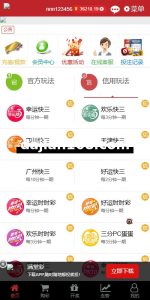
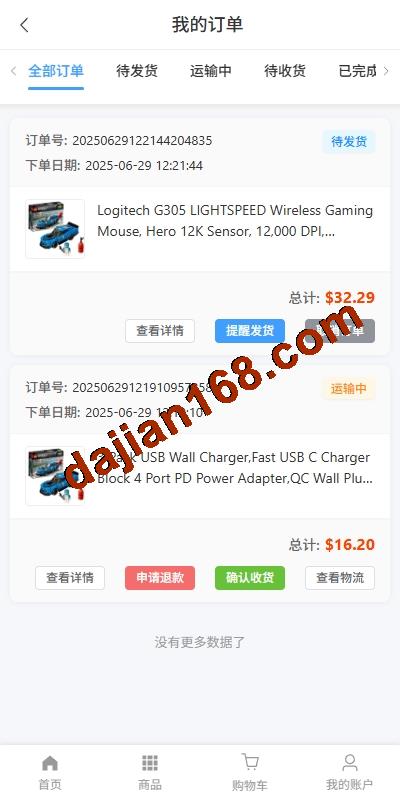
The core of this system is a decoupled frontend and backend architecture. The frontend was developed with uniapp and supports both iOS and Android, while the backend is implemented in PHP, making deployment very straightforward. What I was most pleased with was its multilingual support. Chinese, English, Thai, Vietnamese, and several other commonly used languages are included by default, and adding a less widely spoken language is straightforward through further customization.
I. System Features in Detail
This micro trading system is not an incomplete, half-baked product; it is a fully functional trading system. After I deployed it for the client, he immediately used it in several overseas markets, where it performed well. Here are its core features:
First and foremost is the futures trading-hours module. Administrators can configure multiple trading sessions, with each session corresponding to a different contract instrument. For example, Shanghai copper futures could trade from 9:00 to 11:30 a.m., while gold could trade from 1:30 to 3:00 p.m. The system automatically switches between market data feeds, keeping price movements fully synchronized. This is especially useful in overseas markets because futures exchanges in different countries operate on different schedules, and support for multiple sessions allows the platform to cover more instruments.
Second is the multilingual switching mechanism. Users can switch languages at any time within the app, and the entire interface—including contract names, trading rules, and help documentation—is translated immediately. This is not a simple text replacement; the content is localized according to the conventions and expressions of each region.
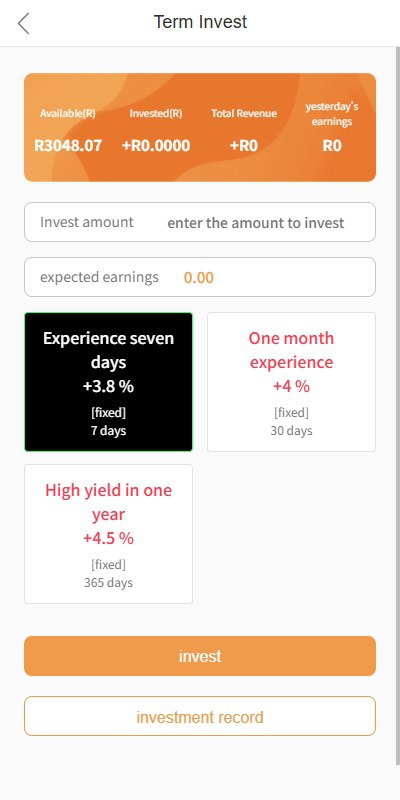
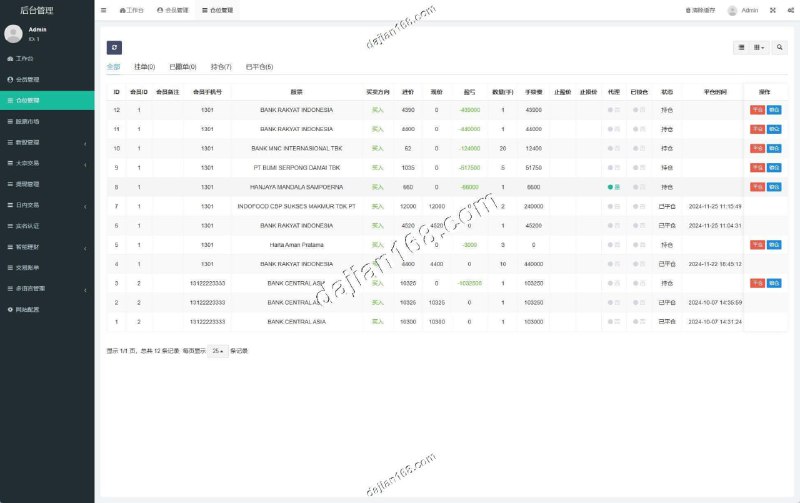
Third is the complete trading feature suite, which includes: real-time market data (integrated with third-party data feeds, with latency measured in milliseconds), order placement (market, limit, and stop-loss orders as the three basic order types), position management, fund management (a complete workflow for deposits, withdrawals, freezing funds, and unfreezing funds), identity verification (supporting various forms of identification, such as national ID cards and passports), a credit score system (each user receives a credit score, with higher tiers allowing larger trading limits), and order controls (allowing administrators to exercise granular control over specific users or contracts).
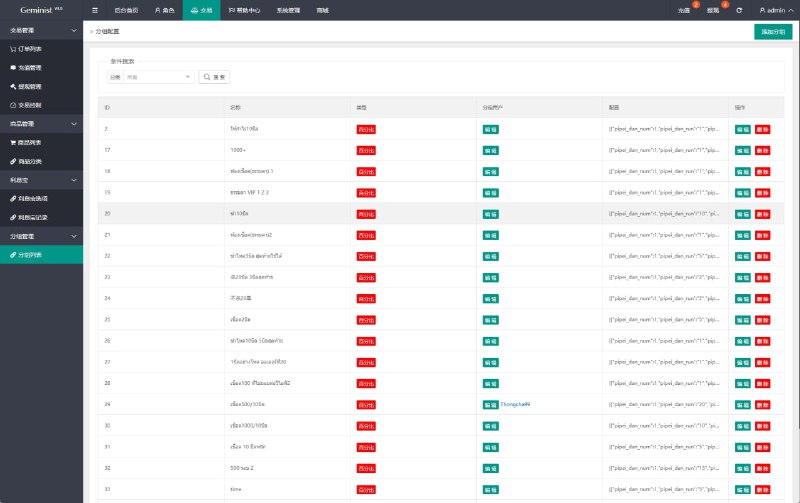
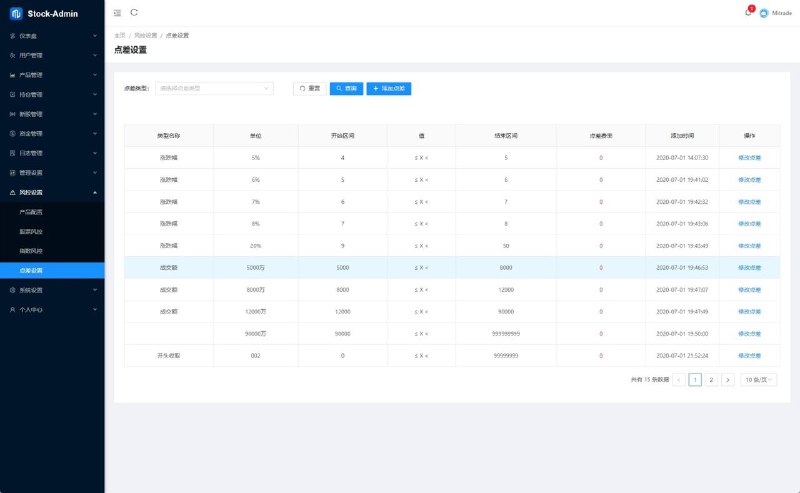
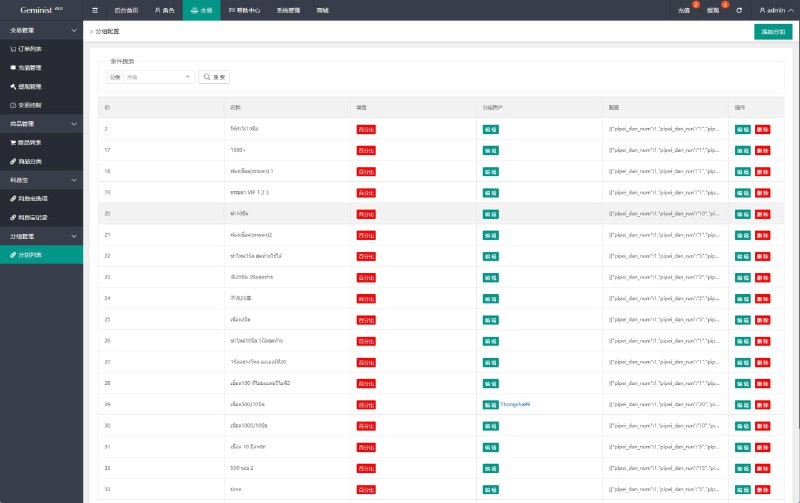
Fourth is the comprehensiveness of the admin dashboard. Administrators can monitor all users’ trading activity in real time, set contract leverage, adjust margin ratios, and configure take-profit and stop-loss parameters. The dashboard also provides comprehensive reports, making it easy for operators to analyze performance data.
II. Preparation and Important Considerations
Server configuration: I recommend using Linux with at least 2 CPU cores and 4 GB of RAM, and a bandwidth of at least 5 Mbps. If you expect more than 5,000 users, consider upgrading to 4 cores and 8 GB of RAM.
Domains and SSL certificates: This system requires two domains: one for the admin dashboard and one for the user-facing app. The SSL certificate must be configured correctly because micro trading involves financial transactions, and browsers strictly verify certificate validity.
Important considerations: The data source for futures trading sessions must be stable; a disconnection lasting more than 30 seconds noticeably degrades the user experience. Do not rely entirely on machine translation for multilingual content. Design a reasonable calculation formula for the credit score system. Make order-control permissions granular enough to distinguish individual operators.
III. Common Issues and Lessons Learned
Issue 1: Market Data Latency Causes Trade Slippage
This was particularly problematic during the initial deployment. Latency typically ranged from 200 to 800 milliseconds, which is enough to cause the execution price of an order to differ from the expected price for short-term traders.
The solution is to use a local caching mechanism that maintains a real-time market data cache on the server, allowing orders to read prices directly from the cache. We also tiered our data providers, using Tier B feeds for important contracts and Tier C feeds for standard contracts.
Issue 2: Data Gets Mixed Up After Switching Languages
When we first implemented multilingual support, we stored all translations in a single language pack, and the entire interface flickered whenever the language changed. We later changed the system to load language packs by module, reducing the average switching time from 1.5 seconds to 0.3 seconds.
Issue 3: iOS Signing Becomes Invalid After Packaging with uniapp
Packaging for iOS requires a production developer certificate; a testing certificate will not work. Once the signature becomes invalid, the app crashes after users update it.
IV. Customization Options and Expansion Suggestions
Option 1: Connect to More Futures Exchanges. The system supports data feeds from major futures exchanges out of the box. Integrating with futures exchanges in less mainstream regions requires around two weeks of work per data source.
Option 2: Add Social Copy Trading. After users follow a trader, they can automatically copy that trader’s orders.
Option 3: Add a Promotions and Marketing Module. This could include engagement features such as a beginner task system, referral rewards, and trading competitions.
Key takeaway: The core of a micro trading system lies not in how flashy its features are, but in whether the trading workflow is stable, the data is accurate, and the user experience is smooth. Before undertaking any further development, be sure to thoroughly test every trading scenario.
Overall, the technology stack behind this overseas micro trading system is highly mature. The combination of uniapp and PHP performs well when deployed on overseas servers, and the multilingual support has also been validated in real-world operations.
⚠️ Important notice: This article shares technical deployment experience and does not constitute investment advice.
#OverseasMicroTrading #FuturesTradingHours #MultilingualMicroTrading #uniappFrontend #MicroTradingSystem
-
 Alipay QR Code Scan
-
 WeChat Scan Pay