Thailand Microloan System Source Code Deployment: Complete Guide to a Customized, Production-Ready Lending Platform
Complete Deployment Guide for Thai Microloan System Source Code: Hands-On Setup of a Production-Grade Lending Platform (Customized Edition)
Honestly, when I previously helped a client deploy their Thai microloan system, I ran into far more pitfalls than I expected. First, the server environment did not match the requirements; then payment gateway integration took two full days to troubleshoot. The good news is that, once it was running, the system was genuinely stable and comfortably handled several hundred transactions per day for the client. Today, I have compiled the entire setup process and its key features to give anyone interested in building an overseas lending system a useful reference.
1. Core System Features
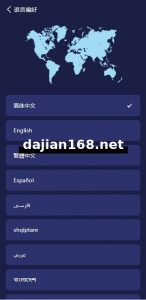
This customized edition of the Thai microloan system uses Thai only in the frontend, but its underlying architecture supports additional languages. Developing Vietnamese or Indonesian versions should not be costly. Its core modules include:
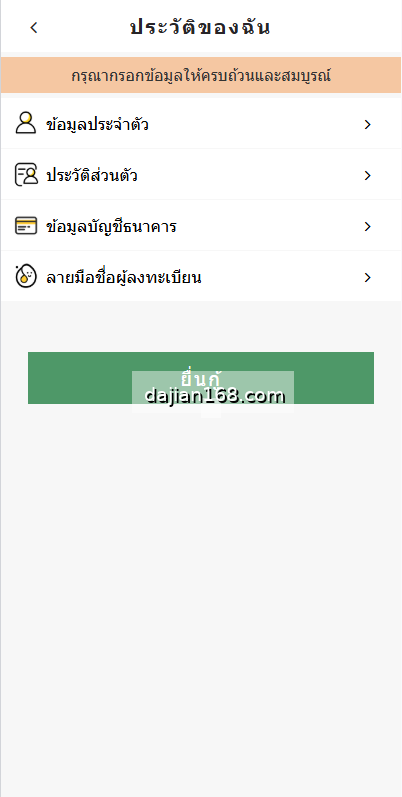
- Customer registration and identity verification (mobile number + ID card OCR)
- Credit limit assessment and underwriting model (based on a risk-control rules engine)
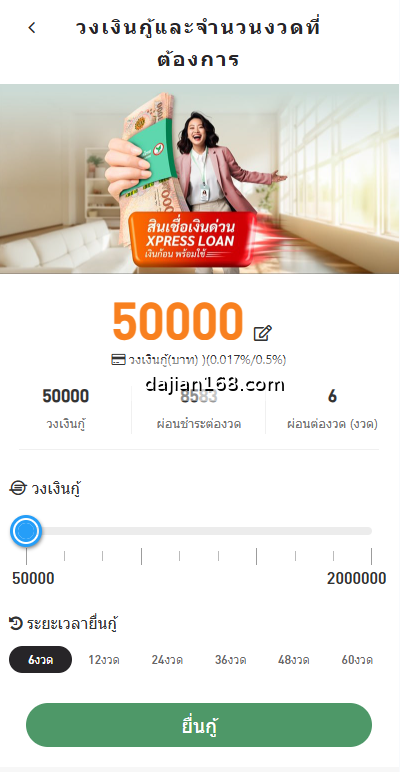
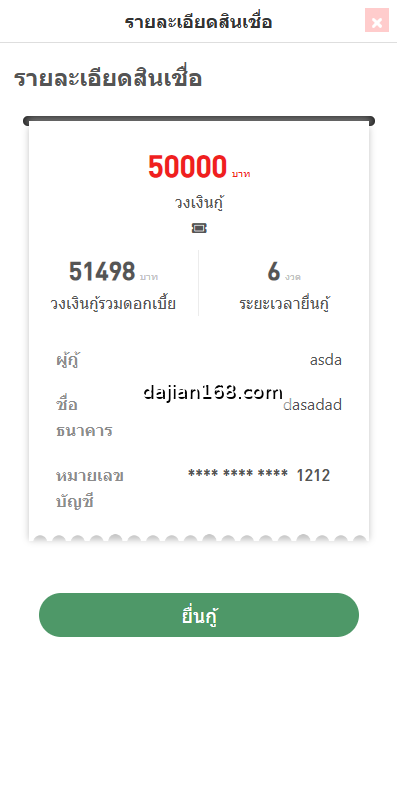
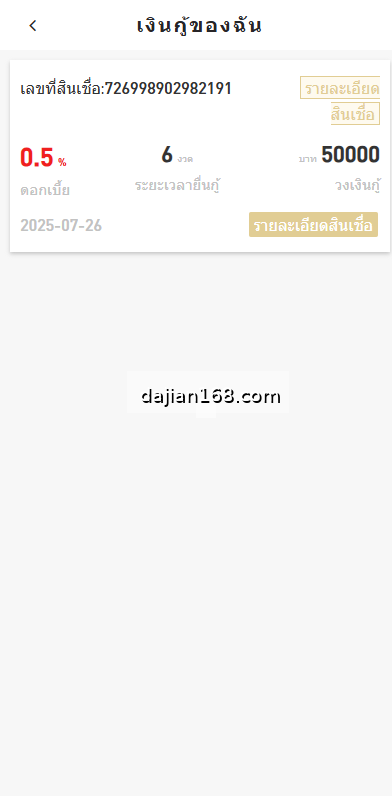
- Online loan applications (completed in three steps)
- Automated loan underwriting (rules engine + manual review entry point)
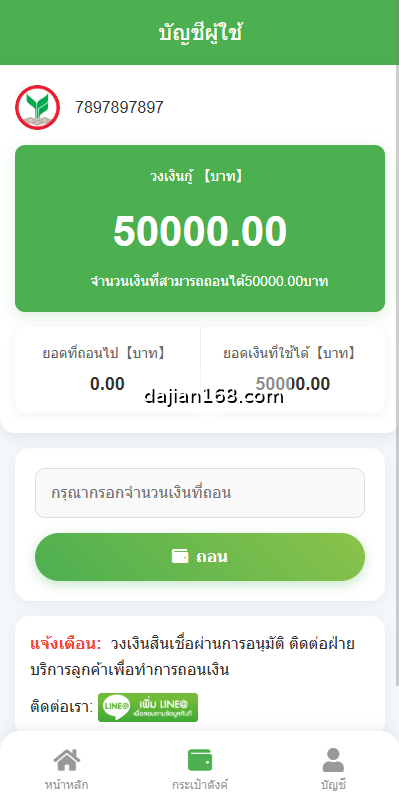
- Repayment management (automatic deductions / voluntary repayments / overdue reminders)
- Financial reports (loan disbursement details / delinquency rates / bad debt statistics)
2. Preparations Before Setup
Before the actual deployment, you need to confirm several things in advance. Otherwise, changing the configuration halfway through the installation can be a hassle:
- Server configuration: A 2 vCPU, 4 GB RAM server is recommended as the starting point, running CentOS 7.x or Ubuntu 20.04 with MySQL 5.7+ and PHP 7.4+ (the GD and curl extensions are required)
- Domain and SSL: Prefer a local Thai domain suffix, and make sure an SSL certificate is configured. The system handles financial transactions, so browsers will block access over non-HTTPS connections.
- Payment channels: API keys must be set up in advance for the three major channels: PromptPay, TrueMoney Wallet, and SCB Bank Transfer.
- SMS service providers: Thailand primarily uses the AIS and DTAC gateways, so purchase enough verification-message credits in advance.
3. Common Pitfalls and Solutions
1. Loan-approval rules do not trigger
If the rules engine is not working, first check the rule-priority settings, then verify that the database indexes have been created. Without indexes, loan-review performance drops noticeably when the data set exceeds a thousand records.
2. Payment callbacks are not received
The payment callback URL must be publicly accessible over the internet. Some clients prefer to test on an internal network and only discover after launch that callbacks are not arriving. We strongly recommend using the production domain as the callback URL from the start.
3. Delinquency rates are unusually high
For a newly launched system, a somewhat higher delinquency rate during the first three months is normal. If it exceeds 15%, check whether the risk-control model is too lenient. The factors used to assess creditworthiness among local Thai borrowers differ from those in China, so consider integrating data from local credit bureaus.
4. Customization Options and Further Development
This system currently supports several mainstream customization options. First, multilingual expansion allows English, Vietnamese, and Indonesian to be added quickly alongside Thai. Second, repayment schedules can be customized to support daily, biweekly, monthly, and other repayment frequencies. Third, the collections module can be tailored to cover the entire workflow from automated reminders to manual intervention. If you want to support payment channels beyond Thailand’s local options—for example, to expand the business into Cambodia or Vietnam—you will need to develop separate interface adapters. We recommend focusing on getting the Thai market fully operational in phase one and only considering regional expansion later.
5. Frequently Asked Questions
Q1: Which repayment methods does the system support?
It currently supports three mainstream options: online bank transfers (SCB, KBANK, BBL), e-wallets (TrueMoney, PromptPay), and cash repayments at physical branches. Automatic deductions require the customer to sign a direct-debit agreement.
Q2: How many concurrent requests can the system handle?
With the standard configuration, a 2 vCPU, 4 GB server can reliably handle 200-300 concurrent loan applications. If you expect higher volumes, put Nginx in front for load balancing and deploy the backend across multiple nodes.
Q3: How are overdue collection reminders triggered?
At 9:00 a.m. on the repayment due date, the system automatically sends a reminder SMS (T+1). If the loan remains unpaid after three days, it is automatically added to the manual collections queue and a collection work order is created. After seven days, an in-person or outsourced collection process is triggered.
Important note: Financial systems operating overseas must take local regulatory requirements into account. The Bank of Thailand sets a clear interest-rate ceiling for consumer loans (no more than 36% annualized), so the system needs built-in interest-rate compliance checks; otherwise, you could face regulatory risk.
Overall, this customized version of the Thai microloan system is mature enough for production use, and the main area that still requires close attention is localization. In particular, the types of identification documents and name formats in Thailand differ from those in China, so it is recommended to run a format-validation script before importing customer data. If you are interested in this system, you can first go through the complete process on the demo site; running through it from registration to repayment will give you a basic understanding.
#ThaiLoanSystem #MicroloanSourceCode #OverseasLoanSystem #LoanSystemDevelopment #CustomizedLoanSystem
-
 Alipay QR Code Scan
-
 WeChat Scan Pay