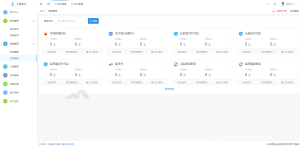
Fully Open-Source Multi-Platform E-Commerce System Build Log: H5, Mini Program & APP Deployment with Marketing Features Tested
Fully Open-Source Multi-Platform E-Commerce System Build Log: H5, Mini Program & APP Deployment with Marketing Features Tested
Disclaimer: This article is for technical education and demonstration only. It is not professional or financial advice. Any real-world deployment must comply with applicable laws and regulations.
I recently helped an e-commerce client deploy a fully open-source multi-platform store system — one backend handling H5, mini program, official account, and APP all at once. It took a bit over two days of tinkering, and I hit plenty of pitfalls along the way, so I’m writing it all down to save anyone else attempting this build some time.
Bottom line up front: the code is fully open source with no encryption or obfuscation, so secondary development doesn’t feel like fighting with one hand tied behind your back. The marketing features are impressively complete — coupons, bargain-haggling, group buying, flash sales, points mall, livestream selling entry points, and auto-delivery for virtual goods — basically covering all the mainstream e-commerce plays.
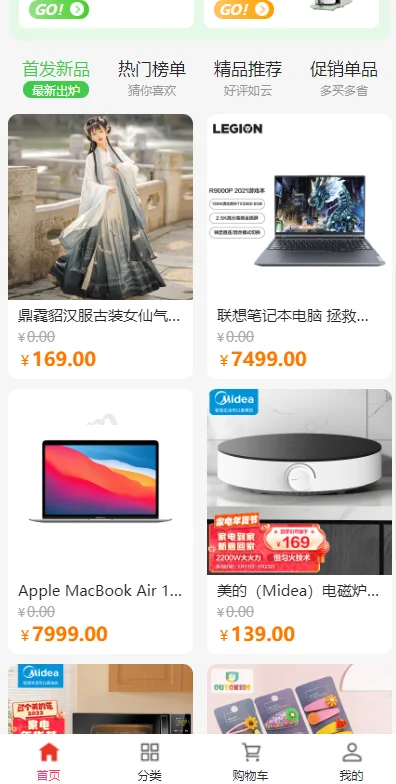
Feature Testing: What the Backend Can Actually Do
After deployment I clicked through every module, focusing on these:
Products & Data Collection
Product management supports multi-spec SKUs, batch listing/delisting, and virtual reviews. What’s interesting is the built-in product collection feature — the API itself is free, but collection credits require a top-up. In my testing, pulling product titles, main images, and detail pages from mainstream platforms worked fine; grab them, tweak the price and stock, and they’re ready to list. Saved a lot of manual entry time.
Marketing Modules
Coupons come in four flavors: general, category, product, and new-customer, plus manual targeted gifting. The rule settings for bargain-haggling and group buying are quite granular — group buying lets you configure team size, validity period, and simulated team completion. Flash sales support time-reel simulation sessions. The points mall can redeem both physical items and coupons. The lucky draw module supports physical prizes, points, and red packets, with probabilities configured in the backend — standard marketing random draw demo mechanics.
Auto-Delivery for Virtual Goods
This feature is very practical for merchants selling card keys and redemption codes. Once a customer pays, the system automatically delivers the card — no need for someone to sit there manually. The backend supports bulk importing card key inventory, and order statuses flow automatically. In my tests, delivery latency was within one or two seconds.

Deployment Essentials & Pitfall Log
For the environment I used BaoTa panel with Nginx + PHP 7.4 + MySQL 5.7 — this combo ran through in one go. A few things to watch out for:
Rewrite Rules & Multi-Platform Configuration
The H5 side needs proper ThinkPHP rewrite rules configured, otherwise everything except the homepage returns 404. When publishing the mini program, remember to configure all the legal domains in the backend — request, uploadFile, and socket domains — miss even one and the real device throws errors.
Payment Integration
Both WeChat Pay and Alipay require a merchant account, and mini program payment must be bound to the same merchant entity as the official account, otherwise the appid won’t match. After I configured the payment directory and certificate paths, I ran a sandbox test order successfully before going live. I’d recommend everyone do the same dry run.
Livestream & APP
The livestream mini program package is downloaded separately from the non-livestream one, and the livestream feature requires additional category qualifications. Without them, just deploy the non-livestream version. The APP side is packaged with uniapp — after editing the config, cloud packaging via HBuilderX works fine. Android has no real pitfalls; iOS App Store submission requires handling your own certificates.
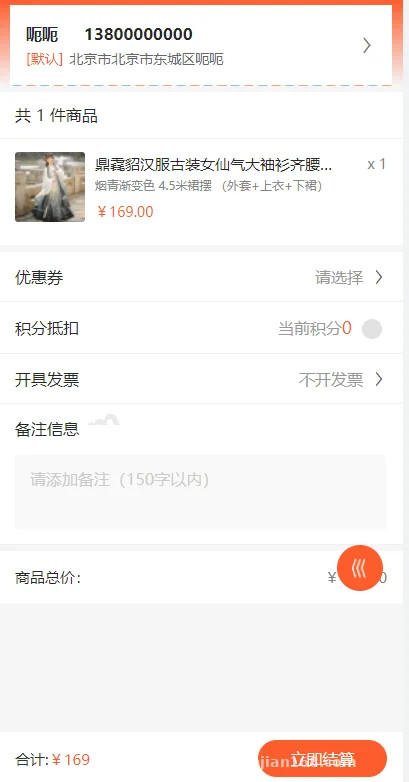
The store homepage supports DIY visual page building — drag and drop components to redesign the layout. The client can handle day-to-day page edits themselves without calling a developer every time, which is a big plus for delivery.
Secondary Development Suggestions
The code structure follows the common front-end/back-end separation pattern, with a clean api directory and controller layering. I added a multi-language pack for my client to make future cross-border product display easier — the change footprint was small. The finance module has ready-made interfaces for commission records, withdrawal approvals, and invoice requests, so distribution-related secondary development can build directly on top.
Who This Suits
E-commerce founders who want full control of their source code and don’t want to be locked into annual SaaS fees; developers taking on outsourced store projects; teams with auto-delivery needs for virtual goods. If you just want to open a shop without touching tech, sticking with SaaS is honestly less hassle.
FAQ
Q: What server specs are needed?
A: 2 cores / 4GB RAM is enough to start. For 1,000+ daily orders, go with 4 cores / 8GB, and deploying the database and application separately is more stable.
Q: Can it be used without livestream qualifications?
A: Yes — just choose the non-livestream mini program package; all other features are unaffected.
Q: Does collecting product data risk infringement?
A: The collection feature only grabs publicly available product information for reference. Before listing, it’s recommended to replace everything with your own licensed materials and comply with platform rules and applicable laws.
Q: Is secondary development possible?
A: Fully open source with no encryption. Developers with basic PHP skills won’t find it hard, and the front end is uniapp — one codebase compiled to multiple platforms.
Disclaimer: This article is for technical education only, sharing deployment experience. All features should be used in compliance with applicable laws and regulations.
Disclaimer: This article is for technical education and demonstration only. It is not professional or financial advice. Any real-world deployment must comply with applicable laws and regulations.
#e-commerce source code #mini program development #online store setup #H5 storefront #deployment notes
-
 Alipay QR Code Scan
-
 WeChat Scan Pay