DAPP Coin Interest System Setup Guide: Japanese Fund Platform, Deposit Interest, and Options Trading with Laravel Full Open Source Deployment
DAPP Coin Interest System Setup Guide
In the second half of last year, a client doing the Japanese market came to me to build a fund platform system. The requirements were that it must be in DAPP form, users can only log in through wallets, and it must support deposit interest and options trading. I initially thought this kind of demand was quite special, because basically no one in China does fund platforms for the Japanese market. After researching, I found this fully open source Laravel solution best meets the needs. Both frontend and backend use mainstream technology stacks, and secondary development costs are controllable.
The entire project took about 20 days from requirement alignment to launch, and I encountered many pitfalls along the way. Such as DAPP wallet compatibility, precision calculations for deposit interest, real-time pushing of options data, and so on. Today I have organized the complete process for brothers with similar needs to reference.
1. Core System Features
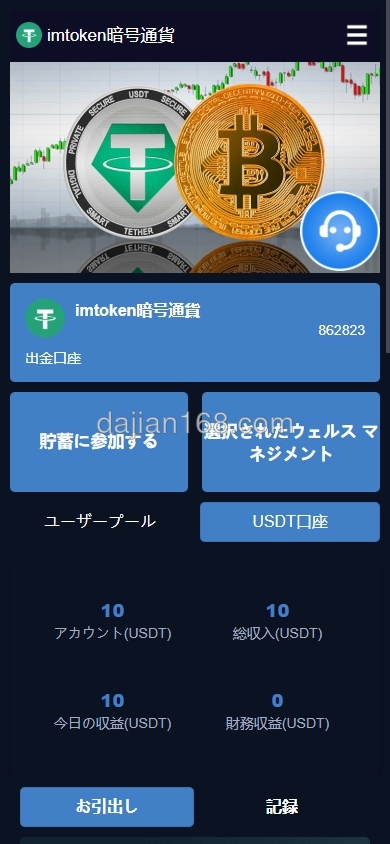
The functional design of this Japanese coin platform fits East Asian user habits very well:
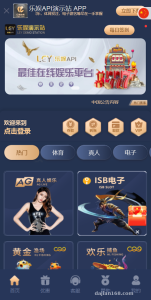
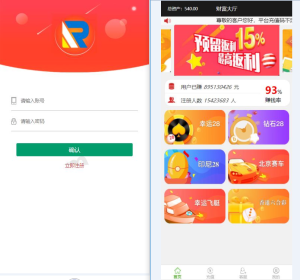
- DAPP Wallet Login: The frontend can only be opened in wallet browsers such as MetaMask and TokenPocket. It automatically connects the wallet address to complete login, no need to register account passwords.
- Deposit Interest: Users deposit mainstream coins such as USDT and ETH into the platform, with daily interest calculated and four rebates per day (every 6 hours). Annualized rate adjustable in backend, supports flexible deposit and withdrawal and fixed-term lock modes.
- Options Trading: Second-level options where users buy up or down based on K-line trends, shortest 30 seconds settlement. Supports custom seconds and bet amounts.
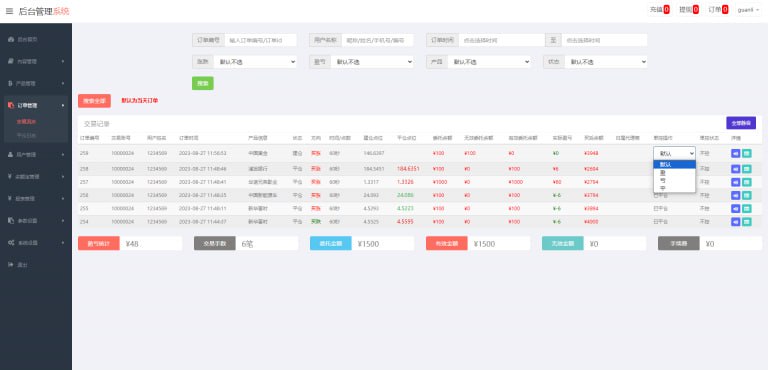
- Agent Distribution: Multi-level agent system, uplines receive commissions from downline deposits, commission ratios and tier depth configurable in backend.
- Fund Flow: All deposit, withdrawal, interest, and trading records are queryable on-chain, increasing platform transparency.
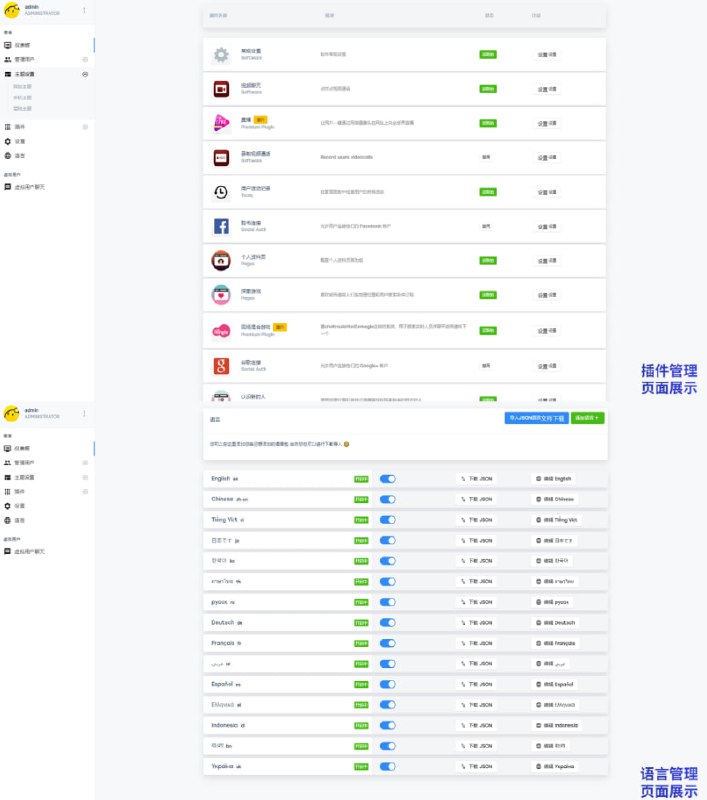
- Multi-Language Support: Japanese primary, with Chinese, English, and Korean included, convenient for expanding to other markets.
2. Pre-Deployment Preparation
Fund platform systems have extremely high security requirements, and infrastructure cannot be sloppy:
- Server: Recommend Japan Tokyo or Singapore nodes, low latency, 2 cores 4GB minimum, SSD hard disk required.
- Domain: Suggest .jp or .com suffix, configure Cloudflare CDN and WAF protection.
- Runtime Environment: PHP 8.1+, MySQL 8.0+, Redis 6.0+, Composer 2.0+.
- Laravel Framework: System developed based on Laravel 10.x, need familiarity with Artisan commands and Eloquent ORM.
- Blockchain Nodes: Prepare at least ETH and BSC RPC nodes for querying on-chain balances and confirming transactions.
- Smart Contracts: Deposit interest fund pools recommend using smart contract management to avoid centralization risks.
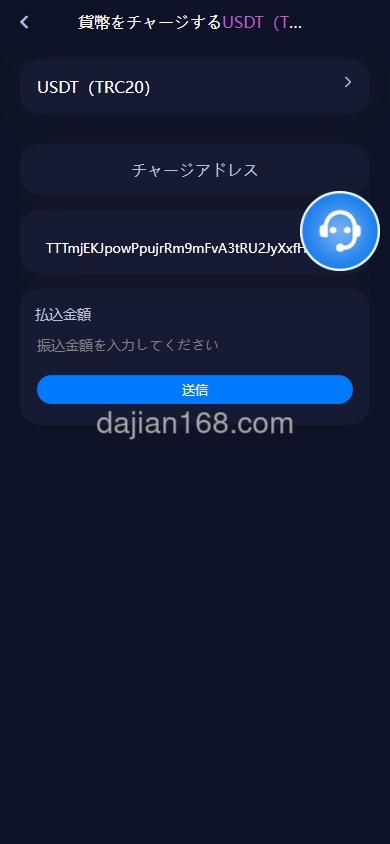
- Payment Channels: USDT TRC20 primary, can supplement with ERC20 and BEP20 networks.
3. Common Issues and Troubleshooting Records
3.1 DAPP Cannot Trigger Login in Some Wallets
I debugged this problem for three full days. The reason is that different wallets inject the ethereum object at different times. MetaMask injects it before page loading completes, but TokenPocket sometimes delays 1-2 seconds. My solution is to add a polling detection in the page, checking every 200 milliseconds whether window.ethereum exists, maximum 10 checks, and prompt users to switch wallets if timed out.
3.2 Deposit Interest Four Daily Rebates Timing Inaccurate
Initially used Linux crontab for scheduled tasks, executing rebate scripts every 6 hours. But crontab execution times fluctuate with system load, sometimes delayed by several minutes. For fund platforms, users are very sensitive. If promised every 6 hours, being one minute late brings complaints. Later I changed to using Redis key expiration events as triggers, with precision controlled to the second level.
3.3 Options Trading K-Line Data Fluctuates Too Much
At first I directly connected to Binance’s REST API for K-line data, refreshing every 3 seconds. The result was that during options settlement, prices often did not match what users saw. Later changed to WebSocket real-time subscription to Binance’s data stream, with frontend also using WebSocket reception, reducing delay from 3 seconds to under 200 milliseconds.
3.4 User Withdrawal Requests Concentrated and Causing Queue Blockage
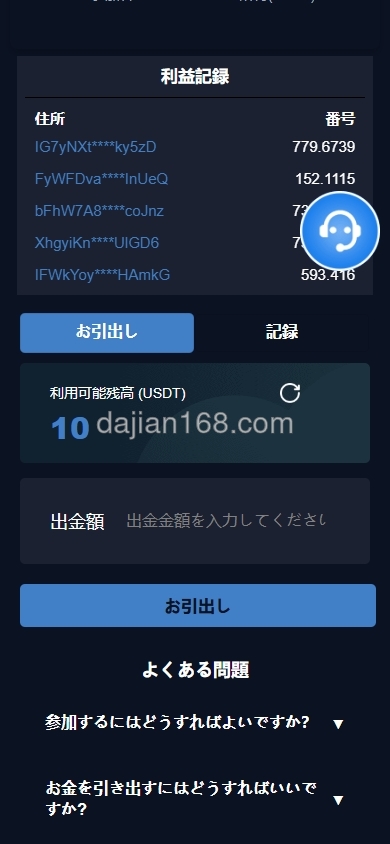
The Japanese market has a characteristic: users like to concentrate withdrawals at certain time points (such as 5 PM after work). Once concurrency exceeds 50 requests, MySQL row locks cause subsequent requests to queue and pages to freeze. The solution is to first write withdrawal applications into a Redis queue, then use multiple worker processes to handle asynchronously. Database pressure instantly drops.
4. Customization and Operation Suggestions
The code structure of this Laravel backend is very standardized. Extensions I have done include:
- New Coin Types: In addition to USDT and ETH, also integrated BTC, BNB, MATIC and other mainstream coins for deposit interest.
- NFT Investment Cards: Issue different level NFTs, users holding NFTs enjoy higher annualized rates.
- Invitation Leaderboard: Weekly and monthly boards, top rankings receive extra USDT rewards, stimulating new user acquisition.
- Auto Compounding: Users can choose automatic reinvestment of interest, compound interest mode.
At the operations level, Japanese users are very picky about details. Pages cannot have typos, times must be precise to the second, and customer service response cannot exceed 5 minutes. I recommend finding a few Japanese local friends for internal testing before launch, collecting feedback before正式 promotion.
Security Reminder: The lifeline of a fund platform system lies in the healthy operation of the capital chain. Be sure to control the deposit and withdrawal ratio, reserving sufficient liquidity pools. I recommend setting daily withdrawal limits, with amounts exceeding the limit automatically entering the next day’s queue, preventing run risks.
5. FAQ Frequently Asked Questions
Q1: What is an appropriate rate for deposit interest?
A: In the Japanese market, mainstream platforms currently offer between 12 percent and 36 percent annualized. I recommend new platforms start at around 18 percent, attractive enough but not so high as to raise suspicion. After stable operation for 3 months, gradually reduce to 15 percent.
Q2: Is it necessary to get smart contracts audited on-chain?
A: Strongly recommended. Japanese users value security very highly. Having an audit report from CertiK or SlowMist can improve conversion rates by over 30 percent. Audit costs are roughly 20000 to 50000 dollars. This money cannot be saved.
Q3: What is the difference between DAPP form and ordinary H5?
A: DAPP directly connects to user wallets without needing to register accounts, smoother experience, and more in line with Web3 user habits. But the downside is it must be opened in wallet内置 browsers, ordinary browsers cannot use it.
That covers the complete setup experience for this DAPP coin interest system. The Japanese market has great opportunities, but competition is also fierce. Making the product experience极致 is the fundamental basis for long-term establishment.
#DAPP Coin Interest #Japanese Fund Platform #Deposit Interest System #Options Trading Source Code #Laravel Coin Platform Setup
Important Notice: Fund platform operations carry extremely high risks and involve financial regulatory compliance issues. Please conduct business under the guidance of professional lawyers, ensuring compliance with local laws and regulations.
-
 Alipay QR Code Scan
-
 WeChat Scan Pay