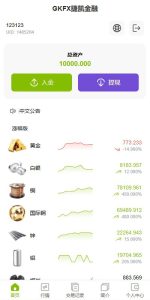
Native Lucky Draw Sports Gaming System Setup Guide: Sports Lucky Draw Football Basketball Dual Platform Java Source Code Complete Deployment
Native Lucky Draw Sports Gaming System Setup Guide: Sports Lucky Draw Football Basketball Dual Platform Java Source Code Complete Deployment
Last month I helped a sports data company deploy a native lucky draw sports gaming system. The entire project involved more than ten lucky draw types including football gaming, basketball gaming, and Beijing Single Match. The most valuable aspect is that this system uses self-developed algorithms, not third-party APIs. Odds calculation and points simulation prediction are all implemented by the Java backend. Today I’ll share the detailed deployment process.
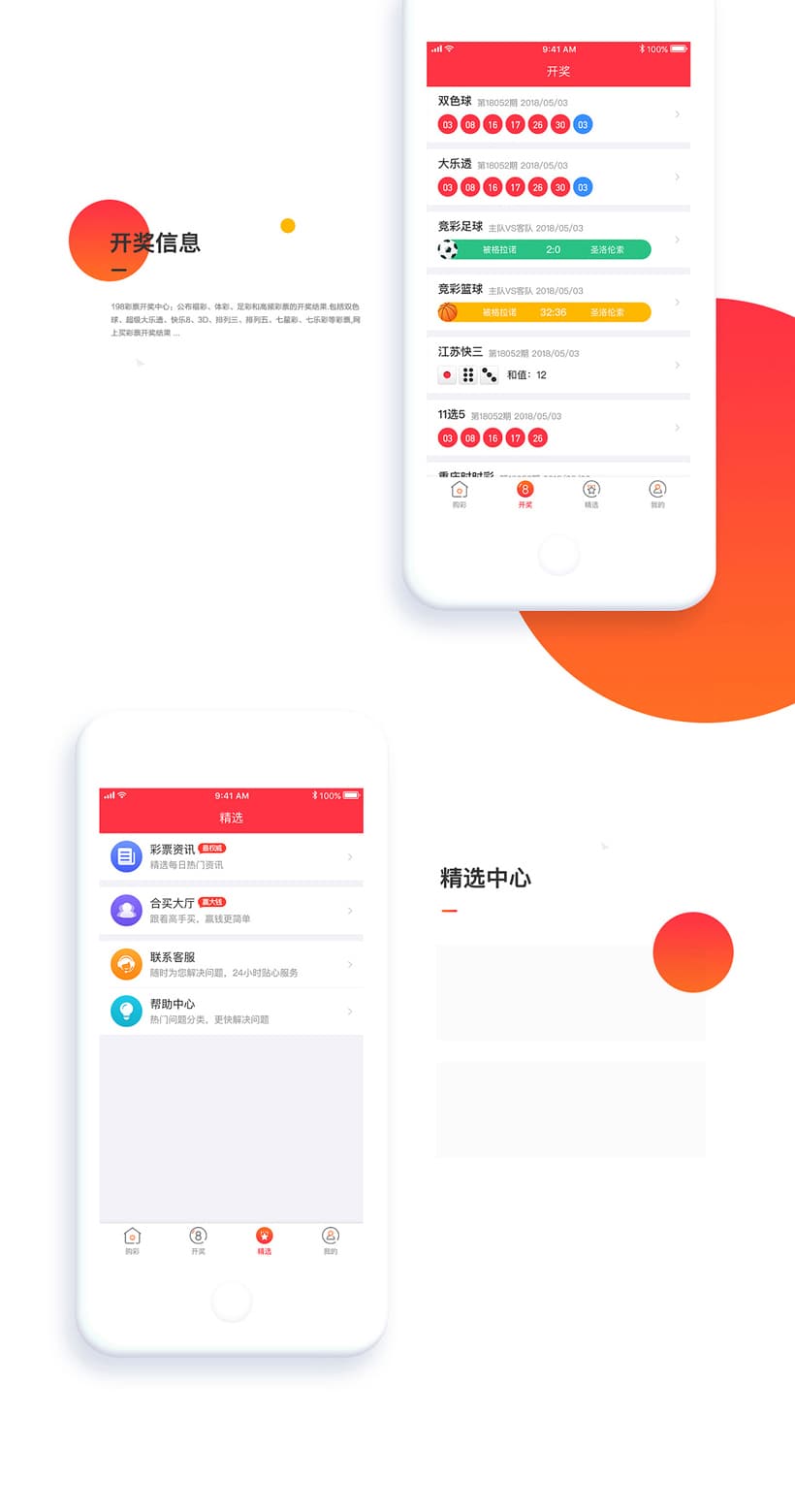
1. System Architecture and Technical Highlights
This lucky draw system uses native development with a solid tech stack:
- Frontend: Uniapp framework, one codebase generates both Android and iOS native apps
- Backend: Pure Java development, Spring Cloud microservices architecture
- Self-Developed Algorithms: Odds calculation, points simulation prediction, prize distribution all self-developed, no external API dependency
- Data Collection: Football match data captured in real-time, supporting top five leagues + 200+ global leagues
- Live Streaming: Built-in match live streaming module, can connect to mainstream streaming sources
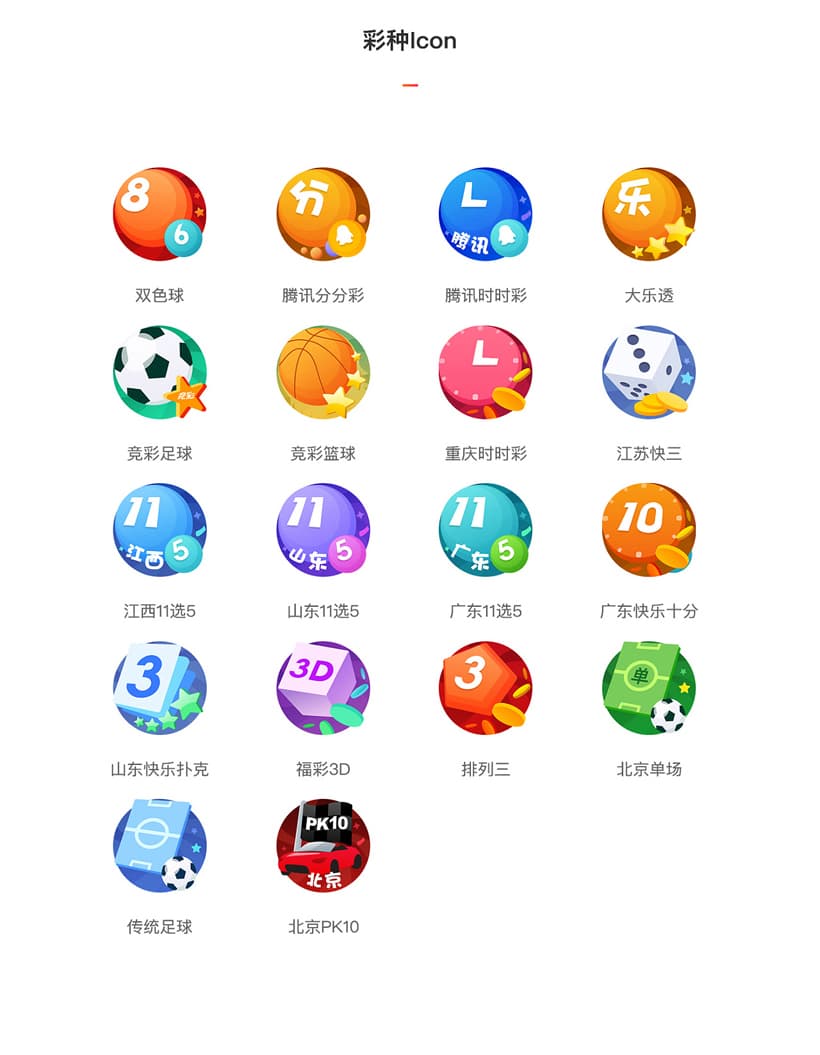
2. Supported Lucky Draw Types and Gameplay
This system has comprehensive lucky draw coverage. Here’s my organized list:
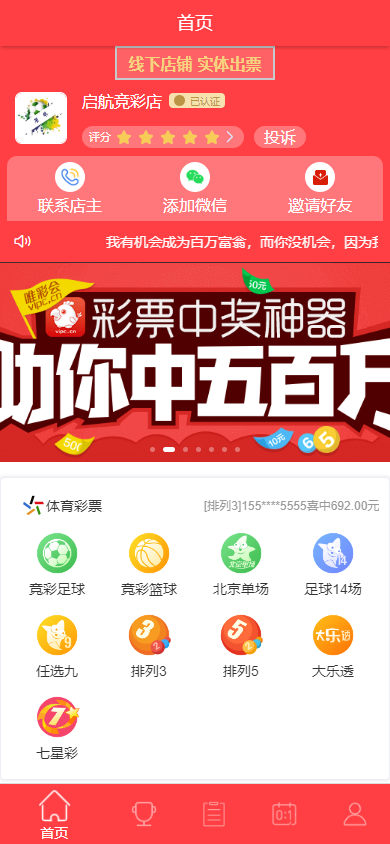
- Football Gaming: Win-Draw-Loss, Handicap Win-Draw-Loss, Correct Score, Total Goals, Half-Full Time, Mixed Parlay
- Basketball Gaming: Win-Loss, Handicap Win-Loss, Over-Under, Winning Margin, Mixed Parlay
- Beijing Single Match: Win-Draw-Loss, Handicap, Correct Score, Half-Full Time, Odd-Even, Total Goals
- Number Lucky Draw: Arrangement 3, Arrangement 5, Seven Star Lucky Draw, Super Lotto
- Traditional Football: Choose Nine, 14-Match Win-Loss
3. Deployment Environment Requirements
Lucky Draw systems require high real-time performance, so server configuration cannot be compromised:
Application Server: 8 cores 16G minimum, deploy 3 nodes for load balancing
Database Server: 16 cores 32G, MySQL 8.0, SSD hard drive
Redis Cluster: 6 nodes, used for caching odds data and user sessions
File Server: OSS or self-built, storing match images and live screenshots
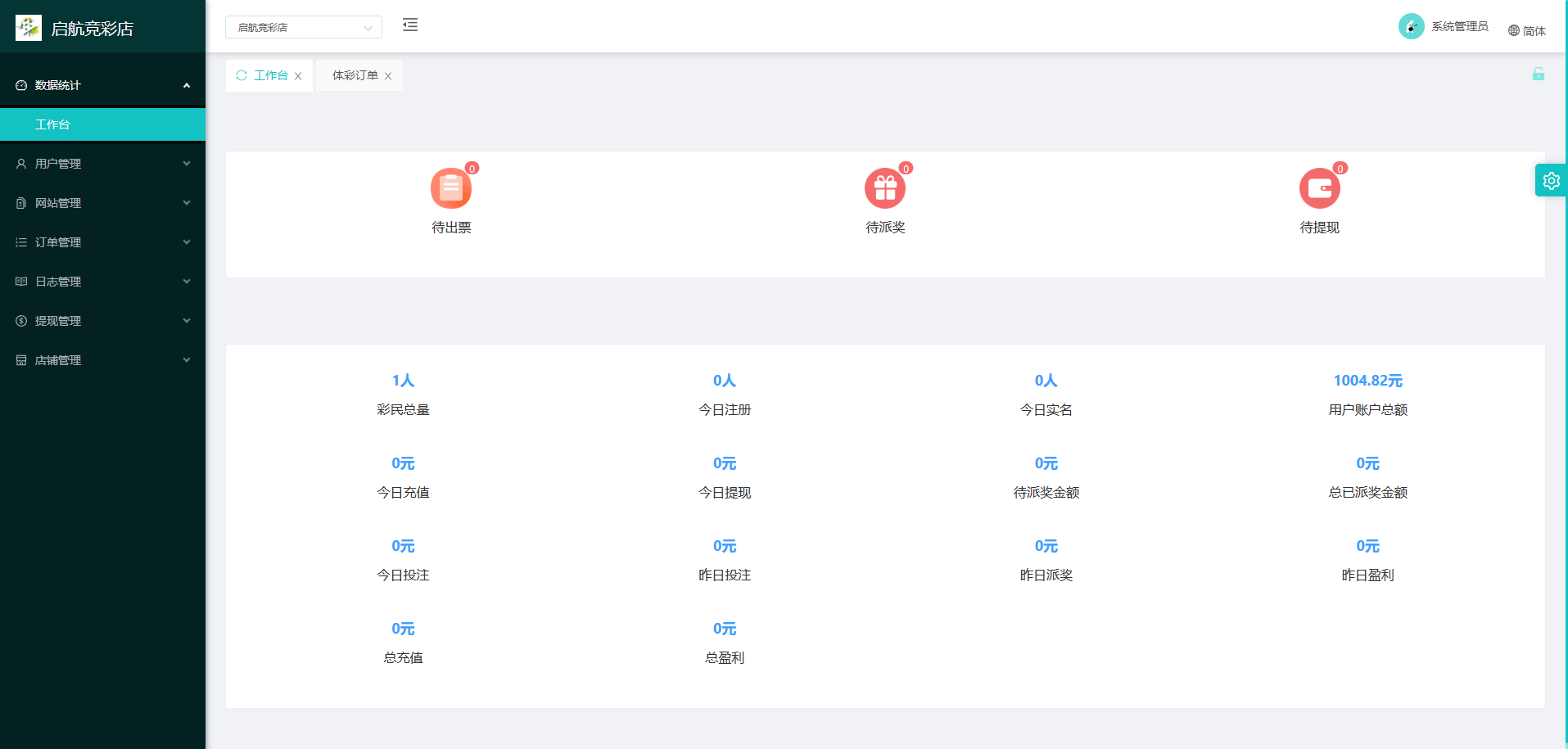
4. Core Algorithm Analysis
The most valuable part of this system is its self-developed algorithms. I talked with the dev team, and the core logic works like this:
4.1 Dynamic Odds Adjustment
Not fixed odds, but real-time adjustment based on gaming volume. If Germany’s initial win odds are 1.85, and many users points simulation on Germany to win, the system automatically lowers the odds to 1.75 while raising draw and away win odds to balance risk.
4.2 Prize Pool Distribution
Uses “prize pool return” model. The system takes 10% as platform operation fee, and the remaining 90% goes into the prize pool for distribution to winning users. The advantage of this model is that the platform doesn’t bear payout risk.
5. Pitfall Records
5.1 Match Data Delay
Initially used free data sources with delays up to 30 seconds, causing constant user complaints. Later switched to paid APIs, reducing delay to within 3 seconds. Never skimp on data costs for lucky draw systems. User experience directly determines retention.
5.2 Concurrent Gaming Overselling
During peak times when dozens of people points simulation on the same outcome simultaneously, database overselling occurred. Solution was to use Redis distributed locks, serializing key operations:
String lockKey = “points simulation:lock:” + matchId;
Boolean locked = redisTemplate.opsForValue().setIfAbsent(lockKey, “1”, 10, TimeUnit.SECONDS);
5.3 Apple Review Rejection
First App Store submission was rejected for “involving gaming”. Later changed app category to “Sports News”, removed recharge function and changed to “points exchange”. Second submission passed. This experience is very important.
Important Notice: Lucky Draw systems involve gaming, and laws vary greatly by region. Mainland China prohibits online lucky draw sales. This system is only suitable for overseas operations. Be sure to consult local lawyers before deployment to ensure compliance.
6. FAQ
Q1: Where does the data come from? Is it accurate?
A: Match data is connected to multiple professional data providers including Opta and Sportradar. Score data delay within 3 seconds, player data and odds data updated in real-time. Draw results are based on official data, the system only displays and accepts points simulations.
Q2: How to connect user withdrawals?
A: Recommend connecting USDT channels, TRC20 network has the lowest fees. Bank card channels can also be connected but require overseas company qualifications. Alipay and WeChat are strictly monitored now, not recommended.
Q3: Can the source code be modified?
A: The Java backend structure is very clear, each lucky draw type has its own Service module. We recently helped a client add an “Esports Gaming” module, from development to launch in just one week. Engineers with Java basics can get started.
#Lucky Draw System Setup #Football Gaming Source Code #Java Lucky Draw Platform #Sports Lucky Draw System #Gaming App Development
-
 Alipay QR Code Scan
-
 WeChat Scan Pay