KK Lottery Dual-Mode Platform: Java Open-Source Deployment Notes
KK Lottery Dual-Mode Platform: Java Open-Source Deployment Notes
KK Lottery is usually selected by teams that want a Java-based lottery backend rather than a quick PHP script. The package discussed here combines a dual-gameplay front end, a lottery CP management module and open-source code that can be rebuilt for further customization. The key point is to treat it as a Java service deployment, not as a simple upload-and-run website.
1. Core Modules
- Dual gameplay support: two lottery modes can be operated under the same member system, making it easier to test different game rhythms and prize structures.
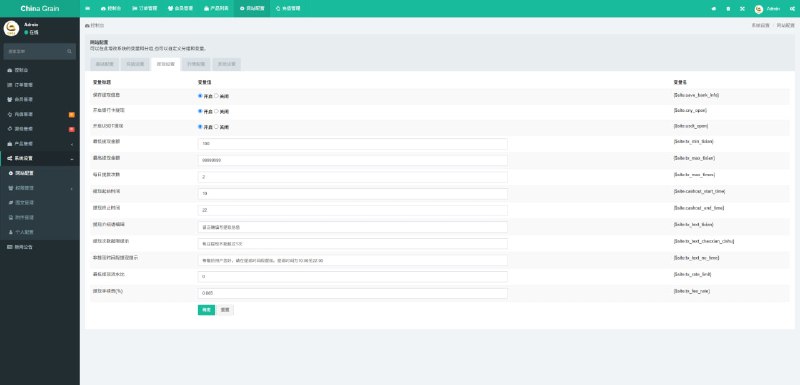
- Lottery CP module: game configuration, draw periods, odds, result records and risk parameters are managed from the back office.
- Java open-source backend: the service layer can be rebuilt and extended, which is useful for teams that need custom settlement or reporting logic.
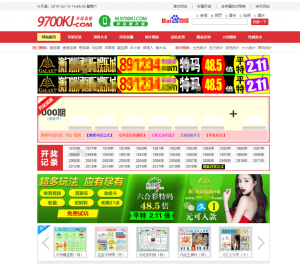
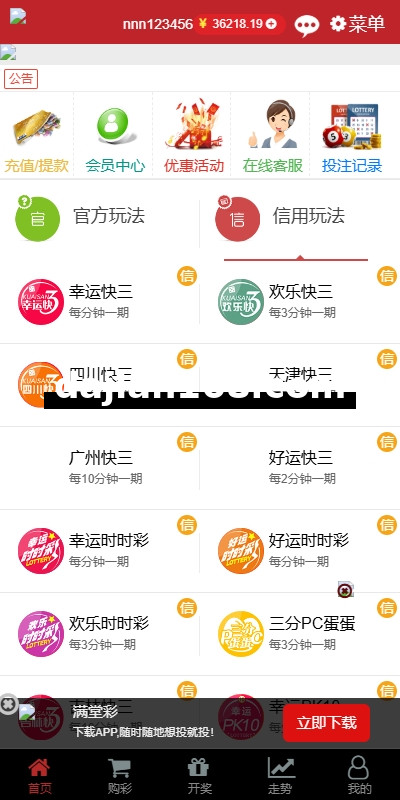
- Front-end pages: H5-style pages can be adapted for mobile users, with banners, result lists and trend charts configured independently.
- Backend permissions: operator, finance and administrator roles should be separated before production use.
2. Recommended Runtime Environment
For a clean first deployment, prepare a Linux server with at least 2 cores and 4 GB RAM. Install JDK, Nginx, MySQL and Redis first, then import the database and start the Java service with logs enabled. If the package contains multiple services, start the core API before starting scheduled draw tasks. Do not open the site publicly until the first complete draw cycle has been verified in the backend.
3. Common Setup Problems
3.1 The service starts but the page cannot load
Check Nginx reverse-proxy rules first. A Java backend may be listening on a local port while the front end is served as static files. If the proxy path is wrong, the browser will show a blank page or API timeout even though the Java process is running.
3.2 Draw tasks do not run
Draw generation usually depends on scheduled tasks. Confirm that the task process is active, the server time zone matches the business time zone, and the game period table contains future periods. A missing period record is more common than a code bug.
3.3 Results appear in the backend but not on the front page
This is typically a cache problem. Clear Redis after changing game configuration, then check whether the front-end API is reading the same environment as the backend. Mixed test and production configuration files often cause this symptom.
4. Operations Checklist
Before launch, create a full test user, run deposit and withdrawal in sandbox mode, place test orders in both gameplay modes, wait for settlement, and export the result log. The test should prove that the whole chain works: front-end order creation, backend order visibility, draw result generation, settlement, wallet change and final report.
Risk reminder: lottery platforms must be reviewed for local compliance, age restrictions, payment rules and advertising limits. Keep test mode clearly separated from production mode.
5. FAQ
Q1: Is the Java version suitable for beginners?
It is more demanding than a PHP package, but it is better for long-term secondary development. A basic understanding of JDK, process management and logs is necessary.
Q2: Can the two gameplay modes share one wallet?
Yes, that is the usual design. The wallet stays unified while each gameplay module keeps its own odds, periods and result history.
Q3: What should be backed up before modifying the code?
Back up the database, application configuration, uploaded images and the current compiled service package. For Java projects, also keep a copy of the exact build tool version.
#KK Lottery #Dual-Mode Lottery #Lottery CP System #Java Open Source #Lottery Platform
-
 Alipay QR Code Scan
-
 WeChat Scan Pay