Overseas Exchange System Build Log: Contracts, Options, Staking, Second Contracts, Wick Control and IEO Subscription
Overseas Exchange System Build Log: Contracts, Options, Staking, Second Contracts, Wick Control and IEO Subscription
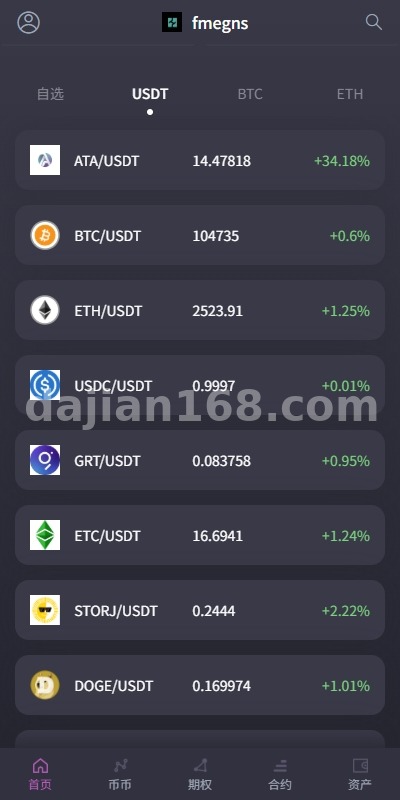
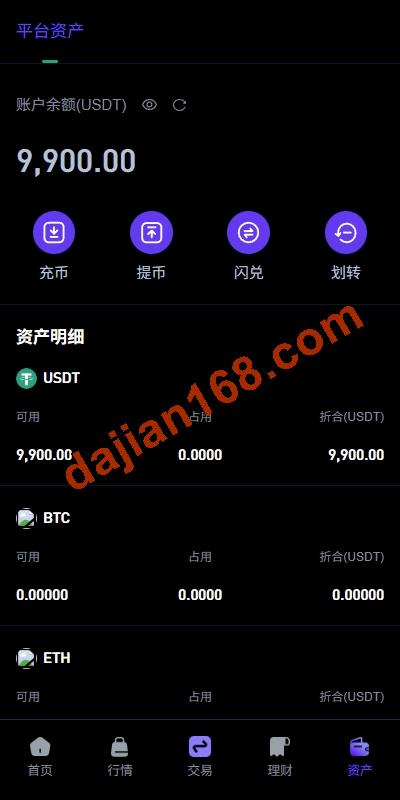
Of the three exchange builds I did this quarter, this one had the widest feature surface: spot-style contracts, options, staking, second contracts, wick-control tooling and an IEO subscription module all in one package. More features means more places to misconfigure, so I am writing down the parts that actually cost me time.
1. Feature Map
- Multi-language interface: real-time Chinese/English switching with responsive pages for mobile and desktop.
- Contracts and options: two derivative modules sharing one wallet, each with independent parameter sets.
- Second contracts: ultra-short contract periods with low-latency matching requirements.
- Staking module: lock-up products with configurable terms and yields.
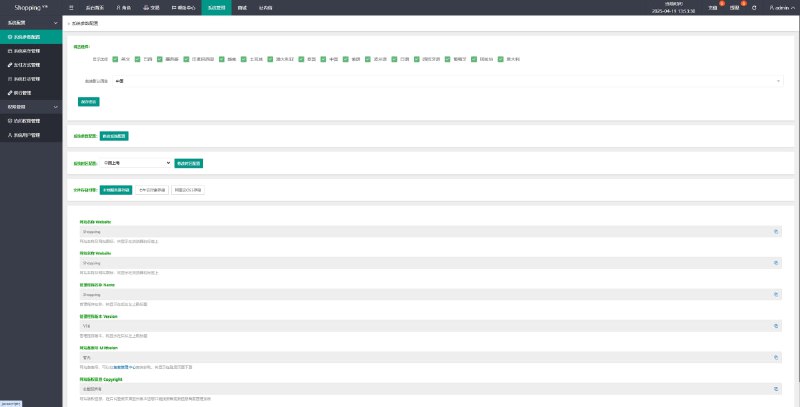
- Wick control: back-office tooling for managing price-feed behavior in demo or controlled environments.
- IEO subscription: a subscription flow for new token offerings with quota and snapshot rules.
2. Server and Environment
Minimum sensible baseline: 2 cores/4 GB for testing, 4 cores/8 GB once real users arrive. CentOS 7+ or Ubuntu 20.04, Nginx + PHP 8.0+ (or the vendor’s JAVA services where applicable), MySQL 5.7+ and Redis. Full-site HTTPS. If users are global, put the site behind Cloudflare or an equivalent CDN and test the API paths carefully, because WebSocket market feeds behave differently behind proxies.
3. Configuration Traps
3.1 The double-switch problem
Global order control only takes effect when the matching switch inside Contract Product Settings is also enabled. I lost half a day assuming the global toggle was broken. It was not; the design simply requires both layers.
3.2 IEO quota oversold
The first IEO test allowed more subscriptions than the configured quota under concurrent requests. The fix was enforcing the quota check inside a database transaction with row locking, not in application code alone. Always test subscription concurrency with simultaneous requests, not one browser.
3.3 Language switch breaking styles
CSS conflicts after language switching came from a third-party font library. Disable optimization plugins, then bisect with DevTools. Do not guess.
4. Launch Checklist
My order: register and verify a test user, deposit in sandbox, run one full contract cycle, one options expiry, one staking settlement and one small IEO round, then reconcile the wallet ledger against the admin reports. Only when the numbers match to the cent do you open registration.
Risk warning: derivative and subscription products carry both regulatory and security risk. Complete a penetration test before launch, change every default admin path, and keep the demo environment strictly separated from production.
5. FAQ
Q1: Can contracts and options share one wallet?
Yes, and they should. Users hate transferring between module wallets; keep margin accounts unified and separate only the risk parameters.
Q2: How do you test wick-control safely?
Only in a closed demo environment with test accounts, and log every manual intervention for audit.
Q3: What concurrency can this handle?
A properly tuned 4-core/8 GB single node handles a few thousand daily actives comfortably. Beyond that, split the database and add read replicas.
#Overseas Exchange System #Contracts and Options #Staking Platform #Wick Control #IEO Subscription
-
 Alipay QR Code Scan
-
 WeChat Scan Pay