Building a Multi-language Content Distribution Platform with ThinkPHP and UniApp: Queue Scheduling and Pipeline Design
Building a Multi-language Content Distribution Platform with ThinkPHP and UniApp: Queue Scheduling and Pipeline Design
Disclaimer: This article is for technical education and demonstration only. It is not professional or financial advice. Any real-world deployment must comply with applicable laws and regulations.
I recently helped a client deploy a content distribution platform. The frontend uses a customized build of UniApp, and the backend is built on the ThinkPHP framework—the entire source code is open. I ran the full deployment process from scratch and compiled the troubleshooting notes into this article for developers who want to build similar pipeline-driven projects.
Hands-on Review of Core Features
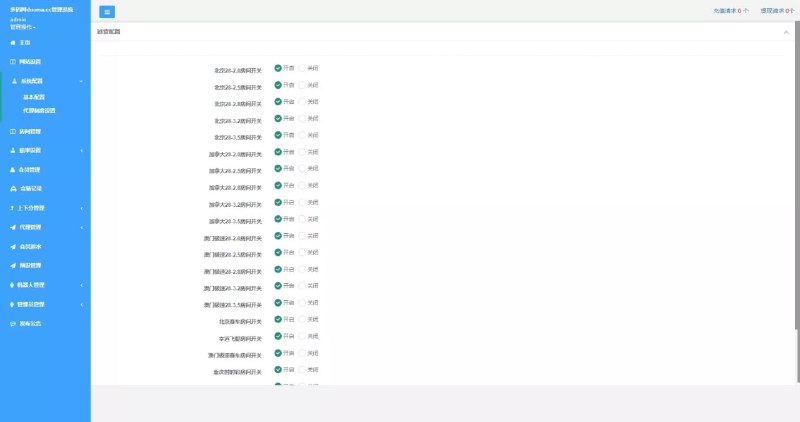
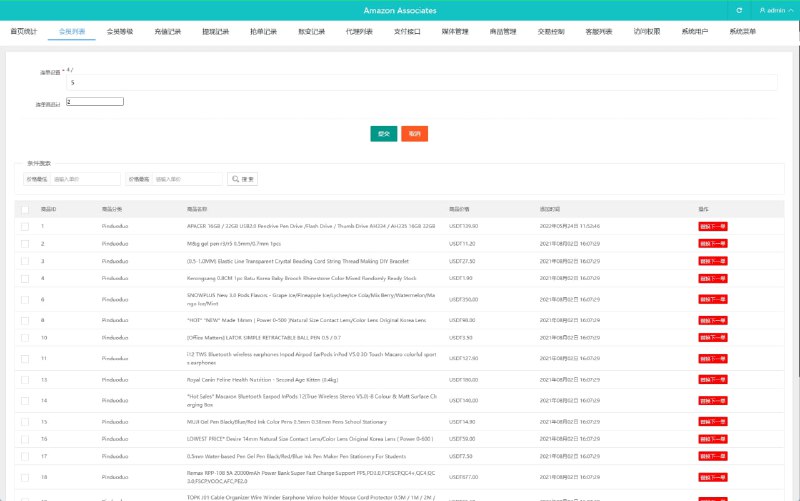
The standout feature of this platform is pipeline queue control. When I first opened the workflow management module in the admin panel, I noticed that jobs don’t simply flow in and out—they follow a chained structure. Once one stage finishes, the next stage automatically triggers, and the chain keeps running until the entire pipeline completes.
How the Workflow Queue Runs
When configuring pipeline stages in the backend, you can set parent-child relationships and dependency conditions. For example, stage B only starts after stage A finishes, and stage C unlocks only after B completes. The whole chain executes sequentially inside the queue. When I stress-tested the system by triggering 20 pipeline stages in a row, the queue showed no blocking or message loss, and the logs were written cleanly.
Multi-language UI Adaptation
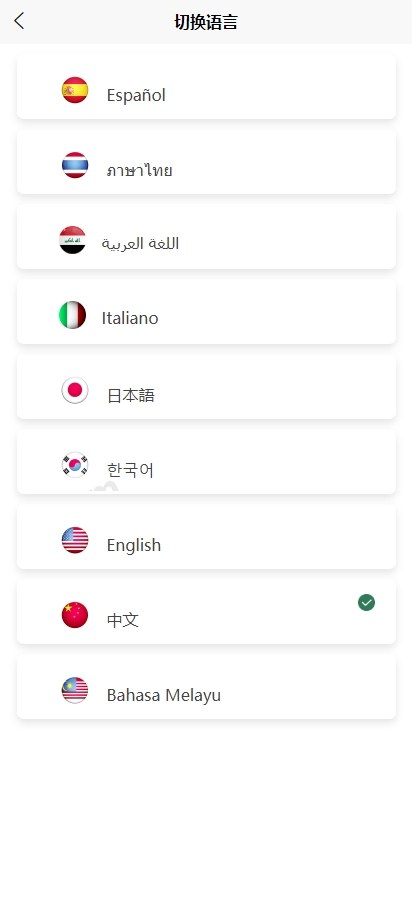
The frontend is a customized version built on top of the original framework, with multi-language switching added in. I checked the i18n directory—the language packs follow a standard JSON structure, currently packaged with Simplified Chinese, English, and Traditional Chinese. To add a new language, simply copy an existing JSON file and translate the strings—no changes to component logic required.
Deployment Tips and Troubleshooting Notes
ThinkPHP Backend Environment Configuration
The backend runs on ThinkPHP 6, which requires PHP 7.2 or higher. I personally installed PHP 7.4 on my server. The default database is MySQL 5.7—when running migration scripts, set the charset to utf8mb4, otherwise the multi-language fields will display garbled characters. Redis is mandatory; both the queue and the cache depend on it.
The documentation provides the .htaccess rewrite rules for Apache. Since my server runs Nginx, I converted them myself. The location block that matches the entry file needs careful handling—otherwise routes return 404.
Note: ThinkPHP routing combined with Nginx’s try_files can easily produce 404 errors. I recommend getting it working locally with phpstudy first before pushing to a production server.
UniApp Frontend Build and Release
The UniApp project structure is clean: the pages directory holds the pages, and the components directory holds the components. After opening the project in HBuilderX, I compiled to the H5 build in under two minutes, and the page automatically adapted to the current screen resolution when accessed from a desktop browser. For mobile, you need to package a separate APP build with the right signing certificates configured before publishing.
Orders and Rating Module
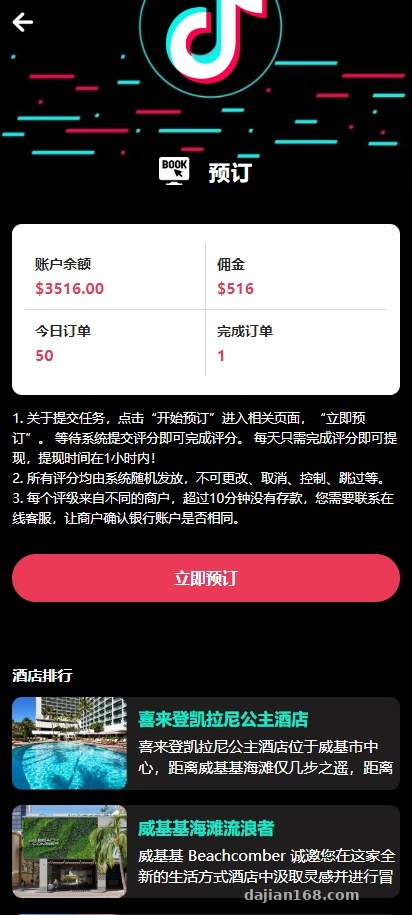
When a user submits a content request from the frontend, they can leave a star rating afterward. The feature looks small, but the logic underneath is non-trivial—the rating is submitted via Ajax, the star score is bound to the user ID, and the rating data is written back into the corresponding pipeline stage. The code includes a guard against duplicate submissions, so the same user can only rate a given pipeline stage once.
Suitable Project Scenarios
Looking at the technical architecture of this source code, it fits these kinds of business directions reasonably well:
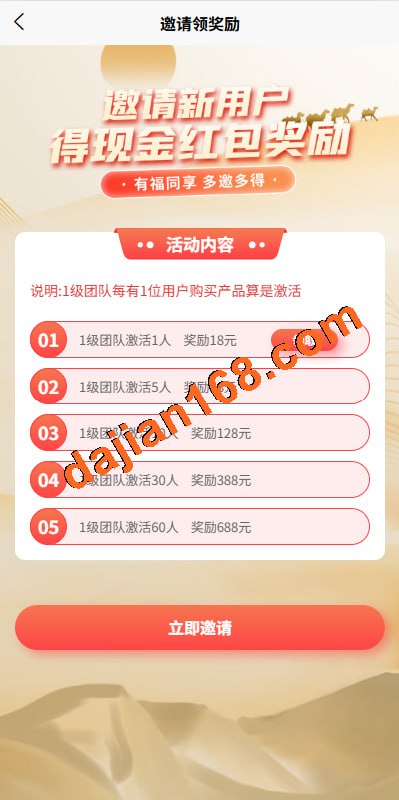
- E-commerce campaign workflows (daily check-in, referral, content review campaigns)
- Internal corporate approval flows (multi-level review pipelines)
- Marketing activity queue processing (reward eligibility, point redemption queues)
- Base framework for a multi-language SaaS platform
If you’re building a compliant pipeline-driven demo project, this source code can be repurposed by adjusting the business logic. However, please do not wire it up to non-compliant referral schemes or artificial traffic manipulation systems. The source code is a technical tool—where it ends up depends entirely on the business party.
Frequently Asked Questions
Q: What PHP version does the ThinkPHP backend require?
A: PHP 7.4 or 8.0 is recommended. PHP 7.2 will run, but some extensions are not fully supported. MySQL 5.7 or 8.0 both work. Redis 5.0 or above is required—older versions will cause queue consumer lag.
Q: Which platforms can the UniApp frontend target?
A: H5, WeChat Mini Program, Android APP, and iOS APP are all supported. For Android, configure the signing certificate inside HBuilderX. For iOS, you’ll need an Apple Developer account. The H5 build drops straight onto a server, and desktop browsers adapt to the width automatically.
Q: How many pipeline stages can the workflow queue handle?
A: I stress-tested 20 stages without issues. The actual ceiling depends on your Redis configuration and server capacity. The queue runs as a resident process in the source code, so dozens of stages on a single chain work fine. For hundreds of stages, I’d recommend adding a dedicated message broker.
Q: How do I add a new language to the multi-language files?
A: Open the frontend i18n directory, copy an existing JSON file such as zh-CN.json, rename it (e.g., th-TH.json), then translate the values into the target language. No code changes in the components are needed.
Disclaimer: This article is provided for technical demonstration and educational purposes only. The source code is intended for learning and lawful business use. Please comply with all applicable laws and regulations. Any illegal or non-compliant use is strictly prohibited.
Disclaimer: This article is for technical education and demonstration only. It is not professional or financial advice. Any real-world deployment must comply with applicable laws and regulations.
#Content Distribution Platform #ThinkPHP Tutorial #UniApp Development #Queue Scheduling #Open Source Project
-
 Alipay QR Code Scan
-
 WeChat Scan Pay