Building a Multi-Task Distribution System: Queue Control + Multi-Language Deployment
Building a Multi-Task Distribution System: Queue Control + Multi-Language Deployment
Disclaimer: This article is for technical education and demonstration only. It is not professional or financial advice. Any real-world deployment must comply with applicable laws and regulations.
I recently helped a client running overseas operations deploy a multi-language task distribution system. It took about three or four days of tweaking before everything ran smoothly. I’m documenting the whole process here for other webmasters who want to build a similar system.
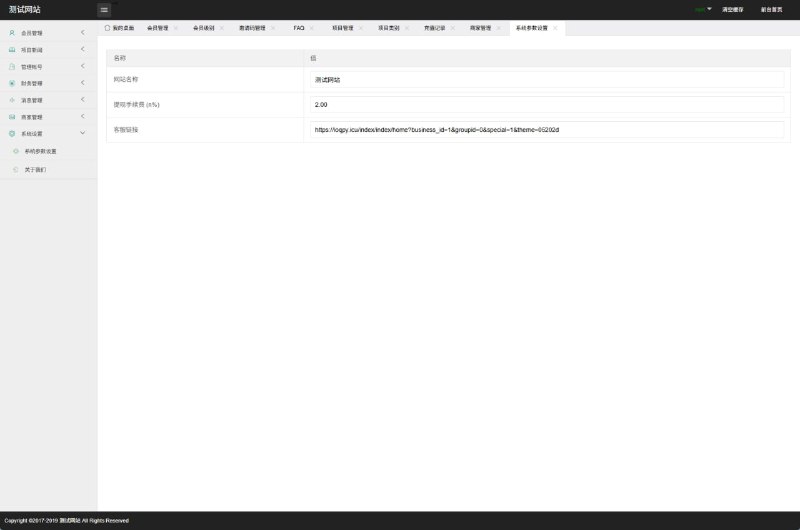
The core of this system is task chain queue control, with a multi-language frontend and the ability to customize commission rates from the admin panel. I also added a real-name authentication module. The overall architecture is clean and leaves plenty of room for further development.
Feature Walkthrough
Let me start with a few core features and my experience using them.
Task Chain Queue Control
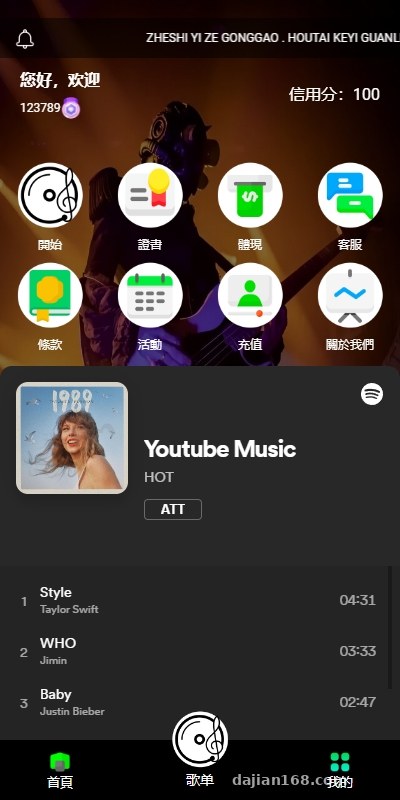
This is the most interesting part of the system. The task chain supports custom configuration — you can set execution order, dependencies, timeout values, and more. For the queue itself, Redis is used as the task queue backend, and the performance is solid. Under load testing, a single node handled several thousand QPS for task scheduling without breaking a sweat.
The admin panel lets you monitor queue status in real time. You can see task backlogs, in-progress items, and completed tasks at a glance.
The core logic behind queue control is task prioritization. High-priority tasks enter the queue first, while lower-priority ones wait their turn. This design is genuinely useful for real-world scenarios — some tasks need immediate attention, while others can be batch-processed.
Multi-Language Support
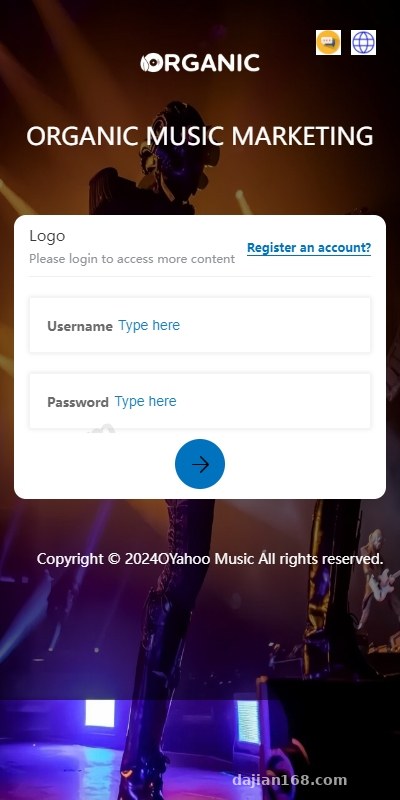
The frontend supports language switching. During deployment, I tested English, Spanish, and Arabic. The language files are stored in the database, so you can edit translations directly from the admin panel without touching any code.
Language detection works automatically based on the user’s IP address, but users can also switch manually. For webmasters targeting international audiences, this is a huge time-saver — no need to deploy a separate frontend for each language.

Real-Name Authentication Module
The real-name authentication integrates with a third-party API and supports various ID types, including national ID cards and passports. The admin panel lets you configure review rules — you can set it to auto-approve or require manual review.
All authentication data is encrypted at rest, so sensitive information is never stored in plain text. This is a solid approach from a compliance standpoint.
Custom Commission Configuration
From the admin panel, you can configure commission rates across multiple dimensions — task type, user tier, region, and more. Commissions are calculated and settled automatically once a task is completed, with support for T+1 or real-time settlement depending on your setup.
The commission reporting is quite detailed as well. You can generate reports by day, week, or month and export them directly to Excel from the backend.
Deployment Notes
There are a few things to pay close attention to during deployment.
Server Environment
Recommended specs: 8 cores, 16GB RAM, SSD storage, and at least 5 Mbps bandwidth. PHP 8.0 or above, and MySQL 5.7 or 8.0 both work fine. Redis is mandatory since the task queue depends on it.
If you’re deploying overseas, I’d suggest choosing servers in Singapore or European/US nodes to keep latency low.
Payment Gateway Integration
The system supports multiple payment interfaces. During my deployment, I connected a third-party payment gateway. The payment callback logic needs careful testing — otherwise you’ll run into order status sync issues.
My advice: get the payment flow working smoothly in a staging environment before pushing anything to production.
Admin Panel Configuration
The admin panel is fairly comprehensive. You can manage tasks, users, commission settings, and real-name authentication reviews all from one place. On first deployment, I’d recommend clearing the default data and reconfiguring everything from scratch to avoid test data interfering with live operations.
Deployment tip: The queue control feature depends on Redis persistence. Make sure RDB snapshots are enabled, or you’ll lose all queued task data after a server restart.
Who Is This For?
This system is a good fit for:
Webmasters running overseas task distribution platforms who need multi-language support and task chain control.
Development teams with technical capability who want to build on top of this system for additional use cases.
Platform operators who need real-name authentication and commission settlement built in.
Overall, the technical architecture is mature and the feature set is comprehensive. It’s well-suited for webmasters who already have some technical foundation.

Frequently Asked Questions
Q: Does the system support custom task types?
A: Yes. You can define custom task types from the admin panel, setting parameters like task name, description, commission rate, and execution conditions.
Q: What should I do if multi-language switching isn’t working?
A: First, check whether the language pack is complete. Then regenerate the language cache from the admin panel. If a particular translation is missing, the system will fall back to the default language.
Q: Do I need to apply for the real-name authentication API myself?
A: Yes. The system provides the integration framework, but you’ll need to connect with a third-party authentication service provider directly.
Q: What if the task queue processing is too slow?
A: Check Redis performance and consider increasing the number of queue workers. For high concurrency, a clustered deployment may be necessary.
Q: Is there a delay in commission settlement?
A: The default is T+1 settlement. You can change this to real-time settlement in the admin panel, provided your payment gateway supports it.
Overall, this multi-language task distribution system is well-rounded and moderately complex to deploy. It’s a solid choice for technically inclined webmasters. When issues come up, consult the documentation and test thoroughly — most problems can be resolved that way. Please ensure all usage complies with applicable laws and regulations.
Disclaimer: This article is for technical education and demonstration only. It is not professional or financial advice. Any real-world deployment must comply with applicable laws and regulations.
#task distribution #multi-language deployment #queue control #real-name authentication #system setup
-
 Alipay QR Code Scan
-
 WeChat Scan Pay