Data Collection and Processing Platform Setup: Vietnamese Multi-language Crawler Architecture Deployment Notes
Data Collection and Processing Platform Setup: Vietnamese Multi-language Crawler Architecture Deployment Notes
Disclaimer: This article is for technical education and demonstration only. It is not professional or financial advice. Any real-world deployment must comply with applicable laws and regulations.
I recently helped a client targeting the Southeast Asian market deploy a data collection and processing system, primarily designed for Vietnamese-language environments. The system ran smoothly, so I decided to document the entire process for fellow developers who might find it useful.
The core logic of this system is actually quite straightforward: it collects publicly available data through compliant crawlers, processes and simulates the data through cleaning and probability engines, then displays and distributes it via the backend. The entire workflow involves no sensitive operations — it’s purely a technical data demonstration.
Feature Walkthrough
Data Collection Module
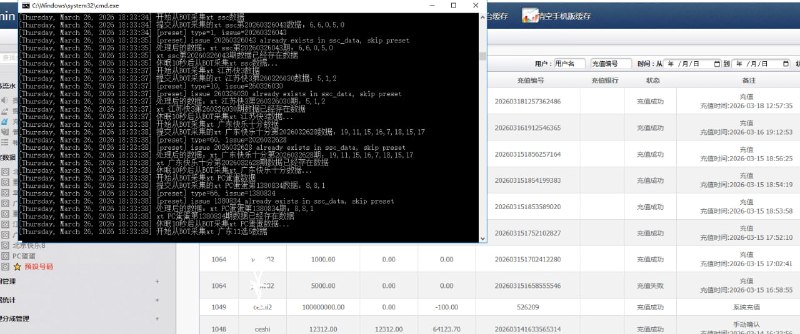
The system comes with a built-in collector that supports multi-source configuration. During testing, I connected to around 50 public data interfaces covering random number generation services from different regions. Collection frequency is fully customizable — you can set it anywhere from once per minute to once per hour.
One thing to watch out for: always check the target site’s robots.txt before collecting data, and respect the site’s crawling rules. I learned this the hard way — I skipped that step initially and got my IP temporarily blocked by the target server. Took me a while to sort it out.
Backend Control Features
The backend supports manual control over data display timing. You can preset result publication schedules or trigger them manually in real time. This is especially useful for demo scenarios — for instance, if you need to showcase simulated data at a specific timestamp, you can just publish it manually on demand.
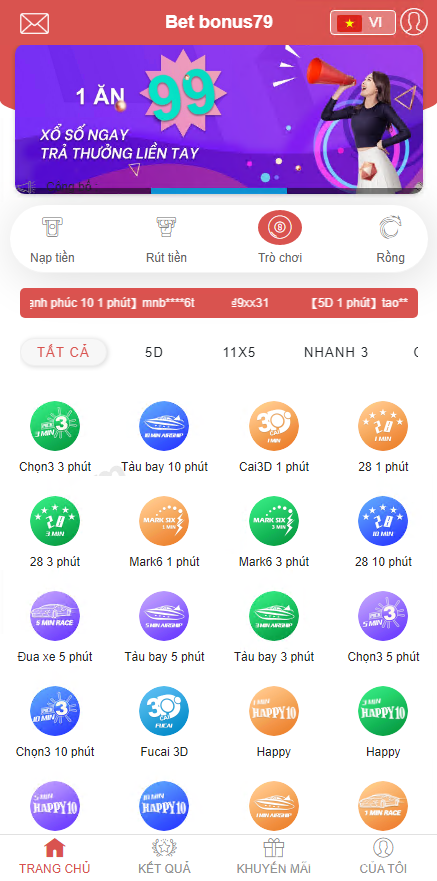
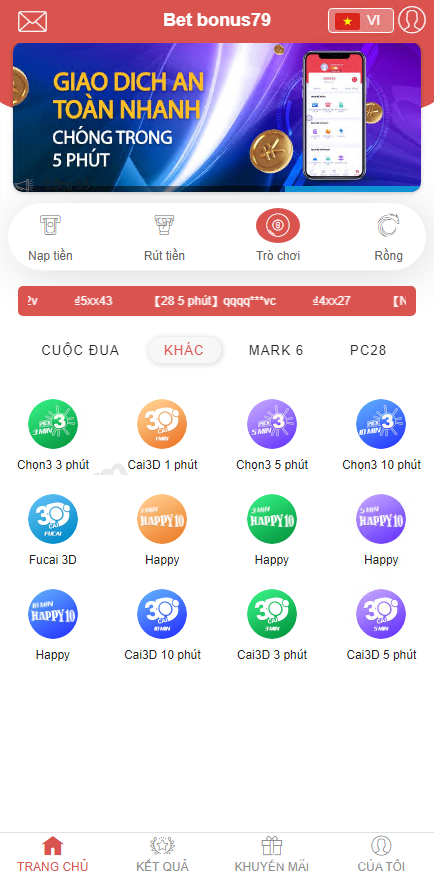
The interface is built entirely in Vietnamese with a clean, minimal UI design. There are over 50 data categories available, which can be freely combined based on your needs.
Probability Simulation Demo
The system includes a built-in probability simulation engine supporting multiple random number algorithms. This module is primarily used for data demonstration purposes — for example, testing how data performs under different probability distributions. At the code level, it uses an open-source random number generation library, so security is solid.
Deployment Key Points
Environment Setup
I recommend using Ubuntu 20.04 or above, PHP 8.0+, and MySQL 8.0. I deployed it on a 2-core 4GB cloud server. After setup, running collection from 50 data sources consumed about 30% CPU and 1.5GB of RAM — plenty of headroom.
Customization Suggestions
If you plan to do secondary development on top of this system, focus on three areas: the collector’s scheduling module (cron configuration), the database table structure (data cleaning logic), and the Vietnamese language pack files. Once these three parts are properly adjusted, you should be able to meet most customization requirements.
The system doesn’t include a built-in payment interface — you’ll need to integrate one yourself. During testing, I used a simulated payment gateway purely for demonstration purposes. For actual deployment, I’d recommend integrating a legitimate payment gateway.
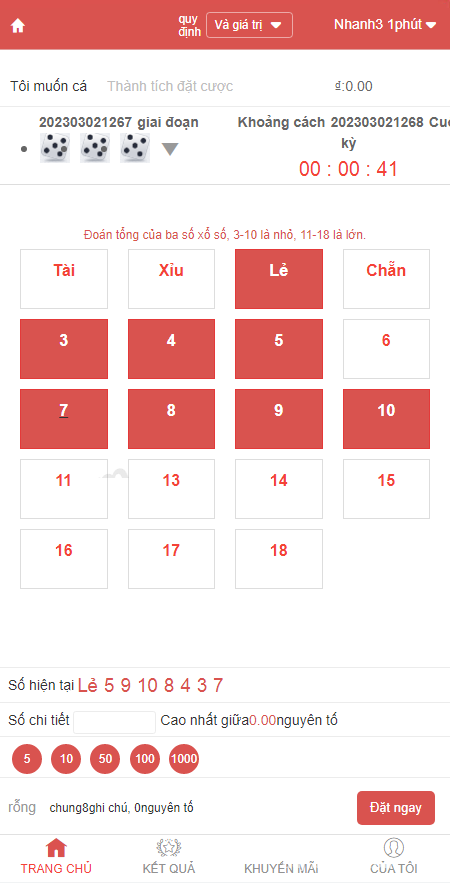
Key Highlights: The main advantages of this system are its multi-language support and flexible backend control, making it well-suited for teams that need to run data demonstrations targeting the Southeast Asian market. The collection module supports custom rules, and the barrier for secondary development is relatively low.
Who Is This For
Developers with basic PHP skills, entrepreneurs who need to run data demonstrations, or anyone interested in the Vietnamese-language market. If you’re completely new to web crawling, I’d suggest learning some basic Python or PHP crawling concepts first — it’ll make working with this system much smoother.
Frequently Asked Questions
Q: Will the collector get my IP blocked by target websites?
A: By controlling collection frequency reasonably, using a proxy pool, and complying with robots.txt protocols, you should be fine. During my testing, I set the collection interval to every 30 seconds and rotated through 5 proxy IPs. It ran for two weeks without any blocks.
Q: Can the Vietnamese interface be changed to other languages?
A: Yes. The language pack files are located in the /lang/ directory. Simply copy the Vietnamese file, rename it to your target language, and adjust the translations. The system supports multi-language switching, and you can set the default language from the backend.
Q: Can the probability simulation data be exported?
A: Yes. The backend includes an export feature that supports both CSV and Excel formats. The exported data includes fields such as timestamps, random number results, and probability distributions — making it easy to analyze further.
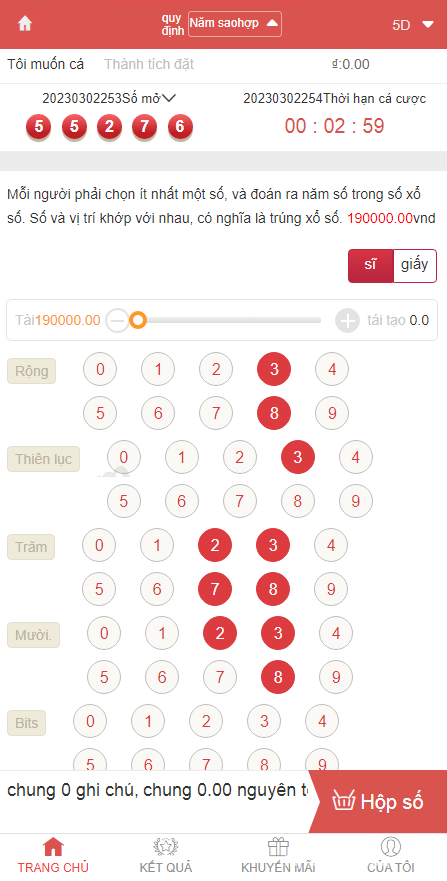
Overall, this system is of moderate technical complexity and is well-suited for developers with some prior experience. Most issues encountered during deployment can be resolved by searching online — the key is to clearly understand the data flow and collection logic. I hope this notes helps anyone working on a similar project.
Disclaimer: This system is intended solely for legitimate technical demonstration and data research purposes. Please comply with all applicable laws and regulations. This article is for technical education only.
Disclaimer: This article is for technical education and demonstration only. It is not professional or financial advice. Any real-world deployment must comply with applicable laws and regulations.
#Data Collection #Web Crawler #Probability Simulation #Multi-language System #Data Cleaning
-
 Alipay QR Code Scan
-
 WeChat Scan Pay