H5 JoyClub Room-Ticket Card Table System Setup: A Desktop Simulation Game Deployment Log
H5 JoyClub Room-Ticket Card Table System Setup: A Desktop Simulation Game Deployment Log
Disclaimer: This article is for technical education and demonstration only. It is not professional or financial advice. Any real-world deployment must comply with applicable laws and regulations.
I recently helped a client deploy a room-ticket card table system built on the H5 JoyClub second-development framework. The client runs a physical board game lounge and wanted to take it online, with card simulation modes like Niu Niu, Golden Flower, and Thirteen Water so members could practice and arrange sessions online. It took a bit over two days, and I’m writing down the whole process and the pitfalls I hit to save some time for anyone deploying this later.
Feature Testing: What’s Actually in This Source Code
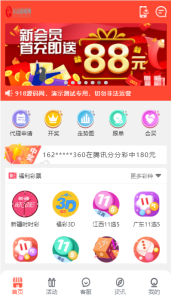
Short version: the feature set is more complete than I expected. The whole thing is H5-based, so it opens directly in WeChat with no app download required, which is friendly for promotion.
Game Module List
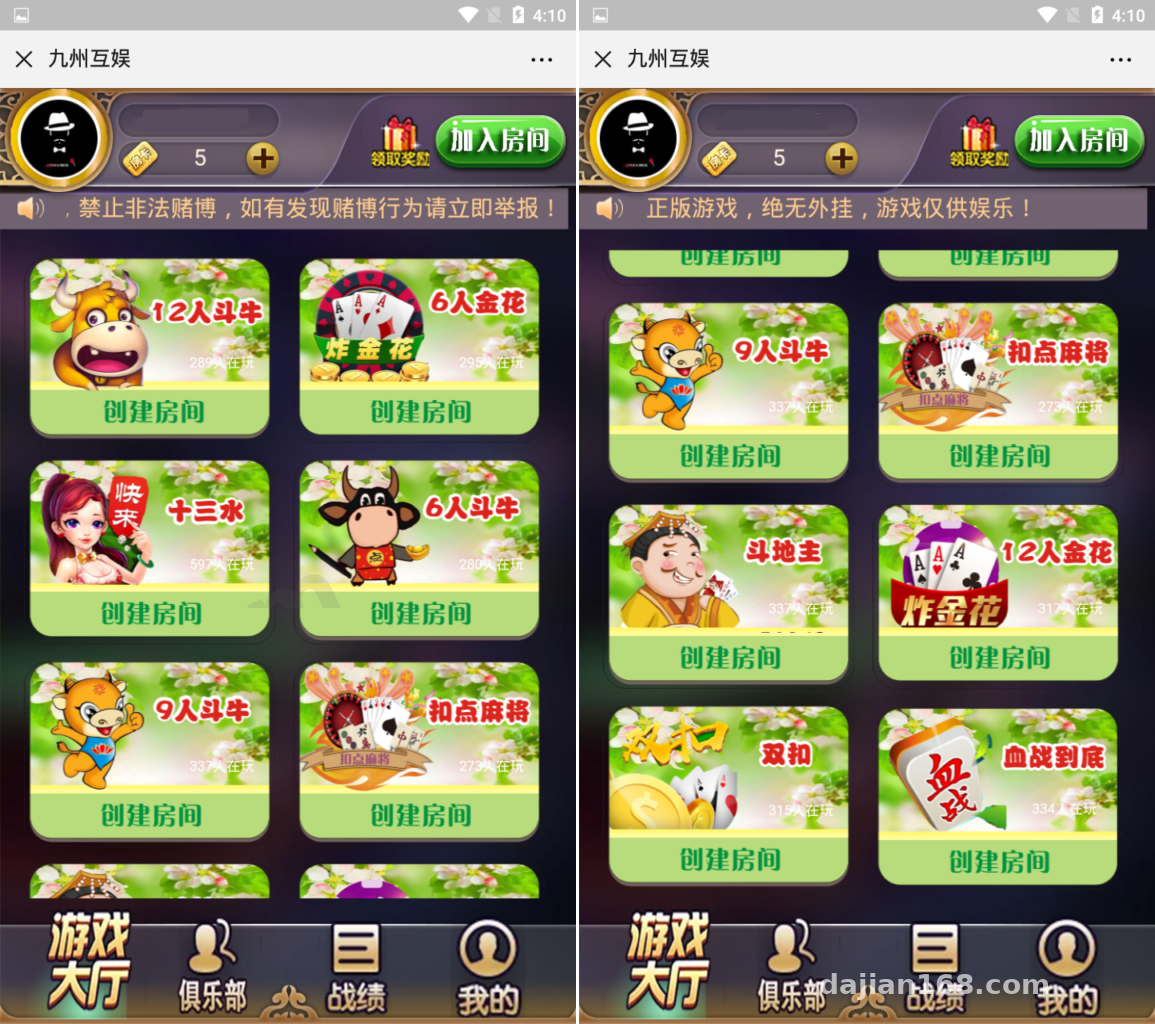
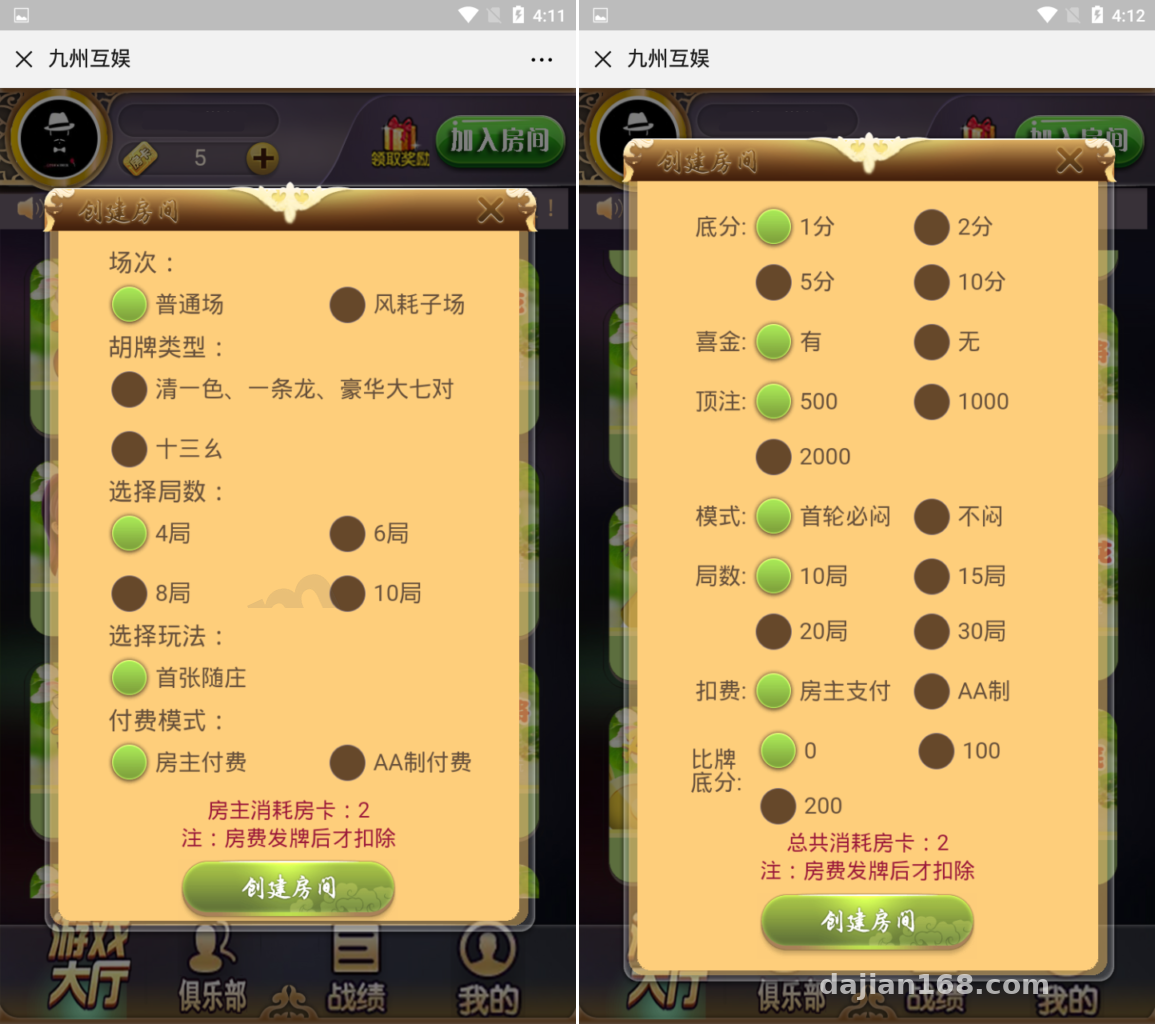
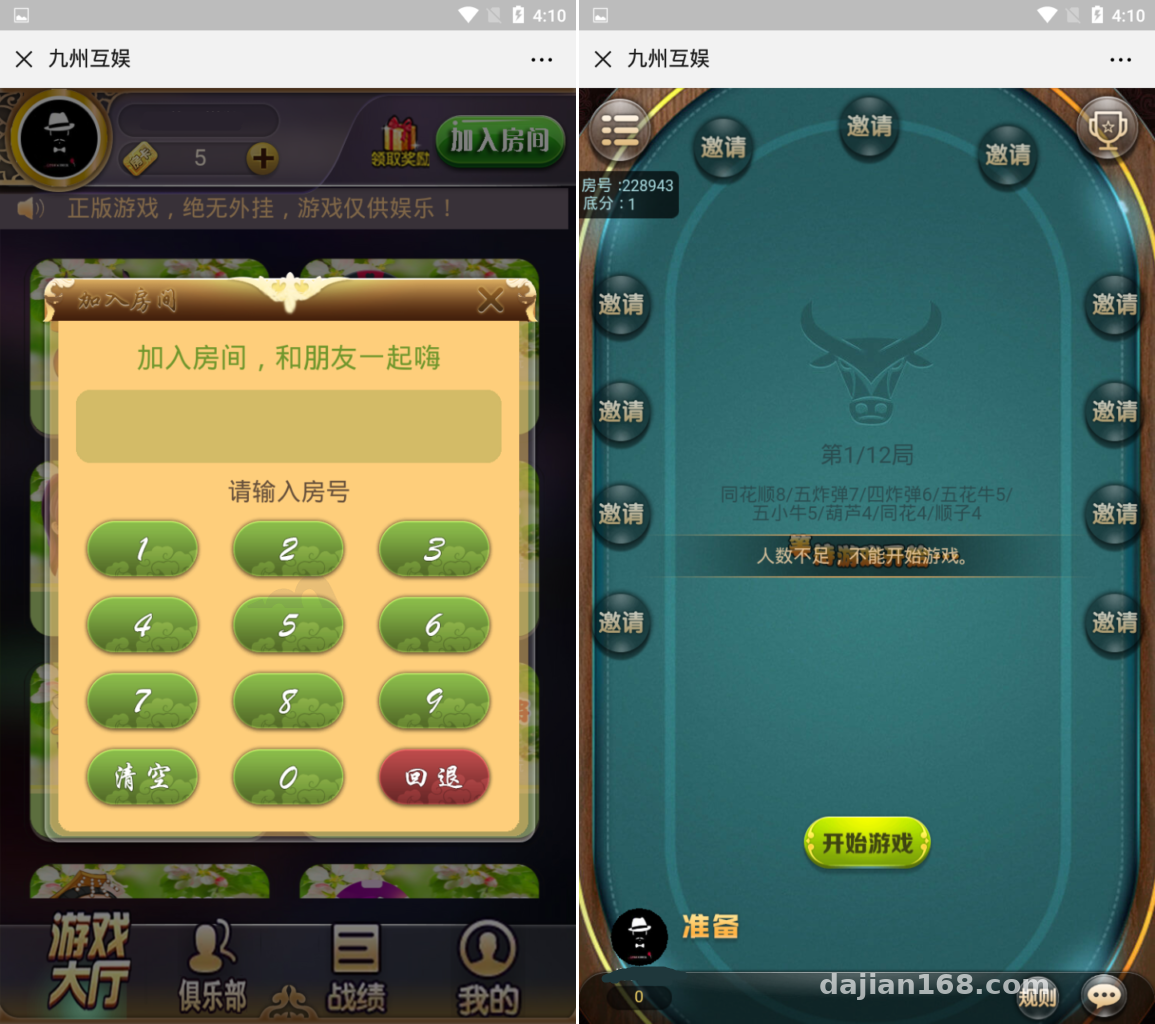
The modes that worked in my testing: Niu Niu, Golden Flower, card simulation simulation, point-deduction card simulation, battle-style card simulation, Shuangkou, and Thirteen Water. Seven modules in total, each running as an independent room opened with a room ticket. The host creates a room, shares the room number in a group chat, and friends enter by typing the number — the same room-ticket flow you see in mainstream systems.
Admin Panel Experience
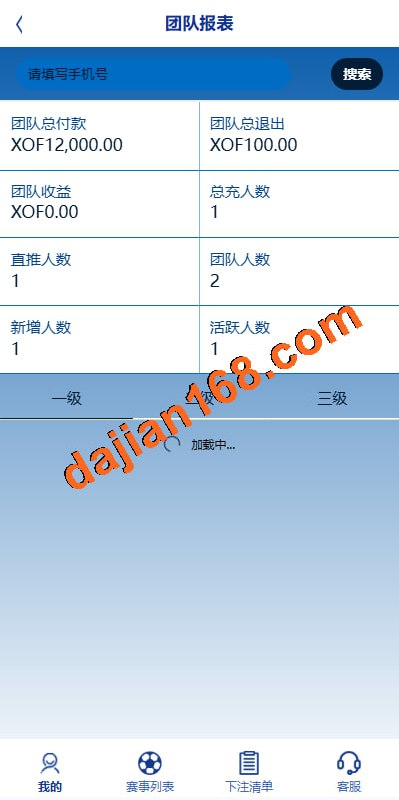
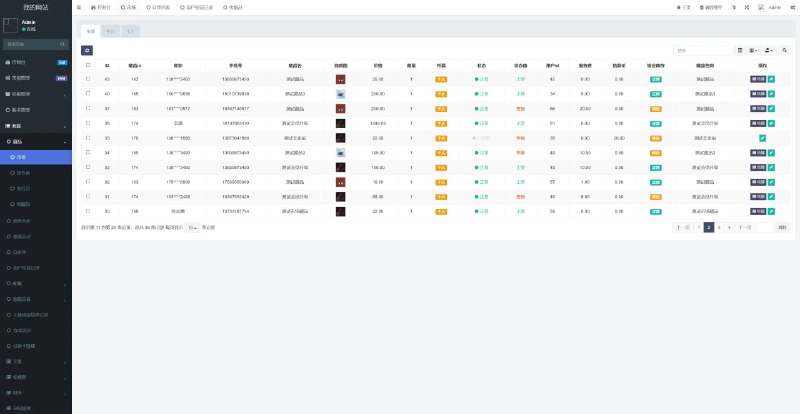
The admin entry is at admin. After logging in you get member management, room records, game data statistics, and ticket generation/consumption modules. What the client cared about most was the parameter configuration: the source code supports win-rate parameter adjustment and card-face demo configuration. In my testing, changes take effect for newly created rooms after saving, but rooms already open are unaffected — keep that in mind, and don’t sit around waiting in an old room during testing.
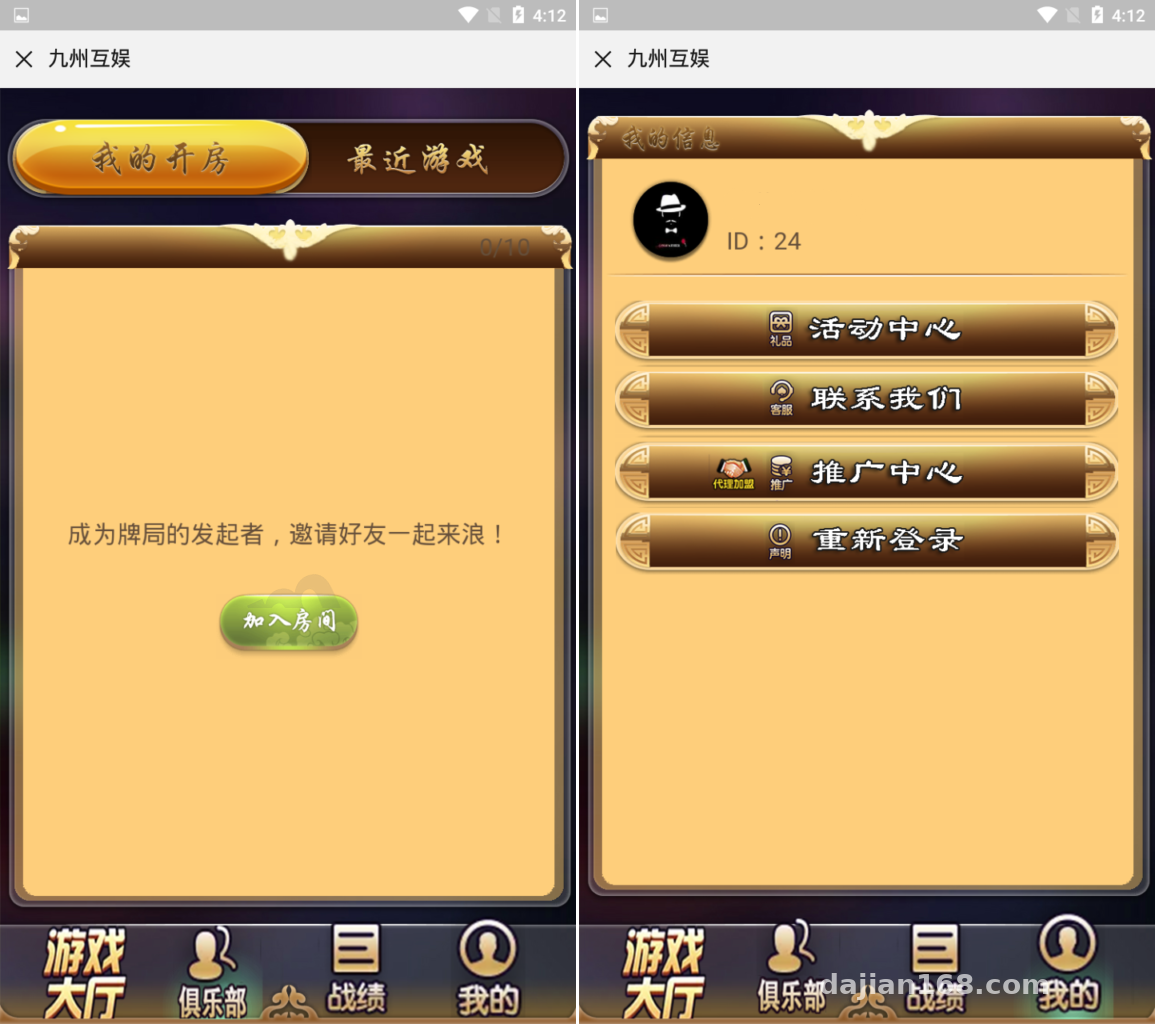
Highlight: the room-ticket system here is well built. Agents can generate ticket codes in tiers, and combined with the consumption statistics in the admin panel, it suits board game lounges and simulation rooms for member operations and distribution management.
Deployment Essentials: Environment Setup and Pitfall Log
My environment: CentOS 7.9 + Nginx + PHP 7.2 + MySQL 5.6. Redis is mandatory — all game state is cached in Redis. WebSocket runs on workerman; remember to open the ports. On my first attempt I forgot the firewall rule and the frontend just spun forever without entering the room.
A Few Key Steps
1. After importing the database, check the character set first — it must be utf8mb4, or player nicknames with emoji will throw errors. I learned this the hard way.
2. The API address in the frontend config file needs to point to your own domain, and remember to configure the authorized domain on the WeChat side.
3. The payment interface has a reserved WeChat Pay integration reel simulation; ticket purchases go through a standard payment callback flow. When doing second development, just follow the existing controller structure — the code comments are reasonably clear.
Also, don’t skimp on the server. 2 cores and 4GB RAM handles about ten concurrent rooms fine; if you open more, remember to raise Redis’s maxmemory.
Second Development and Multi-Language: Cost Assessment
The client later wanted their own brand logo and custom gameplay values, so I assessed the modification cost. The frontend is H5 + JS, so re-skinning is simple — just swap the style files and asset directories. The backend game logic is concentrated in a few core classes; adjusting card rules, room player limits, or ticket consumption all has corresponding config options, so no major framework changes are needed.
For multi-language, the source code is Chinese-only. If you want an overseas version, the copy is all in language pack files — extract the keys and translate. The workload isn’t big, but testing needs care, especially the in-game prompt messages.
Who Should Deploy This System
My advice: three groups. First, owners of physical board game lounges or simulation rooms going online — the room-ticket model naturally fits member management. Second, community operations teams using room-based sharing to drive activity. Third, technicians with some PHP background who want a second-development practice project — the code structure is clean and good for studying room-ticket system architecture.
If you have zero technical background, find someone experienced to help with deployment. Environment setup and WeChat authorization aren’t beginner-friendly.
FAQ
Q: What server specs are needed?
A: Minimum 2 cores / 4GB RAM, bandwidth of 5M or higher recommended. Redis and workerman are required components, and PHP should stay at 7.4 or below — higher versions have extension compatibility issues.
Q: What are the win-rate parameters and demo display features in the admin panel for?
A: They’re configuration options for demonstration and teaching purposes, such as simulating card faces during staff training or gameplay walkthroughs. A reminder: any parameter adjustment must comply with applicable laws and regulations, and is limited to technical demonstration and legitimate business scenarios only.
Q: Can I integrate my own payment channel?
A: Yes. The source code reserves a standard payment callback interface — just replace it with your own merchant parameters. Make sure the callback URL is reachable from the public internet and that signature verification is properly implemented.
Q: How’s the mobile compatibility?
A: The H5 pages were tested in both WeChat and browsers, on Android and iOS without issues. On older devices, avoid loading too many effect assets.
Overall, this source code is fairly polished — the room-ticket system, admin statistics, and multi-mode modules are all ready out of the box, with plenty of room for second development. If you run into issues during deployment, feel free to ask in the comments; I reply to everything I see.
Disclaimer: This article is for technical education and demonstration only. It is not professional or financial advice. Any real-world deployment must comply with applicable laws and regulations.
#H5 Source Code Setup #Room-Ticket System #Board Game Simulation #Deployment Log #Second Development
-
 Alipay QR Code Scan
-
 WeChat Scan Pay

![🖼 2026 [WeChat Transfer] [WeChat Red Packet] WeChat Merchant Transfer System, WeChat Card Sharing](https://xz.dajian168.com/wp-content/uploads/2026/09/telegram-img-2026-09-10-6aa2896558813.jpg)