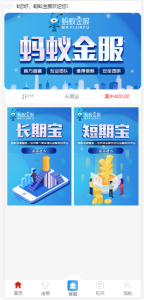
Complete Multilingual Crypto Exchange Deployment Guide: Futures, Options, Instant Contracts, Price Spike Control, and Subscription Features Explained
Complete Deployment Guide for a Multilingual Exchange System: Contracts, Options, Instant Contracts, Wick Control, and Token Subscriptions Explained
Honestly, when I deployed this multilingual exchange system for an overseas client last year, just mapping out the requirements took three days. The client needed instant contract support, wick control features, and the ability to adjust leverage ranges directly through the backend. At first, I wasn’t sure we could pull it off. After all, a financial trading system is nothing like an ordinary e-commerce platform—the stakes are much higher. But once it was up and running, I found that the Laravel-based architecture is highly scalable and that secondary development is considerably less difficult than I had imagined. Today, I’ll share the complete deployment process and every pitfall I encountered.
I. Overview of the System’s Core Features
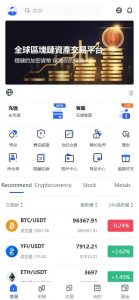
This is the fully open-source edition, with source code provided for both the frontend and backend. The frontend uses UniApp for mobile devices and Vue for desktop computers, while the backend is developed with Laravel. The overall architecture separates the frontend and backend.
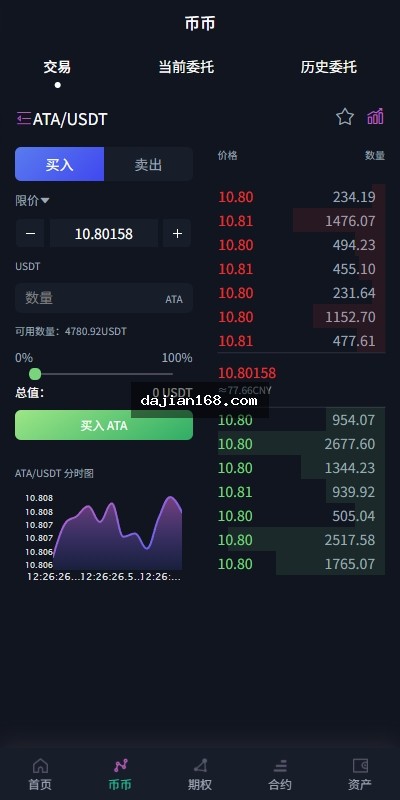
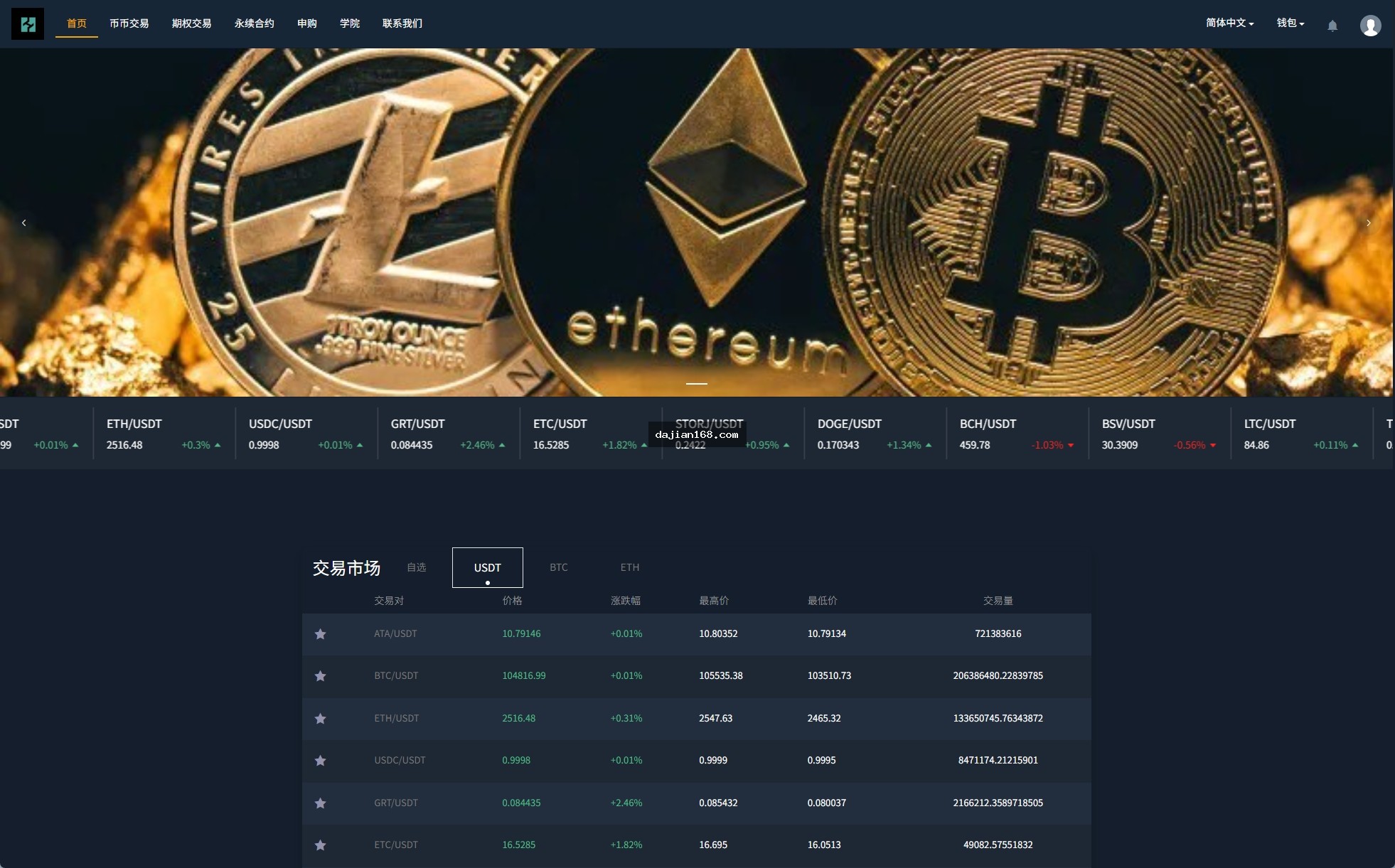
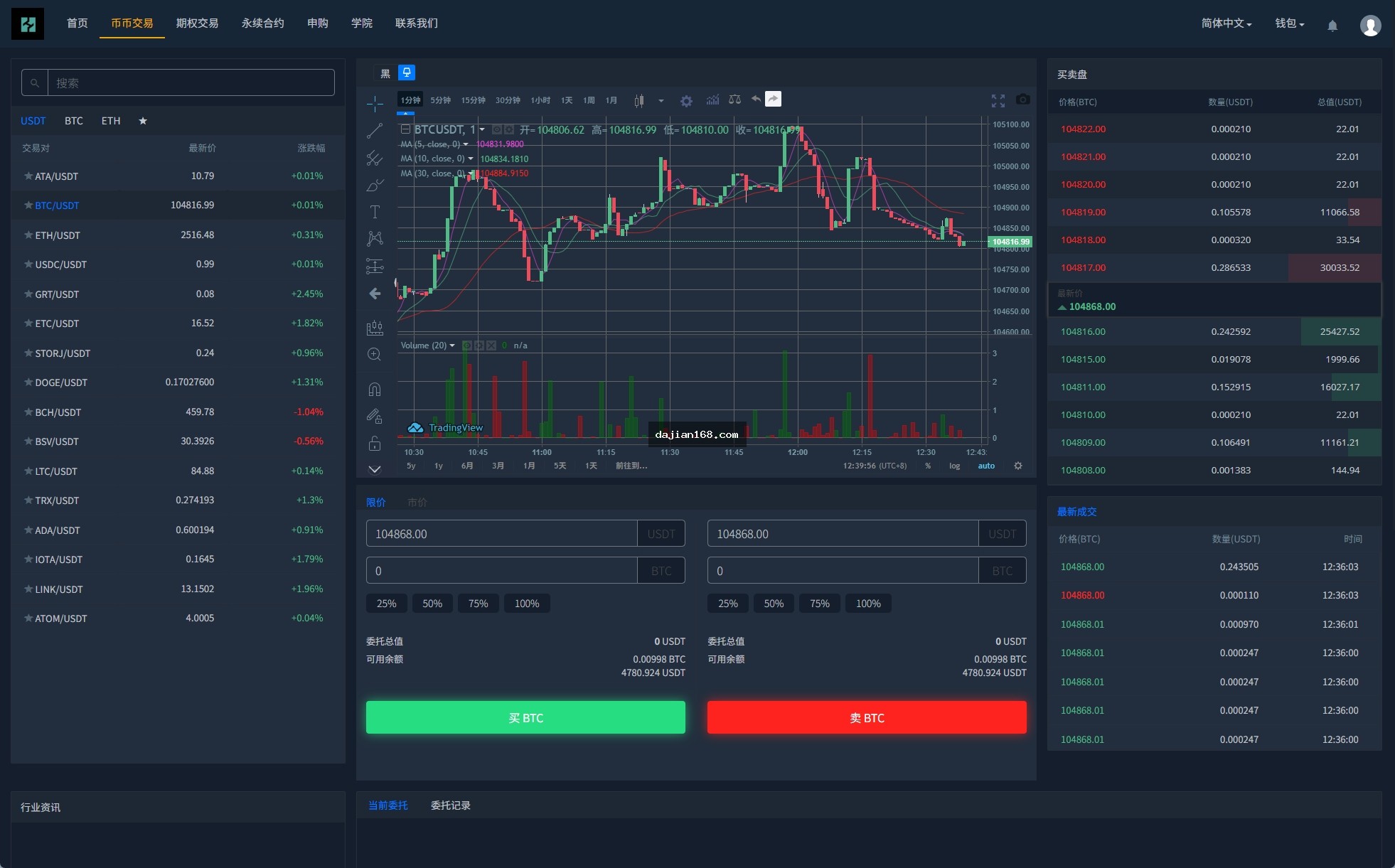
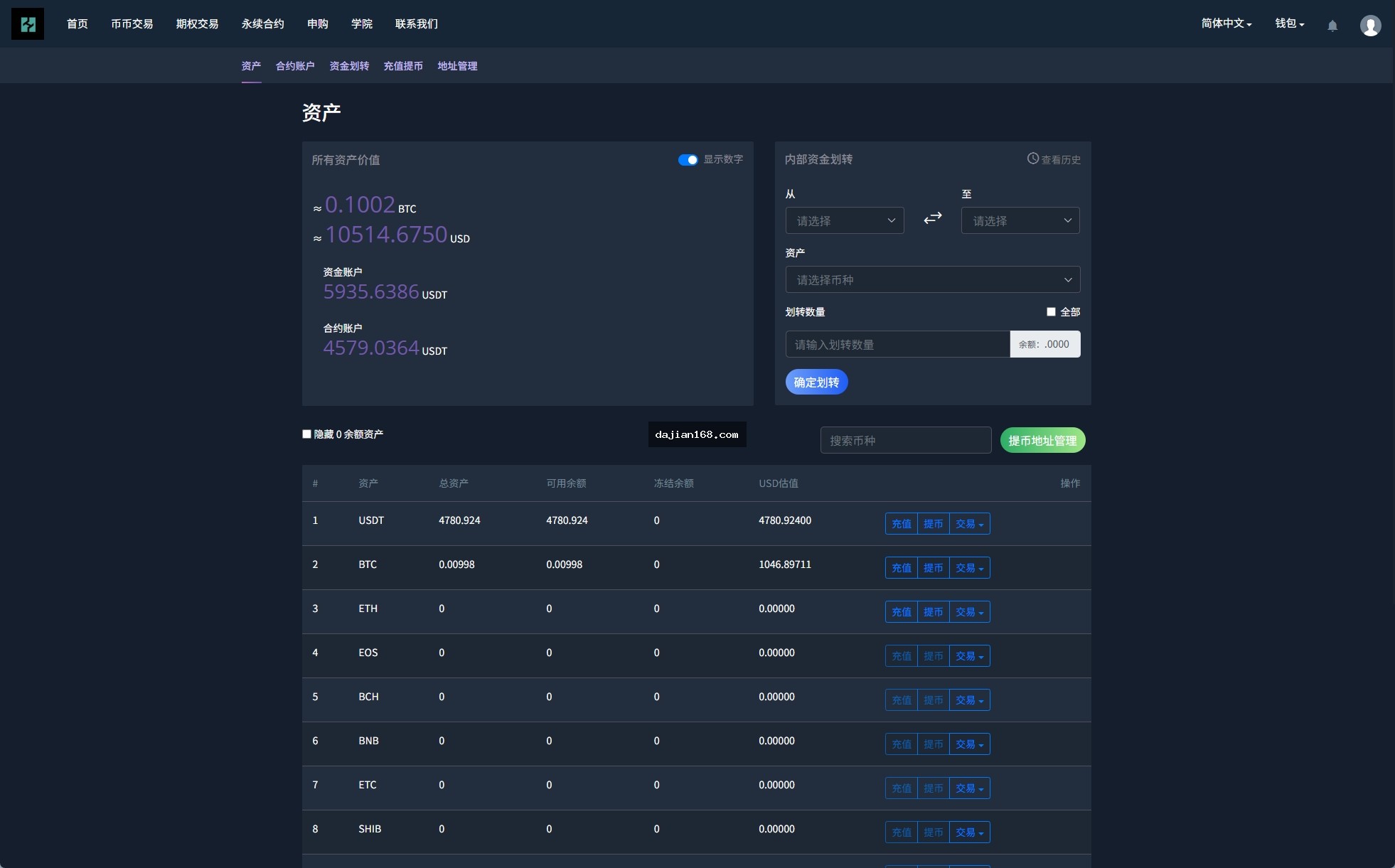
1. Spot Trading System
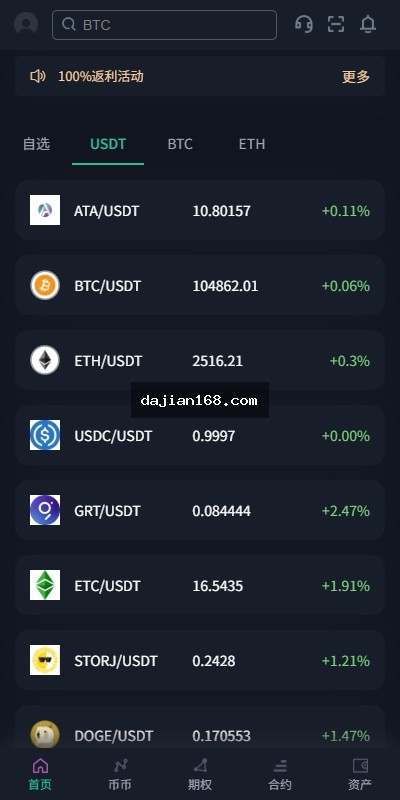
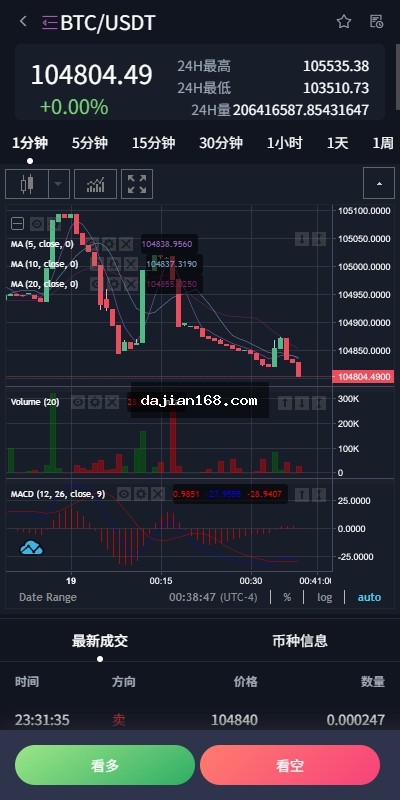
The basic spot-trading module supports multiple currency pairs, real-time market data feeds, and a trading depth chart. This module is the foundation of the entire exchange, with every advanced feature built on top of its trading engine.
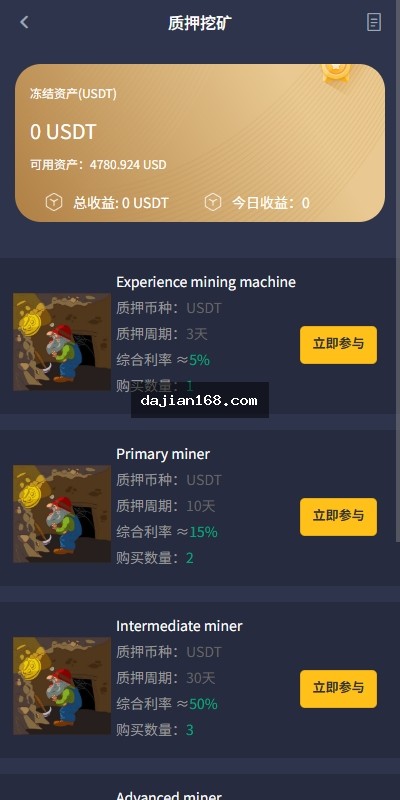
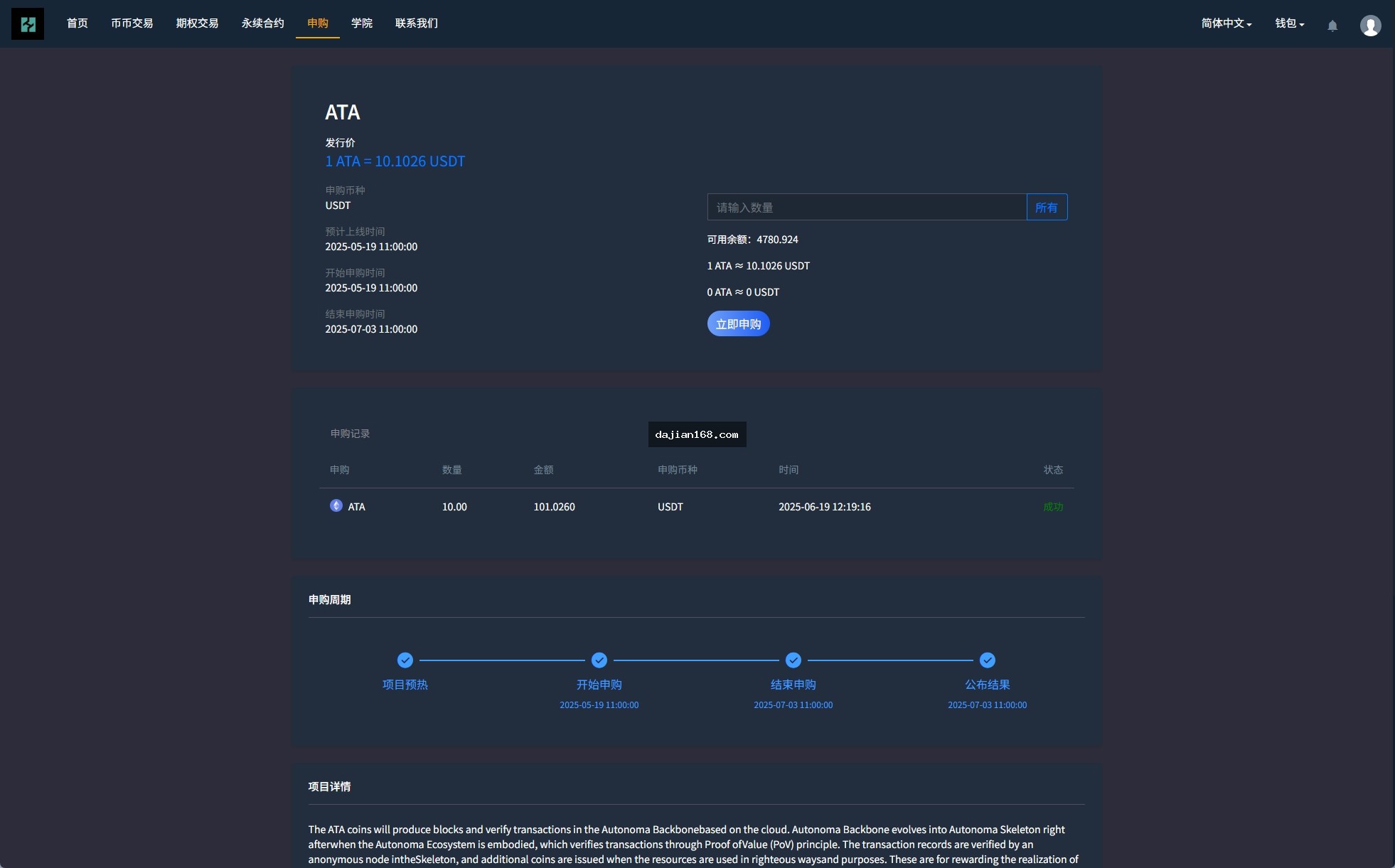
2. Mining Yield and New Token Subscriptions
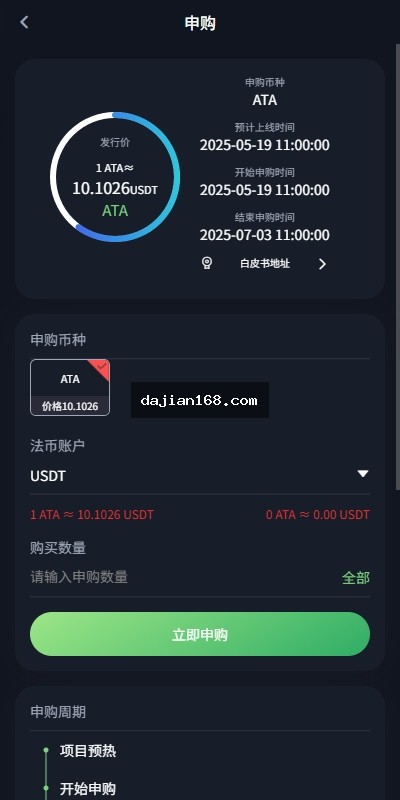
Users can stake assets to participate in mining and earn computing-power rewards. The system also supports subscriptions for newly issued tokens, allowing the platform to issue its own native token and users to participate in early token distribution through the subscription mechanism. This feature is especially useful for teams looking to build a complete token economy.
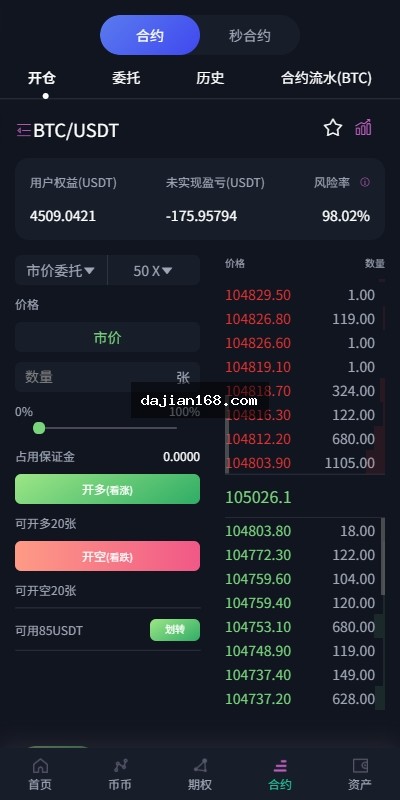
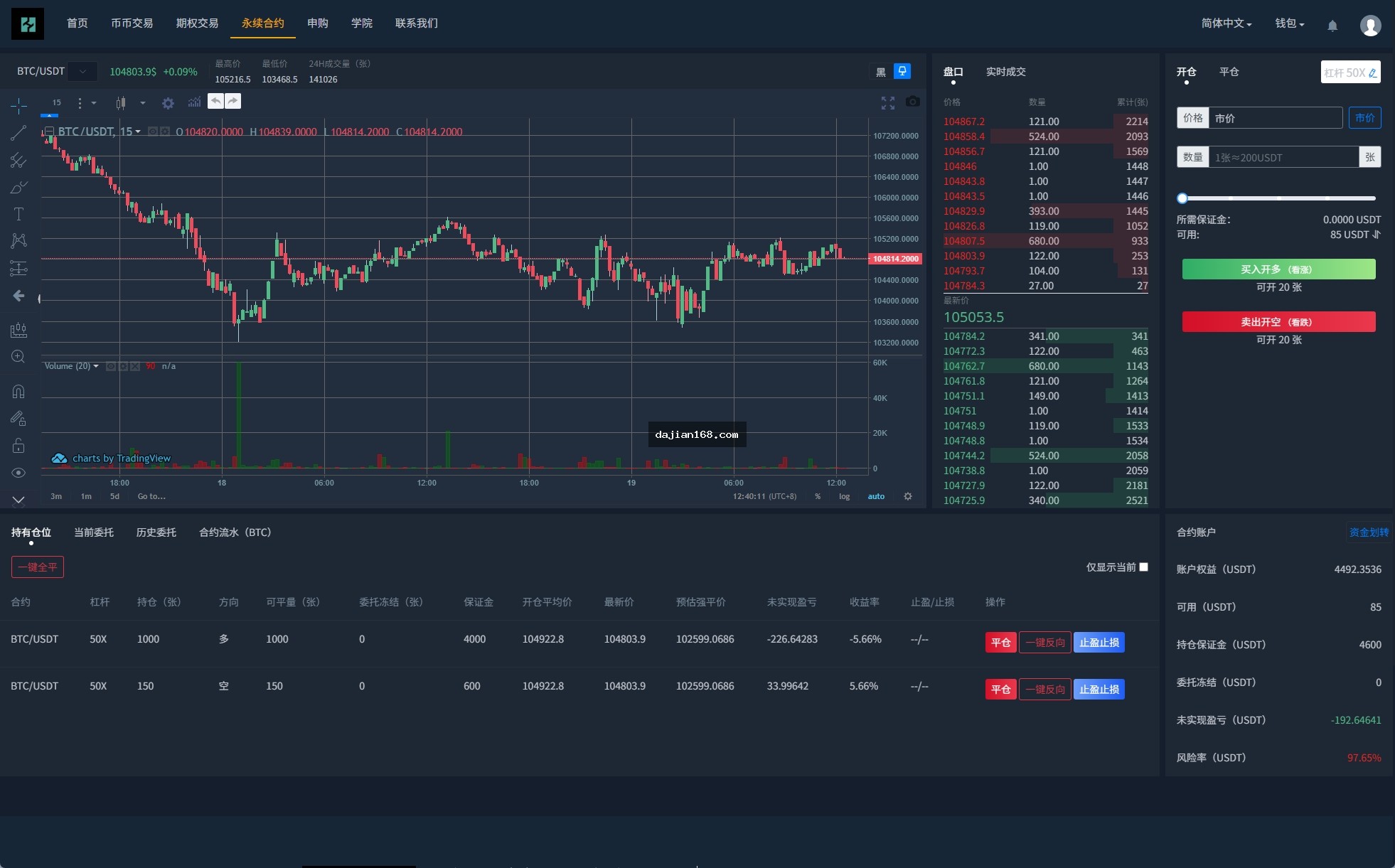
3. Leverage Contract Trading
The system supports leverage configurations of up to N×, allowing users to customize their leverage multipliers, while calculating liquidation prices and margin ratios in real time. The backend can precisely control the range within which contract leverage may fluctuate through the admin panel. This is crucial for teams that need to hedge risk or implement market-making strategies.
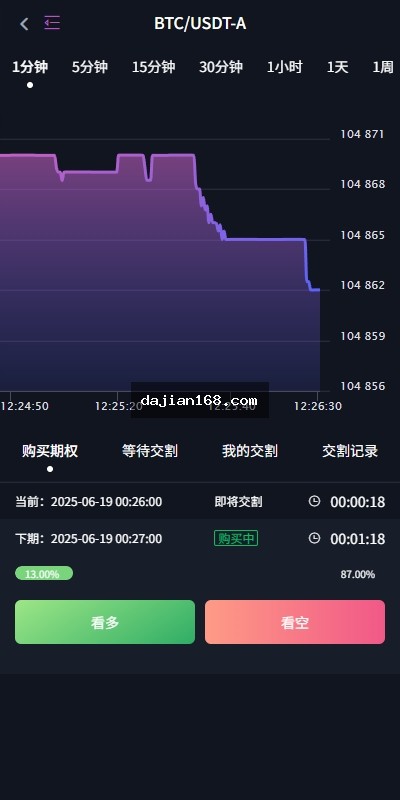
4. Instant Contract Trading
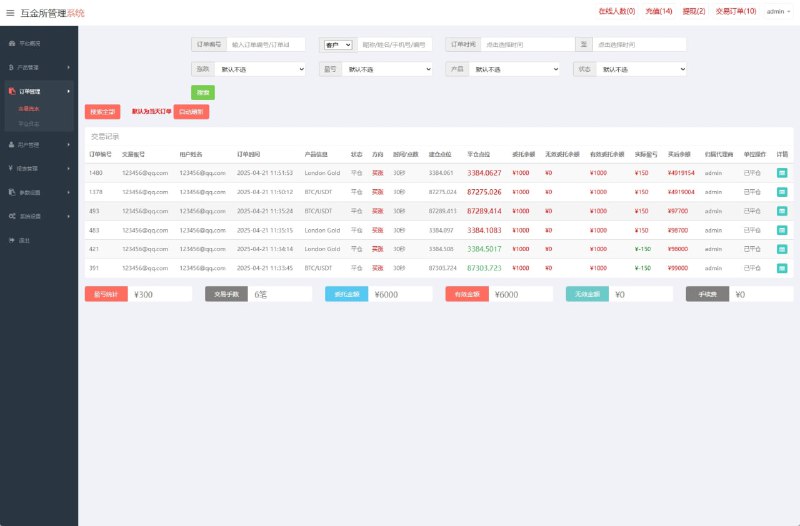
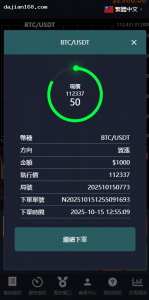
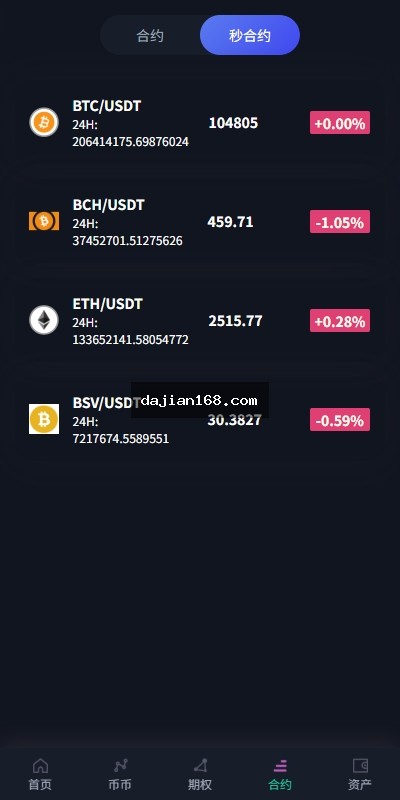
Instant contracts are the core selling point of this platform. Once a user opens a position, it is settled within seconds based on price fluctuations, with no need to wait for a traditional contract’s settlement cycle. The system supports per-contract controls, allowing parameters to be configured independently for a specific user or contract for maximum flexibility.
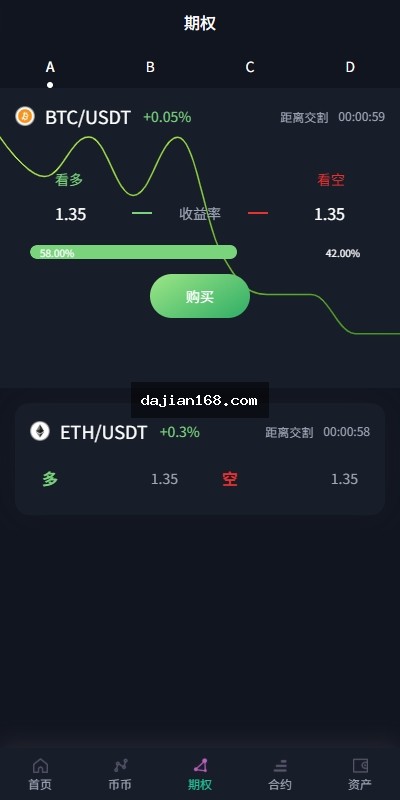
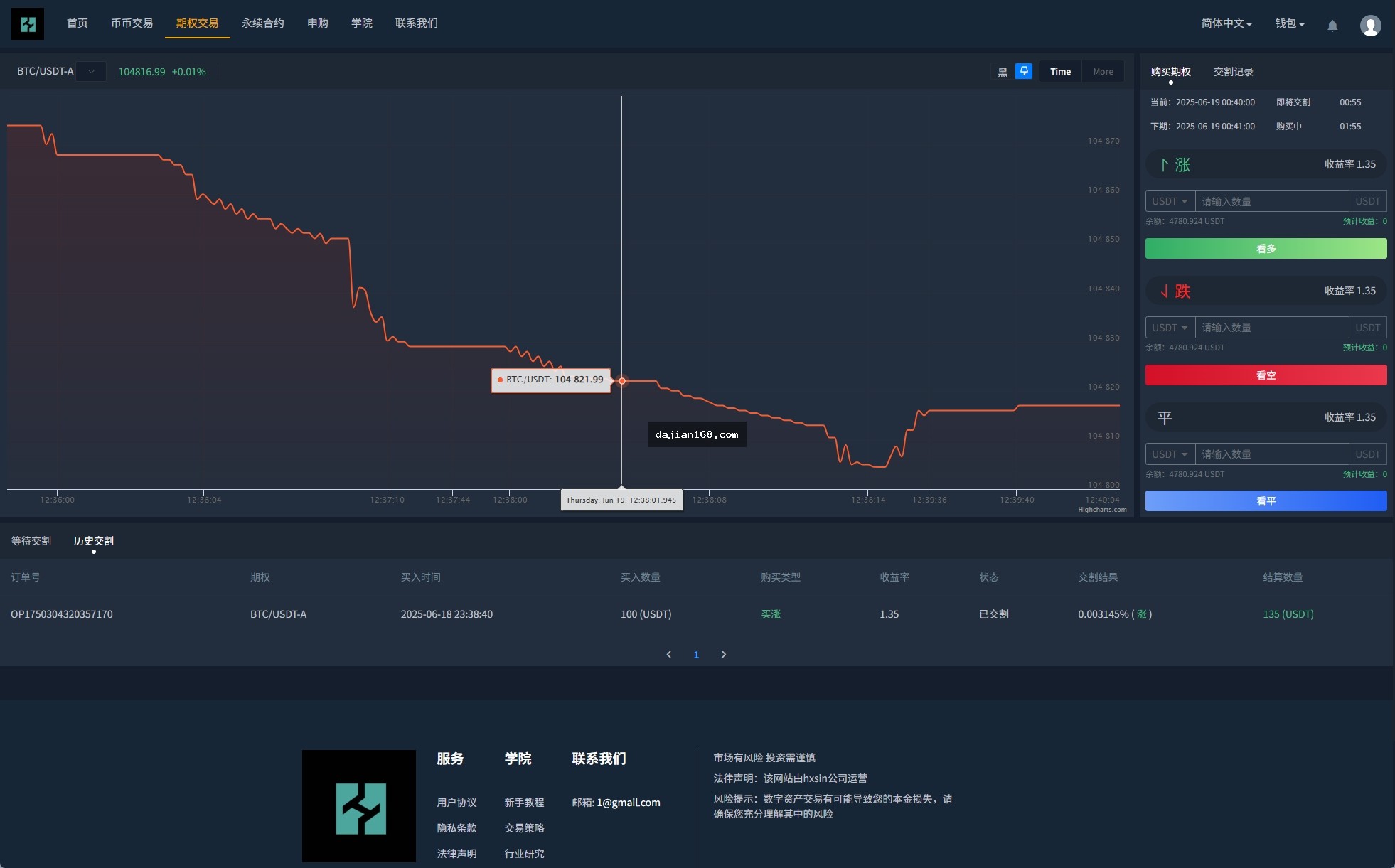
5. Options Trading
The complete options trading module supports both buying and selling options. Users can purchase call or put options, which are settled at the agreed price upon expiration. This module shares the same account system and unified risk controls as the contract trading system.
6. Platform Tokens and System Issuance
The platform can issue its own native token and supports multiple economic models, including vesting releases, dividend mechanisms, buybacks, and token burns. All token distribution records are traceable on-chain, and the backend provides complete control throughout the process.
II. Deployment Preparation and Considerations
Before you begin the deployment, make sure that the following environment configurations are in place, as running into problems halfway through the deployment can be a real hassle.
Server Environment Requirements
- CPU: At least 8 cores are recommended, especially for concurrent instant-contract workloads, which are CPU-intensive
- Memory: A minimum of 16GB is required; 32GB is recommended because real-time contract trading consumes significant memory
- Storage: A 100GB system disk, plus a data disk as needed; MySQL data should preferably be mounted on a separate SSD
- Bandwidth: For customers in mainland China, Alibaba Cloud or Tencent Cloud International is recommended; for overseas customers, AWS or Cloudflare CDN is recommended
- Operating System: Ubuntu 22.04 LTS or CentOS 8+, PHP 8.1+, MySQL 8.0, Redis 7.0+
- PHP Extensions: php-mysql, php-redis, php-gd, php-bcmath, php-swoole
Key Nginx Configuration Points
Instant contracts have extremely strict API response-time requirements, so Nginx must be configured with WSS proxying and gzip compression. Enabling HTTP/2 is also recommended. Testing showed that candlestick data streaming latency increased significantly when gzip was disabled.
Database Configuration Considerations
- MySQL max_connections should be set above 1000
- innodb_buffer_pool_size should be set to 70% of available memory
- slow_query_log should be enabled to facilitate troubleshooting slow queries
- Primary-replica replication should be configured in advance, as data security is the lifeline of financial systems
Third-Party Service Integration
- Market data: Integrate multiple data sources and provide aggregation and redundancy to prevent a single-source failure from interrupting market data
- SMS channels: Support configuration for multiple SMS gateways, with primary-standby failover
- Payment channels: USDT-TRC20 receiving addresses must be configured in the admin panel in advance
- Email services: SMTP configuration should use a corporate email account or SendGrid
III. Common Issues and Pitfalls
Issue 1: Excessive Order Latency for Instant Contracts
Symptom: Users had to wait 3–5 seconds for their orders to execute, significantly slower than comparable products in the market.
Troubleshooting Process: At first, we assumed the server configuration was insufficient. Profiling later revealed transaction lock contention in MySQL—the instant-contract order table experienced severe write-lock contention under high concurrency.
Solution: Split the order table by trading pair and replace synchronous writes on the critical path with asynchronous database writes through a Redis queue. After this change, latency fell below 200ms.
Issue 2: Price-Spike Control Not Taking Effect
Symptom: Price-spike control parameters were configured in the admin panel, but the actual market data was not filtered as expected.
Troubleshooting Process: Inspection of the configuration files showed that the price-spike control logic filtered prices before market data was pushed. However, the prices returned by the data source API had already been processed, making the second filtering pass ineffective.
Solution: Apply price-spike filtering at the data-source integration layer rather than the market-data streaming layer. The current system supports centralized configuration in the data source manager, providing better compatibility.
Issue 3: Configured Leverage Not Displayed on the User Interface
Symptom: An administrator configured the maximum leverage in the admin panel, but users could only select much lower leverage when choosing a contract.
Troubleshooting Process: The investigation revealed that the Redis cache had to be cleared after changing the admin-panel configuration because the leverage settings were cached.
Solution:After changing the configuration in the admin panel, click the “Sync Configuration to Frontend” button, and the system will automatically clear the relevant cache. Alternatively, manually run FLUSHDB in Redis.
Issue Four: Data Inconsistency After Switching Languages
Symptoms: After users switch languages, data on some pages remains in the previous language.
Investigation: This is a common issue in front-end and back-end separated architectures. Some API responses are not internationalized, or the multilingual configuration files are not loaded correctly.
Solution: Check whether the language package files in the Lang directory are complete, especially the translations of back-end error messages. We recommend adding multilingual middleware consistently at the API layer.
IV. Recommended Customization Options
Depending on different business requirements, this system supports customization at multiple levels:
Option 1: Standard Deployment (Suitable for Small-Scale Operations)
- Single-node deployment, with MySQL and Redis on the same machine
- Supports contract leverage of up to 50x
- Basic second contracts and options module
- Suitable for startup trading platforms looking to validate their business models
Option 2: Cluster Deployment (Suitable for Medium-Scale Operations)
- Multi-node web services + Redis Cluster + MySQL primary-replica replication
- Supports contract leverage of up to 100x
- Complete second contracts, options, and platform token issuance
- K-line data hosted on a dedicated market data server
- Suitable for projects that have validated their business models and need to scale
Option 3: Enterprise Customization (Suitable for Large Exchanges)
- Microservices architecture with Kubernetes container orchestration
- Supports custom leverage multipliers and price-spike control strategies
- Full suite of financial products: spot trading + contracts + options + margin + second contracts
- Professional market-making and hedging tools
- Compliance audit support (KYC/AML)
What I find most appealing about this system is its scalability. Because all of its source code is open source, any feature can be extended as needed. I once had a client who needed tiered take-profit and stop-loss functionality in the contract module. It took only two days from coding to testing and deployment.
V. Frequently Asked Questions
Q1: Is this system suitable for beginners who do not have a technical team?
A1: To be honest, some technical background would be beneficial. Although the system is open source, server deployment, Nginx configuration, database optimization, and similar tasks still require basic operational skills. If you have no technical background at all, consider enlisting a professional technical team to assist with deployment, or choose the enterprise customization service in Option 3, where dedicated personnel manage setup and delivery from start to finish.
Q2: What is the core difference between second contracts and regular contracts?
A2: The main difference is the settlement cycle. Regular contracts settle weekly or monthly, whereas second contracts settle on a per-second basis. After opening a position, users can close it and realize a profit within seconds as soon as the price moves in their favor, without waiting for the settlement time. This is highly attractive to short-term traders, but it also makes risk management more difficult. The back end provides per-user controls, allowing different second-contract parameters to be configured for each user.
Q3: How is the price-spike control feature implemented?
A3: Price-spike control is essentially designed to prevent abnormal price movements from being maliciously exploited. The system supports setting price fluctuation thresholds at the data source level. When the price instantly rises or falls beyond the configured threshold, abnormal prices are automatically filtered out or trading is paused. This feature is essential for maintaining a fair market, particularly during periods of high volatility.
Q4: How difficult is it to add new features later by extending the system?
A4: Since it is developed with the Laravel framework, it is highly modular. New features are generally added by extending the existing modules without touching the core architecture. The official documentation is also comprehensive, with detailed explanations of the database structure, API endpoints, and event hooks. I have customized it a few times myself, and overall, I find it much easier to modify than the closed-source systems on the market.
Q5: Does it support mobile devices? How is the experience?
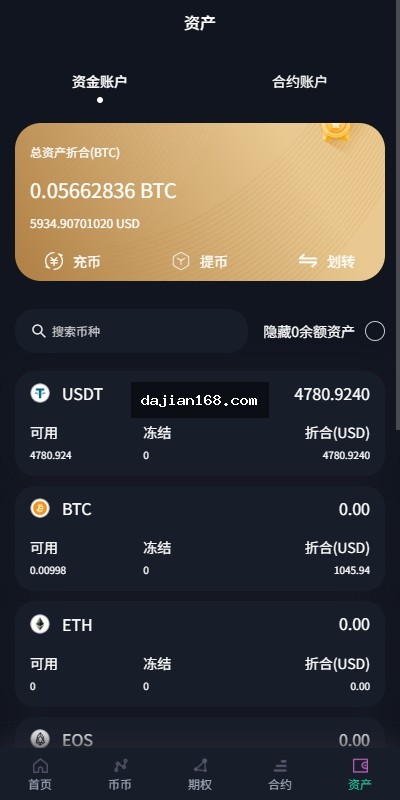
A5: The mobile app is developed with UniApp and packaged for both iOS and Android. In practice, the experience is not much different from that of native apps, with all core features—including candlestick charts, placing trades, and viewing assets—running smoothly. If you have higher expectations for the mobile experience, you can also commission a custom native version.
⚠️ Important Notice
Before deploying a financial trading system, be sure to confirm the applicable local regulations. Contract trading and options trading may require relevant financial licenses or permits in some regions. It is advisable to consult a professional legal advisor before launch to ensure that the business operates in compliance with all applicable laws. This system only provides technical deployment support and does not assume responsibility for the legality of the business.
Server security configuration is equally important and should never be overlooked. We recommend enabling the firewall, disabling ROOT login, using SSH key authentication, and backing up the database regularly. Although these are standard security practices, in a financial trading environment, even a minor vulnerability can lead to irreparable losses.
#MultiLanguageExchangeSystem #InstantContractTrading #ContractLeverage #OptionsTradingSystem #ExchangeSourceCode-
 Alipay QR Code Scan
-
 WeChat Scan Pay