Wanghu Havoc in Heaven Arcade Source Code Deployment Log: Building a 25-Module Simulation Game System
Wanghu Havoc in Heaven Arcade Source Code Deployment Log: Building a 25-Module Simulation Game System
Disclaimer: This article is for technical education and demonstration only. It is not professional or financial advice. Any real-world deployment must comply with applicable laws and regulations.
Recently I helped a friend working on a game demo project deploy a Wanghu-series “Havoc in Heaven” arcade source code package. This thing has been circulating in the community for a while — 25 game modules bundled together, from themed machines like Water Margin and Chinese Zodiac to casual titles like Fruit Mary and Crazy Mary, covering pretty much every common simulation game format. It took me a bit over two days to get running, so I’m writing the process down to save anyone else attempting this some time.

Feature Review: What’s Actually Inside This Source Code
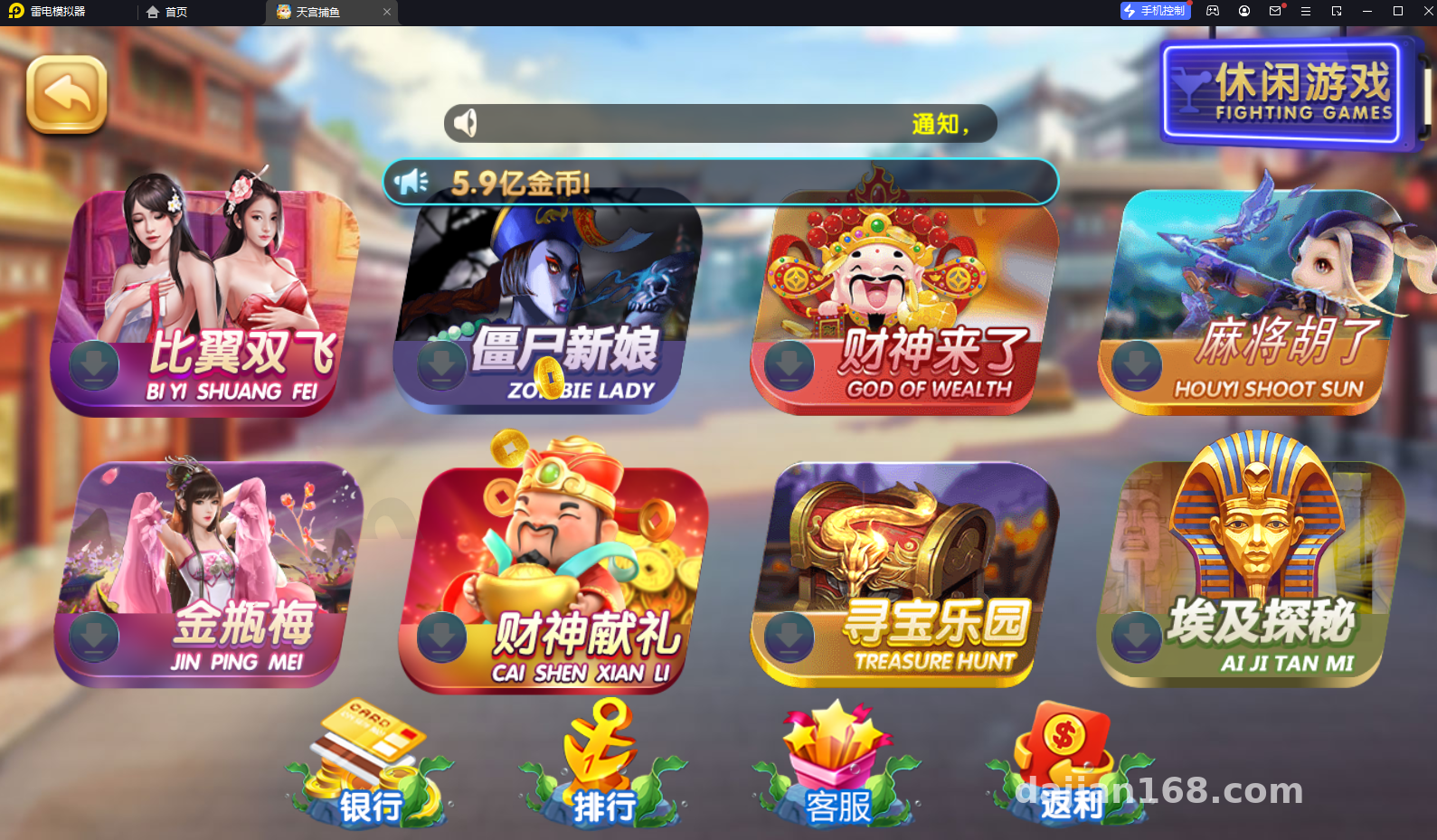
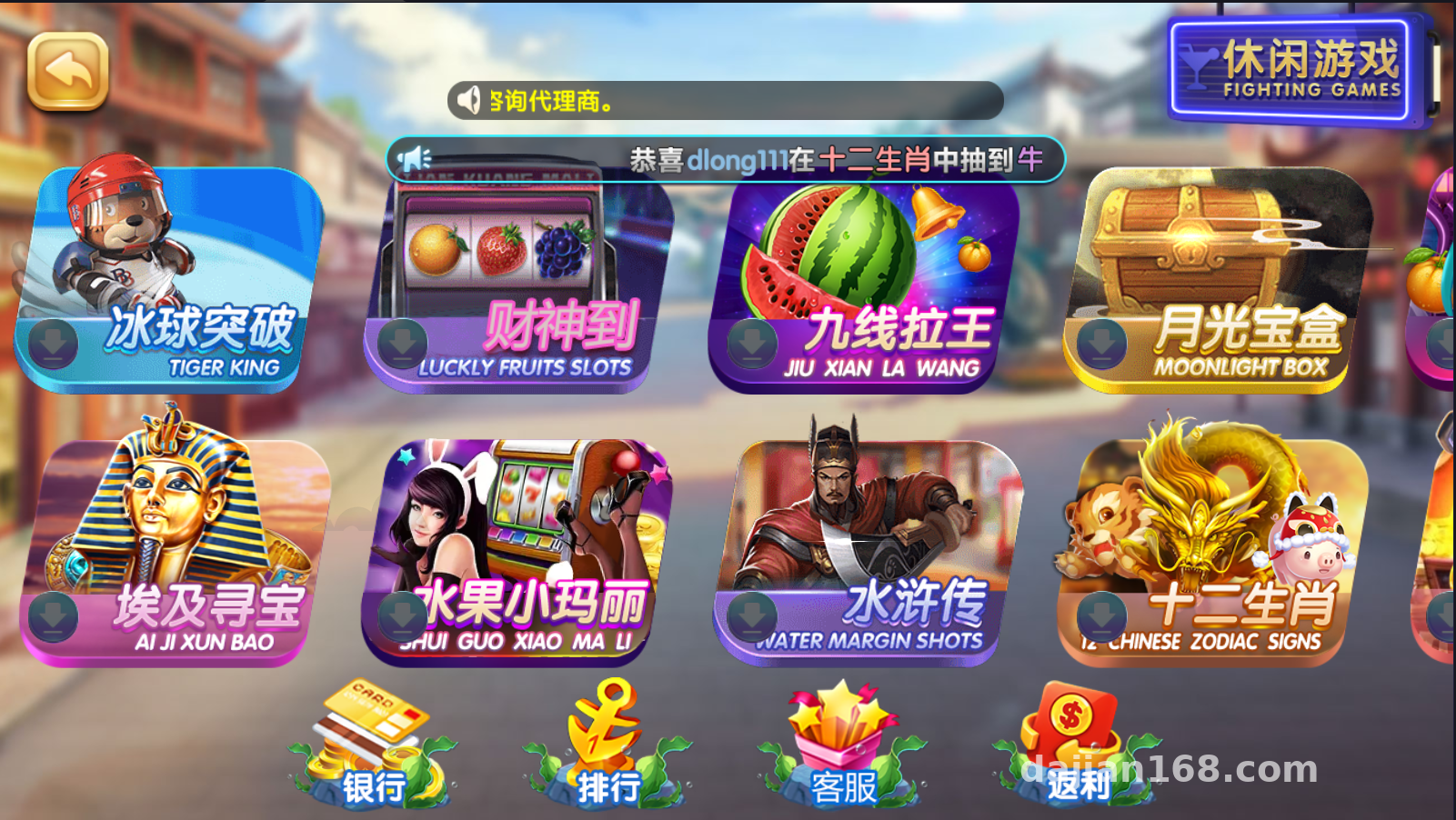
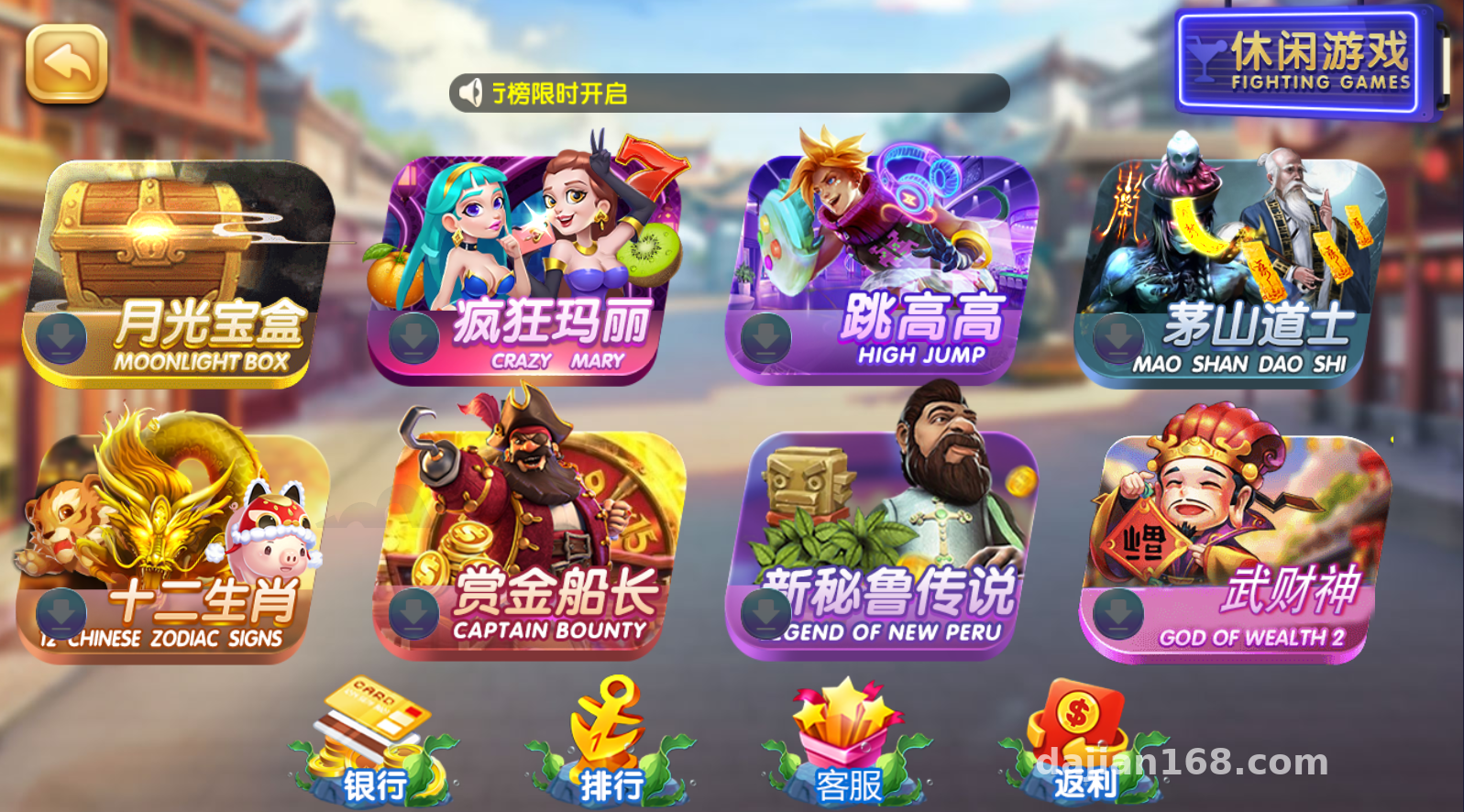
Starting with the game modules — 25 in total, which I roughly grouped into three categories. Themed simulation modules like Zombie Bride, Egyptian Adventure, Moonlight Treasure Box, Legend of Peru, and Maoshan Taoist are story-wrapped probability demo modules; the core logic is random number generation plus settlement feedback. Casual arcade modules such as Crazy Mary, High Jump, Hockey Break, and Treasure Hunt Park are fast-paced and great for showing how a random number algorithm performs in real time. Multiplayer table modules like Luxury Cars, Birds and Beasts, and Forest Party use a room-based model, where the server has to handle seat assignment and state synchronization broadcasts.
Admin Console
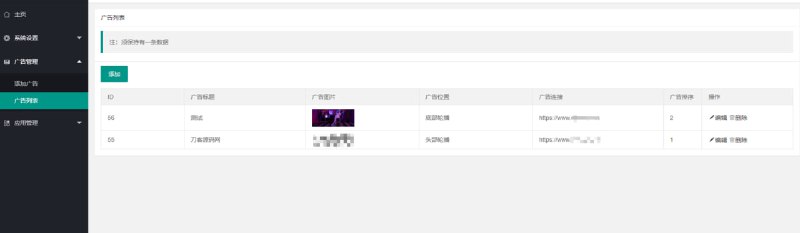
The management backend is the highlight of this package. You can see real-time online counts per room, runtime stats for each module, and virtual coin ledger reports. Parameter tuning is granular — probability parameters and reward curves can all be edited directly in the backend, with hot reload after saving and no service restart needed. In my testing, a parameter change on one module took effect within 3 seconds.
Client Performance
The client is built on the Cocos engine with generous animation assets — the effects for themes like Fortune God’s Tribute and Warrior God of Wealth are quite polished. It runs in both landscape and portrait, but on low-end Android devices, multiplayer scenes like Forest Party occasionally dropped frames; I toned the particle effects down one notch to stabilize things.
Deployment Essentials: Every Pitfall I Hit
Environment Setup
The server side uses Wanghu’s classic C++ architecture. I went with CentOS 7.9, paired with MySQL 5.7 and Redis for caching. First pitfall: the source code’s default database charset is latin1, so creating the database as-is produces garbled text — you must manually switch it to utf8mb4, otherwise nicknames containing emoji simply won’t save.
Ports and Firewall
This system has many server components — login server, game server, and database proxy each occupy their own ports. I compiled a port list and opened everything in the security group in one pass instead of patching them in one by one later. Also remember to deal with the system’s built-in firewalld; on my first deployment it stalled me for half an hour with clients unable to reach the login server.
Payment and Top-Up Interface
For the demo project I didn’t hook up real payment — I used the package’s built-in simulated top-up channel for testing. If you need a production integration, the source code exposes a standard payment callback interface, and the documentation covers the signature verification flow; just pair up the key and callback URL properly. My advice: get callback signature verification working in a test environment before touching production.
Customization Advice
If you plan to modify the code, note that Wanghu uses a custom binary protocol, so packet captures must follow its header format. Adding a new module mostly means a server-side logic class plus a client scene, with protocol IDs aligned on both ends. I once added a daily check-in feature for a friend — one day of front-end and back-end work, not particularly difficult.
Who This Source Code Package Suits
Game algorithm researchers can read the random number logic of the probability demo modules straight from the source. Freelancers who take on deployment gigs will find this package comes up in client requests often — once you’re familiar with it, a demo can be out in half a day. And anyone studying C++ game server architecture will find Wanghu’s component-based design an old-school but classic teaching reference.
Tip: this package has many modules and tangled dependencies. Back up the database structure before deploying, and adjust parameters module by module, verifying each one — don’t change everything at once.
FAQ
Q: What server specs are needed?
A: 2 cores and 4 GB of RAM is enough for a demo environment; with all 25 modules running, start at 4 cores and 8 GB, with at least 5 Mbps of bandwidth — the multiplayer table modules put some pressure on broadcast bandwidth.
Q: Does the client need recompiling?
A: Depends. If you only swap images and sound effects, replacing the resource files is enough; to change logic or add modules, you’ll need a Cocos environment to rebuild the package, and the engine version must match the source code, or you’ll get a pile of compatibility errors.
Q: Can new game modules be added?
A: Yes. The protocol layer and logic layer are separated — copy an existing module’s directory structure, change the protocol IDs and scene resources, then register the module ID in the backend and it runs.
Q: Where do things most often go wrong?
A: Database charset and open ports — I hit those two every single time. Also, on Linux remember to grant execute permissions to the server binaries. Don’t ask me how I know.
One last note: this source code is intended for technical learning and compliant demo purposes only. Deployment and use must follow applicable laws and regulations, and any unlawful use is prohibited.
Disclaimer: This article is for technical education and demonstration only. It is not professional or financial advice. Any real-world deployment must comply with applicable laws and regulations.
#arcade source code #Wanghu #game deployment #server setup #source code customization
-
 Alipay QR Code Scan
-
 WeChat Scan Pay





![[Resolved as of 2025.11.18 22:55] Cloudflare Experiences Widespread Outage](https://dajian168.net/wp-content/themes/2019bk/skin/img/default.jpg)