Probability Simulation Demo System Build Log: Deploying an Updated Source Package with Live API Integration Notes
Probability Simulation Demo System Build Log: Deploying an Updated Source Package with Live API Integration Notes
Disclaimer: This article is for technical education and demonstration only. It is not professional or financial advice. Any real-world deployment must comply with applicable laws and regulations.
I recently helped a client deploy a newly updated Tianheng-style probability simulation demo system. It took me a bit over two days, and I hit plenty of snags along the way, so I’m writing this up while it’s fresh. This source package is a major rework of the older version — the simulation scenario modules got a lot of additions, and it now integrates a third-party live API plus a board game simulation interface. The overall architecture is much cleaner than the old build.

Hands-On Testing: How the Core Modules Actually Perform
Random Number Demo Engine
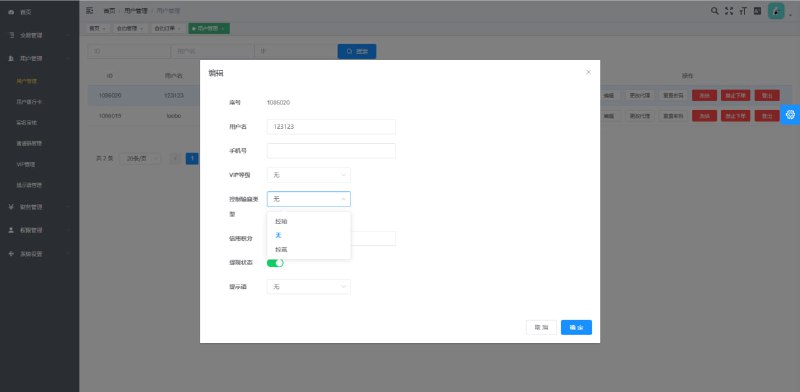
The admin-side probability control is the most heavily promoted feature of this system. In my testing, administrators can set a separate probability range for each demo scenario in the backend, and changes take effect in real time without restarting the service. I ran over three hundred rounds with a test account, and the probability curve matched the backend presets closely — the deviation stayed within normal random fluctuation, which tells me the simulation engine logic is solid.
Live API Integration
This is the biggest highlight of this version; the old builds didn’t have it. The third-party live API uses standard API integration — you just fill in the partner-provided key and callback URL in the config file and it connects. The board game simulation interface works similarly, returning a simulated data stream. Front-end rendering was reasonably smooth; latency was around 200ms during my tests, depending on server bandwidth.
Daily Settlement and Commission Modules
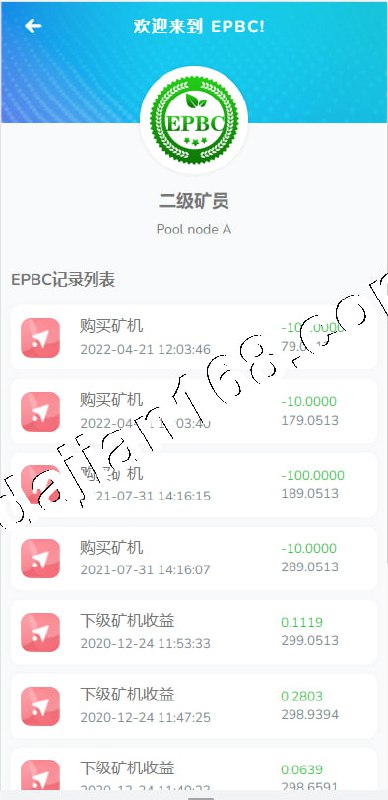
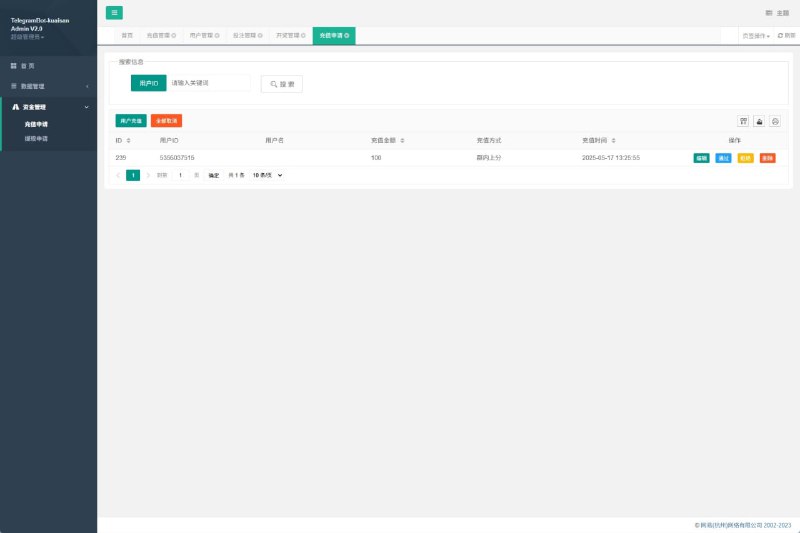
The daily settlement is calculated automatically based on each user’s activity data from the previous day, and the backend supports multiple threshold tiers and payout ratios. The commission module supports a three-tier referral structure, and the hierarchy is directly viewable in the backend user management panel. There’s also a savings-style demo module where users can move demo balances into a savings account that accrues interest daily — the rate parameter is adjustable in the backend.

Deployment Essentials: Server Environment and Configuration Pitfalls
For the environment I used CentOS 7.9 + Nginx 1.22 + PHP 7.4 + MySQL 5.7 — this combination is the most stable. A few pitfalls worth flagging:
First, make sure the fileinfo and redis PHP extensions are installed. The installation wizard won’t prompt you for them, and missing them throws a 500 error. Second, change the default backend path right away, and replace the default admin credentials too — this source package circulates widely online, and leaving defaults unchanged is like leaving the door wide open. Third, set up the cron jobs properly. Daily settlement and commission payouts both depend on crontab; I forgot to configure it at first, the next day’s settlement never ran, and I spent ages digging through logs to find out why.
On the payment side, the system reserves integration slots for mainstream third-party aggregated payment providers, with parameters configured in the backend system settings. It supports both QR code and H5 methods. For a demo environment, I’d recommend running the full flow with sandbox parameters first before switching to production.

Suggestions for Secondary Development
The code follows a standard MVC layered structure, and the separation of templates from logic is decent. The front end is a responsive H5 build, so the mobile experience is fine. If you want to customize it, start with the language packs — the system ships with a multi-language framework, so adding a language only requires adding a translation file, no core code changes. Adding new demo scenarios isn’t hard either: just copy an existing scenario class and tweak the parameters. I added a custom demo scenario for a client in half a day.
Tip: Keep the live API and board game simulation keys in the config file rather than the database, so they aren’t exposed if the backend is ever accessed. Also, clear out all demo data before going live and run production data on a clean database.

Who This Is For
This source package suits technical teams building probability simulation demo platforms, random number application demos, or digital entertainment product prototypes. A webmaster with PHP basics can get it running in a day following the docs; complete beginners should practice on a local VM first before touching a live server. The daily settlement and commission modules are ready-made, which makes them handy for demonstrating user incentive systems.
FAQ
Q: What server specs are needed?
A: Start with 2 cores and 4GB RAM, with at least 5M bandwidth. Once user volume grows, bandwidth and database IO become the bottlenecks, so consider mounting MySQL and data files on separate volumes.
Q: How do I troubleshoot a failed live API connection?
A: First check that the key and IP whitelist are configured correctly, then verify the callback URL is reachable from the public internet. Ninety percent of the time it’s the server IP missing from the whitelist.
Q: I changed the probability control parameters but nothing happened?
A: Check whether redis caching is enabled. After changing parameters in the backend, clear the cache, or shorten the cache TTL and observe again.
Q: Can this be used commercially?
A: This system is for technical learning and lawful demonstration purposes only. Deployment and use must comply with applicable laws and regulations, and any unlawful use is prohibited.
Disclaimer: This article is for technical education and demonstration only. It is not professional or financial advice. Any real-world deployment must comply with applicable laws and regulations.
#Source Package Deployment #Probability Simulation #System Deployment #Secondary Development #Technical Notes
-
 Alipay QR Code Scan
-
 WeChat Scan Pay